Lake Corpus Christi State Park: Fishing, Camping, and CCC History
The 400-foot silhouette of the lighted fishing pier extends over the dark waters of Lake Corpus Christi, serving as a beacon for South Texas anglers chasing flathead catfish. At 18,256 acres, this Nueces River reservoir offers a unique combination of 1930s Civilian Conservation Corps architecture and modern recreational facilities.

Lake Corpus Christi State Park is a premier destination for those visiting Lake Casa Blanca State Park because it requires no license for pier or shore fishing and provides over 100 well-shaded campsites. You can explore historic caliche block structures, launch a boat from two deep-water ramps, or spot Neotropical migrants along the brushland trails.
Below, you will find tactical details on the best camping loops, architectural history, and safety tips for navigating the lake’s alligator-inhabited waters.
Lake Corpus Christi State Park At a Glance
| Location | Mathis, Texas (35 miles from Corpus Christi) |
| Park Size | 356 land acres; 18,256-acre reservoir |
| Primary Draw | 400-foot lighted fishing pier and CCC architecture |
| Hours | Daily, 7 a.m. to 10 p.m. (Lockout for non-campers) |
| Contact | (361) 547-2635 |
Quick Facts and Tactical Planning for Your Lake Corpus Christi Visit
Planning a visit to Lake Corpus Christi State Park starts with the strict 10 p.m. gate lockout and the requirement to bring your own watercraft. The park gate remains open daily from 7 a.m. to 10 p.m., and if you are an overnight guest, you must ensure you arrive before the 10 p.m. lockout to access your site.
| Fee Category | Daily Rate | Notes |
|---|---|---|
| Adult Entry | $5.00 | Per person, 13 and older |
| Child Entry | FREE | Children 12 and under |
| Night Fishing | [CHECK AT TPWD] | Required for 10 p.m. – 7 a.m. access |
| Annual Pass | $70.00 | Covers all Texas State Parks |
Quick Tip: The park no longer offers watercraft rentals of any kind. If you plan to paddle the Nueces River segments or explore the shoreline, you must bring your own kayak or canoe.
Best Time of Year to Visit Lake Corpus Christi
South Texas weather dictates the best experience for most visitors, with spring and late fall offering the most comfortable temperatures for camping and hiking. During these shoulder seasons, the Tamaulipan thorn scrub is at its most vibrant, and the heat is manageable for extended periods on the exposed fishing piers.
Summer visits are popular for water sports and swimming, though heat indices frequently exceed 100 degrees Fahrenheit. If you visit in July or August, you should prioritize the early morning hours for birding and late evening for catfishing to avoid the peak solar intensity.
Park Entry Fees and Night Fishing Permits
Daily entrance fees apply to all visitors, though children 12 and under enjoy free admission to the park. If you hold a Texas State Parks Pass, your entry fees are waived for everyone in your non-commercial vehicle.
Anglers who wish to stay late without a campsite reservation must purchase a specific Night Fishing Permit. This allow you to remain in the park from 10 p.m. until 7 a.m. [CHECK CURRENT NIGHT FISHING PERMIT PRICING AT: https://tpwd.texas.gov/state-parks/lake-corpus-christi]
A Guide to Fishing Lake Corpus Christi: The 400-Foot ADA Pier and Catfishing Tips
Fishing at Lake Corpus Christi centers on the 400-foot ADA-accessible lighted pier, which provides unparalleled access to the deeper Nueces River channel. Largely due to the massive 18,256-acre reservoir’s reputation for supporting heavy populations of blue, channel, and flathead catfish, this park is a premier South Texas angling hub.
You can target three species of catfish from the shore or piers without a Texas fishing license, thanks to the state’s free fishing policy within park boundaries. This policy creates an ideal environment for families or beginners who want to experience the sport without additional regulatory costs or licensing fees.
Tactical Tips for Using the 400-Foot Lighted Pier
The 400-foot pier is equipped with high-intensity lighting that attracts baitfish and, subsequently, the larger predators like white bass and crappie during the night. If you are targeting these species, you should position yourself near the light cones and use small jigs or live minnows for the best strike rate.
For catfish, the pier provides access to depth changes that are otherwise difficult to reach from the shore. You should use weighted bottom rigs with cut bait or stink bait, casting toward the underwater structures that the park has maintained to improve fish habitat.
Targeting Blue and Flathead Catfish in the Nueces Reservoir
Blue catfish in Lake Corpus Christi can grow to impressive sizes, particularly in the cooler months when they move into shallower flats to feed. You should look for areas with muddy bottoms and use fresh shad or carp to lure these heavy hitters into your line, or check the official fishing reports for current depth and bait trends.
Flathead catfish, often called “yellow cats” by locals, prefer live bait and darker, more sheltered areas of the reservoir. While the piers are productive, those with boats often find success near the partially submerged timber and the original river bed of the Nueces.
Camping at Lake Corpus Christi State Park: Comparing Loops, Cabins, and Screened Shelters
With over 100 campsites ranging from basic water-only spots to full hookups with sewer, the park caters to every level of camper. The campground layout is divided into distinct loops, each offering a different environmental experience and proximity to the water, similar to the layouts found at Lake Bob Sandlin State Park.
| Site Type | Amenities Included | Best For |
|---|---|---|
| Full Hookup | Water, Electricity, Sewer | Large RVs and long-term stays |
| Water/Electric | Water, Electricity (30/50 amp) | Standard trailers and tent camping |
| Water Only | Potable water at the site | Minimalist tent campers and van lifers |
| Screened Shelters | Roof, screens, electricity | Families avoiding bugs/weather |
| Rustic Cabins | A/C, basic bedding, roof | “Roof-over-head” comfort without an RV |
Choosing Between Opossum Bend and Javelina Camping Loops
Opossum Bend is the premium loop for visitors wanting the closest access to the water. It sits near the 400-foot fishing pier and offers excellent views of the lake, making it the favorite for serious anglers who plan to fish through the night.
The Javelina loop is generally quieter and better suited for families who want a bit more privacy and distance from the high-traffic pier areas. You will find more established shade trees here, which is a critical consideration during the South Texas summer months when the sun is unrelenting.
What to Expect in the Rustic Cabins and Screened Shelters
The cabins at Lake Corpus Christi State Park provide a middle ground between tent camping and a hotel stay. While they offer air conditioning—a godsend in August—they remain rustic, and you will still need to bring your own linens and cookware to make the stay comfortable.
Screened shelters are a frequent choice for weekend travelers who want protection from the South Texas “stickers” and mosquitoes. These shelters feature electricity and a solid roof, providing a safe haven from the occasional Gulf Coast thunderstorm while maintaining the outdoor feel.
The Architectural Legacy of the CCC: Olin Boese and the Caliche Block Refectory
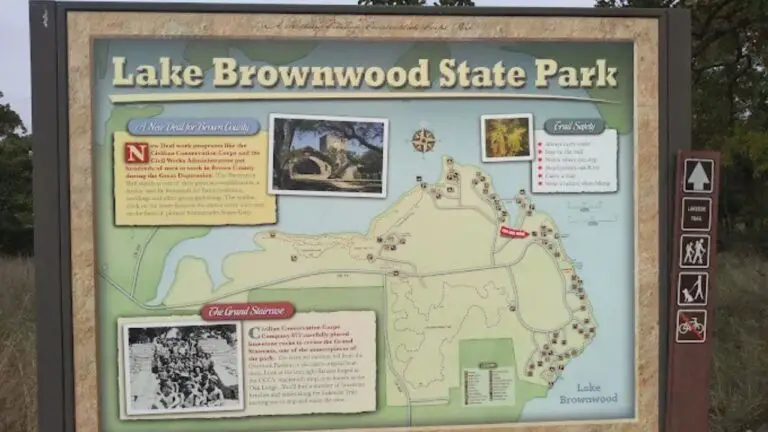
Beyond the water, Lake Corpus Christi State Park holds deep historical significance as a product of the Great Depression-era Civilian Conservation Corps. Built between 1934 and 1936 by CCC Company 886, much of the park’s primary infrastructure stands today as a testament to the artisan craft found at Lake Brownwood State Park.
The Civilian Conservation Corps architecture at Lake Corpus Christi State Park is defined by the use of local caliche blocks laid in a random ashlar pattern. Built between 1934 and 1936 by CCC Company 886, these historic structures serve as the park’s visual and historical foundation, anchoring the visitor experience in 1930s craftsmanship.
The refectory, designed by renowned architect Olin Boese, stands today as the park headquarters and a masterpiece of 1930s “Park Architecture.” This design integrated natural, local materials into structural plans that felt like an extension of the South Texas land itself, much of which is documented on the official TPWD history page.
Understanding the Random Ashlar Pattern and Caliche Blocks
The masonry of the refectory is its most distinctive feature, using cast caliche blocks. These blocks were formed from local sediments and laid in a “random ashlar” pattern, which creates a staggered, organic visual effect that avoids the rigid lines of traditional brickwork.
You can see the effort of the Company 886 workers in the precise fit of these caliche blocks. This technique was chosen specifically to weather the South Texas climate while reflecting the pale, sun-bleached colors of the surrounding Nueces River valley.
How Olin Boese Shaped the South Texas Park Aesthetic
Olin Boese’s work at Lake Corpus Christi was part of a larger movement to create a signature “Texas State Park” look. By using caliche and timber rather than imported granite or steel, Boese ensured that the park’s headquarters felt both monumental and perfectly at home in the brush country.
When you walk through the refectory today, you are stepping through a piece of history that helped define public recreation in Texas. This dedication to local materials and artisan labor is what earned the park its place among the most architecturally significant sites in the TPWD system.
Exploring the Shoreline: Birding Trails and Neotropical Migrant Hotspots
The 356 acres of land surrounding the reservoir represent a critical habitat for over 200 identified bird species including the purple gallinule and pauraque. Because the park sits at the confluence of several ecological zones, it serves as a vital stopover for Neotropical migrants crossing the Gulf of Mexico.
You will find the best birding along the trails that weave through the Tamaulipan thorn scrub and the riparian zones closer to the water. These areas provide the food and shelter needed for exhausted travelers to recover before continuing their long migrations.
Identifying Rare Species: From Purple Gallinules to Pauraques
During the spring migration, you should keep your binoculars ready for bursts of color from warblers, tanagers, and orioles. The purple gallinule is a common prize for photographers, often seen navigating the marshy edges of the lake with its distinctive iridescent plumage, and you can review the official nature guides before you arrive.
At dusk, the park’s quieter areas become the domain of the common pauraque. This nocturnal bird is expertly camouflaged against the leaf litter, and you are more likely to hear its haunting call or see its glowing eyes in a flashlight beam than you are to spot it during the day.
Birding Etiquette: Why Playback Tapes are Prohibited
To protect the integrity of the avian community, the park strictly prohibits the use of bird song playback tapes or digital calls. This practice can confuse nesting birds and cause unnecessary stress, particularly during the demanding migration seasons when every calorie of energy is vital.
You are encouraged to use the bird sighting report forms available at the park headquarters. Your observations help the TPWD biologists track the health of the local ecosystem and identify any residential shifts among the Neotropical species that call this park home.
Wildlife and Safety: Navigating the Nueces River Ecosystem and Alligator Awareness
The Nueces River ecosystem is home to a diverse array of animals, including many that command respect from human visitors. From white-tailed deer and javelinas to the more elusive predators, the park is a thriving wild space that requires situational awareness, similar to Lake Arrowhead State Park.
Safety Warning: Alligators are natural inhabitants of Lake Corpus Christi. While they generally avoid humans, you must follow all posted safety guidelines and never feed wildlife.
Alligator Safety Tips for Swimmers and Paddlers
If you are swimming or paddling, you should stay within the designated swimming areas and avoid the thick, marshy vegetated edges of the lake where alligators are most likely to bask. It is particularly important to keep pets on a leash and away from the water’s edge, as smaller animals can attract unwanted attention.
Never approach an alligator for a photograph. The park provides specific educational materials on how to co-exist with these ancient reptiles, and staying at a safe distance ensures both your safety and the preservation of the animals’ natural behavior.
Eco-System Snapshot: The Tamaulipan Thorn Scrub and Riparian Woodlands
The “brush country” of South Texas is characterized by the Tamaulipan thorn scrub, a dense thicket of mesquite, prickly pear, and other drought-resistant plants. This environment may look harsh, but it supports a massive variety of insects and small mammals that form the base of the park’s food chain.
Closer to the Nueces River, the vegetation shifts into riparian woodlands, where larger shade trees like pecans and oaks can thrive. This transition zone is where you will find the highest concentrations of biodiversity, as animals move between the protective brush and the reliable water source of the lake.
Planning Your Lake Corpus Christi Visit: What to Do Before You Go
A successful trip to Lake Corpus Christi State Park requires foresight regarding reservations and gear. Because the park is a top-rated South Texas destination for catfish, the best camping sites and cabins often book months in advance, especially for holiday weekends.
You should use the official Texas State Parks reservation system to secure your spot. If you find the park is full, the nearby city of Mathis offers several private RV parks and gateway amenities that can serve as a secondary base for your adventures.
The Ultimate Packing List for South Texas Lake Camping
Sun protection is your highest priority when visiting this part of the state. You should pack high-SPF sunscreen, wide-brimmed hats, and lightweight long-sleeved clothing to protect yourself from the intense South Texas sun, even if you are just sitting on the fishing pier.
- Heavy-duty insect repellent for mosquitoes and biting flies.
- Durable hiking shoes (essential for the “stickers” in the grass).
- Coolers with extra ice (South Texas heat melts ice faster than you expect).
- Birding binoculars and a field guide.
- Specific catfish tackle and fresh bait.
Gateway Cities: Exploring Nearby Mathis and Corpus Christi
Mathis is the closest gateway to the park and is the place to stock up on groceries, ice, and fuel. While small, it contains several local diners and tackle shops that can provide current “lake talk” on which baits are working for the catfish and bass, similar to the angling communities near Falcon State Park.
If you need a break from the lake, the city of Corpus Christi is only about a 35-minute drive away. This allows you to combine a rustic state park camping trip with world-class beaches or visits to the Texas State Aquarium and the USS Lexington.
When you visit for fishing or architectural appreciation, Lake Corpus Christi State Park offers a unique rhythm of South Texas life. Plan your visit carefully by checking the official TPWD alerts, respect the wildlife, and you will discover why this CCC-built gem has remained a favorite among Texas state park visitor guides for nearly a century.
Deep-Water Boating and Paddling in the Nueces Reservoir
With 18,256 acres of surface water, Lake Corpus Christi represents one of the largest bodies of freshwater in the South Texas coastal bend. Boating is a massive component of the park’s culture, supported by two deep-water boat ramps that remain accessible even when reservoir levels fluctuate.
Paddlers find a different kind of adventure in the upper reaches of the lake where the Nueces River feeds in. This area is more sheltered from the wind and offers a close-up look at the riparian woodlands where deer and javelinas often come to drink at dawn.
Navigating the Open Water Safely
The main body of the lake can become quite choppy when the South Texas winds pick up, which is a near-daily occurrence. If you are in a small craft or a kayak, you should stay close to the shoreline or stick to the sheltered coves near the Javelina camping loop.
Check the weather forecast before launching, and always wear a Coast Guard-approved life jacket. The lake features several submerged structures and sandbars, so if you are operating a motorized vessel, you must maintain a vigilant watch for underwater hazards in the shallower northern sections.
Accessing the Nueces River Sections
The Nueces River provides a scenic corridor for visitors seeking to paddle further upstream from the park’s main ramps. This stretch of water is lined with towering pecans and provides a cooler, more shaded environment than the open reservoir.
You can find excellent fishing for white bass in these river sections, especially during the spring spawn. The lack of heavy wake and motorized traffic makes this a tranquil escape for visitors seeking to experience the Nueces River in its more natural state.
The CCC Experience: How Company 886 Shaped the Public Landscape
The Civilian Conservation Corps was more than just a labor program; it was a societal overhaul that aimed to preserve the American soul through contact with nature. Company 886, which arrived at Lake Corpus Christi in 1934, was composed of young men who were often away from home for the first time.
These workers lived in a temporary camp on-site, following a strict military-style schedule while learning to master complex masonry and carpentry tasks.
The quality of their work is visible in the random ashlar patterns of the refectory, where each block was hand-cast and placed with precision.
The Daily Life of a CCC Worker in Mathis
For the men of Company 886, life in the South Texas brush was a contest of endurance against the elements. They battled heat, humidity, and the dense thorn scrub to create the roads and structures that millions of Texans have used for the past 90 years.
Their legacy is not just in the stones, but in the very concept of a state park system designed for the common person. Before the CCC, many of these beautiful natural areas were private or inaccessible; today, they are your inheritance as a visitor to the park.
Preserving the Historic Structures for Future Generations
The Texas Parks and Wildlife Department invests significant resources into the maintenance of these historic landmarks. The caliche blocks of the refectory require specialized care to prevent erosion, ensuring that the work of Olin Boese remains intact for the next century of visitors.
As you walk around the headquarters, take a moment to look closely at the masonry joints and the hand-hewn timber details. These are the fingerprints of a generation that built for the future during one of the nation’s darkest economic periods.
Frequently Asked Questions About Lake Corpus Christi State Park
Can you swim in Lake Corpus Christi State Park?
Yes, swimming is a popular activity at Lake Corpus Christi State Park, though you should be aware that no lifeguards are on duty. The park features a designated swimming area with a shallow entry, ideal for families and children.
Always follow the safety recommendations regarding wildlife, as alligators are known to inhabit the reservoir, and swimming is done at your own risk.
Is a fishing license required at Lake Corpus Christi State Park?
You do not need a fishing license to fish within the boundaries of a Texas State Park when fishing from the shore or a pier. This specific policy at Lake Corpus Christi State Park applies to both of the park’s lighted fishing piers and the entire accessible shoreline.
However, if you plan to fish from a boat on the open reservoir, a valid Texas fishing license with the appropriate freshwater endorsement is still required.
Are there alligators in Lake Corpus Christi?
Yes, alligators are natural residents of Lake Corpus Christi and the surrounding Nueces River ecosystem. While they generally avoid human interaction, you should stay vigilant when near the water’s edge and follow all posted park safety tips.
Never feed or approach an alligator, and keep your pets on a leash at all times to avoid attracting wildlife to your camping or recreation area.
Can you rent kayaks at Lake Corpus Christi State Park?
No, Lake Corpus Christi State Park no longer offers on-site watercraft rentals for kayaks, canoes, or paddleboards. If you wish to explore the Nueces River or the open lake by water, you must bring your own equipment.
The park provides two deep-water boat ramps that are suitable for launching personal watercraft, even during periods of fluctuating lake levels.
What are the best camping loops at Lake Corpus Christi?
The “best” loop depends on your camping style, but Opossum Bend is a top choice for serious anglers due to its proximity to the 400-foot fishing pier and lake views. For families and those seeking more shade and privacy, the Javelina loop is often preferred.
Both loops offer access to bathhouses and various site types, from full RV hookups to basic water-only tent spots, much like the camping options at Kickapoo Cavern State Park in the Hill Country.
Are dogs allowed at Lake Corpus Christi State Park?
Yes, dogs are allowed at Lake Corpus Christi State Park, but they must be kept on a leash no longer than six feet at all times. Pets are permitted in most camping areas and on the hiking trails, though they are strictly prohibited from entering the park’s screened shelters, cabins, and interior buildings.
You should also ensure your pets remain away from the water’s edge due to the localized presence of alligators.