Lake Austin TX Guide: Access, Boating, and Things To Do
Lake Austin TX is a 1,599-acre reservoir on the Colorado River in Austin. The lake works best for boating, shoreline stops, fishing, and park-based visits because almost all of the shoreline is private and the public access points are spread out.
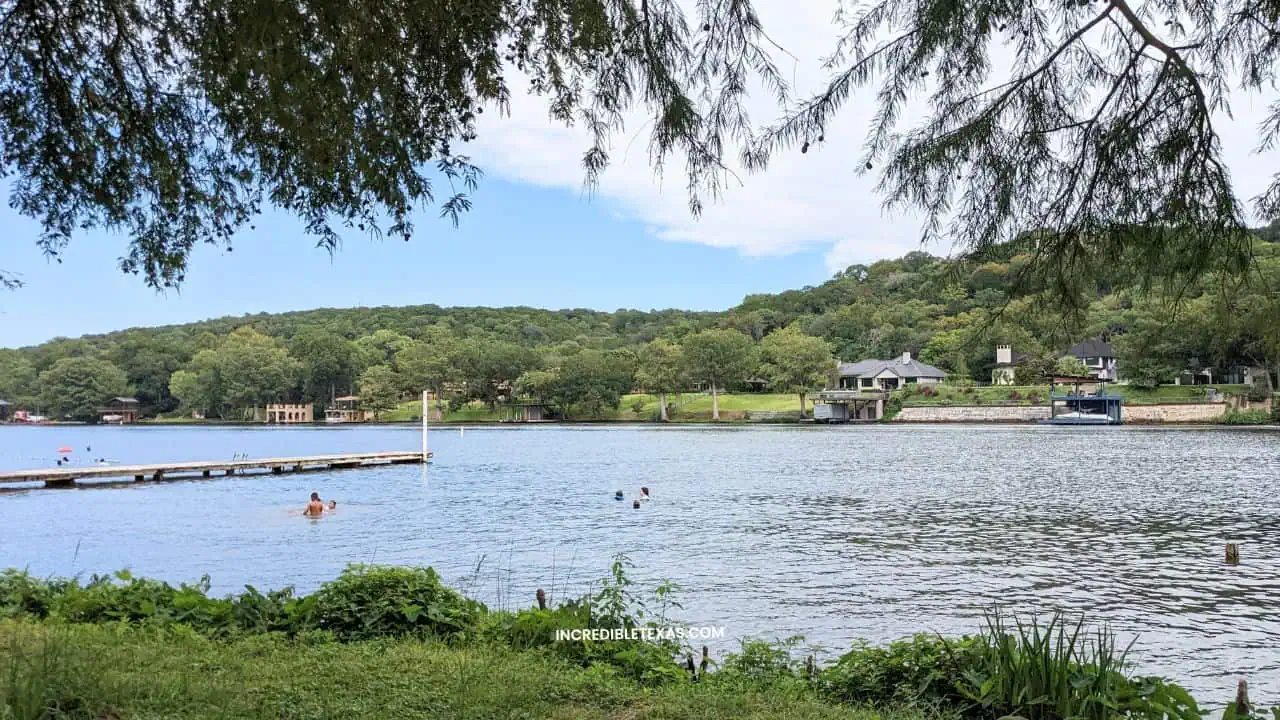
That limited access is the main planning detail. Visitors usually get the best day by choosing one launch, one park, or one shoreline stop first, then adding a meal, a bridge overlook, or a nearby Austin attraction after the lake time.
For a fast answer, Lake Austin is not a wide open beach lake. It is a central Austin reservoir with a handful of public ramps, some bank access, and a strong payoff for anyone who plans around the right entry point.
| Quick fact | Lake Austin TX |
|---|---|
| Type | Reservoir on the Colorado River |
| Location | On the Colorado River in the City of Austin |
| Nearest major city | Austin |
| Downtown drive | About 10 minutes to Walsh Boat Landing, depending on traffic |
| Surface area | 1,599 acres |
| Maximum depth | 75 feet |
| Impounded | 1939 |
| Controlling authority | Lower Colorado River Authority |
| Best for | Boating, fishing, shoreline access, and sunset views |
| Access note | Most shoreline is private, so public access points matter more than the lake size |
What Lake Austin TX Is and Why It Matters
Lake Austin is a distinctive water destination in the Austin area because it sits inside the city instead of far outside it. The reservoir is part of the Colorado River system, and the current lake page lists clear water, modest seasonal fluctuation, and a shoreline shaped by docks, bluffs, and private property.
The lake page also lists largemouth bass, catfish, and sunfish as the predominant fish species. The water supports boat days, kayak outings, and low-key shoreline visits with a city backdrop.
The simplest way to think about Lake Austin is as a planned access lake. A visitor picks a ramp or park first, then builds the rest of the outing around that choice instead of expecting a long public shoreline walk.
- Best for boaters: Public ramps are available, and the lake handles a steady mix of recreational craft.
- Best for anglers: Weed edges, docks, and creek mouths create useful cover.
- Best for planners: One good access point is more useful than trying to cover the whole lake.
- Best for city visitors: The lake fits a west or central Austin day without a long drive out of town.
The official Lake Austin page is the core reference for the reservoir itself, while the access page is the best starting point for launch planning and bank access.
For a broader Austin itinerary, Lake Austin pairs naturally with the city’s more walkable waterway, Lady Bird Lake Austin, or with a west-side scenic stop like Pennybacker Bridge Overlook.
Best Things to Do on Lake Austin
Lake Austin works best when the day has one primary goal. Some visitors want a boat launch and a cruise, some want a quiet shoreline stop, and some want a late-day view with the bridge and hills in the background.
The lake does not need a complicated itinerary to feel satisfying. A simple launch, a short fish, a picnic, or an hour on a paddleboard can be enough when the rest of the day is built around the right access point.
| Activity | Best fit on Lake Austin | Planning note |
|---|---|---|
| Boating | Walsh Boat Landing, Loop 360 Ramp, Emma Long, or Mary Quinlan | Pick the ramp closest to the part of the lake you want to use |
| Kayaking or paddleboarding | Calmer morning hours and park-based launch points | Earlier starts usually mean less traffic and easier water |
| Fishing | Bank access points and shoreline spots near cover | Weed lines, docks, and creek mouths are the best places to start |
| Sunset viewing | West-side access and bridge views | A stop near Pennybacker Bridge adds a classic Lake Austin angle |
| Swimming | Designated park areas, not random shoreline pull-offs | Lake Austin is better planned as a park-water day than a beach day |
Sunset is one of the easiest wins on the lake. A west-side view near the bridge or a shoreline pause after dinner gives the reservoir its most photogenic moment without requiring much effort.
For a fuller Austin outing, the lake also pairs well with Barton Springs Pool and Zilker Park Austin TX on a separate city day.
Where Lake Austin Access Is Easiest
Lake Austin access is spread across a few concrete ramps and a few bank-fishing spots. The lake is easy to enjoy once the launch choice matches the plan, but it is not a place where nearly every shoreline block is public.
The access map breaks into two groups. The first group is the public boat ramps, and the second is the bank-access or shoreline-only spots that work better for fishing, sightseeing, or a short pause by the water.
First-time visitors should start with Walsh Boat Landing or Emma Long Metropolitan Park. Both give a straightforward look at the lake without forcing a complicated route or a long shoreline search.
| Access point | Fee / hours | Best for | Note |
|---|---|---|---|
| Walsh Boat Landing | $10 launch fee, open all year | Easy west-side launch | Concrete ramp off Lake Austin Boulevard near Red Bud Trail |
| Loop 360 Ramp | Entry and trailer fee required, open all year | Mid-lake access | Ramp sits below Pennybacker Bridge |
| Emma Long Metropolitan Park | Entrance fee required, open all year | Boat ramp, day use, camping | Most complete park-based Lake Austin stop |
| Mary Quinlan Park | No fee required, open all year from sunrise to 10 pm | Simple lower-lake ramp | Useful for a quieter launch |
| Fritz Hughes Park | No entrance fee required, open all year from sunrise to 10 pm | Bank access | No boat ramp, so it fits fishing and shoreline time |
| Commons Ford Park | No entrance fee required, open all year | Low-key shoreline stop | Another useful public access name to remember |
Walsh Boat Landing
Walsh Boat Landing is one of the cleanest choices for a first Lake Austin launch. The landing sits at 1600 Scenic Dr., Austin, Texas 78703, and the current city page lists a $10 launch fee that is paid by card or credit at the kiosks in the parking lot.
The site is public, but commercial activity is restricted. Pets must stay on leash, Styrofoam is prohibited, and motorized craft rules limit jet skis, wet bikes, and motorized surfboards during the Memorial Day, Labor Day, and July 3-5 holiday windows.
That makes Walsh a straightforward choice for a normal lake day and a poor choice for anything that depends on a commercial launch setup. The official Walsh Boat Landing page is the best place to check current rules before heading out.
Loop 360 Ramp
The Loop 360 Ramp is the most useful mid-lake access point because it sits directly below Pennybacker Bridge Overlook. The TPWD access page describes it as a three-lane concrete ramp with an entry fee and trailer fee required, and it stays open all year.
That location is especially helpful for people who want the bridge view without committing to a longer west-lake drive. It also works well for a day that combines boating with a scenic stop on land.
Emma Long Metropolitan Park
Emma Long is the most flexible access point because it combines a ramp, camping, and day use in one park. The access page lists the park at 1600 City Park Road off FM 2222, with a one-lane concrete ramp, an entrance fee, and year-round operation.
The park page shows the operating window at 7:00 a.m. to 10:00 p.m.
Friday through Sunday and holiday day passes are handled ahead of time during the March through September season.
Camping reservations are made online, and the reservation window reaches 180 days in advance.
Emma Long also brings the most all-in-one structure to the lake. The park works for a launch, a picnic, an overnight stay, or a longer lake day that needs a real base instead of a quick pull-off.
Pets must stay on leash and under the owner’s control at all times. The official Emma Long Metropolitan Park page has the current pass and reservation details.
Mary Quinlan Park
Mary Quinlan Park is a practical lower-lake launch for people who want a quieter access point. TPWD lists it as a one-lane concrete ramp with no fee required, and the park is open all year from sunrise to 10 pm.
That makes Mary Quinlan a strong fit for a simple boat day, especially when the goal is to avoid the busier, more obvious ramp choices. The access page also makes it clear that the park is operated by Travis County rather than the city.
Fritz Hughes Park
Fritz Hughes Park is not a boat-ramp stop, but the park is useful for bank access. TPWD lists it as open all year from sunrise to 10 pm with no entrance fee required, which gives shoreline anglers and short scenic visitors a simple public option near Mansfield Dam.
That bank-access setup is a better match for fishing than launching. It is also useful for anyone who wants a brief water view without dealing with trailer logistics.
Commons Ford Park
Commons Ford Park rounds out the access map as a no-fee, year-round public site. TPWD lists it as another Lake Austin access point, and the park gives the shoreline a quieter option for visitors who want to avoid the bigger launch names.
Commons Ford is not the most obvious Lake Austin stop, but it belongs on any practical shortlist because a low-key access point often saves time and stress when the lake is busy.
For a useful west-side pairing, the access network around the lake also makes it easy to combine a launch with a photo stop at Pennybacker Bridge Overlook.
How to Choose the Right Access Point
First-time visitors usually do best with a simple match between the access point and the goal for the day. Walsh Boat Landing works well for a direct launch, Loop 360 Ramp works well for a bridge-centered outing, and Emma Long works well when the plan needs parking, camping, or a longer stay.
Mary Quinlan and Commons Ford are the quieter choices. Those two names are useful when the goal is less traffic, a simpler shore stop, or a lower-key day on the water without the busier feel that can show up at the more obvious launch points.
Fritz Hughes fits the fishing-first visitor. It is a bank-access site rather than a launch, so it works better for shoreline time than for a boat day that needs trailer space and ramp handling.
- Choose Walsh: when the day starts from central Austin and needs a fast public launch.
- Choose Loop 360: when a bridge view and mid-lake access are part of the plan.
- Choose Emma Long: when the lake visit needs camping, day use, or a longer park stay.
- Choose Mary Quinlan or Commons Ford: when a quieter, lower-pressure launch feels better.
- Choose Fritz Hughes: when bank access is enough and fishing is the main focus.
Lake Austin Boating Rules, Fishing Notes, and Park Details
Lake Austin is easy to use once the rules are clear. The biggest planning mistake is assuming the lake works like a public beach or a wide-open shoreline park, when the real experience is a mix of ramps, private property, and selected public access points.
The other important detail is the zebra mussel advisory. Boats, trailers, livewells, bait buckets, and any other gear should be cleaned, drained, and dried before moving to another water body.
| Planning detail | What to know |
|---|---|
| Boating | Concrete ramps are the easiest public launch option, especially Walsh, Loop 360, Emma Long, and Mary Quinlan |
| Fishing | Largemouth bass, catfish, and sunfish are the main species listed on the lake page |
| Traffic | Summer boating traffic can make daytime fishing harder, so early or late outings usually work better |
| Pets | Walsh Boat Landing and Emma Long both require leashed pets |
| Motorcraft rules | Jet skis, wet bikes, and motorized surfboards are restricted during specific holiday windows |
| Reservations | Emma Long camping reservations are booked online, and park passes can require advance purchase during the busy season |
Fishing on Lake Austin has the best odds when the water is calm and the lake is less busy. The lake page notes that summer fishing is often better at night because daytime boating traffic can get heavy, especially on weekends.
That same lake page describes the reservoir as clear to slightly stained with watermilfoil and pondweed. Those conditions help explain why weed edges, dock lines, and creek mouths are the most natural places to start.
Emma Long is the most complete park option for visitors who want more than a launch. It combines day use, camping, and a longer stay, and the city page makes the reservation process clear enough to plan around in advance.
Walsh Boat Landing works better for a fast launch and a shorter visit. Emma Long works better for a full park day, while Mary Quinlan, Fritz Hughes, and Commons Ford are the lighter-touch options when the plan is simply to reach the water efficiently.
What to Bring to a Lake Austin Day
A simple Lake Austin kit keeps the visit easier than people expect. Water, sun protection, a charged phone, and a card for fees cover most of the common issues, while a leash for pets and a life jacket for the water handle the most important safety basics.
Parking and launch routines vary by access point. Walsh uses a $10 launch fee, Emma Long uses park entry passes, and some of the shoreline access spots do not ask for a fee at all, so the right payment method depends on the exact stop.
Food planning matters too. A lake visit feels smoother when snacks, drinks, and dinner plans are settled before arrival, because the access points are built for water use first and convenience shopping second.
- Bring water: Shade is useful, but hydration still matters on a warm Austin day.
- Bring a life jacket: Open-water conditions are more forgiving when safety gear is ready.
- Bring a leash: Several Lake Austin sites require pets to stay controlled and on leash.
- Bring a payment card: Walsh uses card or credit at the kiosk, and Emma Long uses park pass systems.
- Bring a backup plan: Busy weekends can make the second-choice access point the better one.
The lake is easiest when the visit stays simple. One launch, one main activity, and one back-up access point usually produce a better day than trying to force a full lake tour into a single trip.
The official source pages for Walsh Boat Landing and Emma Long Metropolitan Park are the most useful places to confirm current fees, reservations, and holiday restrictions before a trip.
A Simple First Visit Plan to Lake Austin
A first Lake Austin visit works best when the day stays narrow. Pick one access point, one main activity, and one backup stop, then leave the rest of the lake for another trip.
Walsh Boat Landing is the best fit when the goal is a quick and direct launch. Emma Long is the better choice when the plan needs a park base, more time on site, or a camping option later in the day.
Loop 360 Ramp makes sense for a bridge-view day. Mary Quinlan, Fritz Hughes, and Commons Ford work better when the goal is a quieter arrival and less time spent circling for the right setup.
Food and timing matter as much as the launch point. A breakfast launch, a mid-morning fish, or a late-afternoon bridge stop usually feels easier than trying to cram every possible lake activity into one route.
First-time visitors who are unsure where to start should use this order: access point, water activity, parking or trail stop, then a meal. That sequence keeps the trip calm and avoids the feeling of chasing the lake all day.
- Step 1: Pick Walsh, Loop 360, Emma Long, Mary Quinlan, Fritz Hughes, or Commons Ford.
- Step 2: Decide whether the day is about boating, fishing, photos, or a park stop.
- Step 3: Check fees and hours for the exact site before leaving.
- Step 4: Bring water, sun protection, and the right payment method.
- Step 5: Save the scenic stop or meal for after the lake time.
That kind of simple route is usually enough for a first Lake Austin day. The lake rewards clarity more than ambition, and the most pleasant visits are usually the ones that do one or two things well.
Weekday mornings are the calmest window for most visitors. Weekend trips can still work well, but they usually go better when the access point is chosen early and the arrival time is not left to chance.
Families usually get the most out of Emma Long or Mary Quinlan because both give a little more room to settle in. A boat day with kids or a mixed group feels smoother when parking, restrooms, and a simple shoreline base are part of the plan.
Solo visitors and photographers often prefer Loop 360 or Fritz Hughes. The bridge view near Loop 360 adds a strong visual payoff, while Fritz Hughes keeps the visit quieter when the goal is a short shoreline pause instead of a full launch.
If only an hour is available, Lake Austin still works. One access point, one look at the water, and one scenic stop are enough to make the visit feel complete without overloading the day.
The same simple structure also fits a larger Austin itinerary. A lake stop can sit before brunch, after a downtown walk, or between other west-side plans without turning the entire day into a logistics project.
Do not treat Lake Austin like a lake with endless public shoreline. The access point is the destination here, so the visit gets easier when the chosen ramp or park is the center of the plan.
Backup choices matter too. If a preferred ramp feels crowded, a quieter launch like Mary Quinlan or Commons Ford can still preserve the day without forcing a long reset.
Weather changes the mood quickly. A windy afternoon may still be fine for a scenic stop, but a calmer morning usually gives the best odds for boating, fishing, or a relaxed shoreline visit.
- Common mistake: trying to visit the whole lake in one trip.
- Better choice: pick one access point and one activity.
- Common mistake: arriving without checking fees or day-pass rules.
- Better choice: confirm the exact site before leaving home.
- Common mistake: expecting a public beach-style shoreline.
- Better choice: use the lake as a launch-and-park style destination.
That approach keeps the lake visit efficient and leaves room for the rest of Austin. It also makes the day easier to repeat the next time with a different launch or a different season.
Downtown Austin is the nearest major city, and the drive time depends on the access point and the traffic pattern. Walsh and Loop 360 usually fit the fastest city-lake route, while Emma Long and the quieter parks can take a little longer.
For visitors with only one free afternoon, that timing detail matters more than the lake size. A short, well-chosen stop usually gives a better Lake Austin experience than a longer route with too many moving parts.
Checking the chosen ramp before leaving home keeps the day calmer and avoids last-minute detours. A small timing change can shape the whole visit when the lake stop is only one part of an Austin day.
Lake Austin vs. Lady Bird Lake and Lake Travis
Visitors often compare Lake Austin with Lady Bird Lake Austin and Lake Travis Austin TX. The three lakes sit close together on a map, but each one serves a different kind of day.
| Lake | Best use | What stands out |
|---|---|---|
| Lake Austin | Boating, fishing, and selected park access | Private shoreline and a handful of strong public ramps |
| Lady Bird Lake | Walking, paddling, and downtown trail time | More public-facing and more walkable in the city core |
| Lake Travis | Longer boating and larger lake days | More open water and a bigger Hill Country feel |
Lake Austin sits in the middle of those two experiences. It is more access-limited than Lady Bird Lake, but it is also closer to the urban core than Lake Travis, which makes it a strong fit for a west Austin day that still feels like a proper lake trip.
That middle position is useful for travelers who want water without a long commute. It is also why Lake Austin pairs so easily with city stops such as Barton Springs Pool and Zilker Park Austin TX.
For a photo-first west Austin plan, the bridge view at Pennybacker Bridge Overlook gives the strongest visual link between the lake and the surrounding hills.
Best Time to Visit Lake Austin
Morning is the best time for most Lake Austin plans. The water is usually calmer, the ramps are easier to use, and fishing conditions are often better before recreational traffic builds through the day.
Late afternoon works well for a slower visit, especially if the goal is a sunset boat ride, a shoreline picnic, or a bridge view before dinner. The lake has enough city access to make a short evening outing feel worthwhile without a long setup.
Summer is the busiest season. The TPWD lake page notes that fishing is often better at night in warm months because boating traffic gets heavy during the day, so anglers should plan accordingly.
Spring and fall are the easiest seasons for most visitors. Temperatures are more forgiving, the park stops feel more relaxed, and the lake can be enjoyed without racing the heat.
- Best time for boating: Early morning or late afternoon.
- Best time for fishing: Dawn, dusk, or night during summer.
- Best time for photos: Golden hour near Pennybacker Bridge or a west-side shoreline.
- Best time for Emma Long: A weekday if the goal is a quieter park day.
- Best time for access planning: Any day you can check park hours and fees before leaving.
Bring the basics that keep a lake day easy: water, sun protection, a leash for pets, a life jacket for the water, and a card for launch or park fees where needed.
For a day that mixes the lake with city exploring, the cleanest route is often Lake Austin first and a nearby Austin stop later. The order keeps the lake stop focused and leaves the rest of the afternoon open.
Lake Austin FAQ
Can you swim in Lake Austin?
Swimming is best treated as a park-based activity rather than a lakewide one. Designated areas at parks such as Emma Long are the safest and most practical places to plan around, while random shoreline access is limited by private property and launch rules.
Is Lake Austin public or private?
Lake Austin is a public reservoir with limited public access, but almost all of the shoreline around it is privately owned. The ramps and access points matter much more than the lake name alone.
Where can you access Lake Austin?
The most useful access names are Walsh Boat Landing, Loop 360 Ramp, Emma Long Park, Mary Quinlan Park, Fritz Hughes Park, and Commons Ford Park. If the plan involves a boat, Walsh, Loop 360, Emma Long, and Mary Quinlan are the first names to check.
Is there a fee for Walsh Boat Landing?
Yes. The city page lists a $10 launch fee, and payment is made by card or credit at the kiosks in the parking lot.
What is Lake Austin known for?
Lake Austin is known for boating, fishing, scenic west Austin views, and a shoreline that feels more residential and access-limited than many other Texas lakes. It is also a strong choice for a quick lake day that still feels close to the city.
How far is Lake Austin from downtown Austin?
Downtown Austin is the nearest major city, and the drive from downtown depends on the access point you choose. Walsh, Loop 360, Emma Long, and the other public spots are all short city drives rather than full day trips out of town.
Lake Austin is a good fit for travelers who want water access without leaving the city behind. Once the right ramp or park is chosen, the lake is easy to enjoy in a way that feels calm, local, and very Austin.