Lady Bird Lake Austin is the capital city's signature recreation corridor, combining a scenic downtown reservoir with miles of waterfront paths, calm paddling channels, and sweeping skyline views.
Key takeaways
- Butler Hike-and-Bike Trail: A 10-mile crushed granite loop encircles the lake with scenic skyline vistas and shaded tree canopies.
- Boardwalk Access: The 1.3-mile over-water boardwalk runs along the south shore, open daily from 5:00 AM to midnight.
- Water Recreation: Non-motorized kayaking, stand-up paddleboarding, and canoeing are permitted; swimming is strictly prohibited.
- Public Launch Points: Free year-round launch ramps include Festival Beach, the ramp west of I-35, and the Austin High drainage ramp.
- Wildlife Spectacle: The Ann W. Richards Congress Avenue Bridge hosts North America’s largest urban bat colony, emerging nightly at dusk from spring through autumn.
For most visitors, exploring the shoreline involves walking a section of the 10-mile loop, renting a paddleboard, or watching the sunset silhouette downtown towers. The setting pairs easily with nearby Austin attractions for a memorable full-day itinerary.
Many first-time travelers ask can you swim in Lady Bird Lake, but city ordinances strictly forbid entering the water to ensure recreational safety and protect watercraft routes.
Plan your visit
Verified
- Location
- Downtown Austin, TX (Lady Bird Lake & Butler Trail)
- Hours
- Daily 5:00 AM to Midnight (Curfew Midnight to 5:00 AM)
- Admission
- Free park & trail access; boat rentals vary by vendor
- Best time to go
- Sunrise for jogging; late afternoon for sunset paddling
What Lady Bird Lake Austin Is and Why It Stands Out
According to the Texas Parks and Wildlife Lady Bird Lake Paddling Trail guide, the 416-acre reservoir was created in 1960 by Longhorn Dam and renamed from Town Lake in 2007. The body of water forms the scenic centerpiece of central Austin.
Rather than functioning as an isolated park, the lake serves as an active greenway linking downtown high-rises, shaded picnic lawns, cultural facilities, and historic neighborhoods.
Its central location makes it easy to balance outdoor fitness with visits to other unique things to do in Austin without extensive cross-town driving.
- Core identity: Austin's central urban freshwater corridor for fitness and paddling.
- Best suited for: Walkers, distance runners, kayakers, photographers, and evening strollers.
- Not permitted: Swimming, diving, and gas-powered motorized watercraft.
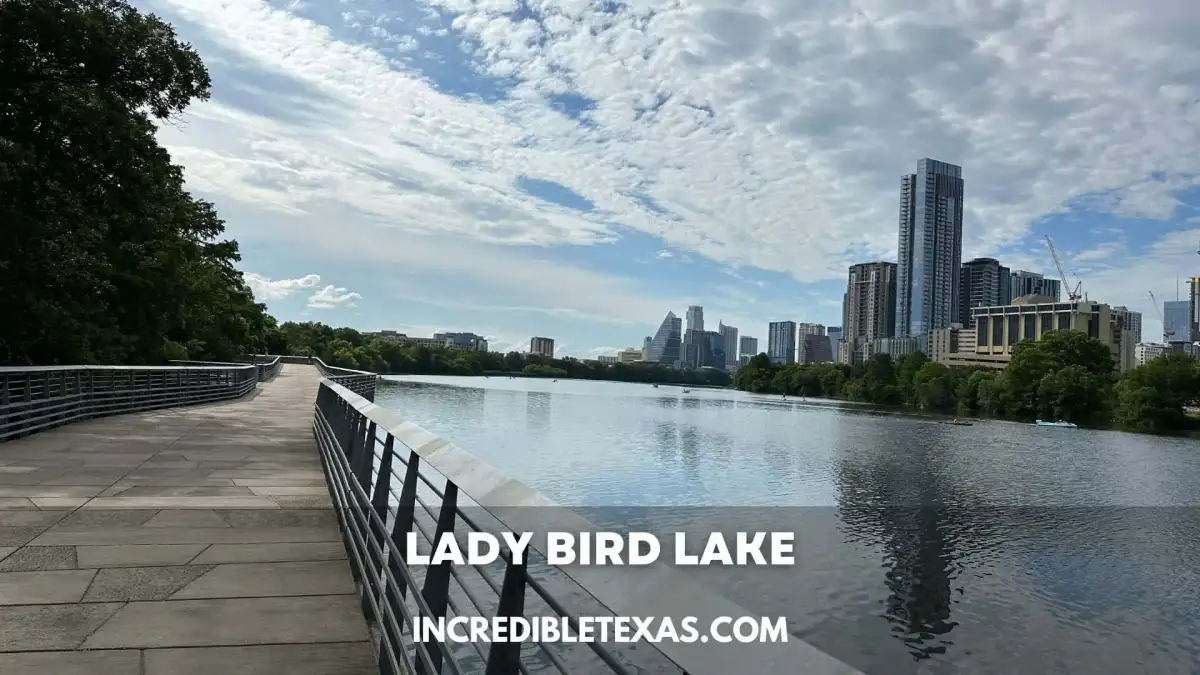
- Distinctive feature: Unobstructed views of downtown skyscrapers across reflective open waters.
Ann and Roy Butler Hike-and-Bike Trail and the Boardwalk
According to the City of Austin Butler Trail and Boardwalk Page, the Ann and Roy Butler Hike-and-Bike Trail spans 10 miles. The over-water Boardwalk closed an essential 1.3-mile gap along the south shore.
The boardwalk features seven scenic viewing platforms, integrated resting benches, and indigenous landscaping that extends directly over the water. It provides an elevated vantage point for capturing sunset photographs of the skyline.
Checking posted Lady Bird Lake boardwalk hours ensures evening walkers avoid the midnight curfew. The boardwalk remains open daily from 5:00 AM until midnight.
Commonly called the Lady Bird Lake trail, the crushed granite route includes multiple water fountains, shaded pavilions, and ADA-accessible entry ramps. It serves equally well for leisurely family strolls and intense marathon training sessions.
Kayaking, Paddleboarding, and Water Recreation
Exploring Lady Bird Lake kayaking Austin options is popular because rental concessions line both the downtown and western shores. According to the City of Austin Lady Bird Lake Portal, non-motorized paddlecraft are welcomed year-round.
The state paddling trail system offers flexible loop choices ranging from 3.15 miles to an 11-mile circuit. These diverse routes let paddlers choose between short afternoon outings and full-distance training workouts.
Stand-up paddleboards are ideal for navigating calm morning waters between the Pfluger Pedestrian Bridge and Red Bud Isle. Kayaks and two-person canoes provide greater stability for beginners and photography enthusiasts.
Morning and late afternoon hours offer the calmest water conditions. Midday summer heat and gusty winds can make paddling more demanding for casual participants.
Parking, Launch Points, and Current Trail Detours
Navigating Lady Bird Lake parking Austin options requires selecting the appropriate trailhead before driving downtown. Public lots along South Lakeshore Boulevard offer direct access to the boardwalk.
According to the TPWD Lady Bird Lake Boat Access Guide, public ramps operate year-round at Festival Beach, west of I-35, and across from Austin High School. None of these municipal boat launches require parking or launching fees.
Recent infrastructure construction has temporarily modified specific pedestrian pathways. The The Trail Conservancy Active Detours Notice provides real-time updates regarding footbridge bypasses and highway construction zones.
Reviewing active detour maps in advance ensures trail runners and cyclists avoid unexpected route interruptions during their outings.
Fishing, Bats, and Downtown Wildlife Viewing
Beyond human recreation, the reservoir supports thriving fish populations and diverse bird species. Anglers fish from designated boardwalk fishing nodes and public banks for largemouth bass, sunfish, and common carp.
The lake's most celebrated natural phenomenon occurs at the Ann W. Richards Congress Avenue Bridge. From March through October, roughly 1.5 million Mexican free-tailed bats emerge at dusk to feed on insects.
Watching the bat colony spiral into the twilight sky is a classic Austin experience. Spectators gather on the bridge sidewalk, along park lawns, or aboard chartered electric tour boats.
Cormorants, blue herons, and red-eared slider turtles frequent the quieter western shallows near Red Bud Isle, rewarding patient wildlife watchers.
Lake Rules, Safety Policies, and Planning Tips
City ordinances strictly enforce the lake's non-swimming policy to safeguard public health and avoid collisions with watercraft. Violations carry municipal fines, making Barton Springs Pool the proper venue for swimming.
Motor restrictions keep the lake quiet and peaceful. Only municipal safety vessels and permitted low-power electric watercraft may operate on the reservoir.
Pack plenty of drinking water, wear reef-friendly sunscreen, and secure valuables in waterproof dry bags before paddling. Staying hydrated is essential during warm Texas summer afternoons.
Keep pets on leashes along the trail, and check water quality advisories before letting dogs drink or wade in shallow shoreline coves.
Best Time to Visit and Seasonal Recommendations
Timing shapes your overall experience on the water and trail. Dawn brings cooler air temperatures, glassy flat water, and quiet paths favored by local runners and scull rowers.
Late afternoons and golden hour bring lively social energy, with groups picnicking on green lawns and paddleboarders enjoying the twilight skyline.
Spring and autumn provide the most pleasant weather for completing the entire 10-mile trail loop. Mild temperatures make extended walks and outdoor photography effortless.
Summer visits are best scheduled before 10:00 AM or after 6:00 PM to avoid intense midday sun exposure.
Top Ways to Experience the Lake
Visitors can experience Lady Bird Lake in several distinct ways depending on personal fitness and schedule flexibility. A leisurely morning boardwalk walk followed by coffee in the South Shore district suits relaxed travelers.
Active visitors can rent stand-up paddleboards from local boathouses to tour Barton Creek inlet and the downtown bridge arches. Couples often combine a sunset kayak paddle with romantic dinner plans from our guide to Austin date planning.
Choosing one primary activity and exploring a single shoreline section ensures an unhurried, enjoyable visit without logistical stress.
Attractions and Dining to Pair with Your Visit
Because the lake borders the heart of Austin, it pairs effortlessly with nearby cultural landmarks and dining corridors. South Congress Avenue boutiques and Barton Springs Road restaurants sit just minutes away. Along the south bank, Auditorium Shores also hosts signature outdoor gatherings against the downtown skyline, including the celebrated Austin Food & Wine Festival in early November.
After an active morning on the trail, head to nearby rooftops and lakeside patios featured in our curated list of Austin restaurants with a view for fresh regional fare.
Downtown museums, live music venues, and historical monuments can easily round out the remainder of your day.
Frequently Asked Questions
Can people swim in the lake?
No, swimming is strictly prohibited across the waters by municipal ordinance to protect public safety and prevent collisions with paddlecraft.
How long is the hike-and-bike trail loop?
The Ann and Roy Butler Hike-and-Bike Trail spans 10 miles in a complete loop around the reservoir, featuring crushed granite paths and ADA-accessible boardwalk segments.
What are the boardwalk operating hours?
The boardwalk is open to the public daily from 5:00 AM to midnight. A nighttime curfew is enforced from midnight until 5:00 AM.
Where is the best place to park?
Parking availability varies by activity. South Lakeshore Boulevard provides direct boardwalk access, while Festival Beach and Zilker Park offer ample parking near boat launches.
Where can visitors launch kayaks or canoes?
Free public launch points include Festival Beach, the launch ramp west of I-35, and the carry-in ramp across from Austin High School.
Is Lady Bird Lake good for paddleboarding?
Yes, the calm, motorized-boat-free waters make the reservoir one of the top stand-up paddleboarding destinations in Texas, especially during calm morning hours.
The urban reservoir remains Austin's essential outdoor gathering place, uniting natural hill country beauty with skyline energy. Whether you paddle past downtown bridges or jog the shaded Butler Trail, the destination provides an unforgettable capital city experience.