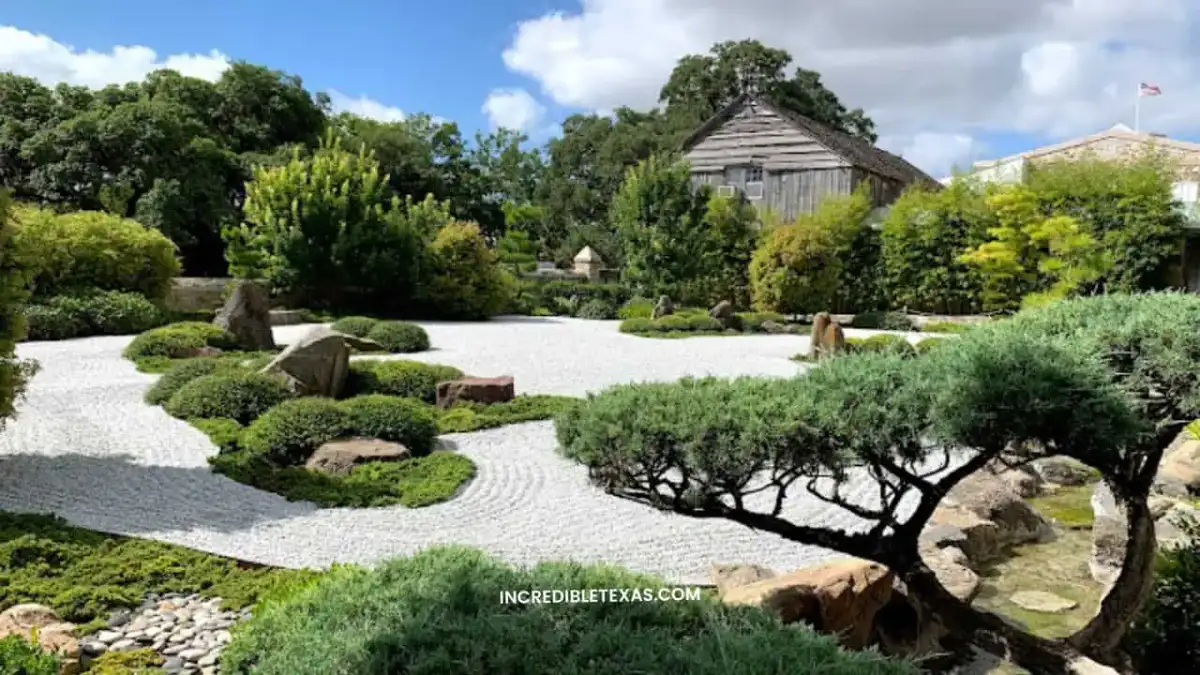
The Hermann Park Japanese Garden Houston destination provides visitors with an authentic 5.5-acre stroll sanctuary featuring cascading waterfalls, stone footbridges, a traditional teahouse, and koi ponds without charging an entrance fee. Designed by world-renowned Japanese landscape architect Ken Nakajima and dedicated in 1992, this living cultural landmark sits in the heart of the Museum District along Hermann Park Drive.
Key takeaways
- The Japanese Garden at Hermann Park spans 5.5 acres of Japanese black pines, azalea slopes, cascading waterfalls, and a traditional teahouse designed by landscape architect Ken Nakajima.
- Admission to the Japanese Garden in Houston is completely free year-round, operating from 9:00 AM to 6:00 PM from March 1 through October 31 and from 9:00 AM to 5:00 PM from November 1 through February 28.
- Free surface parking is available in Hermann Park Lot A off the Sam Houston Monument circle, which routinely fills to capacity by 10:00 AM on weekend mornings.
- Professional photography, formal portrait sessions, and aerial drones are strictly prohibited inside the Japanese Garden to preserve tranquility and prevent pathway bottlenecks.
- Leashed pets, picnicking blankets, and bicycles are excluded from garden grounds, though service animals and casual smartphone snapshots are fully permitted.
Travelers looking for quiet spots in Houston Museum District will find that the Japanese Garden in Houston TX delivers an intimate nature experience. While major regional destinations often require advance ticket purchases, this municipal space remains open to everyone as part of Houston’s public park system.
| Garden Feature / Area | Location / Setting | Hours | Admission | Best For |
|---|---|---|---|---|
| Japanese Garden Stroll Paths | Southwest of Pioneer Memorial | 9:00 AM – 6:00 PM (Summer) / 5:00 PM (Winter) | Free | Stone bridges, koi pond, quiet reflection |
| Traditional Japanese Teahouse | Center of Japanese Garden | Same as garden grounds | Free (exterior viewing) | Architectural heritage & bamboo groves |
| McGovern Centennial Gardens | 1500 Hermann Dr (North Park) | 9:00 AM – 5:00 PM (Winter) / Later in Summer | Free | 30-foot garden mount, rose garden & sculpture walk |
| Lake Plaza & McGovern Lake | Adjacent to Japanese Garden | 6:00 AM – 11:00 PM daily | Free ($16 pedal boats) | Lagoon views, waterfowl watching & boat rentals |
What to Expect at the Japanese Garden in Hermann Park
The Hermann Park Japanese Garden is a 5.5-acre traditional Japanese stroll garden built in 1992, showcasing cascading streams, authentic stone lanterns, arched bridges, an authentic teahouse, and a central koi pond surrounded by lush pine forest canopy.
Visitors enter the garden through a wooden gateway situated near the Pioneer Memorial obelisk on the western edge of McGovern Lake. Once past the gates, the city noise fades behind dense earth berms and mature pine canopies. The space functions as an authentic Japanese botanical garden Houston destination, structured around winding decomposed granite paths rather than broad sidewalks.
Detailed historical records curated in the Hermann Park Conservancy Japanese Garden Guide highlight how the sanctuary was conceived as a symbol of friendship between the United States and Japan. It was also established to honor Houston’s cultural sister-city relationship with Chiba, Japan. The resulting landscape blends classic Japanese gardening principles with vegetation that thrives in Southeast Texas weather.
Ken Nakajima Design and Stroll Garden Aesthetics
World-renowned designer Ken Nakajima crafted the landscape in the classic Daimyo (stroll garden) tradition. In this design style, paths wind deliberately through changing topography to reveal scenic vistas one composition at a time. Rather than presenting the entire grounds in a single view, each bend in the trail introduces a new arrangement of rocks, water, and foliage.
Ken Nakajima landscape design incorporates imported boulders sourced from Texas riverbeds and quarries, carefully arranged to symbolize mountains and shorelines. Deep ravines, stone stairways, and wooden viewing gazebos encourage unhurried exploration. Travelers who also appreciate formal botanical layouts can compare this traditional Japanese design with the geometric terraces at nearby McGovern Centennial Gardens.
Koi Pond, Waterfalls, and Stone Bridges
Water serves as the central unifying element of the Japanese Garden Houston layout. Naturalistic streams flow over hand-placed granite ledges, creating cascading waterfalls and stone bridges that produce soothing background sound throughout the park. The moving water empties into an expansive central pond system populated by active wildlife.
The koi pond Hermann Park visitors observe holds dozens of colorful Japanese koi fish, swimming alongside native red-eared slider turtles and visiting waterfowl. Arched wooden bridges and flat granite stepping stones allow guests to cross narrow channels and view aquatic life from water level. Visitors should note that feeding the koi or tossing coins into the water is strictly prohibited to maintain clear aquatic habitats.
Traditional Teahouse and Plant Collections
Set upon an elevated knoll overlooking the koi pond stands an authentic Japanese tea house Houston travelers frequently admire. The wooden structure, built in Japan using traditional joinery methods without nails, was dismantled, shipped across the Pacific, and reassembled on site by master Japanese carpenters. The teahouse serves primarily as a visual anchor and a venue for occasional cultural tea ceremonies sponsored by local cultural societies.
Surrounding the teahouse is an extensive horticultural collection featuring authentic granite stone lanterns, crepe myrtles, bamboo groves, Japanese maples, and cherry blossom trees Hermann Park enthusiasts watch closely each spring. Lush azalea slopes burst into vivid color during early March, framing stone paths with deep pink and white petals.
Japanese Garden Houston Hours and Free Admission Schedule
The Japanese Garden in Houston operates daily under seasonal schedules, welcoming guests free of charge from 9:00 AM to 6:00 PM between March 1 and October 31, and from 9:00 AM to 5:00 PM between November 1 and February 28.
Unlike many city botanical facilities that charge general gate fees, Japanese Garden Houston admission remains completely free 365 days a year. Among popular free gardens in Houston, families and budget-minded travelers seeking out free things to do in Houston can explore the full 5.5-acre property without tickets, passes, or reservations.
According to the official City of Houston Parks and Recreation Botanical Gardens Directory, the Japanese Garden opens every day of the week, closing only on Thanksgiving Day and Christmas Day. Park staff and rangers secure the perimeter gates promptly at closing time, initiating visitor sweeps 15 minutes before the posted hour.
Seasonal Summer and Winter Operating Windows
Knowing the exact seasonal transition dates ensures you do not arrive to find locked entrance gates. From March 1 through October 31, Japanese Garden Houston hours extend until 6:00 PM to take advantage of longer daylight hours across spring and summer. During the winter period running from November 1 through February 28, the gates close at 5:00 PM.
Because twilight falls quickly beneath the tall pine canopy, morning and early afternoon visits offer the most satisfying lighting. The garden’s opening time remains consistent at 9:00 AM every morning throughout the entire calendar year.
Holiday Closures and Weather Notices
Standard Japanese Garden holiday closures apply only to Thanksgiving Day and Christmas Day. The facility remains open on New Year’s Day, Memorial Day, Labor Day, and Independence Day, though surrounding Hermann Park parking lots experience extreme crowd congestion during holiday weekends.
During severe weather events, tropical storms, or high-wind advisories, City of Houston park rangers temporarily close the garden gates to ensure guest safety. Falling pine branches along narrow flagstone trails pose hazards during severe storms, so postponing visits during heavy squalls is strongly advised.
Parking Lot A Directions and Arrival Logistics
The primary parking area for the Japanese Garden is Hermann Park Lot A near the Sam Houston Monument circle, which provides free Japanese Garden Houston parking but routinely reaches full capacity by 10:00 AM on Saturdays and Sundays.
Navigating Hermann Park traffic requires advance planning because the park shares vehicle circulation with the Texas Medical Center, the Houston Zoo, and the Museum District. Following clear Japanese Garden Houston directions to Lot A off Hermann Park Drive delivers you directly to the closest pedestrian trailhead leading to the garden gate.
Tip
Surface stalls in Hermann Park Lot A fill completely by 10:00 AM on Saturdays and Sundays. If arriving after 10:00 AM on a weekend, skip circling Lot A and park in Lot C beside McGovern Centennial Gardens, or take the METRORail Red Line to avoid parking stress entirely.
Primary Parking at Hermann Park Lot A
Hermann Park Lot A is situated directly off the Sam Houston Monument traffic roundabout at 6001 Fannin Street. This paved surface lot offers free parking for general park visitors, making it the most practical starting point for exploring the western half of Hermann Park.
From Lot A, visitors follow a marked decomposed granite pathway heading south toward McGovern Lake. The walking route passes the Pioneer Memorial obelisk and arrives at the Japanese Garden wooden entry gates in under five minutes. Because Lot A contains fewer than 200 spaces, weekday mornings offer the highest likelihood of finding an open spot.
Weekend Overflow Lots and Garage Backups
When Lot A fills to capacity on busy afternoons, drivers must navigate toward secondary park lots. Lot C, located on Hermann Drive adjacent to McGovern Centennial Gardens, provides a spacious alternative with a scenic ten-minute walk through the park. Lots D, E, F, and G line Hermann Park Drive near Miller Outdoor Theatre and the zoo, though they experience heavy competition from theater attendees and zoo guests.
If all free surface lots are occupied, visitors can utilize paid parking garages in the surrounding Museum District. The Houston Museum of Natural Science parking garage charges daily rates and sits an easy eight-minute walk north across the park’s landscaped lawns.
Riding the METRORail Red Line to Hermann Park
Travelers wishing to avoid vehicle congestion altogether can use public transit operated by the METRO Houston Rail Transit Network. The METRORail Red Line runs directly through the Museum District along Fannin Street, dropping passengers just minutes from the garden gates for a standard one-way fare of $1.25 per rider.
Two light-rail stations serve the Japanese Garden effectively. Disembarking at the Hermann Park/Rice University station places visitors on the western edge of the park, requiring an easy 5-minute walk along tree-lined parkways to the garden gate. Alternatively, the Memorial Hermann Hospital/Houston Zoo station provides a level 8-minute stroll past McGovern Lake and Lake Plaza.
Japanese Garden Photography Rules and Visitor Etiquette
Official Japanese Garden Houston rules strictly ban professional photography, commercial shoots, wedding and quinceañera portraits, tripods, and drones inside the gates to preserve quiet contemplation and prevent pathway congestion.
Because the Japanese Garden Houston photos seen on travel blogs often look peaceful and secluded, many travelers assume the location is open for formal photo sessions. However, the City of Houston and Hermann Park Conservancy enforce firm guidelines regarding acceptable camera use. Park rangers actively patrol the grounds and will instruct photographers with unauthorized gear to leave.
Official guidelines detailed on the Hermann Park Conservancy Official Photography Policy specify that while personal snapshot photography is permitted, commercial shoots and staged portraiture are barred from the Japanese Garden. Couples seeking romantic things to do in Houston are welcome to stroll hand in hand, but formal engagement sessions with dedicated photographers must take place elsewhere.
Strict Prohibition on Professional and Portrait Sessions
Japanese Garden photography rules Houston visitors must respect include a total ban on staged portrait shoots. This restriction covers wedding photography, quinceañera celebrations, graduation portraits, model portfolios, and commercial marketing shoots. Photographers carrying lighting umbrellas, reflectors, garment bags, or tripods will be stopped at the entrance gates.
These strict rules exist because the garden’s walking paths are narrow decomposed granite tracks bordered by delicate mosses and historical stone lanterns. Staged photo shoots with multiple equipment cases block narrow bridges, damage rare shrubbery, and disrupt visitors who came for quiet reflection.
Important
Formal portrait sessions, tripods, wardrobe changes, and commercial shoots are strictly forbidden inside the Japanese Garden. Park rangers will ask visitors carrying professional camera gear or formal photo attire to exit the garden gates immediately.
Casual Phone Photos and Safe Camera Guidelines
Casual snapshots taken on smartphones or handheld digital cameras are entirely permissible. Guests are encouraged to capture landscape memories, blooming azaleas, and graceful koi fish as long as they remain moving along designated footpaths.
When taking personal photos, visitors must keep walkways unobstructed for others. Never step over stone borders, climb ornamental rock formations, or lean across wooden bridge railings to take selfies. Drones of any size are banned across the entire footprint of Hermann Park by city ordinance.
Pet Prohibitions and Conservation Etiquette
A common question among travelers is are dogs allowed in Japanese Garden Houston grounds. Pets are strictly prohibited inside the Japanese Garden, including dogs on leashes. Only trained service animals assisting individuals with disabilities are permitted through the gates. Leashed dogs are welcome throughout the rest of Hermann Park, including the nearby McWilliams Dog Park.
Other key conservation rules include bans on picnicking, lawn chairs, and large food coolers inside the garden. Bicycles, skateboards, rollerblades, and motorized scooters must be secured at external bike racks before entering. By leaving food and bicycles outside, visitors help preserve clean water in the koi pond and maintain peaceful atmosphere.
Best Time to Visit for Calm Walks and Blooms
The best time to visit the Japanese Garden in Houston is weekday mornings between 9:00 AM and 11:00 AM, avoiding both intense midday Texas heat and large weekend park crowds while catching morning light on the koi pond.
Selecting the right day and time transforms your visit from a hurried walk into a deeply calming cultural experience. As one of the top parks in Houston, Hermann Park experiences substantial foot traffic from local residents, students, and tourists. Planning around peak visitation patterns lets you experience the garden as its designers intended.
Seasonal Bloom Windows and Foliage
Springtime between late February and early April represents the peak botanical season. During this window, hundreds of pink, magenta, and white azaleas blossom along the hillside pathways. Cherry blossom trees Hermann Park horticulturists tend bloom briefly during March, adding delicate pale petals to the landscape.
Autumn brings cooler walking weather from late October through early December. While Houston does not experience dramatic northern fall colors, the Japanese maples and bald cypress trees surrounding McGovern Lake transition to warm amber and russet hues. Winter walks between December and February offer crisp air and unobstructed views of stone lanterns through bare branches.
Morning Light and Crowd Patterns
Early morning visits offer distinct environmental advantages. Arriving when the gates open at 9:00 AM provides comfortable morning temperatures before Gulf Coast humidity and summer heat peak in the afternoon. The early sunlight cuts cleanly through the pine canopy, casting mirror-like reflections across the koi pond surface.
Weekdays remain substantially quieter than weekends. On Tuesday and Wednesday mornings, you may share the 5.5-acre grounds with only a handful of quiet walkers and garden volunteers. In contrast, Saturday and Sunday afternoons draw hundreds of park visitors, making peaceful walks and quiet contemplation much harder to find.
How to Pair the Japanese Garden with Nearby Hermann Park Attractions
Pairing the Japanese Garden with nearby Hermann Park destinations creates a well-paced day trip, easily connecting to McGovern Centennial Gardens, the Houston Zoo, Lake Plaza pedal boats, or the Museum District within a short walk.
Because a thorough walk through the Japanese Garden takes between 30 and 45 minutes, it serves as an ideal anchor for a broader Museum District itinerary. Scheduling the quiet garden visit first thing in the morning establishes a calm tone before tackling larger, more stimulating attractions.
McGovern Centennial Gardens Botanical Pairing
Located just a seven-minute walk northeast across the park, McGovern Centennial Gardens provides the most natural botanical pairing. While the Japanese Garden emphasizes naturalistic stone paths and quiet woodland streams, Centennial Gardens presents 15 acres of formal horticultural terraces, an expansive rose garden, and an interactive edible family garden.
The standout feature at Centennial Gardens is the 30-foot garden mount with a spiral walking trail. Visitors can walk up the paved spiral path to enjoy panoramic views across Hermann Park’s forest canopy and the medical center skyline. Both gardens are free to enter, creating a comprehensive floral outing without spending a dime.
Houston Zoo and Miller Outdoor Theatre
Families traveling with children can easily transition from the garden to family attractions centered around Lake Plaza. The Hermann Park miniature train circles the perimeter of the Japanese Garden and McGovern Lake, offering $6 to $7 rides that delight young kids. Pedal boats can also be rented along Lake Plaza for $16 per boat, allowing your party to paddle past the garden shoreline.
Immediately south of the lake lies the main entrance to Houston Zoo exhibits and tickets. Visiting the Japanese Garden at 9:00 AM before a mid-morning zoo entry allows adults to enjoy peaceful nature before entering the active zoo habitats. In the evening, visitors can walk over to Miller Outdoor Theatre to catch free outdoor symphonies, plays, and dance performances on the hillside lawn.
Frequently Asked Questions
Is the Japanese Garden in Houston free to visit?
Yes, admission to the Japanese Garden in Hermann Park is completely free daily with no tickets or reservations required. Visitors can enter directly through the main gate during regular park operating hours.
What are the hours for the Japanese Garden in Houston?
The Japanese Garden opens daily at 9:00 AM, closing at 6:00 PM from March 1 through October 31 and at 5:00 PM from November 1 through February 28. The facility is closed only on Thanksgiving Day and Christmas Day.
Where should you park for the Japanese Garden in Hermann Park?
The closest parking is Hermann Park Lot A, located directly off the Sam Houston Monument roundabout on Hermann Park Drive. Because Lot A fills before 10:00 AM on weekends, drivers can use Lot C by McGovern Centennial Gardens or take the METRORail Red Line.
Can you take professional photos in the Japanese Garden?
No, the City of Houston and Hermann Park Conservancy strictly prohibit professional photography, formal portrait sessions, and tripods inside the garden gates. Casual smartphone snapshots and personal landscape photos taken from walkways are permitted.
Are dogs and pets allowed inside the Japanese Garden?
No, pets are not allowed inside the Japanese Garden to preserve tranquility and protect delicate plantings and wildlife. Trained service animals are permitted, and leashed pets are welcome across general Hermann Park grounds outside the gates.