Houston Museum of Natural Science: Hours, Tickets & Parking
Visitors planning a visit to Houston Museum of Natural Science usually want the same four answers first: hours, tickets, parking, and what is actually worth their time inside. HMNS pairs dinosaur halls, a butterfly habitat, and a planetarium in one Hermann Park visit.
For a first visit, budget a little more than 2 hours. The museum is open Monday through Thursday from 9:00 am to 5:00 pm, Friday through Sunday from 9:00 am to 6:00 pm, and Free Tuesdays run from 5:00 pm to 8:00 pm for permanent exhibits only.
General admission is $25 for adults age 12+, $16 for children age 3-11, and free for infants age 2 and under. Parking in the HMNS garage is attached to the building and costs $30 for the general public or $10 for members.
| Quick fact | HMNS visitor detail |
|---|---|
| Address | 5555 Hermann Park Dr, Houston, TX 77030 |
| Regular hours | Mon-Thu 9:00 am-5:00 pm; Fri-Sun 9:00 am-6:00 pm |
| Last entry | Mon-Thu 4:30 pm; Fri-Sun 5:30 pm; Free Tuesdays 7:30 pm |
| General admission | Adults $25; children $16; infants under 2 free |
| Free Tuesday | 5:00 pm-8:00 pm, permanent exhibits only |
| Parking | $30 general public; $10 members |
| Visit length | 2+ hours for a first visit |
| Best fit | Houston museum day, family outing, science-focused stop |
HMNS works well when you want one stop that can hold a whole half-day without feeling repetitive. The museum has a strong mix of natural history, fossils, minerals, wildlife, science galleries, and rotating special exhibits, so you can shape the visit around the interests in your group.
Choose one permanent hall, one add-on, and one food break before you arrive. The day stays easier to manage when you make those decisions in advance.
Houston Museum of Natural Science Hours, Tickets, and Free Tuesday
HMNS keeps a clear weekly schedule. Monday through Thursday hours run from 9:00 am to 5:00 pm, Friday through Sunday hours run from 9:00 am to 6:00 pm, and Free Tuesdays run from 5:00 pm to 8:00 pm on a first-come, first-served basis for general admission into the permanent exhibit halls.
Adult general admission is $25, children age 3-11 are $16, infants age 2 and under are free, and members receive free admission to the permanent exhibits. Add-on tickets are available for the Butterfly Center, the Planetarium, and the Giant Screen Theatre.
| Ticket type | Current price | What it covers |
|---|---|---|
| Adults 12+ | $25 | Permanent exhibit halls |
| Children 3-11 | $16 | Permanent exhibit halls |
| Infants under 2 | Free | Permanent exhibit halls |
| Members | Free | Permanent exhibit halls |
| Free Tuesday | Free, 5:00 pm-8:00 pm | Permanent exhibit halls only |
The museum posts its current admission details on the Hours & Admission page. Check that page on the day of your visit and buy tickets before you head out.
Free Tuesday is a strong budget option if you are flexible on timing. The tradeoff is crowd size, because the museum’s own accessibility guidance warns that weekend hours, holidays, summer months, and free Tuesday evenings can get busy.
Weekday mornings are the easiest time to arrive, especially right at opening on Monday.
Houston Museum of Natural Science at a Glance
HMNS was founded in 1909 and now fills five floors of permanent exhibits with astronomy, space science, Native American culture, energy, paleontology, chemistry, geology, seashells, and Texas wildlife, plus the Butterfly Center, the Planetarium, and the Giant Screen Theatre.
If you want the official starting point before you leave home, use the Plan a Visit page. It lists current hours, admission, accessibility, and the best time to arrive if you prefer a quieter museum floor.
HMNS also has satellite locations at Sugar Land and George Observatory, but the Hermann Park campus is the main draw for most first-time visitors. If your trip stays inside Houston, the Hermann Park location is the easiest place to build a full science day.
For a different Houston science stop on another day, compare HMNS with Space Center Houston. The two attractions pair well in the same trip planning conversation, but they feel very different once you walk through the doors.
If you want the most flexible first visit, use the permanent halls as your anchor and treat the add-ons as extras. The Butterfly Center, Planetarium, and Giant Screen Theatre work best when you choose them around your group’s interests instead of trying to do all three.
Guests who want the smoothest route can also use the museum’s concierge desk for suggestions on what to see first. A quick recommendation at the entrance often saves time later in the day.
Houston Museum of Natural Science Exhibits Worth Your Time
Visitors who want the strongest return on time should focus on a few anchor exhibits instead of trying to sample every hall. The museum is large enough that a short list keeps the day manageable, and it also keeps the visit from feeling like a blur of labels and hall names.
Morian Hall of Paleontology
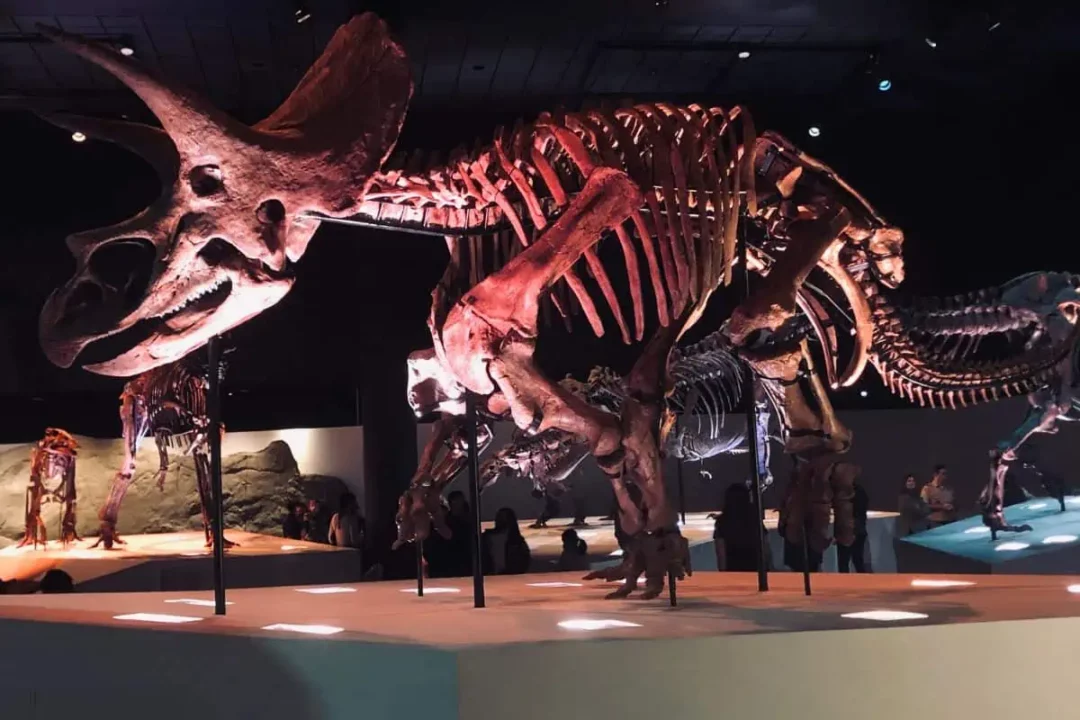
The Morian Hall of Paleontology is the easiest place to start if dinosaurs are your main reason for coming. Fossils, skeletons, and prehistoric displays make the hall a strong starting point for dinosaur fans, and the hall sets the tone for the rest of the visit.
Families often spend more time here than expected because the hall feels dramatic without being hard to follow. The huge specimens and the chronological layout make it easy to understand how the museum turns science into a walk-through story.
Wiess Energy Hall and the World Around Us
The Wiess Energy Hall is a strong pick for visitors who want the science side of HMNS to feel more interactive. The hall focuses on energy production, the geology behind it, and the systems that power modern life, which gives the museum a useful balance between history and technology.
Guests who like science demonstrations, motion-based exhibits, or big-picture explanations usually get a lot out of this floor. It works especially well as a follow-up after the dinosaur halls, because the subject matter moves from ancient life to the forces shaping today’s world.
Butterfly Center, Planetarium, and Giant Screen Theatre
The Butterfly Center, Planetarium, and Giant Screen Theatre are the most obvious add-ons for a first timer. Each one changes the rhythm of the visit, which makes them useful when families want a break from the permanent halls or when adults want a more focused science experience.
The Butterfly Center works well for younger visitors, the Planetarium works well for space-minded travelers, and the Giant Screen Theatre works well when a group wants a sit-down break. That mix makes the museum easy to customize without needing to leave the building.
Gems, minerals, Egypt, and Texas wildlife
The museum’s most useful supporting halls include gems and minerals, Hall of Ancient Egypt, Texas wildlife, and African life. These rooms give visitors a reason to slow down, because the collections reward a closer look than a quick walkthrough.
If you like museums that move from biology to geology to archaeology in one visit, HMNS fits that pattern well. It gives the building a stronger sense of range, and that range is a major part of why repeat visitors keep coming back.
What’s New at HMNS Right Now
HMNS keeps search interest high because the museum regularly rotates special exhibitions. Right now, the exhibits page highlights Terracotta Warriors, Death By Natural Causes, Matter & Motion, Fabergé: Eggs and Timeless Treasures, and other current displays that can change the shape of a day trip.
Visitors who want a fresh reason to return should always check the exhibits page before buying tickets. A new special exhibition can make HMNS feel like a different museum from one season to the next.
Current exhibit names also help this post capture more search queries. People search for specific terms like Terracotta Warriors, Wiess Energy Hall, Hall of Ancient Egypt, and Cockrell Butterfly Center, so those names belong in the body instead of being left only to the FAQ.
Where HMNS Is and How Parking Works
HMNS is at 5555 Hermann Park Dr in Houston, right by Hermann Park. The garage is attached to the building, which keeps the approach simple even when the Museum District is busy.
Parking in the HMNS garage is a flat rate for the length of your visit, with members paying $10 and the general public paying $30, and Free Tuesday does not make parking free. If the garage fills up, the museum points drivers toward alternate paid and metered options nearby.
Accessible parking is available on each garage level, with a few reserved spots in front of the building on Caroline Street and across Hermann Park Drive. That setup helps if you need the shortest possible walk from the car to the entrance.
HMNS also offers METRORail access and ride-share friendly directions through its parking page. If you prefer to avoid the garage, check the Directions & Parking page before you leave so you can choose the easiest route for your schedule.
Accessibility is broader than parking here. HMNS provides wheelchairs at no cost with an ID exchange, elevators that serve multiple floors, a nursing room, sensory backpacks, a sensory room, and a voluntary accommodation request process for guests who need advance support.
Plan a little extra time if you are visiting with a stroller, a wheelchair, or a sensory-sensitive traveler. The museum district is popular, and a small cushion in your schedule keeps the arrival calmer.
A few minutes of cushion at the start and end of the day also helps if the garage is busy.
What to See Inside Houston Museum of Natural Science
HMNS gives visitors enough variety that a first visit rarely feels complete after one quick loop. If you want the strongest return on time, start with the permanent exhibit halls and then add one or two paid experiences that match your interests.
A floor-by-floor route usually works better than bouncing around the building. Start with fossils or wildlife, then decide whether you want minerals, chemistry, or a paid show next.
Families who are short on time should choose one anchor hall and one add-on. That approach gives kids variety without turning the visit into a marathon.
For another Houston attraction with a more outdoor-oriented pace, use Buffalo Bayou Park as your next stop on a separate day. The contrast helps if you want one indoor science day and one open-air city day in the same weekend.
How to Plan the Easiest Visit to Houston Museum of Natural Science
The easiest HMNS visit starts early on a weekday, especially Monday. Crowds tend to build on weekends, free Tuesday evenings, holidays, and summer dates, so a calm opening-hour arrival gives you the cleanest start.
If you want to keep the day comfortable, start with the floor that interests your group most and then move downward or upward at a steady pace. The museum’s concierge desk can also help with personalized recommendations if you want a quick decision on what to see first.
If you are visiting with kids, pack water, a light snack, and a plan for one break before lunch. Small pauses keep the visit from feeling rushed.
Food rules are strict inside the exhibit halls. HMNS asks guests to keep food and drinks in designated areas, and the museum points visitors toward Elements Grill or Periodic Table when they want to buy lunch on-site.
If you prefer to pack lunch, keep it in a bag or in your car until you are ready for a break. Permanent exhibit hall tickets allow you to exit and re-enter the museum during the day, so lunch does not need to interrupt the entire visit.
Photography is allowed with limits: flash is only allowed in the rainforest of the Cockrell Butterfly Center and the Grand Hall of the Hermann Park location, while tripods and selfie sticks are prohibited throughout HMNS. If you are planning a professional shoot, contact the museum before you go.
Guests who bring bags or coats should not expect a storage room. HMNS does not provide storage for personal belongings, so the simplest move is to travel light and carry only what you want with you through the exhibits.
Visitors who want a guided experience can book a private tour with a docent or discovery guide. That option can be useful for school groups, family celebrations, or travelers who want help prioritizing the collection.
The museum also asks for respectful, low-distraction behavior around the collections. That matters most in the galleries with fragile objects, where light, touch, and crowd flow all affect the visitor experience.
For accessibility help before your trip, use the Accessibility page. It covers accommodation requests, wheelchairs, sensory tools, nursing options, and the best times to visit if you want a lower-volume experience.
Travelers who need a quieter visit should also look at the museum’s sensory guide before arriving. HMNS specifically recommends weekday openings for lower volume and points guests toward planning tools that make the hall layout easier to manage.
One practical detail matters for special exhibitions: many of them are one-time entry only. Visitors should leave enough time to complete the special exhibit once they enter, because you may not get a second pass.
Nearby Houston Museum District Stops
Houston Museum of Natural Science sits in one of Houston’s easiest museum clusters, which makes it simple to pair with a second stop. If you want to stay close, the Houston Zoo and the Menil Collection are natural matches for a full Museum District day.
The zoo works well when you want a family-friendly outdoor break after the museum, while the Menil Collection is a quieter art-focused follow-up. Both fit cleanly into the same part of the city without forcing a long drive in between.
If you want a slightly wider Houston day, keep Space Center Houston in the mix for another science-focused outing and save it for a separate day. That pairing gives you two different Houston science experiences instead of trying to cram everything into one schedule.
If you want an outdoor reset after the museum, Buffalo Bayou Park is an easy way to finish the day with a walk, skyline views, and a little fresh air. That is a useful move when you want the trip to feel full without staying indoors all afternoon.
Travelers who are building a larger city itinerary can also use day trips from Houston as a second planning layer. That page is useful when the museum visit is only one stop in a broader Houston weekend.
Visitors who want a low-cost pair of stops can combine HMNS with Hermann Park and another free or low-cost Museum District option. The museum fits especially well into a day that balances one paid anchor attraction with one more relaxed walk.
FAQ About Houston Museum of Natural Science
How long does it take to visit Houston Museum of Natural Science?
The average visit takes 2+ hours. If you add the Butterfly Center, the Planetarium, lunch, or a slower pace through the fossil halls, a half-day is the safer plan.
A quick visit works if you stay focused on one or two floors. A longer visit works better when you want to read exhibit labels and spend time in the add-on spaces.
Is Houston Museum of Natural Science free on Tuesdays?
Yes, general admission is free from 5:00 pm to 8:00 pm on Tuesdays on a first-come, first-served basis. The free window covers the permanent exhibit halls, not the full list of paid add-ons.
Parking is not free on Free Tuesdays, so it is still worth checking the parking cost before you leave home.
How much are tickets to HMNS?
General admission is $25 for adults age 12+, $16 for children age 3-11, and free for infants age 2 and under. Members receive free admission to the permanent exhibits, and optional add-ons cost extra.
If you are going with a group or want to add a special exhibition, check the current ticket page before you book so the total cost is clear before the day starts.
Is Houston Museum of Natural Science good for kids?
Yes. The museum works well for kids because the exhibits move between fossils, wildlife, butterflies, and interactive science spaces without feeling too formal, and the Planetarium and Giant Screen Theatre also give younger travelers a clear change of pace.
If you are visiting with children, plan food, bathrooms, and rest breaks ahead of time so the day stays smooth. A steady pace usually works better than trying to see every hall at once.
Can you take photos inside Houston Museum of Natural Science?
Yes, but the rules are specific. Flash photography is only allowed in the Cockrell Butterfly Center rainforest and the Grand Hall at the Hermann Park location, and tripods and selfie sticks are not allowed.
If you are planning a professional or commercial shoot, contact HMNS before arrival so you know what is allowed in the exhibit space you want to use.
Can you store bags or coats at HMNS?
No. HMNS does not provide storage for personal belongings, so guests should plan to carry bags and coats through the exhibits.
The easiest approach is to keep your day bag small and bring only what you need for the visit. A smaller bag makes the walk through the museum simpler and easier to manage.
Does HMNS offer tours through the exhibits?
Yes. Visitors can book private tours with a docent or discovery guide, and the museum offers them at a starting rate of $30 per hour with the purchase of an exhibit ticket.
That option is useful for groups that want a more focused walkthrough or a custom pace through the museum.
Is Houston Museum of Natural Science worth it?
For travelers who like natural history, fossils, interactive science, and a museum day with multiple layers, Houston Museum of Natural Science is worth a stop. The combination of large permanent halls and rotating special exhibitions gives the museum enough range to justify a longer visit.
It is especially strong for families and repeat visitors because the building can feel different depending on which exhibits are open and how much time you have to spend there.
Can you bring food into Houston Museum of Natural Science?
Guests can pack lunch and keep it in a bag or in the car until lunchtime, but food and drinks are not allowed in the exhibit halls. The museum also sells food at Elements Grill and Periodic Table.
If you are visiting with children, it helps to plan the lunch break before you enter the busiest halls.
What should you see first at HMNS?
Most first-time visitors should start with Morian Hall of Paleontology, then choose either the Wiess Energy Hall or the Butterfly Center depending on age and interest. That route gives you one strong science anchor and one softer second stop.
Visitors with more time can add the Planetarium or one of the special exhibitions after that. The museum is large enough that there is no single correct route, but a simple sequence keeps the day more comfortable.
Do I need to buy tickets in advance?
Advance purchase is the safest choice, especially on weekends, holidays, free Tuesday evenings, and summer dates. Buying ahead also helps if you want timed-entry add-ons such as the Butterfly Center.
If your schedule is flexible, the official ticket page is still the best place to confirm the current price and any special-entry rules before you go.