Space Center Houston serves as the official visitor gateway to NASA Johnson Space Center, welcoming space enthusiasts to a 250,000-square-foot complex in Clear Lake. The campus combines active astronaut training facilities, real mission control history, and massive hardware exhibits.
Managing entry queues, tram schedules, and parking logistics requires advance planning. The destination sits 25 miles southeast of downtown Houston, giving travelers direct access to authentic spacecraft and working federal facilities.
Key takeaways
- Space Center Houston general admission tickets start at $29.95 online for adults and $24.95 for children ages 4 to 11, with on-site box office gate purchases costing $5 more per ticket.
- NASA tram tours to George W.S. Abbey Rocket Park and the Astronaut Training Facility are included with general admission, though visitors must secure a free digital boarding pass via the center’s app on peak days.
- Historic Apollo Mission Control requires an advance paid ticket upgrade and frequently sells out up to two weeks ahead during holidays and summer weekends.
- On-site vehicle parking costs $10 plus a processing fee paid via mobile QR code stations, while annual members receive complimentary parking.
- Outside coolers and commercial picnic setups are prohibited inside the facility, but visitors can dine at The Food Lab or access shaded picnic tables outside the main entrance.
| Experience / Exhibit | Location / Access | Tour Duration | Cost / Booking Requirement | Best For |
|---|---|---|---|---|
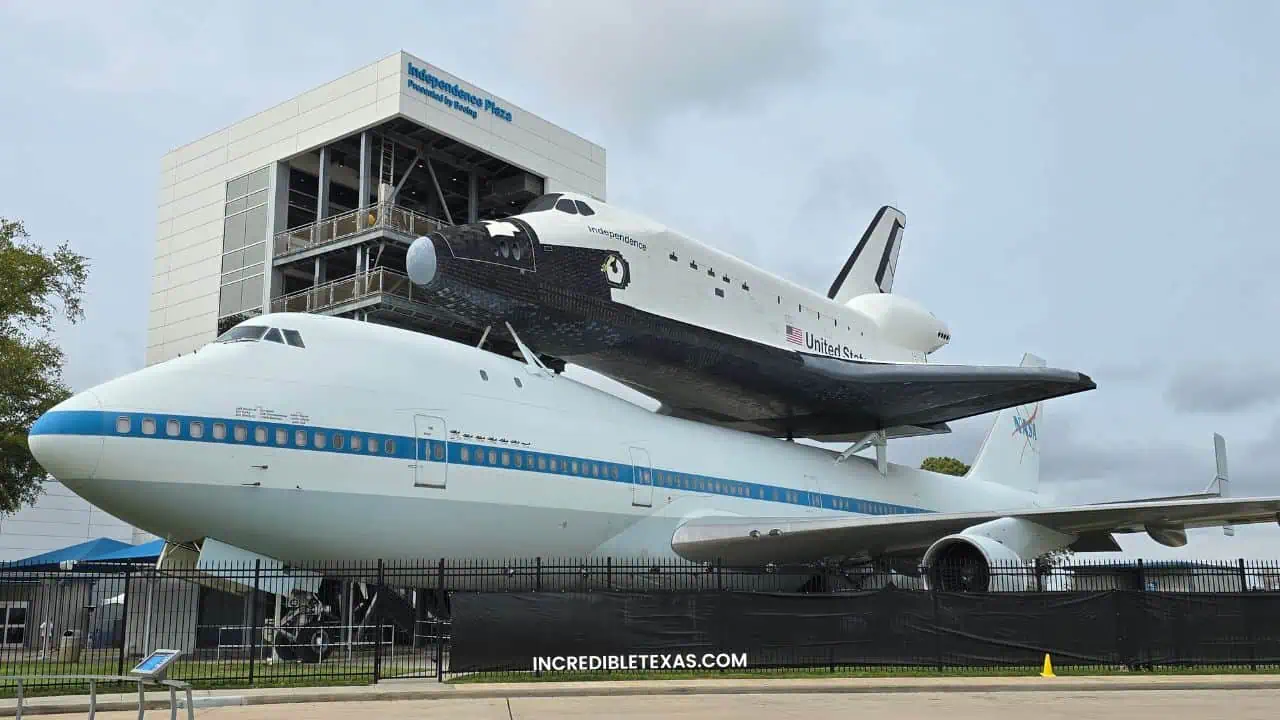
| Independence Plaza | Outdoor Plaza / Walk-in | 45 to 60 minutes | Included in General Admission | All visitors wanting to walk inside a shuttle carrier aircraft |
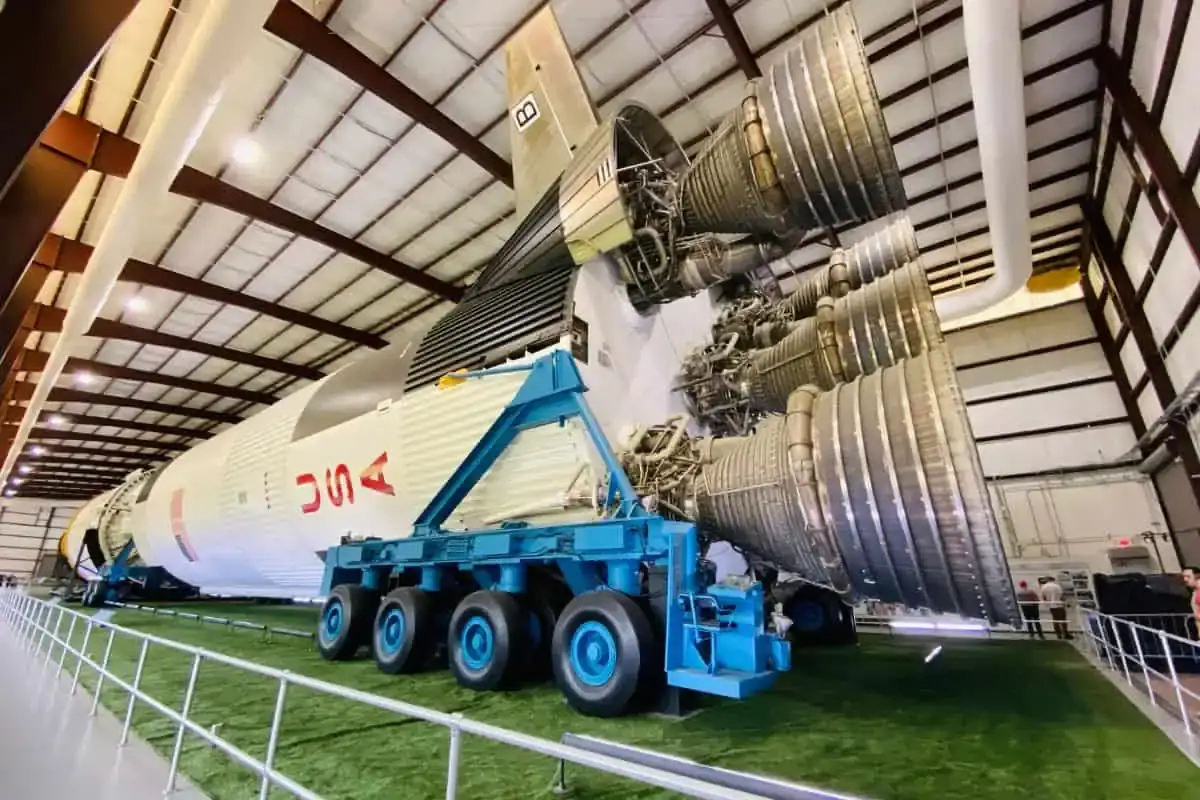
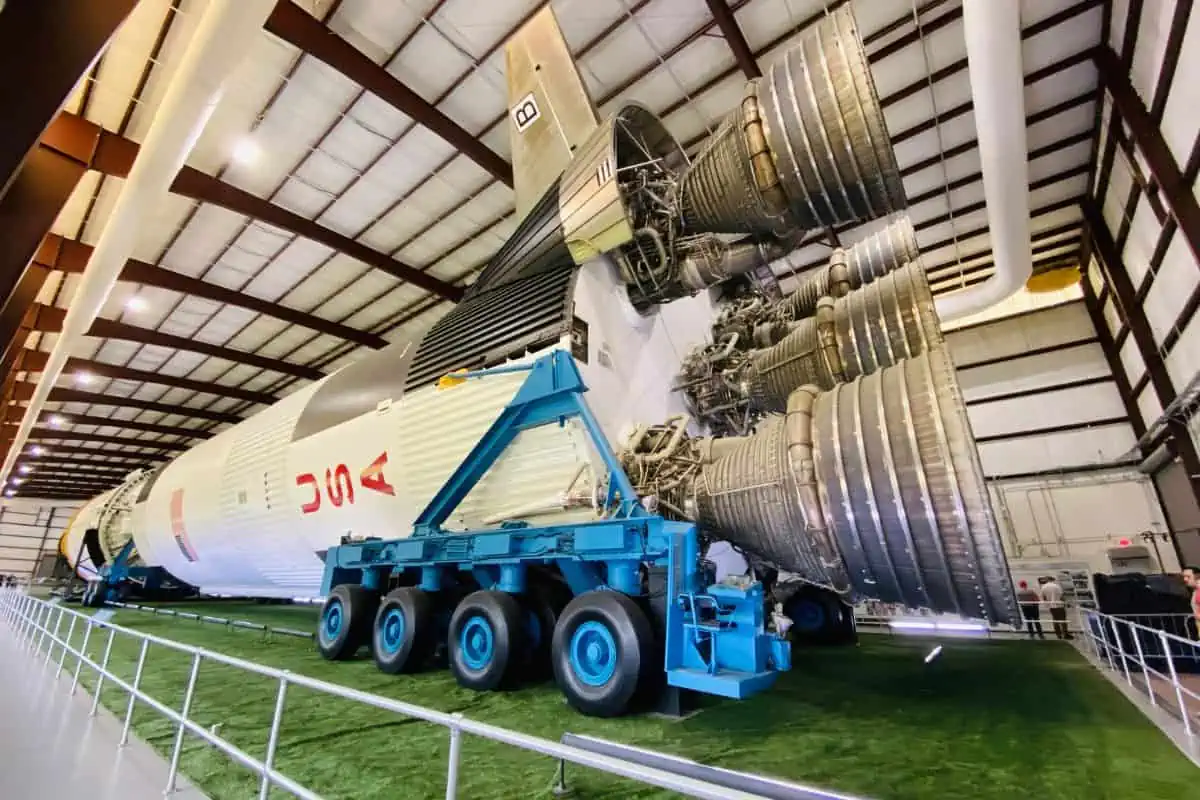
| George WS Abbey Rocket Park | NASA JSC Campus / Open-Air Tram | 45 minutes | Included; free boarding pass on busy days | Seeing the authentic 363-foot Saturn V rocket |
| Astronaut Training Facility | Building 9 / Open-Air Tram | 60 to 75 minutes | Included; free boarding pass on busy days | Viewing ISS mockups and robotics engineering |
| Historic Mission Control | Building 30 / Dedicated Tram | 75 to 90 minutes | Paid add-on ($15); advance reservation required | Space history enthusiasts and Apollo program fans |
| Starship Gallery | Main Building / Walk-in | 45 minutes | Included in General Admission | Touching an authentic moon rock and viewing Mercury capsules |
Space Center Houston Tickets, Admission Prices, and Discounts
Standard general admission tickets start at $29.95 online for adults and $24.95 for children ages 4 to 11, while buying at the box office adds a five-dollar penalty per ticket. Booking advance timed-entry tickets online guarantees museum entry and secures lower admission rates.
Ticket pricing follows a tiered structure based on age and purchase channel. Children age 3 and younger enter free of charge. Adult tickets for guests age 12 and older run between $29.95 and $34.95 online, whereas senior tickets for visitors age 65 and older cost between $27.95 and $32.95.
Child entry ranges from $24.95 to $29.95. When purchasing at the on-site ticketing windows, the regular Space Center Houston admission price increases by exactly $5 per ticket.
Taking advantage of an online advance ticket discount saves a family of four $20 before stepping through the turnstiles. Visitors planning repeat trips across twelve months can purchase an annual membership. Memberships include unlimited general admission, complimentary parking, and discounts on special tram tours.
Families organizing full vacation budgets can compare ticket costs across other area venues by checking our Houston Zoo visitor guide.
Tip
Purchase tickets directly through the official website at least 48 hours before your planned visit. Selecting a morning timed-entry slot between 10:00 AM and 10:30 AM allows you to clear bag check before peak mid-day lines form.
Hours, Parking Fees, and Arrival Timing at the Complex
Space Center Houston hours run daily from 10:00 AM to 5:00 PM, with summer and holiday weekend schedules extending to 6:00 PM. Vehicle parking costs $10 payable via mobile QR code, and arriving by 9:30 AM avoids mid-day security queues.
Operating hours shift seasonally depending on school vacation calendars and major holidays. Standard weekday operations begin at 10:00 AM and conclude at 5:00 PM. During peak summer weeks, spring break, and Thanksgiving weekend, gates often open at 9:00 AM and remain open until 6:00 PM.
Parking at the Clear Lake complex is fully automated. Visitors enter through marked security gates off East NASA Parkway and park in paved lots. Large signs display QR codes where drivers pay the $10 parking fee plus a nominal processing fee using a smartphone portal.
According to historical records documented in the Texas State Historical Association Johnson Space Center Archives, the facility transformed Clear Lake into a major aerospace center. Drivers of electric vehicles will find dedicated on-site EV charging stations situated near the main entrance plaza.
Tip
Pay for parking on your smartphone while walking from your car to the security checkpoint. Having your confirmation screen ready saves time when exiting through the parking turnstiles later in the day. Space Center Houston parking lots open 30 minutes prior to main exhibits.
Clear Lake Campus at a Glance and Core Experience
Space Center Houston spans 250,000 square feet across 100 acres as the official visitor gateway to NASA Johnson Space Center. The facility houses over 400 space artifacts, authentic spacecraft from Mercury through Apollo, and active astronaut training facilities.
The distinction between this venue and standard science centers lies in its active federal role. The non-profit foundation operates as the public front door to NASA Johnson Space Center Official Portal, the nerve center for human space exploration where flight directors oversee the space station and train Artemis astronauts.
Verified metrics demonstrate the scale of the Clear Lake complex:
- Over 1.25 million annual visitors explore the museum, making it the most visited educational attraction in Greater Houston.
- The collection preserves more than 400 permanent space artifacts, including flown space capsules and test vehicles.
- George WS Abbey Rocket Park houses a 363-foot Saturn V rocket, the only remaining Saturn V composed entirely of flight-certified hardware.
- Independence Plaza displays the 160,000-pound shuttle replica Independence mounted atop NASA 905, a modified Boeing 747 Shuttle Carrier Aircraft.
Space Center Houston for adults delivers deep historical value through restored aerospace technology and technical mission exhibits. Families traveling with children find interactive simulators and spacesuit collections that rank high among the best things to do in Houston.
What General Admission Covers Across Key Exhibits
General admission grants access to Starship Gallery, Independence Plaza, Mission Mars, the Artemis Exhibit, Astronaut Gallery, and included open-air NASA tram tours. Paid upgrades are limited to specialized simulators and the Historic Mission Control tour.
Starship Gallery Space Center Houston serves as the historical anchor of the main building. Guests walk past the Mercury Faith 7 capsule, Gemini 5 spacecraft, and the Apollo 17 command module America. Visitors can place their hand on a touchable moon rock collected during Apollo 17, representing one of the few lunar rock samples on public display worldwide.
Outside the main facility stands Independence Plaza Space Center Houston, showcasing the world’s only walk-in shuttle carrier aircraft complex. Guests take an elevator up to the flight deck of the high-fidelity shuttle replica Independence, then enter the cavernous fuselage of the Shuttle Carrier Aircraft NASA 905 to examine structural modifications made to ferry orbiters.
As cataloged in the Smithsonian National Air and Space Museum Artifact Registry, flown capsules and lunar samples maintain national historical landmark status. The Astronaut Gallery traces the evolution of astronaut flight suits, from John Glenn’s silver Mercury suit to modern lunar extravehicular garments.
Indoor dining options center around The Food Lab, a multi-station food court serving artisan pizza, grilled burgers, fresh salads, and grab-and-go snacks. While admission covers all Space Center Houston exhibits, travelers seeking paleontology or earth science often contrast this aerospace experience with the Houston Museum of Natural Science.
NASA Tram Tours, Boarding Passes, and Historic Mission Control
NASA tram tours take visitors behind security gates at Johnson Space Center to view Rocket Park and the Astronaut Training Facility. Digital boarding passes must be reserved via the official app upon entry, while Historic Mission Control requires advance separate purchase.
The NASA tram tour Houston program connects visitors directly with active working environments across Johnson Space Center. Taking NASA Johnson Space Center Houston tram excursions connects visitors with active training environments. Each excursion departs from the tram staging plaza and requires between 45 and 75 minutes round-trip.
On weekends, holidays, and summer weekdays, management activates a virtual queue system. Guests must download the mobile app to reserve boarding slots for their preferred route immediately upon entering the building. Tour boarding slots frequently fill by 11:30 AM on peak Saturdays.
Review deep-space preparation and crew flight schedules through the NASA Artemis Program Exploration Portal to preview hardware tested on site. Couples comparing outdoor dates and aerospace tours often feature Space Center Houston tram tours among top Houston date ideas.
The Astronaut Training Facility tour takes visitors inside Building 9, also known as the Space Vehicle Mockup Facility. Here, guests observe aerospace engineers working with full-scale mockups of space station modules and autonomous robotic systems.
The Saturn V rocket Houston exhibit at Rocket Park lets visitors walk the full length of the 363-foot rocket inside a climate-controlled open pavilion. Outside the building, Apollo Little Joe and Mercury-Redstone rockets stand vertically against the Texas sky.
What to Do if Mission Control Tram Tours Sell Out
Historic Mission Control tour tickets require an additional $15 fee and frequently sell out weeks in advance due to strict occupancy caps in Building 30. If your party does not secure tickets to the Apollo Mission Operations Control Room, your visit remains thoroughly rewarding.
Prioritize the Astronaut Training Facility tram route first thing in the morning. Watching active astronaut training mockups and robotic test beds provides an inside look at contemporary spaceflight that rivals historical viewing rooms.
Next, spend ample time exploring the Skylab 1G trainer inside Starship Gallery and the Apollo 17 command module. These authentic artifacts give you an unhurried perspective on flight engineering that guided early space exploration.
Finish your morning by taking the Rocket Park tram to stand beneath the massive F-1 rocket engines of the Saturn V. The physical scale of this authentic booster delivers an unforgettable visual highlight for both kids and adults.
Visitor Policies: Coolers, Bags, and Accessibility Accommodations
Security checkpoints bar weapons, coolers, luggage, and drones at the entrance gates. Certified as an Autism Center, the facility provides sensory backpacks, quiet areas, manual wheelchair rentals, and service animal accommodations.
Understanding Space Center Houston cooler rules prevents unexpected delays at security. Hard-sided coolers, styrofoam ice chests, and commercial outside catering trays are strictly barred from entering the complex. Visitors may carry small soft-sided lunch bags containing baby food, formula, or medically necessary dietary snacks. Factory-sealed personal water bottles and refillable thermals are permitted throughout the campus.
Under the Space Center Houston bag policy, all backpacks, camera bags, and purses undergo manual inspection or X-ray screening at the entrance. Wheeled suitcases and large luggage cannot be brought into exhibit galleries. Rental storage lockers measuring 12 by 18 inches are accessible near the entrance turnstiles for $5 to $7 per day.
For travelers with mobility needs, manual wheelchairs are available on a first-come basis for a nominal rental fee, and motorized scooters may be reserved in advance. All primary indoor galleries, theaters, and tram boarding ramps accommodate standard wheelchairs.
As a designated Certified Autism Center, guest services provides free sensory kits containing noise-canceling headphones, sunglasses, and fidget toys. Quiet space locations and accessibility guides are available at the guest services desk upon arrival.
Where the Space Center Fits in a Broader Houston Itinerary
The science center anchors a full day in southeast Houston, located 30 minutes from downtown Houston and 20 minutes from Hobby Airport. Travelers can easily combine a morning at the space center with evening dining in Clear Lake or Kemah Boardwalk.
Planning a Space Center Houston family itinerary works best when you treat Clear Lake as a standalone day trip. Attempting to combine the space center with downtown museum district stops on the same afternoon creates unnecessary travel fatigue along Interstate 45.
Morning arrival at 9:30 AM allows you to complete security screening, take your first NASA tram tour by 10:30 AM, and finish Independence Plaza before stopping for lunch at The Food Lab. The afternoon can then be spent at a relaxed pace exploring Starship Gallery and catching an aerospace documentary in the theater.
Late afternoon provides the ideal window to drive 15 minutes east to Clear Lake and Galveston Bay. Families can enjoy seaside dinner and wooden coaster rides at Kemah Boardwalk waterfront rides, creating a diverse day of aerospace science and coastal amusement. Visitors traveling in late October can also witness military jet demonstrations and vintage warbird flyovers at the Wings Over Houston Airshow just ten miles north at Ellington Airport.
Visitors seeking lodging convenient to the space center will find modern hotels in Webster and Nassau Bay along NASA Parkway. Choosing accommodations in Bay Area Houston avoids downtown congestion and provides five-minute transit times to the visitor center gates.
Frequently Asked Questions About the Visit
How much does it cost to go to Space Center Houston?
Online general admission tickets start at $29.95 for adults and $24.95 for children ages 4 to 11, with free entry for kids age 3 and younger. Purchasing tickets in person at the box office adds an automatic five-dollar surcharge per ticket.
Are NASA tram tours included with general admission?
General admission includes access to three NASA tram routes: the Astronaut Training Facility, George W.S. Abbey Rocket Park, and the NASA Campus tour. The Historic Apollo Mission Control tour is a premium experience that requires an additional paid ticket reserved in advance.
How much does parking cost at the complex?
Standard vehicle parking costs $10 plus a small processing fee, payable by scanning QR codes posted throughout the parking lot upon arrival. Space Center Houston members receive complimentary parking, and designated electric vehicle charging spots are available once parking is paid.
Can you bring outside food or coolers into the facility?
The facility prohibits coolers, large quantities of outside food, and glass containers inside the main exhibit areas. Visitors may bring factory-sealed water bottles, baby food, or dietary snacks, or dine on-site at The Food Lab.
How much time should you plan for a visit?
Most visitors need four to six hours to explore the primary indoor galleries and take at least one NASA tram tour. Families planning to tour both Independence Plaza and all open tram routes should allocate a full seven-hour day.