Houston Arboretum and Nature Center: Trails, Hours, Parking
Houston Arboretum and Nature Center gives you a free 155-acre nature sanctuary on the western edge of Memorial Park, just miles from downtown Houston. You get five miles of trails, a Nature Center building, and a simple way to turn a city day into a quiet walk with native habitats, birds, and shade.

If you are planning a first visit, the basics are straightforward. Grounds and trails open daily from 7 am to 7:30 pm, the Nature Center building runs from 9 am to 4 pm, and parking is $6.50.
Admission stays free, parking is free on Thursdays and the Second Sunday of each month, and members park free year-round.
The Arboretum works well when you want a calm outing without buying tickets first. You can use it as a stand-alone nature break or pair it with a Memorial Park walk, and you still get enough structure to feel like you planned something useful instead of wandering aimlessly.
If you are comparing it with free things to do in Houston, the Arboretum belongs on the short list for shade, wildlife, and an easy route that still feels like a real outing.
| Quick fact | Current details |
|---|---|
| Address | 4501 Woodway Drive, Houston, TX 77024 |
| Second entrance | 120 West Loop North |
| Admission | Free |
| Grounds and trails | 7 am to 7:30 pm daily |
| Nature Center building | 9 am to 4 pm daily |
| Parking | $6.50, free Thursdays and the Second Sunday of each month; members free year-round |
| Trail system | Five miles across 155 acres |
| Accessibility | About 2 miles of accessible trails |
That mix gives you a place that works for families, walkers, birders, and anyone who wants a low-cost nature stop close to the city. The setting also makes it easy to decide how long you want to stay, because the trail system and the indoor spaces each stand on their own.
When you want the official planning pages open in another tab, start with About the Arboretum for the site story and restoration background.
What Houston Arboretum and Nature Center Is
The Houston Arboretum and Nature Center is a 155-acre non-profit urban nature sanctuary, and it has been doing that work since 1967. It was one of the first nature education facilities for children in Texas, and it now reaches more than 10,000 children each year while serving over 600,000 visitors annually.
That scale matters because the place is not just a trailhead with a gift shop. You get an outdoor classroom with five miles of trails, six educational Field Stations, eight ponds, and Buffalo Bayou along the southern border, so the visit feels layered even when you only have a short window.
The Nature Center building adds another useful layer. It includes the Nature Shop, the Discovery Room, live ambassador animals, biofacts, and hands-on exhibits, so you can keep the trip moving when you want a break from the trails or when the weather turns too hot for a long loop.
The mission stays clear throughout the site: educate people about the natural environment and protect native plants and animals. That focus helps explain why the Arboretum feels more like a managed sanctuary than a decorative city park.
The restoration story is part of the experience too. Hurricane Ike in 2008 and the 2011 drought caused more than half of the mature tree canopy to disappear, and the response became a large-scale plan to restore the 155-acre landscape and update the facilities for a growing audience.
The Arboretum also operates City of Houston land under agreement with the Parks and Recreation Department, which gives the site a public purpose even though it runs as a private non-profit. That detail helps explain why the trails, education spaces, and conservation work all feel connected instead of separate.
At street level, the result is a place where you can walk, learn, and watch the landscape change with the season. The prairie does not look like the woodland, the woodland does not feel like the wetland, and the whole site keeps those differences visible without asking you to travel far from the city.
What to Expect on Your First Visit to Houston Arboretum and Nature Center
If you are searching for Houston trails or a low-stress Houston nature center stop, this is the kind of place that rewards a simple plan. Start with one short loop, then decide whether you want to add the Discovery Room or a longer habitat walk.
The first thing you notice is how quickly the scenery changes. Prairie, savanna, wetland, woodland, and riparian edges all sit close together, and the Field Stations turn that variety into an easy self-guided walk instead of a guessing game.
A good first-visit rhythm is easy to remember.
- Choose one accessible trail if you only have an hour.
- Add the Outer Loop if you want the fullest view of the sanctuary.
- Save the indoor space for the hottest part of the day.
- Use the trail map before you leave if you want to pick your entrance and first stop with less backtracking.
That approach works well because the site is compact enough to feel manageable but varied enough to feel like you saw more than one thing. You leave with a clearer sense of Houston’s native habitats instead of just a single path and a parking receipt.
Where It Is and How to Get There
The main entrance is at 4501 Woodway Drive, and the second entrance sits at 120 West Loop North on the 610 West northbound feeder road just south of Woodway Drive. If you already know Memorial Park, the Arboretum sits on its western edge, which keeps the drive short but still gives you a real change of scenery.
Both entrances are open to the public, and the 610 entrance is the one to remember if you want the parking loops or a cleaner approach from the freeway side. Deliveries and service technicians are encouraged to use that entrance, which also helps keep the Woodway side from feeling crowded.
Parking is available at both the Woodway and 610 parking loops, but the lot on the grounds is limited and tends to fill quickly on weekends. The second entrance is especially useful when you want the least stressful arrival, especially if you are visiting with kids or arriving later in the morning.
The easiest mental map is simple: Woodway gives you the classic address, and the 610 side gives you the practical entrance. If you are coming from central Houston, either route stays close enough to feel easy while still putting you in a quieter pocket of Memorial Park.
Use the Arboretum map before you leave if you want to match your parking spot to your first stop. The trail system and the Nature Center building are close enough together that you can shape the visit around your own pace instead of following a rigid route.
For the most current entry guidance, the official FAQs page stays the quickest reference point. It keeps the parking, access, and policy details in one place without making you search through the whole website.
Houston Arboretum and Nature Center Hours, Admission, and Parking
The official Plan Your Visit page keeps the current schedule in one place. The Houston Arboretum and Nature Center splits trail hours from building hours, so the grounds and the indoor space work as two different parts of the same trip.
Grounds and trails are open daily from 7 am to 7:30 pm, while the Nature Center building is open daily from 9 am to 4 pm. That split works well if you want an early morning walk, a midday indoor stop, or a late afternoon loop when the light softens across the wetlands.
Admission to the trails and Nature Center is free. Parking is $6.50, free on Thursdays and on the Second Sunday of each month for all guests, and year-round for Arboretum members.
| Planning item | Current detail |
|---|---|
| Grounds and trails | 7 am to 7:30 pm daily |
| Nature Center building | 9 am to 4 pm daily |
| Admission | Free |
| Parking fee | $6.50 |
| Free parking | Thursdays and the Second Sunday of each month; year-round for members |
The building hours matter if you want the Discovery Room, the Nature Shop, or a bathroom break before or after your trail time. Outdoor bathrooms at the Nature Center building stay open during park hours, which helps if you are visiting with children or planning a longer walk.
Occasional holiday and special event closures still happen, so the safest habit is to check the site before you drive. That extra minute saves you from arriving at the wrong entrance or finding a building closed when you expected indoor space.
Standard visits do not require a reservation, but group programs do. School groups, scouts, and larger organized parties should plan ahead through the programs pages so the visit stays organized.
The parking cost is low enough that a short stop still feels practical, and the free days are a real advantage if you can choose your date. Thursday visits are especially useful when you want the same trail access without the parking charge.
If you only have a half day, start with the trails while the grounds are open and save the building for the middle of the visit. That order gives you the most flexibility because you can shift indoors if the heat rises or stay outside if the weather feels right.
Discovery Room, Nature Shop, and Family Backup Plan
The Nature Center building gives you a useful indoor backup when the Houston heat climbs or the group needs a reset. It houses the Discovery Room, the Nature Shop, bathrooms, and water fountains, so you can keep the visit moving without leaving the Arboretum.
Discovery Room hours and rules
The Discovery Room is open daily from 9 am to 4 pm, but weekdays between 9 am and 1 pm may be reserved for groups. During June through August, it may also close for an hour around lunch, so check the Plan Your Visit page before you drive.
Food, drinks, pets, and comfort animals are not permitted in the Discovery Room or the Nature Shop. If you want a snack, the Nature Shop sells snacks and drinks during business hours, and the outdoor bathrooms stay open after the building closes.
Accessibility and comfort extras
The accessibility setup is stronger than many visitors expect from a nature preserve. The Woodway and 610 parking loops both have accessible parking and van-accessible spots, and the Nature Center offers a free electronic mobility scooter plus an all-terrain manual wheelchair on a first-come, first-served basis.
You can read the details on the Accessibility page.
If you want a short, accessible outing, the self-guided Accessibility Hike is a half-mile route with wheelchair-accessible surfaces, benches, and several points of interest. That walk gives you a clean way to enjoy the site without committing to a longer trail first.
This section matters most if you are visiting with kids, older relatives, or anyone who wants a cooler fallback between trail stops. You can move from trail to building and back again without giving up the rest of the day.
Houston Arboretum and Nature Center Best Trails and Habitat Highlights
The official Trails page shows why the Houston Arboretum and Nature Center is easy to use even if you do not know the property yet. Five miles of paths wind through a 155-acre sanctuary, and the route options let you choose between a quick accessible loop and a longer walk that touches several habitats.
The trail system crosses prairie, savanna, wetland, woodland, and riparian habitat, so the scenery changes fast enough to keep the walk interesting. If you want the most value from a first visit, think in terms of habitat rather than distance alone.
| Trail | Length | Why it helps |
|---|---|---|
| North Meadow Trail | 0.09 mile | Accessible prairie walk with seasonal wildflowers |
| Buttonbush Trail | 0.16 mile | Easy access from the 610 Parking Loop with wetlands and a boardwalk |
| Wildflower Trail | 0.28 mile | Accessible savanna route with native blooms |
| Ravine Trail | 0.5 mile | Most elevation change and a cooler riparian setting |
| Outer Loop | 1.76 mile | Longest loop and a full tour of the main habitat mix |
Prairie and meadow walks
The prairie stops are some of the easiest to read on your first visit because the open plantings make the season changes obvious. North Meadow Trail is only 0.09 mile, but it still gives you an accessible look at grasses and wildflowers that shift from summer color to fall blooms.
Post Oak Trail and Wildflower Trail add another layer to that same feeling. Post Oak Trail is 0.11 mile and accessible, while Wildflower Trail is 0.28 mile and also accessible, so you can choose the quick route or the slightly longer one without leaving the prairie-and-savanna side of the site.
If you visit when blazing stars, goldenrod, or sunflowers are in play, the meadows can do a lot of the work for you. That is one reason the short trails work so well for first-time visitors, because you still get a clear view of the landscape without committing to the longest loop first.
Savanna and outer-loop routes
The Outer Loop is the longest trail at 1.76 miles, and it gives you the clearest tour of the Arboretum’s main landscape. The route moves around the savanna, past prairie, and through the woodland that covers much of the property, so it works well when you want one loop that feels complete.
Donor Boardwalk adds a useful accessible segment at 0.12 mile, and it leads you across South Woodway Pond while restoration work in the savanna sits nearby. The boardwalk feels especially useful if you want a short stop that still highlights how the Arboretum uses both conservation and visitor access.
Post Oak Trail also belongs in this savanna group because it passes through restored grassland alive with insects, reptiles, and migratory birds. If you want a compact route that still feels connected to the larger restoration story, that short walk gives you a good starting point.
Woodland and wetland paths
Buttonbush Trail is a smart trail to start with if you want a little of everything in one short section. It begins from the 610 Parking Loop, passes Arrowood Pond, moves through woodland, and reaches the wetlands by boardwalk, so you get a good sense of how the Arboretum layers habitats together.
The Muscadine Trail is another compact walk at 0.21 mile, and it runs between the Inner and Outer Loops under a canopy of pine and hardwood trees. Fallen trees and standing snags create cover for insects, small animals, and birds of prey, which makes the trail feel quietly alive even when the pace stays slow.
Willow Oak Trail is only 0.15 mile, but it does something useful because it follows the edge between open savanna and denser woodland. That contrast makes the route feel like a small lesson in habitat boundaries, and it is easy to add to a longer loop without tiring out the group.
The Ravine Trail and Buffalo Bayou edge
Ravine Trail is the one to choose if you want the most elevation change at the Arboretum. The 0.5-mile route sits in a riparian corridor tied to the Buffalo Bayou watershed, and the shade makes it a favorite when the summer heat starts to build.
The route also matters because it explains a major piece of the site’s ecology. The ravine formed naturally from flowing water, it helps with flood control, and it works as a wildlife corridor that lets animals move through the landscape more safely.
If you want one trail that feels slightly cooler and more enclosed than the others, this is the one that changes the tone of the visit. The slopes, bridges, and damp habitat give you a different view of Houston than the open meadows do.
For a short first visit, a good combination is one accessible meadow trail plus the Outer Loop or the Ravine Trail. That mix gives you a quick overview without making you choose between scenery and practicality.
Houston Arboretum and Nature Center Rules, Accessibility, and Family Tips
The official FAQs page is the best place to check the rules before you arrive, because the Arboretum keeps the experience calm by setting clear limits. Dogs are allowed on leash, bicycles are not allowed, jogging is not allowed, and there are no designated picnic areas inside the preserve.
Those rules make sense once you are on the ground. The trails stay quieter, wildlife gets more predictable space, and the walk feels like a nature preserve instead of a general park where every activity has to fit at once.
Accessibility is stronger than many people expect from a natural site. The Arboretum has about 2 miles of accessible trails, accessible parking, and mobility devices available to check out at the Nature Center building at no charge.
The accessible routes are not a side note. North Meadow Trail, Wildflower Trail, Post Oak Trail, Donor Boardwalk, and Willow Oak Trail all give you different ways to see the landscape without committing to the roughest surfaces.
The Nature Center building also helps when you are visiting with children. The Discovery Room includes educational exhibits, hands-on activities, live ambassador animals, biofacts, and a weekly botany display, so the indoor stop still feels like part of the nature experience instead of a break from it.
The Nature Shop is another useful stop because it stays open daily during building hours and gives you a place to reset before heading back outside. If your group needs bathrooms, shade, or a place to sit while someone finishes a snack or changes shoes, the building becomes the practical anchor for the visit.
School groups, scouts, and other organized programs need reservations, so a planned visit for a larger group should start with the programs pages instead of a same-day arrival. That extra step keeps the site from feeling crowded and gives the staff time to prepare the right kind of visit.
Houston heat can make even an easy trail feel long, so the best family rhythm is to start early, use the shortest accessible route first, and keep the Discovery Room as a backup if the weather changes. That approach gives you enough flexibility to keep the day pleasant without overpacking it.
Nearby Houston Parks and Nature Stops
If you want to keep the day outdoors after the Arboretum, Buffalo Bayou Park is the most natural next stop because it stays in the same broad Houston green-space conversation. The bayou setting gives you a larger urban-park feel, and it pairs well with the Arboretum if you want trails, water, and skyline views in the same day.
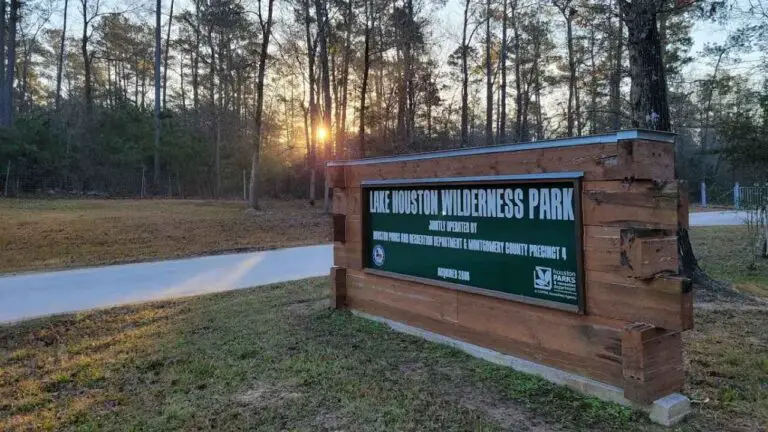
Lake Houston Wilderness Park makes sense when you want a bigger, more remote nature outing after a short city preserve. The change in scale is the point, because you move from a carefully managed urban sanctuary to a more expansive forested escape.
Spring Creek Nature Area works well for a quieter trail day when you still want native habitat and a walking route that feels less formal than a city park. It is a good fit if your goal is another easy nature stop without repeating the same exact kind of scenery.
Those parks fit into different parts of a Houston weekend, and the Arboretum sits in the middle as the most structured stop. You can start with the preserve, add a larger green space later, and still keep the day focused on outdoor time instead of driving all over the metro area.
If you want another Memorial Park-area route after the Arboretum, stay close to the western side of the city and build the rest of the day around green space instead of traffic. The slower pace gives you a better chance to notice the habitat changes that make Houston’s parks feel different from one another.
Houston Arboretum and Nature Center FAQ
Where is Houston Arboretum and Nature Center located?
The main address is 4501 Woodway Drive, Houston, TX 77024, and the second entrance is at 120 West Loop North on the 610 feeder road. The site sits on the western edge of Memorial Park, just miles from downtown Houston.
If you are coming from central Houston, the west-side location keeps the drive short and still gives you a clear break from the urban core. The Arboretum fits cleanly into a half-day plan without making the trip feel rushed.
Is admission free?
Yes, admission to the trails and the Nature Center is free. Parking is the main cost, and that fee is $6.50 unless you visit on a free parking day or use a member benefit.
That setup keeps the visit affordable even when you stay longer than you expected. You can spend your money on parking, food nearby, or nothing at all if you arrive on a free parking day.
What are the current hours and parking rates?
Grounds and trails are open daily from 7 am to 7:30 pm, and the Nature Center building is open daily from 9 am to 4 pm. Parking is $6.50, free on Thursdays and the Second Sunday of each month for all guests, and free year-round for members.
If you want the easiest plan, arrive early for a trail walk and save the indoor stop for the middle of the visit. That timing works especially well on hot days because the trail hours run longer than the building hours.
Are dogs allowed on the trails?
Yes, dogs are allowed on leash. That rule gives you a chance to bring a pet along without turning the preserve into a general dog park.
You still need to plan for the other trail rules, though. Bicycles are not allowed, jogging is not allowed, and the preserve does not have designated picnic areas, so the visit stays focused on walking and wildlife.
Can you bike or jog there?
No, bicycles and jogging are not allowed on the trails. The preserve is set up for walking, wildlife viewing, and slow movement rather than faster recreation.
That limitation actually helps if you want a quieter visit, because the pace stays more predictable for families and birdwatchers. It also makes the accessible paths easier to use without worrying about faster traffic on the trail surface.
How long do you need at Houston Arboretum and Nature Center?
A short visit can fit into one to two hours if you stick to an accessible trail and the Nature Center building. If you want to walk the Outer Loop at 1.76 miles and add a second habitat stop, give yourself more time.
The easiest way to judge the visit is by your group, not by the clock. A quick prairie loop, a stop in the Discovery Room, and a slow walk through one wetland section can feel complete without turning the day into a marathon.
Is the site accessible?
Yes, the site offers about 2 miles of accessible trails and accessible parking. Mobility devices are available to check out at the Nature Center building, and several short trails give you flatter ways to see the preserve.
The accessible trails are one of the easiest reasons to choose the Arboretum over a more rugged nature area. You still get native habitat, water, and birds, but you do not have to give up comfort or flexibility to enjoy the setting.
Can you bring food to Houston Arboretum?
You can buy snacks and drinks in the Nature Shop, but you should not plan on a picnic inside the Discovery Room or Nature Shop, and the Arboretum does not have designated picnic areas. The cleanest plan is to eat before or after your visit if you want a full meal.
That rule keeps the preserve focused on the trails and the wildlife instead of turning it into a general lunch stop. If you want a longer outing, you can always pair the visit with a nearby restaurant after you finish walking.
What wildlife can you see at Houston Arboretum?
You have the best chance of seeing birds, turtles, insects, fish, and other small wildlife around the ponds, wetlands, and riparian areas. The trails along Buffalo Bayou and the wetland boardwalks make those sightings easier because the habitat stays close to the path.
That is also why the quiet rules matter so much. A slower walk with no bikes or jogging gives you more time to notice movement in the grass, water, and trees.
Is the Discovery Room open every day?
Yes, the Discovery Room is open daily from 9 am to 4 pm. Weekday group reservations can limit access from 9 am to 1 pm, and summer lunch closures can affect the room for about an hour, so the official schedule is still worth checking before you go.
If you want the smoothest visit, treat the Discovery Room as your backup plan rather than your first stop. That way the trails stay at the center of the outing and the indoor space fills in the gaps when you need it.
How long is the Accessibility Hike?
The self-guided Accessibility Hike is a half-mile route, so it works well when you want the shortest formal walk on the property. It still gives you benches, accessible surfaces, and several points of interest without asking you to commit to a longer trail.
It works well as a first stop for visitors who want a quick look at the preserve before choosing a longer trail. You can use it as a warm-up, a cooldown, or the main walk if you only have a short window.
Houston Arboretum and Nature Center gives you a close-in nature break that is easy to plan and easier to enjoy once you arrive. If you want a low-cost outdoor stop with real trail variety, the combination of free admission, daily hours, and a strong accessibility setup makes the choice simple.