Galveston Railroad Museum: Hours, Tickets, and Tips
If you are planning a Galveston trip and want something that feels different from the beach and the Strand, Galveston Railroad Museum belongs on your list. You can step into restored railcars, wander a historic depot, and spend time with train history without needing to be a rail fan first.
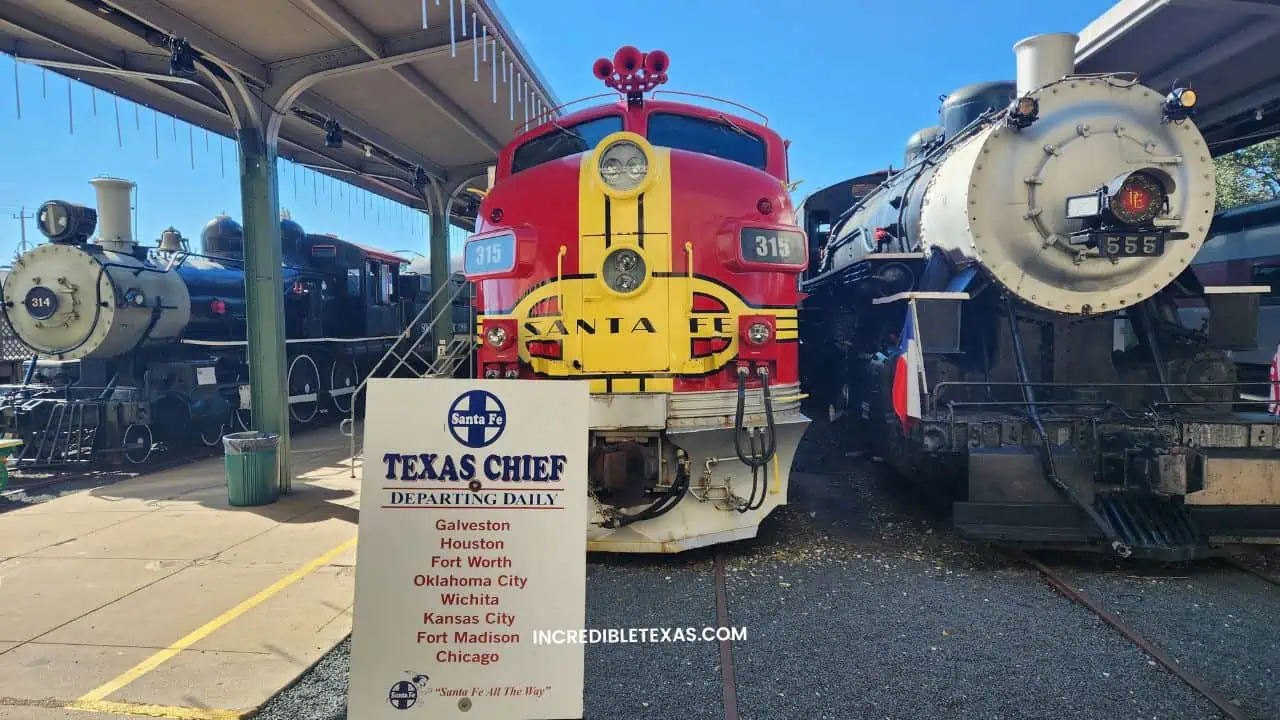
For most visitors, the museum works best as a 2- to 3-hour stop. You will have enough time for the main exhibits, a few photo breaks, and a slow look through the rail yard without feeling rushed.
Admission is straightforward, the museum is open daily, and the setting is easy to pair with lunch or a downtown walk. If this is your first visit, start with the rail yard and depot first, then decide whether you want to add a train ride.
If you are building a fuller island day, the museum also fits neatly with easy day-trip ideas from Houston and other Galveston stops.
| Quick fact | Galveston Railroad Museum visitor info |
|---|---|
| Address | 2602 Santa Fe Place, Galveston, TX 77550 |
| Hours | Open daily 10 AM to 5 PM, closed holidays |
| Admission | Adults $12; seniors 65+ and military $9; ages 3-12 $6; ages 2 and under free |
| Train rides | Weekend caboose rides on select dates, weather permitting |
| Parking | Visit Galveston lists parking as available, with free parking shown on the listing |
| Photo policy | Personal photos are welcome; professional shoots and special gear have fees |
| Accessibility | Sensory tours are offered, and some train experiences have historic-access limits |
| Best for | Families, train lovers, Galveston history fans, and half-day visitors |
The museum works especially well if you like places where the exhibits feel interactive instead of static. You are not just looking at railroad history behind glass; you are moving through train cars, a depot, and display spaces that give the island’s rail past some room to breathe.
What the Galveston Railroad Museum is and why it belongs on your itinerary
You’ll find a living history attraction built around the island’s rail legacy. The museum mixes preserved railcars, model trains, depot exhibits, and hands-on details so you can see how passenger rail once worked on the Gulf Coast.
The setting helps the experience. The museum sits in the historic rail district, and the collection is spread across a rail yard and depot environment that feels much closer to the original subject than a typical gallery would.
This stop works well when you want one visit that is educational without feeling dry. It also gives you a natural break from beach time, and the visit pairs well with more Galveston weekend ideas if you want to build a fuller island itinerary.
The official museum pages frame the attraction as a place where you can learn, board railcars, and explore the preservation story behind the collection. If you want the most current overview before you leave home, start with the museum home page and the About Us page.
- You get a mix of history, hands-on exploration, and family-friendly curiosity.
- You can move at your own pace without needing a guided tour to understand the basics.
- You can pair the museum with lunch, downtown Galveston, or a beach stop later in the day.
If you enjoy attractions that teach you something while still feeling playful, the museum fits that lane well. The collection has enough variety to keep adults engaged, but it still feels approachable for kids and casual visitors.
What you can see inside the Galveston Railroad Museum
The strongest part of Galveston Railroad Museum is the way the exhibits let you move from one rail-era space to another. You are not limited to one room, and you are not forced into a single linear exhibit path unless you want to move that way.
For many visitors, the most rewarding part is simply walking the rail yard and climbing aboard the restored cars. If you are planning a longer Galveston day, this is the stop that can feel most different from the rest of the island’s sightseeing, which is why it often works well with where to eat after the museum.
Restored railcars and the rail yard
The rail yard is the part most people picture first, and it earns that attention. You can move among restored railcars, look at the exterior details, and step into spaces that give the scale of old railroad travel some real presence.
The experience feels more immersive than reading a wall of facts because the railcars are physical, narrow, and full of texture. You notice the seats, the passageways, the hardware, and the way the cars were built to function around real passengers and freight.
That is the easiest place to slow down and take photos. If someone in your group likes architecture, industrial design, or vintage transport, this section will probably hold attention longer than expected.
The historic depot, model trains, and films
The depot space gives the museum its museum-like backbone, and it helps the visit feel organized instead of scattered. You can browse railroad memorabilia, advertising pieces, model trains, and timeline-style displays that explain how rail travel changed over time.
The museum also uses film and display space to keep the experience moving, which helps when you want a visit that stays interesting for children or for adults who like a mix of artifacts and storytelling instead of long text panels alone.
If your group likes the process of discovering one exhibit after another, this section will do a lot of the heavy lifting. It turns the museum from a simple train stop into a broader history stop with a stronger sense of place.
Garden of Steam, simulator time, and hands-on details
The Garden of Steam and the engineer simulator add a more playful layer to the visit. Those features are especially useful if you are bringing kids, because they give younger visitors something active to do between the quieter exhibits.
The hands-on elements are also a good reset for adults who want a lighter pace. You can step through the collection, try the simulator, and then return to the rail yard with a better sense of how the museum ties everything together.
Old equipment, interactive pieces, and open-air movement keep the attraction from feeling one-note. The museum still has enough range to work for mixed-age groups without asking everyone to enjoy the same thing in the same way.
How the museum feels for families
Families tend to do well here because the museum gives children clear things to look at without overwhelming them. Railcars, bells, buttons, stairs, and big machinery all do a lot of the engagement work before anyone needs to read a paragraph.
This helps when you are trying to keep a family outing moving. You can spend a little more time in the spaces that grab attention and keep the rest of the day flexible for snacks, rest stops, or a later walk on the seawall.
If you are planning a fuller weekend, you can also combine the museum with the rest of your Galveston weekend ideas so the museum becomes one strong stop instead of the whole day.
Galveston Railroad Museum hours, tickets, address, and parking
The practical details are simple, and that is part of the appeal. You can plan the visit without hunting through a maze of seasonal rules, and the official pages keep the basics easy to check before you drive over.
The museum’s Contact Us page is the best starting point for current hours and location details. Visit Galveston also lists the attraction with parking information, which helps when you are deciding whether to drive, rideshare, or build the stop into a longer downtown day.
| Practical detail | Current info |
|---|---|
| Address | 2602 Santa Fe Place, Galveston, TX 77550 |
| Phone | 409-765-5700 |
| Hours | Open daily 10 AM to 5 PM |
| Holiday schedule | Closed holidays |
| Adults | $12 |
| Seniors 65+ and military | $9 |
| Ages 3-12 | $6 |
| Ages 2 and under | Free |
If you are visiting on a weekday, the daily hours make it easy to choose a morning or afternoon arrival. If you are coordinating several Galveston stops, early afternoon often works best because you can pair the museum with lunch or a later walk through the district.
Parking is one of the easier parts of the trip. Visit Galveston lists parking on the museum page and shows free parking as an amenity, but Galveston’s downtown parking patterns can still change when events are active or traffic is heavy.
If you want a meal after your visit, the museum sits close enough to downtown options that a lunch stop is easy to add. Best restaurants in Galveston is a useful next step if you want to keep the day simple and stay nearby.
- Arrive with enough time to park, buy tickets, and still enjoy the rail yard.
- Check the official site again if you are visiting near a holiday.
- Use rideshare if you want to avoid any downtown parking uncertainty during a busy weekend.
If you want the most reliable current check before you leave, the museum’s official site is still the safest source. The schedule page, home page, and contact page together give you the fastest read on whether your chosen day looks normal.
Galveston Railroad Museum Train rides, RailFest, and seasonal events
Train rides are one of the biggest reasons many visitors add the museum to their Galveston plans. The Harborside Express page describes weekend caboose rides that typically run in the late spring and summer, weather permitting, and the experience has the kind of old-school charm that makes the museum feel alive.
The museum notes that tickets for the ride are separate from museum admission, and advance reservation is required for some ride experiences. If train time matters to you, check the schedule before you build the rest of your day, because ride availability is not the same as general admission.
You can read the latest ride and seasonal event information on the Harborside Express page and the museum home page. Those pages are where the museum posts the most useful updates about timing, blackout dates, and special programming.
RailFest and holiday programming also add variety to the calendar. The museum uses those events to bring in model train displays, family activities, and seasonal visitors, which gives you more than one reason to check the schedule before you go.
- Harborside Express works best when you plan the ride first and the rest of the museum visit around it.
- Seasonal programming can change the feel of the museum, so the calendar matters more here than it does at some other attractions.
- The holiday season can be especially busy because The Polar Express becomes part of the museum’s identity.
If you are visiting during another Galveston event weekend, the museum can fit neatly into a bigger island itinerary. A page like Galveston’s biggest event season is useful when you want the museum plus a festival or parade in the same trip.
The best approach is simple: treat the train ride as a bonus, not a guarantee. That way you can still enjoy the museum fully even if the ride schedule changes or weather shifts on the day you visit.
Galveston Railroad Museum Accessibility, photography, and practical visit tips
Accessibility information is on the official Education page, where sensory tours for autistic and special needs visitors are listed. This helps if someone in your group needs a smoother sensory or mobility experience.
Historic spaces can still create limits, especially around train access and older doorway widths. The museum’s holiday ride information also points out that some train experiences can involve step wells or other historic constraints, so plan with that in mind if stairs or narrow entries matter for your group.
Photography is welcome for normal visits, which is helpful because the rail cars and depot spaces are easy to photograph. The museum’s Policies page says professional shoots, tripods, lighting, props, and similar equipment fall under separate photo fees.
The photo policy also helps explain why casual visitors have a smoother time than formal shoots do. If you just want a family album, a travel feed, or a few rail yard photos, you are in the easy category.
- Bring a small bag so you can move easily through the depot and railcars.
- Use early or mid-day timing if you want a calmer visit.
- Accessibility: sensory tours are available for autistic and special needs visitors.
- Accessibility: confirm boarding access before a train ride if you use a wheelchair or mobility aid.
- Check the ride page before arrival if accessibility or train boarding details matter to you.
- Keep a backup plan for lunch or a beach walk in case you finish sooner than expected.
If you want to extend the day with a little fresh air, the museum pairs nicely with the island’s outdoor side. A stop like a beach stop if you want to extend the day can turn the museum into a much bigger Galveston outing.
Indoor history and outdoor island time create an easy full-day combination. You get a focused attraction first, then you can decide whether you want food, water views, or one more quick stop before heading home.
Is the Galveston Railroad Museum worth visiting?
Yes, especially if you like places that are easy to enjoy without a lot of prep. Galveston Railroad Museum gives you a solid half-day attraction with history, photo opportunities, and enough variety to keep most age groups interested.
The museum is strongest for travelers who want more than a quick walk-through. If you enjoy restored railcars, historic settings, and hands-on exhibits, you will probably feel good about the time you spent there.
It is also a smart choice for families because the layout naturally invites movement. Kids can look, climb, and explore, while adults can still get a sense of the island’s railroad past without committing to an all-day museum schedule.
If you are choosing between the museum and a beach-only day, the best answer may be to do both. Galveston makes that easy, and the museum gives the rest of the trip more depth than a single outdoor stop usually can.
- Choose the museum if you want a history stop that still feels hands-on.
- Choose the museum if you want a good indoor backup when the weather is hot or rainy.
- Choose the museum if your group likes trains, vintage equipment, or old depot spaces.
If you want a simple rule, think of this attraction as a strong fit for anyone building a larger Galveston day. It belongs alongside lunch, a downtown stroll, or an island drive, and it rarely feels like wasted time.
Galveston Railroad Museum FAQ
How long does it take to go through Galveston Railroad Museum?
Most visitors should plan on about 2 to 3 hours. A 2- to 3-hour window fits the rail yard, the depot, a few exhibits, and a relaxed pace through the main spaces.
If you want train rides, photos, or a slower family pace, plan closer to 3 hours. If you move quickly and focus only on the highlights, a shorter visit still works.
How much are tickets for Galveston Railroad Museum?
Adult admission is $12. Seniors 65+ and military pay $9, ages 3-12 pay $6, and children 2 and under are free.
If you are adding a train ride or a special event, expect separate ticketing for those extras. Checking the schedule page before you arrive helps you avoid any surprise add-on cost.
Does Galveston Railroad Museum have train rides?
Yes. The museum offers Harborside Express caboose rides on select weekends, usually in late spring and summer, weather permitting.
Rides are separate from regular admission, and the museum asks guests to check the schedule in advance. If the ride is important to your visit, make that the first page you open before you leave home.
Is Galveston Railroad Museum good for kids?
Yes, the museum is very family-friendly. The railcars, simulator, and hands-on history spaces give kids something to do, and the museum’s layout keeps the visit from feeling too formal.
That said, the best family visit still needs a little planning. Bring snacks, give yourself enough time, and keep an eye on the train schedule if you want the ride experience too.
What should you know before visiting Galveston Railroad Museum?
First, the museum is open daily from 10 AM to 5 PM and closes on holidays. Second, parking is listed on the Visit Galveston page, but you should still watch for busy downtown conditions if your visit falls near a festival or weekend rush.
Third, personal photos are welcome, while professional shoots and special equipment follow a separate policy. Fourth, accessibility is better than many historic sites because the museum offers sensory tours, but some train spaces still reflect the limits of older railcars and depots.
Is Galveston Railroad Museum worth visiting?
Yes, if you want a Galveston attraction that gives you history, movement, and a little bit of nostalgia without demanding a full day. The museum is especially worthwhile for families, train fans, and travelers who want one indoor stop that still feels active.
If you are already on the island for the beach, the museum adds depth to the trip and makes the day feel more balanced. That is a strong trade for travelers who want more than a simple photo stop.