Fulton Mansion State Historic Site: Hours, Tickets, and Tips
Fulton Mansion State Historic Site gives you a rare look at a late-19th-century coastal home in Rockport, Texas, with an 1877 mansion, a self-guided tour, and gardens on the same property.
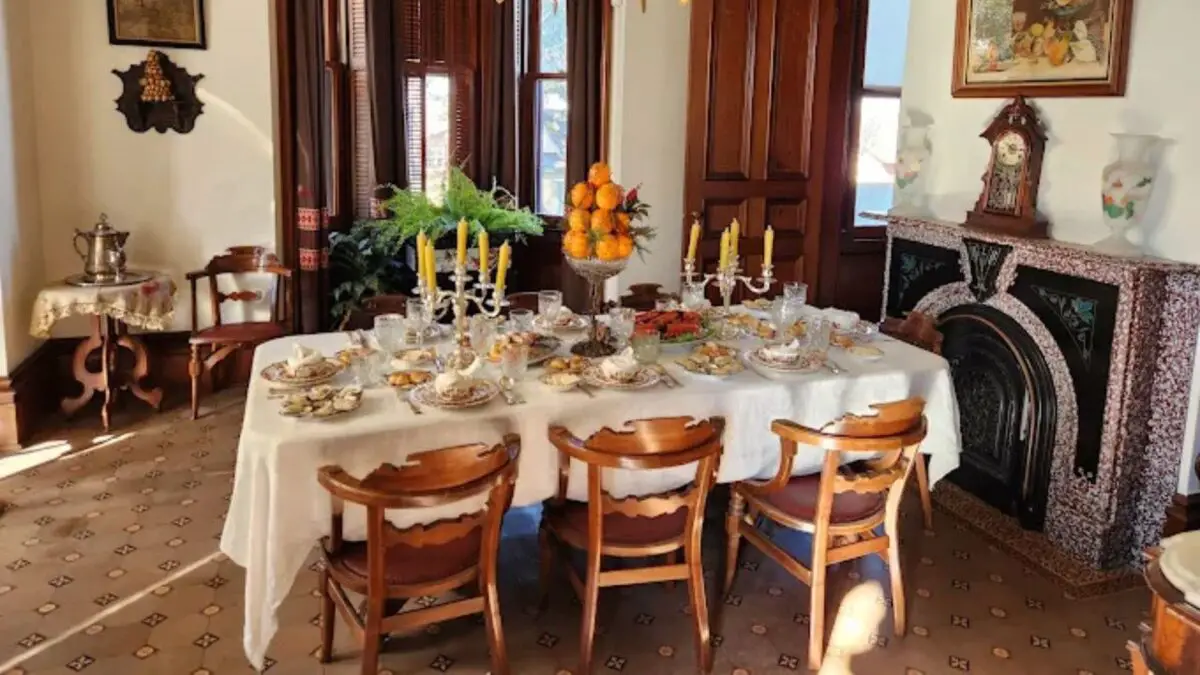
If you are planning a trip to the Rockport-Fulton area, you can see the house, the Education and History Center, and the grounds in about 45 minutes, then keep your day moving with nearby beaches, museums, or a short coastal drive.
Quick Facts About Fulton Mansion State Historic Site
The official visitor page lists Fulton Mansion State Historic Site in Rockport and places the public tour on a year-round schedule.
If you are building a wider Aransas County itinerary, you can start with Things to do in Aransas County and use the mansion as your history anchor.
| Quick fact | Visitor detail |
|---|---|
| Address | 317 S. Fulton Beach Rd., Rockport, TX 78382 |
| Public hours | Tuesday through Saturday, 10 a.m. to 4 p.m.; Sunday, 1 p.m. to 4 p.m. |
| Tour length | About 45 minutes |
| Admission | Adult $7; senior, veteran, teacher, and first responder $6; child ages 6-17 $4; ages 5 and under free |
| Reservations | Walk-ins for public tours; group reservations at least two weeks ahead |
| Accessibility | First floor lift or steps, second floor stairs, Education and History Center fully accessible |
| First-visit tip | Start at the Education Center, then move into the house and gardens at a steady pace |
First-time visitors should check the hours, buy or confirm a ticket at arrival, and walk through the tour without rushing it.
The site works best as a focused stop rather than a long all-day attraction. That pacing keeps it easy to fit into a beach or downtown Rockport plan.
The house is compact enough that you can understand it in one visit, but it still rewards a slow look at the details. If you care about Texas history, coastal architecture, or family stories that tie business success to a single place, you will probably leave with a stronger sense of how Rockport grew around the Fultons.
For a quick official reference, the official Fulton Mansion site keeps the current address, prices, and visitor details in one place. That page is the best place to check before you leave if you want the latest operating schedule.
If you are timing the rest of the day around the mansion, give yourself a little cushion before and after the tour. A thirty-minute buffer before arrival and another half hour after you leave is usually enough to handle parking, the ticket window, and any extra time you want on the lawn or in the shop.
The History of Fulton Mansion State Historic Site and the Fulton Family
In 1840, East Coast entrepreneur George Fulton married Harriet Smith, the daughter of Henry Smith.
The family eventually turned Harriet’s land inheritance on Aransas Bay into a ranching and meatpacking empire.
The mansion became a physical expression of that success, and the family called the house Oakhurst because of the windswept oaks around the property.
The mansion rose between 1874 and 1877 and became the showpiece of the town that took the Fulton name. It later passed through several different uses, including a private residence, a restaurant, a trailer park backdrop, and a recreation center, before Texas Parks and Wildlife Department acquired it in 1976 and the Texas Historical Commission took over the property in 2008.
That long list of later uses is part of why the site feels so layered today. You are not looking at a home that stayed frozen in one family’s hands forever; you are looking at a property that survived reinvention, neglect, and recovery before it became a preserved historic site.
The official history page describes the house as a French Second Empire residence with advanced mechanical systems for its time, including gas lighting, central heating, and indoor plumbing with hot and cold running water. Those details matter because they show how ambitious the house was for the Texas coast, and they still help you understand why the site feels so different from a standard historic home.
George Fulton was more than a landowner. His business story explains the engineering focus inside the house, and the mansion reads like a physical business card for the Fultons’ coastal empire.
The mansion is also a Recorded Texas Historic Landmark and appears in the National Register of Historic Places, which gives the site an added preservation story beyond the family history. If you are basing yourself farther up the coast, things to do in Corpus Christi can pair well with this stop and turn the mansion into part of a longer coastal route.
If you want the official narrative behind the house’s origins and later restoration, the official history page gives you the clearest summary. Reading that first makes the visit more meaningful because you already know the family, the architecture, and the engineering story before you step inside.
When you look at the mansion as a coastal landmark, the bay setting matters as much as the family story. The house sits in a place where shipping, ranching, and tourism all crossed paths, so the property tells you something about the economy of the Texas coast, not just one family.
When you arrive knowing that the house was built to signal wealth and technical ambition, the details feel more deliberate. You are not just touring an old home; you are looking at a coastal business family’s statement piece, and that context changes how you read the trim, the roofline, and the scale of the place.
Fulton Mansion State Historic Site Hours, Tickets, and Tour Format
The public tour runs Tuesday through Saturday and Sunday on a regular year-round schedule. The last ticket is sold at 3:15 in the afternoon, so you should plan to arrive before the cutoff.
You can treat the site as a year-round visit instead of trying to time a seasonal opening window.
The timing works well for a half-day trip because you can finish the mansion before lunch or use it as the first stop before beach time.
If you are coming from another part of South Texas, the Sunday window gives you a softer landing when a weekday outing does not fit your schedule. A late-morning arrival also leaves room for lunch in Rockport or a shoreline stop after the house.
| Ticket type | Price |
|---|---|
| Adult | $7 |
| Senior, veteran, teacher, first responder | $6 |
| Child ages 6-17 | $4 |
| Child ages 5 and under | Free |
| Family | $14 |
Public tours are walk-ins only, so you do not need to reserve a solo visit in advance. If you are bringing a group, the site asks you to reserve at least two weeks ahead by phone or by using the form on the visitor page.
That reservation setup matters if you are planning a school outing, family reunion, or club visit. You can still enjoy the house without a reservation, but the group process gives the staff enough time to handle a larger party and keep the experience from feeling crowded.
The mansion also offers structured group experiences. Adult group tours run for about an hour, handle 10 to 30 adults, and cost $4 per person, which makes them a good option if you are organizing a club outing, family gathering, or a small history-focused trip.
If you want to verify the current schedule before you leave home, the official plan-your-visit page keeps the hours, prices, and reservation notes in one place. That page is also the cleanest source for the public tour window if you are deciding whether to go on a Sunday or a weekday.
For a smooth first trip, aim to arrive early enough that you are not trying to squeeze in at the end of the ticket window. You will have more breathing room to walk the grounds, use the Education Center, and still leave time for Rockport Beach or another coastal stop afterward.
What You Will See on a Visit
Your visit starts in the Education Center, where the Fulton family story is introduced before you move to the mansion itself. The public experience is self-guided, so you can slow down at the rooms that interest you most and keep moving when you are ready for the next space.
That self-guided format helps if you like to read plaques closely or pause at a window for the bay view. It also helps if you are traveling with someone who wants a faster pace, because you can move through the rooms in a way that feels natural instead of waiting for a fixed group rhythm.
The exterior is the part most people remember first. The mansion’s mansard roof, ornate trim, and bayfront setting give you a clear example of French Second Empire style, and the scale of the house makes more sense once you learn that it was built between 1874 and 1877 for a family with a major Gulf Coast business story.
Look at the house as an example of taste and technology working together. The roofline and trim signal status, while the mechanical systems signal confidence in modern conveniences, and together they show why the house stood out when it was new and why it still stands out now.
Inside, the value of the house is not just decorative. You can connect the building to gas lighting, central heating, and indoor plumbing with hot and cold running water, which were unusually advanced comforts for the region at the time.
Those features tell you as much about the family’s place in Texas history as the portraits and rooms do.
The gardens are part of the visit rather than a side note. After the interior tour, you can spend a little time outside, look back at the house from the lawn, and then decide whether your next move is the shoreline, the museum district, or a short drive toward Port Aransas.
If you like taking pictures, the lawn and exterior give you the easiest angles on the house without needing to move fast. A few slow minutes outside can also help you reset after the interior rooms, which makes the next stop on your coastal route feel less hurried.
Because the tour is self-guided, the grounds give you a natural reset before you move on. You can read the house more carefully when you step back into the open air, and that breathing room often makes the visit feel calmer than a tighter museum schedule would.
If you want to turn the mansion stop into a fuller coastal day, Things to do in Port Aransas gives you a practical next leg for your itinerary.
History in the morning and water or beach time in the afternoon is an easy fit for the route. You can keep the mansion as the anchor and let the rest of the day stay flexible.
You will get more from the visit if you move slowly enough to notice the house as a system, not just a pretty façade. The engineering details, the family setting, and the garden grounds all fit together, and that is what makes the site feel like a lived-in story rather than a static exhibit.
Fulton Mansion State Historic Site Accessibility, Parking, and Visitor Tips
The Fulton Mansion State Historic Site has limited accessibility, so it helps to plan based on the exact areas you want to see. The first floor is accessible via a wheelchair lift or a few steps, the second floor requires a full flight of stairs, and the basement also has a few steps down.
If you or someone in your group has trouble with stairs, you can still have a worthwhile visit by focusing on the accessible parts of the site. The Education Center, the grounds, and the first-floor experience cover enough of the story that you do not need every room to understand the mansion.
The Education and History Center is fully accessible, which gives you at least one comfortable stop even if the house itself is a partial visit. Outside, the site warns visitors about uneven paving stones and sidewalks, so sturdy shoes are a better choice than anything you would wear for a polished downtown museum visit.
Visitor parking is available at the corner of Henderson and Nancy Ann streets, and restrooms plus the museum gift shop are located in the Education and History Center. Food and drinks are not available on site, but picnic tables sit on the south side lawn under a large oak tree, and you can bring a picnic as long as you take your trash with you and keep food and drinks out of the house.
The official visitor page does not publish a pet policy, so call ahead if you are traveling with a dog or another pet [UNVERIFIED]. If stairs are difficult for someone in your group, use the accessible center, the ground-level spaces, and the gardens rather than assuming the whole house will work for your visit.
If you need a flatter outdoor alternative after the mansion, Mustang Island State Park gives you a useful backup plan for the rest of the day. That kind of swap can keep the trip enjoyable if you want coastal scenery without more stairs.
For a first-time visit, it helps to think about comfort before timing. Arrive in shoes you can walk in, keep the picnic idea for the lawn rather than the house, and use the Education Center as the place where you regroup before or after the mansion tour.
Nearby Things to Do in Aransas County and Rockport-Fulton
Rockport-Fulton gives you a compact coastal base, so the mansion can sit inside a much bigger half-day or full-day route. Corpus Christi is 35 miles from the mansion, so you can work the site into a city-to-coast plan without spending hours in the car.
Rockport-Fulton Chamber location page gives you the broader area reference if you want to verify the coastal base before you leave.
If you want a slower pace, Rockport gives you enough small-town time to fill a morning without turning the day into a rush. You can pair the mansion with lunch, a beach walk, or a short museum stop and still keep the afternoon open for whatever the weather looks like.
If you want to stay close to the mansion, the easiest next stops are Rockport Beach, the Texas Maritime Museum, and Rockport Center for the Arts. A county-level plan also helps if you want to mix history and nature without overthinking the route, so the broader Aransas County guide is the right kind of background reading before you head out.
Beach time also fits naturally after the mansion. best beaches in Corpus Christi can fill the second half of a coastal itinerary if you want sand, water, and a slower finish after the history stop.
If you prefer birding, fishing piers, or a quieter shoreline pace, the Rockport-Fulton area gives you enough choice to keep the day flexible. That flexibility is useful because you can leave the mansion, decide how much energy you still have, and then choose between a museum, a beach, or a shorter scenic drive.
If you are still deciding how far to push the trip, the Texas Time Travel coastal bend road trip gives you a useful way to see how Fulton Mansion fits into the broader heritage corridor. Texas Time Travel’s South Texas Coastal Bend road trip
For visitors who want a straightforward plan, the mansion works best as the first fixed stop of the day and the beach or museum stops come after it. That order lets you handle the 45-minute tour first, then leave yourself open for lunch, a shoreline walk, birding, or one more short drive before sunset.
If you are traveling with kids, that same order works well because the mansion gives the day a clear start and the beach or museum gives it a looser finish. You do not need to fill every hour to make the trip feel worthwhile; a single historic house, one extra stop, and a relaxed meal are enough to make the coast feel like a real getaway.
If you want to keep the trip simple, you do not need to chase every attraction in one day. A house tour, one museum or beach stop, and dinner in Rockport or Corpus Christi is enough to make the area feel complete without turning the day into a rush.
Rockport-Fulton is small enough that you can keep the day relaxed, but it still rewards a little structure. If you want history, water, and a reasonable amount of driving in one loop, the mansion is an easy place to start and a strong reason to slow down long enough to enjoy the coast properly.
Fulton Mansion State Historic Site FAQ
How long is Fulton Mansion tour?
The public tour is about 45 minutes. If you like reading the room details, looking at the gardens, or taking photos outside, give yourself extra time beyond the tour itself so you are not rushing through the grounds.
How much are tickets at Fulton Mansion State Historic Site?
Adult tickets are $7, senior, veteran, teacher, and first responder tickets are $6, child tickets ages 6-17 are $4, and children 5 and under are free. The family rate is $14, which makes the site a manageable stop if you are traveling with kids.
Who built Fulton Mansion in Rockport?
George Fulton and Harriet Smith Fulton built the mansion.
George built wealth through ranching and meatpacking on Aransas Bay, and the house became a showpiece for that family story when construction wrapped up in 1877.
Can you tour Fulton Mansion without a reservation?
Yes, if you are visiting as an individual or a small walk-in party, you can tour without a reservation during public hours. If you are planning a group visit, the site asks for reservations at least two weeks ahead, so that is the moment when advance planning matters.
What is Fulton Mansion known for?
The mansion is known for its Victorian coastal architecture, the Fulton family history behind it, and the unusually advanced comforts built into the house, including gas lighting, central heating, and indoor plumbing. Those features make the site a strong example of how wealth, engineering, and Texas coast history overlap in one place.
If you want the simplest answer, the site is worth your time when you like history with specific details instead of a generic old-house tour. You can learn the story quickly, move at your own pace, and still leave with enough context to make the rest of your Rockport day feel more connected.
That combination of a short tour, a fair ticket price, and easy coastal add-ons is what makes the stop practical for a day trip. You can keep the visit brief or stretch it with one more Rockport stop, and either version still gives you a solid sense of why the mansion matters.
If you are comparing this stop with other coastal attractions, the mansion is strongest when you want history with a clear beginning and end. You can visit without a reservation, spend a modest amount, and still leave with a stronger sense of how Rockport and the Fulton family shaped the shoreline.
If you want the easiest version of the day, keep the mansion visit simple and leave room for one extra coastal stop. That pace gives you the history, the bay air, and enough flexibility to enjoy Rockport without rushing the rest of the trip.