Friedrich Wilderness Park San Antonio TX: Trails & Rules
Friedrich Wilderness Park San Antonio TX is one of the city’s best choices for hikers who want rocky Hill Country terrain, birdwatching, and a quieter outdoor experience without leaving Bexar County. The park is a city natural area, not a state park, and it works especially well for visitors who want a real trail outing rather than a manicured city stroll.
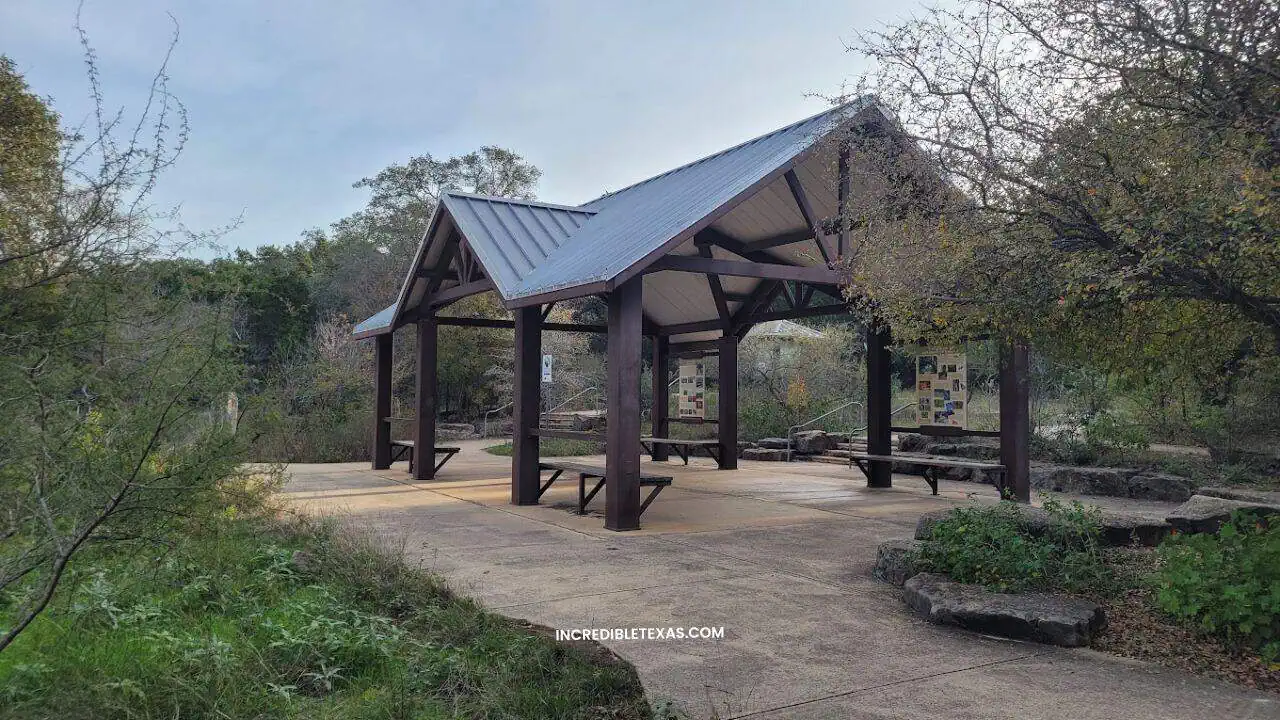
The Friedrich Wilderness Park is open daily from sunrise to sunset, the trail network covers about 10 miles, and the setting is best for walking, hiking, and birding. The official city page also notes important rules that shape the visit, including no dogs, no bikes, no fires, and no smoking, along with wet-trail closures after rain.
For travelers comparing San Antonio outdoor options, the park belongs on the same short list as the city’s top nature stops, including the picks in 15 Best Things to Do in San Antonio. Friedrich stands out because it feels more rugged than most urban parks and because the trail system rewards early starts, sturdy shoes, and a little planning.
Quick Facts for Friedrich Wilderness Park
The Friedrich Wilderness Park’s most useful details fit neatly into a quick planning table. Visitors can use it to decide whether the trip fits a morning hike, a birding stop, or a longer San Antonio outdoor day.
| Quick Fact | Details |
|---|---|
| Official name | Friedrich Wilderness Park |
| Address | 21395 Milsa Dr, San Antonio, TX 78256 |
| Setting | City natural area in northwest San Antonio |
| Hours | Daily, sunrise to sunset |
| Trail mileage | About 10 miles of trails |
| Facilities | Parking, restrooms, and water fountains at the entrance |
| Rules | No dogs, no bikes, no fires, no smoking; pedestrians only |
| Weather note | Wet trails close until they dry |
| Best use | Hiking, birdwatching, and quiet nature time |
| Fee | No fee is listed on the official page; third-party trail directories list free access |
The park’s official city park page is the best place to confirm the basics before heading out, especially if weather or maintenance could affect trail access. The city’s trail accessibility map page also helps visitors compare terrain and trail surfaces before choosing a route.
According to the city’s natural areas system, Friedrich works best as a protected trail outing rather than an all-purpose picnic park. That role is one reason it fits cleanly into a broader Bexar County day, especially alongside Bexar County attractions and day plans.
Friedrich Wilderness Park Trail System and Accessibility
Friedrich Wilderness Park is known for a trail network that feels more natural and less polished than many city parks in San Antonio. That is a major reason hikers, runners, and birders keep returning: the park delivers rocky terrain, elevation changes, and a true Hill Country feel inside the city limits.
The city describes the park as containing roughly 10 miles of trails, and the route options range from easier walks to steeper loops that demand a stronger pace. The terrain is a better fit for visitors who are comfortable with uneven ground and who want a more adventurous outing than a flat neighborhood path.
According to the city trail-accessibility map page, the maps note grade, cross slope, surface, and tread width. Those details matter on Friedrich because the trail character changes from one segment to the next, and a shorter route can still feel demanding if the surface is rocky or steep.
For a map-based overview, the park’s official trail map PDF helps visitors see the network as a whole. The park is not built around one signature loop; it is built around several trail choices that can be combined into longer or shorter outings.
| Popular Route | Approx. Length | Typical Effort | Best For |
|---|---|---|---|
| Main Loop to Restoration Way Trail | 5.6 miles | Moderate | Longer hikes, perimeter views, stronger walkers |
| Main Loop, Bosque Loop, and Vista Loop | 3.0 miles | Moderate | Balanced first visit with variety |
| Main Loop to Vista Loop to Fern Del Trail | 2.6 miles | Moderate | Shorter outing with a little variety |
| Main Loop and Juniper Trail | 2.5 miles | Easy to moderate | Faster visits and trail sampling |
The AllTrails park listing is a useful planning check because it shows how many hikers use the park for different trail lengths and effort levels. It also shows why the park appeals to both casual walkers and more committed hikers: there are easier starter routes and longer perimeter routes in the same system.
Texas Hiking describes the park as having multiple difficulty levels and notes that the trailhead area includes paved paths and accessible trail segments. That combination matters because the park can still be part of a city outing for visitors who want a shorter nature stop rather than a full-day backcountry hike.
How to choose a route
Visitors with limited time usually do best with one of the shorter routes, because the park is easier to enjoy when the plan leaves room for slow pacing, photo stops, and a return to the entrance before the day warms up. The 2.5-mile and 2.6-mile options fit that style well, especially for first visits and weekday hikes.
Visitors who want a stronger workout can aim for the 3.0-mile or 5.6-mile options and treat the park as the main event for the morning. Those longer routes are a better match for hikers who already know they handle hills, heat, and rocky ground comfortably.
What the accessibility map helps visitors compare
The accessibility map is useful even for healthy hikers because it explains the physical shape of the trails instead of leaving that detail to guesswork. Grade and cross slope matter on a trail like this, and tread width helps visitors gauge whether a route will feel open, narrow, or more technical in spots.
That level of detail is especially helpful for mixed-age groups. A parent, grandparent, or cautious first-time hiker can choose a route that still feels rewarding without starting on the park’s most demanding segments.
Friedrich Wilderness Park Rules, Closures, and What to Bring
The rules at Friedrich Wilderness Park are straightforward, but they matter because the park is managed as a protected natural area rather than a casual neighborhood green space. Visitors should plan around the rules before arrival so the visit stays focused on hiking, wildlife, and trail safety.
- No dogs are allowed.
- No bikes are allowed.
- No fires are allowed.
- No smoking is allowed.
- Only pedestrians are allowed on the trails.
- Wet trails close until they dry.
The wet-trail rule is especially important in San Antonio because a short storm can change conditions quickly. A trail that looks open in the morning can become muddy or unsafe after rain, so visitors planning a weekend hike should check conditions before driving over.
Visitors will have a better time with sturdy footwear, water, and a light plan instead of a heavy pack. The ground can be rocky, the grades can rise and fall, and the lack of pet access means the park is best for hikers who want a focused outdoor walk rather than a mixed-use park day.
Sun protection matters here as much as trail choice. The park’s hills and open stretches can feel hot fast, so a hat, sunscreen, and extra water are the simplest ways to keep a short hike comfortable.
The no-bike, no-fire, and no-smoking rules also keep the setting closer to a conservation area than a casual neighborhood park. That is part of what makes the visit feel quieter and more deliberate than many other city outdoor spaces.
For visitors who want a fuller city route after the hike, Bexar County attractions can fill the rest of the day without turning the trip into a long drive. The route can continue into food, history, or urban parks after the trail visit.
That is also why Friedrich fits naturally alongside other city outdoor stops in top parks in San Antonio: it serves a specific role in the city’s park system. Visitors who want a calmer, less rugged stop can choose a different park, while hikers looking for a real terrain workout can come here first.
Friedrich Wilderness Park Birdwatching, Wildlife, and Landscape
Birdwatching is one of the park’s biggest strengths, and it is one of the clearest reasons the area has a reputation beyond standard city hiking. The habitat supports native wildlife, and the city has long promoted the park as a natural area where birds and native plants are part of the experience rather than a bonus.
Two birds come up often in official and trail-based references: the black-capped vireo and the golden-cheeked warbler. Their presence signals the value of the habitat and explains why the park is treated as a conservation-sensitive space rather than a multi-use recreation field.
The landscape is part of the appeal too. Expect limestone terrain, scrubby Hill Country vegetation, and a quieter environment than most central San Antonio parks, which gives the area a more remote feel than its city address suggests.
Texas Hiking’s park listing is a useful cross-check for visitors who want a quick summary of the trail-day basics before arriving. It reinforces the same practical idea: Friedrich is a nature destination first, and the hike feels best when the plan stays simple.
Birders usually get the best results by moving slowly, pausing near quieter sections, and keeping noise low. A pair of binoculars helps, but patience matters just as much because the park rewards visitors who treat the outing like a wildlife walk instead of a speed hike.
Seasonal timing also matters. Cooler mornings are the easiest time to hear bird activity, while hotter afternoons can shift more attention toward shade and hydration than toward scanning the canopy.
For visitors who enjoy wildlife-focused outings, the park is a strong match for a broader Bexar County day that also includes other things to do in Bexar County. That makes the park useful for a morning hike followed by lunch, museums, or an easy city drive without turning the day into a long road trip.
Visitors looking for a wider outdoor itinerary can also compare Friedrich with the best state parks in Texas. The comparison is useful because Friedrich is smaller and more urban than the major state parks, but it still delivers a serious trail environment and a strong nature payoff.
How to Plan the Visit to Friedrich Wilderness Park
The best Friedrich Wilderness Park visits usually start early, especially in warmer months. Morning light keeps the trail experience cooler and calmer, and it also gives hikers the best chance to enjoy bird activity before the day heats up.
Parking is available at the entrance, and the entrance area also holds the restrooms and water fountains. That makes the parking lot the most practical place to reset before a hike, especially for visitors who want to decide whether the day should be a short loop or a longer perimeter route.
Families and first-time visitors should treat the park as a hiking destination first and a picnic destination second. The trail network is the main attraction, and the park’s no-dogs, no-bikes, and no-fires rules make it a better fit for walkers than for casual all-day hangouts.
Travelers building a bigger local plan can connect the park to the city’s broader outdoor list in San Antonio attractions or pair it with the city’s overall park roundup in San Antonio parks. That is a clean way to turn one hike into a fuller city day without overcomplicating the route.
Visitors comparing trip options across the city can also use the park as a quick reference point before moving on to more urban stops, especially if the goal is to balance nature with restaurants or sightseeing. The park’s northwest location makes that easy to do without much backtracking.
The city’s accessibility tools are worth checking before arrival, since the trail accessibility map page explains how the system measures grade, cross slope, surface, and tread width. That detail helps visitors choose a route with a better match for their comfort level instead of guessing once they are already at the entrance.
A practical half-day plan
A simple half-day schedule works well for most visits. Arrive early, check the trail map at the entrance, and choose the shortest route that still feels satisfying for the group’s pace and fitness level.
- Early morning: park, use the restroom, and check trail conditions.
- First hour: take the route that matches the group’s energy and heat tolerance.
- Midmorning: pause for water and birdwatching near quieter sections.
- Before noon: return to the entrance, especially during warm weather.
That kind of plan keeps the outing focused on the park itself instead of stretching the day too thin. It also leaves time for lunch, downtown sightseeing, or another stop elsewhere in San Antonio.
For visitors who want a more complete county itinerary, the park also fits neatly into a broader Bexar County route that can include food, history, and urban parks after the hike. That keeps the outing flexible without adding much extra drive time.
Nearby San Antonio Pairings and Alternatives
Friedrich Wilderness Park works well as a standalone nature stop, but it also pairs neatly with several San Antonio-area itineraries. The best comparisons are the ones that help visitors choose between rugged hiking, city sightseeing, and broader regional outdoor days.
For visitors who want another outdoor option with a different feel, McKinney Falls State Park offers a more state-park-style experience with water, camping, and a bigger recreational footprint. Friedrich is the better fit for a shorter city hike; McKinney Falls is the better fit for a classic state-park outing.
For visitors who want to stay focused on the city, San Antonio’s park system provides plenty of alternatives after a Friedrich hike. San Antonio Magazine’s park profile is a helpful companion piece for visitors who want a broader look at the city’s outdoor spaces and how Friedrich compares with other local favorites.
For visitors who want a more general San Antonio park browsing session, the city’s larger list of green spaces in top parks in San Antonio can help narrow the choice. Friedrich belongs on that list because it is one of the city’s most distinct trail parks, not because it tries to do everything at once.
That distinction matters when planning transportation and time. Visitors who want a quick hike and a clear return to the city will usually prefer Friedrich; visitors who want camping, swimming, or an all-day park program will usually choose a different destination.
Friedrich Wilderness Park Frequently Asked Questions
How long is Friedrich Wilderness Park?
The Friedrich Wilderness Park’s trail system covers about 10 miles in total. That gives visitors enough variety to choose a short outing or a longer hike without needing to leave the city.
AllTrails listings show several common route lengths, including a 2.5-mile route, a 2.6-mile route, a 3.0-mile route, and a longer 5.6-mile route. According to those listings, the park gives visitors a practical spread of distances that can fit a short morning or a stronger workout.
Are dogs allowed at Friedrich Wilderness Park?
No dogs are allowed. The park is managed as a protected natural area, so the rules keep the trails focused on hikers, wildlife, and conservation.
That rule also helps protect the habitat and keeps the trail experience quieter than most urban parks.
What are the hours for Friedrich Wilderness Park?
The park is open daily from sunrise to sunset. The schedule suits daylight hikes rather than evening outings.
Visitors who want cooler temperatures usually have the best experience in the morning or late afternoon, but the trail closure rules after rain matter just as much as the clock.
Is Friedrich Wilderness Park free?
The official city page does not list an entrance fee. Third-party trail directories list the park as free access, so visitors usually treat it as a no-cost outdoor stop.
Because fee rules can change, the official city page remains the safest place to confirm the current status before a visit.
What birds can be seen at Friedrich Wilderness Park?
The park is known for birding and for habitat that supports species such as the black-capped vireo and the golden-cheeked warbler. Those birds are a big reason the park gets frequent attention from hikers and naturalists.
Bird activity changes with season and weather, so the best birding day is usually the one with a quiet start, light wind, and a little patience on the trail.
Bottom Line
Friedrich Wilderness Park San Antonio TX is one of the city’s strongest choices for visitors who want a real hike, a birding-friendly natural area, and a trail system that feels more rugged than most urban parks. It is best for people who are happy with rocky ground, early starts, and a simple plan built around walking.
The park’s mix of sunrise-to-sunset hours, about 10 miles of trails, and conservation-focused rules makes it a clear fit for hikers and wildlife watchers. For travelers comparing San Antonio outdoor options, it offers a focused and memorable alternative to bigger, busier park experiences.
The park’s northwest location also makes arrival straightforward for visitors coming from the city center, Stone Oak, or the far west side. That convenience is part of the park’s appeal as a half-day nature stop.
That focus is also what makes the park easy to recommend for repeat visits. A first trip can be a short loop and a quick wildlife walk, while a second trip can be longer, slower, and more route-focused once the visitor knows where the steeper sections feel most demanding.
The park gives visitors a defined start, a defined pace, and a defined finish. The route structure leaves room for a real workout, a birding pause, and a calmer side of San Antonio.
That clear layout also helps first-time visitors choose a route faster, since the decision usually comes down to distance, heat tolerance, and how much time the group wants to spend on the trail.