Brackenridge Park San Antonio TX provides 343 acres of public green space along the upper San Antonio River just north of downtown. The historic park serves as a community hub featuring miles of shaded river trails, historic stone bridges, picnic pavilions, and direct connectivity to leading cultural destinations.
Key takeaways
- Brackenridge Park is completely free to enter and open daily from 5:00 AM to 11:00 PM.
- Free vehicle parking is available across multiple surface parking lots and inside the multi-level Tuleta Drive parking garage.
- Major destinations within the park borders include the San Antonio Zoo, the Japanese Tea Garden, and the historic Brackenridge Eagle miniature train.
- The park protects significant Texas archaeological history spanning 12,000 years of indigenous river settlement and Spanish colonial irrigation systems.
- Leashed dogs are welcome along trails and picnic lawns, while bank fishing along the river is permitted with a valid state fishing license.
Quick Facts About Brackenridge Park
Brackenridge Park is open daily from 5:00 AM to 11:00 PM with free public admission at 3700 North Saint Marys Street. Spanning 343 acres along the San Antonio River, the municipal property offers shaded walking trails, open picnic fields, playgrounds, and free parking near top attractions like our featured San Antonio Zoo visitor guide.
George Washington Brackenridge donated 199 acres of his riverfront estate to the city in 1899 to establish a park for all citizens. Subsequent land acquisitions expanded the park footprint to its present size, preserving ancient cypress trees and freshwater springs.
Today, the park balance passive recreation with cultural institutions. Visitors can spend an entire afternoon relaxing along riverbanks or touring nearby museums without paying gate fees.
Park Hours, Free Admission, and Parking Access
Checking brackenridge park hours confirms that the property operates on an expansive schedule, welcoming visitors seven days a week from 5:00 AM until 11:00 PM. Park police patrol the grounds regularly to ensure visitor safety and enforce closing times.
General admission into the park is completely free, making it one of the most accessible recreational escapes in Bexar County. Commercial institutions inside the park perimeter, such as the zoo and golf course, maintain separate admission charges.
Navigating brackenridge park parking is simple thanks to free municipal lots distributed along park roads. The largest parking resource is the multi-level parking garage located on Tuleta Drive adjacent to the zoo entrance, which provides free parking stalls throughout the day.
Additional surface spaces line Wilderness Way, Avenue B, and North Saint Marys Street. On busy holiday weekends, parking fills early, making morning arrival or afternoon turnover the best windows to claim a spot.
Top Things to Do in Brackenridge Park
The variety of things to do in brackenridge park appeals to multi-generational family groups, fitness enthusiasts, and nature photographers. Shaded walking loops skirt the river, passing beneath centuries-old bald cypress and pecan trees.
Families frequently congregate near the playground zones, which feature modern climbing structures and swings situated under protective tree canopies. Nearby, covered stone pavilions and open-air charcoal grills support family barbecues and weekend celebrations.
A short walk across the park leads visitors to the sunken floral walkways of the San Antonio Japanese Tea Garden visitor guide. This free botanical attraction occupies a reclaimed limestone quarry and features cascading waterfalls, stone bridges, and koi ponds.
Golfers can reserve tee times at the Brackenridge Park Golf Course, the oldest 18-hole public golf course in Texas. Established in 1916, the course served as the original home of the Texas Open and houses the Texas Golf Hall of Fame.
The Brackenridge Eagle Miniature Train Experience
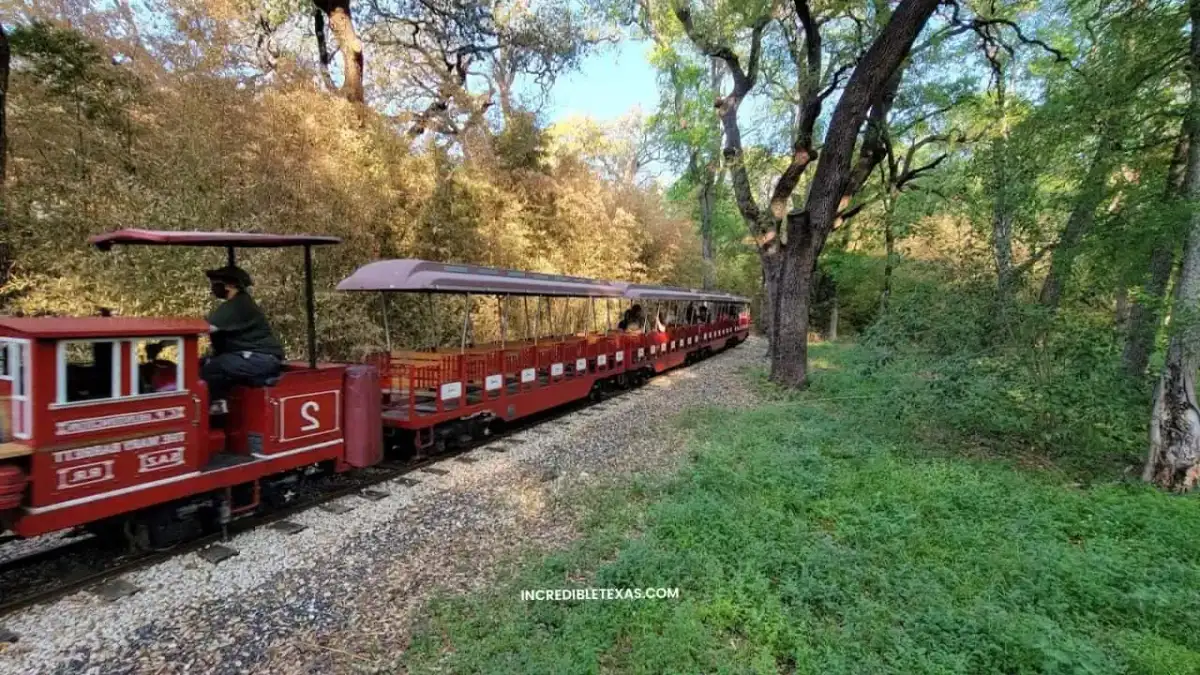
Riding the historic brackenridge park train has been a cherished San Antonio tradition since the railway began operation in 1956. The miniature locomotive pulls passenger cars along a 3.5-mile narrow-gauge loop around the park perimeter.
The train journey takes approximately twenty minutes, crossing river trestle bridges and passing scenic viewpoints near the Witte Museum and river bends. Open-air cars provide unobstructed views of native wildlife, including egrets and turtles.
Tickets cost approximately six dollars per passenger, with discounted rates available for small children and seniors. The primary train depot and ticket counter operate near the main zoo entrance along Tuleta Drive.
Rides operate daily weather permitting, running every thirty to forty minutes during regular daylight hours. The train provides an easy, relaxing way for families with toddlers to explore the extensive park grounds without extensive walking.
Historic Landmarks and Archaeological Heritage
Studying brackenridge park history reveals deep ties to early Texas civilization. Archaeological excavations confirm continuous human habitation along the river springs dating back more than 12,000 years.
According to the Texas State Historical Association Brackenridge Park archives, Spanish Franciscan friars constructed the Acequia Madre de Valero through the park in 1719. This irrigation ditch diverted spring water toward the Mission San Antonio de Valero, known today as the Alamo.
The park also contains the 1878 Water Works Pump House No. 1, which supplied San Antonio's first municipal water distribution system. The site is listed among Texas Historical Commission designated historic landmarks for its architectural significance.
Visitors interested in early municipal park development can compare this ground with historic San Pedro Springs Park. San Pedro Springs represents the second oldest public park in the United States and shares similar Spanish colonial acequia origins.
San Antonio Major Urban Parks Comparison
San Antonio provides an exceptional municipal park system featuring distinct landscapes ranging from downtown cultural plazas to sprawling natural areas. The table below compares Brackenridge against key urban parks across the city.
| Park Name | Acreage | Admission Fee | Primary Feature | Key Attraction |
|---|---|---|---|---|
| Brackenridge Park | 343 | Free | Upper San Antonio River | Zoo, Mini Train, Tea Garden |
| San Pedro Springs Park | 46 | Free | Natural spring-fed pool | Historic 18th-century parkland |
| Phil Hardberger Park | 330 | Free | Native savanna & greenway | Robert L.B. Tobin Land Bridge |
| Hemisfair | 19 | Free | Downtown cultural plaza | Yanaguana Garden & Tower |
Hikers wanting extensive backcountry dirt trails and dedicated wildlife viewing should explore Phil Hardberger Park nature trails. That north-side facility features the famous land bridge connecting divided savanna habitats.
Nearby Attractions and Easy San Antonio Add-Ons
Brackenridge Park anchors San Antonio's Midtown cultural district, enabling travelers to connect multiple top attractions in a single day. The San Antonio Zoo borders the park's western edge, housing more than 3,500 animals across fifty landscaped acres.
On the park's eastern boundary, guests can tour Witte Museum exhibits and galleries dedicated to Texas natural science, paleontology, and South Texas heritage. Paved walking trails link the museum entrance directly to park walking circuits along Broadway.
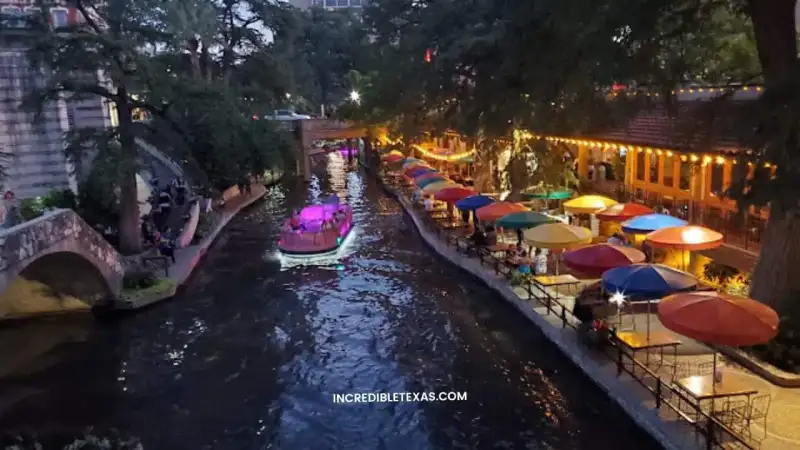
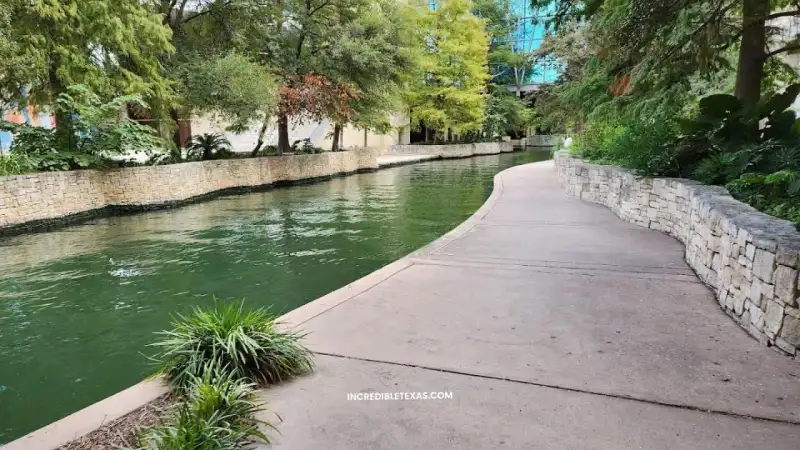
Following the paved River Walk Museum Reach southward leads walkers straight toward local dining spots and historic neighborhoods. Shaded waterside trails provide pedestrian connections away from street traffic.
Travelers seeking broader regional history can reference National Park Service San Antonio Spanish colonial heritage resources to plan visits to the UNESCO World Heritage missions downriver. Pairing city parks with historic missions creates a comprehensive San Antonio experience.
Park Rules, Dog Policies, and Fishing Regulations
Protecting the natural river ecosystem requires visitors to adhere to municipal park guidelines. Swimming, wading, and diving in the San Antonio River are strictly prohibited throughout park boundaries due to water quality and safety protocols.
Pets are welcome across park lawns and walking trails provided they remain restrained on a leash no longer than six feet. Pet owners must immediately remove animal waste. Dogs are not allowed inside fenced children's playground zones.
Anglers may fish along public riverbanks outside designated wildlife feeding areas. Under Texas Parks and Wildlife freshwater fishing regulations, all anglers aged 17 and older must carry an active fishing license with freshwater endorsement.
Motorized scooters, skateboards on pedestrian pathways, and horses are prohibited on park trails. Glass containers and personal fireworks are illegal across all municipal park properties in San Antonio.
Frequently Asked Questions About Brackenridge Park
Is Brackenridge Park free to visit?
Yes, general admission into Brackenridge Park is completely free of charge. Visitors can walk the trails, use picnic areas, and visit the playgrounds without paying any entrance fees. Certain independent attractions within the park, such as the zoo and miniature train, require separate tickets.
What time does the park open and close daily?
The park is open daily from 5:00 AM to 11:00 PM. Gate hours remain consistent throughout the year, including weekends and major holidays.
Where can visitors park for free at Brackenridge Park?
Free parking is available throughout the park along internal roads and surface parking bays. Additionally, the city operates a large, free multi-level parking garage located on Tuleta Drive near the San Antonio Zoo entrance.
Can you take dogs inside the park grounds?
Yes, domestic dogs are welcome on all walking trails and picnic lawns as long as they are kept on a leash no longer than six feet. Dogs are not permitted inside enclosed playground areas or inside the San Antonio Zoo.
Can you fish in the river at Brackenridge Park?
Yes, bank fishing is permitted along the San Antonio River within park boundaries. Anglers aged 17 and older must hold a valid Texas freshwater fishing license and observe standard state harvest rules.