Dallas Heritage Village at Old City Park: Hours, History, and What to See
Step into the Cedars and the modern city starts to fall away. At Dallas Heritage Village at Old City Park, restored 19th-century buildings, shaded paths, and a living-history setting make it feel like you have wandered into a different Dallas.
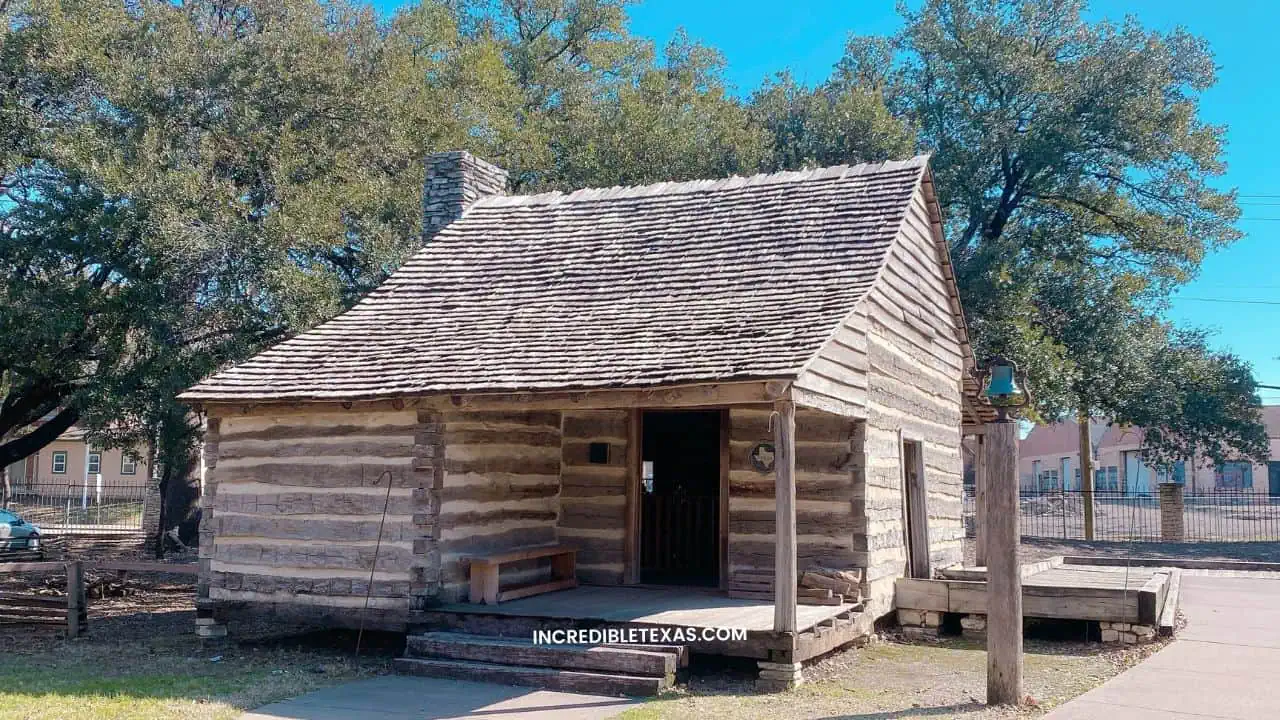
Dallas Heritage Village is one of the most distinctive stops in the city because it is part park, part museum, and part time capsule. If you are building out a full day of sightseeing, start with our best things to do in Dallas guide and then save this one for the history-focused stop.
This guide covers the current hours, the site’s layered history, what you will actually see on the grounds, and how to make the visit easy whether you are bringing kids, out-of-town guests, or your own curiosity about old Dallas.
Dallas Heritage Village at Old City Park: What This Place Actually Is
Dallas Heritage Village is the name most people use for City Park, the Dallas Parks site long known as Old City Park and now formally framed as a special-use historic park. The official Dallas Parks page describes it as a 22.1-acre site with historic buildings and furnishings dating back to 1840.
That matters because it tells you what kind of visit to expect. This is not a single building museum with a quick photo stop; it is a walkable heritage landscape that combines open-air paths, preserved structures, and a broader story about how Dallas grew up around the site.
| Quick Fact | What to Know |
|---|---|
| Official site name | City Park, also known as Old City Park and Dallas Heritage Village |
| Address | 1515 S. Harwood St., Dallas, TX 75215 |
| Park grounds hours | Daily, 7:00 am to 7:00 pm |
| Visitor center hours | Sunday-Monday 12:00 pm to 5:00 pm; Tuesday-Saturday 10:00 am to 5:00 pm |
| Parking | Free parking |
| Best for | History lovers, school groups, families, and visitors who like walkable attractions |
For the official planning details, use the Dallas Parks City Park page as your main reference. It is the best source for current hours, contact information, and any temporary changes to building access. Check the official City Park page before you go.
Hours, Location, Parking, and the Basics You Need Before You Go
The simplest way to plan a Dallas Heritage Village visit is to think in two layers: the park grounds and the visitor center. The grounds are open daily from 7:00 am to 7:00 pm, while the visitor center follows a shorter schedule that changes by day of the week.
That split makes the site easy to fit into a morning or afternoon, but it also means you should not assume every building is open just because the gate is open. Dallas Parks says the historic buildings are open during visitor-center hours unless they are reserved or undergoing scheduled maintenance.
If you prefer a quick scan before reading more, here are the essentials in one place.
| Planning Item | Current Details |
|---|---|
| Park grounds | 7:00 am to 7:00 pm daily |
| Visitor center | Sunday and Monday, 12:00 pm to 5:00 pm; Tuesday through Saturday, 10:00 am to 5:00 pm |
| Historic building access | Usually follows visitor-center hours unless reserved or under maintenance |
| Parking | Free |
| Address | 1515 S. Harwood St., Dallas, TX 75215 |
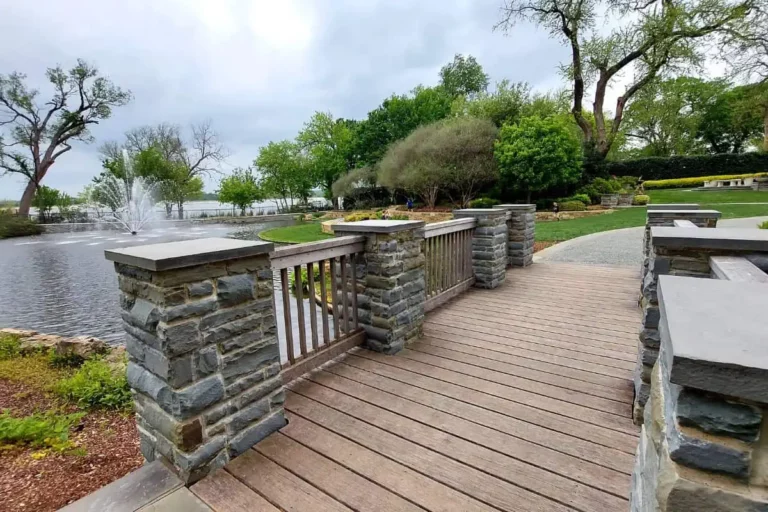
The official park page also lists shaded areas, garden areas, picnic areas, paved walking paths, benches, and water fountains. That makes Dallas Heritage Village easier to enjoy in warm weather than many other historic sites because you can pace the visit and take breaks without leaving the grounds.
For a second layer of context, the original Old City Park about page explains that the site is tied to Dallas park history as well as museum interpretation. It also notes that the village is the original Dallas Heritage Village site. Read the Old City Park background here. The Dallas County Pioneer Association also traces the site’s early park history in a way that helps explain why this location matters to Dallas heritage stories.
Dallas Heritage Village tickets, admission, and parking
Dallas Heritage Village is one of the easiest Dallas attractions to budget for because the current Old City Park Conservancy hours and admissions page says regular general admission Thursday through Sunday is free. Members are admitted free, and special-event prices can change from event to event.
| Planning Item | Current Conservancy Info |
|---|---|
| Regular admission | FREE Thursday-Sunday |
| Members | Free daily |
| Park hours | 6:00 am to 11:00 pm daily |
| Select buildings | Thursday-Sunday, 10:00 am to 4:00 pm |
| Parking | Free; two paved lots plus overflow parking |
Quick note: Dallas Parks lists City Park hours differently from the Conservancy page, so treat the official current page as your final check before you go.
Is Dallas Heritage Village free?
Yes for regular general admission Thursday through Sunday, according to the Old City Park Conservancy. Special events can carry their own ticket prices, and members are admitted free with access to the grounds daily.
If you are planning around a specific event or holiday opening, check the calendar first so you do not assume the regular rate applies.
Where do you park at Old City Park?
Old City Park offers two large paved parking lots and unpaved overflow parking, and parking is free at the park. The maps and directions page says visitors should enter off Gano Street, directly across from Vogel Alcove.
The site is also close to downtown Dallas and the junction of I-30, I-35, and US 75, which makes it easier to fold into a broader city day.
Why Dallas Heritage Village Matters in Dallas History
Dallas Heritage Village is interesting because the site is doing two jobs at once. It preserves the memory of Dallas’s first city park and it uses that landscape to tell the story of how North Texas homes, churches, shops, and civic buildings looked in the 1800s.
The Dallas Parks page says City Park was established in 1876 and remains Dallas’s first and oldest park. That is the anchor story behind the modern attraction, and it is the reason the site feels more grounded in place than a normal museum complex that could sit anywhere.
The old City Park about page adds an important detail: the structures were moved from around Dallas and restored so visitors could get a glimpse of life in the second half of the 1800s. In other words, the village is not just displaying history; it is rebuilding a small piece of the city around that history.
Old City Park also says visitors can interact with period actors in the living Texas history museum. That living-history approach is what separates the village from a typical historic-house stop.
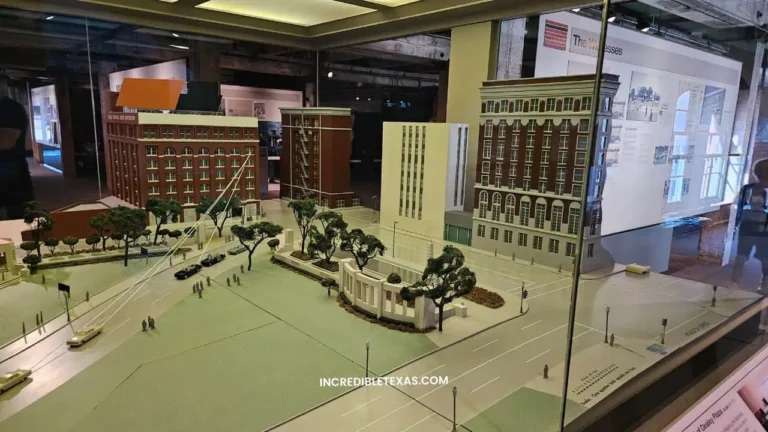
Visit Dallas reinforces that idea by describing Dallas Heritage Village as a place with original historic structures and furnishings built in Dallas from 1840 to 1910. If you like the narrative style of The Sixth Floor Museum at Dealey Plaza, Dallas Heritage Village gives you a very different but equally powerful way to read Dallas history on the ground.
From City Park to Living History Museum
The site began as a public park, and that legacy still shapes the visit today. The open grounds, walkable layout, and historic setting make the whole experience feel civic and local rather than purely curated for tourists.
That is one reason the attraction works so well for Dallas visitors who care about place. You are not simply touring a heritage attraction; you are standing where Dallas’s public park story began.
What the Restoration Story Adds to the Visit
Restored buildings tell a different story than replicas do. When a structure has been relocated, preserved, and interpreted carefully, it carries the texture of the city that built it.
That is why Dallas Heritage Village feels so persuasive as a learning stop. Even before you step inside a building, the layout itself tells you that Dallas’s past was assembled from farms, houses, churches, and storefronts that once stood somewhere else in North Texas.
What to See on Site: Buildings, Rooms, and Open-Air Details
The easiest way to enjoy Dallas Heritage Village is to slow down and let the place reveal itself in layers. The site includes historic structures, restored rooms, open paths, and interpretive spaces that reward visitors who are willing to wander rather than rush.
What buildings are open at Dallas Heritage Village?
The Dallas Parks page identifies several open buildings on the site, including the Alamo Saloon, Blum Brothers General Store, Citizen’s Bank, Pilot Grove Church, Renner School, and the Train Depot.
Not every building is always open, which is why it helps to check current hours before you arrive.
Is Dallas Heritage Village good for kids?
Instead of just reading a plaque, you can watch the site’s story unfold through spaces that feel inhabited and human.
A visit here is less about checking off a single famous object and more about understanding the rhythm of a whole historic village. That makes it a natural fit for visitors who enjoy the context around the artifact as much as the artifact itself.
- Historic homes and storefronts: These are the places most visitors notice first because they give the grounds a real neighborhood feel.
- Church and school spaces: These help show how Dallas families lived, worshiped, and learned in the 19th century.
- Commercial buildings: Shops and banks bring the village beyond domestic life and into the public life of the era.
- Open-air paths and shaded spaces: These make the visit comfortable and give you time to look at the setting as a whole.
If you are building a museum-heavy Dallas itinerary, this stop pairs well with A Guide to the Dallas Museum of Art. The two attractions give you very different kinds of cultural context, but both reward visitors who like history presented with care.
The village’s open-air setup also helps families. Kids can move, look, and ask questions without feeling trapped inside a traditional gallery flow, and adults can still get the deeper story through the site design and the restoration details.
What are the must-see buildings at Old City Park?
The most searchable buildings at Old City Park are the ones that show an entire North Texas town in miniature. TSHA says the park includes a Greek Revival mansion, two Queen Anne houses, a bank, a print shop, a general store, a church, a country school, a train depot, and a drummers’ hotel.
Millermore Mansion is the single most famous structure, and CBS Texas identifies it as the crown jewel of the park.
- Millermore Mansion: A Greek Revival home and the park’s best-known landmark.
- General store and bank: Useful for understanding the commercial side of 19th-century Dallas.
- Church and schoolhouse: These buildings make the village feel like a real community, not just a display.
- Train depot and print shop: Good examples of how the park captures everyday city life, not only domestic life.
Tours, School Visits, and Special Programs at Old City Park
Old City Park is not just a place to walk and look. The Old City Park Conservancy programs page says the site offers guided tours, children’s programs, field trip programs, and blacksmithing classes, which is why it works for families, school groups, and curious adults alike.
The program mix also helps the village rank for searches about tours and events, because there is a real reason to visit more than once.
- Guided tours: Great for visitors who want a more structured history experience.
- Field trip programs: The school curriculum-style options include Lifestyle in the West and Industrial West.
- Children’s programs: Barnyard Buddies Club gives younger kids a hands-on Friday morning activity.
- Blacksmithing classes: A good fit for older learners who want a more immersive craft experience.
- Seasonal events: Candlelight turns the village into one of Dallas’s most atmospheric holiday outings.
Can you tour Dallas Heritage Village?
Yes. TSHA says the Heritage Society offers guided tours to the public and special Discovery Tours to school children, while the Conservancy now also describes tours as part of its year-round programming.
That means a visit can be either self-guided or more structured, depending on the day and what the calendar offers.
What special programs does Old City Park offer?
The Conservancy’s current program pages include Barnyard Buddies Club, blacksmithing classes, children’s programs, and field trip programs. Barnyard Buddies is built for guests ages 12 months to 4 years, begins at 11:00 a.m. on Fridays, and costs $5 per child.
Holiday events like Candlelight also add another search-friendly layer because they turn the park into a seasonal destination instead of only a daytime museum stop.
How to Plan the Best Visit: Timing, Comfort, and Family Strategy
The best Dallas Heritage Village visit is usually the one that starts with a little planning. Because the site blends outdoor paths with building access, the experience is more enjoyable when you think about weather, crowd flow, and how long you want to stay.
How long does it take to visit Dallas Heritage Village?
Most first-time visitors should plan on about two hours if they want to walk the grounds and step into the open buildings.
A longer visit makes sense when you are combining the village with lunch or another downtown stop.
What should you bring to Dallas Heritage Village?
Comfortable shoes, water, and weather-appropriate clothing make the visit easier because the grounds are outdoors.
If you’re visiting on a hot day, starting when the visitor center opens helps you see more before the afternoon heat builds.
A first visit often works best when you keep the day simple: arrive when the visitor center opens, walk the grounds at an easy pace, spend time in the open buildings, and leave yourself room for a nearby lunch or coffee stop afterward. If you prefer to keep your itinerary compact, the site is easy to pair with a quick meal at the Dallas Farmers Market.
The table below turns the planning into a quick decision guide.
| If you want… | Plan for… |
|---|---|
| Quieter walking conditions | Arriving earlier in the day and avoiding event weekends |
| More buildings open | Visiting during visitor-center hours rather than just park-ground hours |
| A family-friendly pace | Comfortable shoes, water, and enough time to stop and look inside buildings |
| Easy parking | Using the free parking available on site |
Comfort matters here more than at an indoor museum because the grounds are outdoors. Dallas heat, bright sun, or a sudden weather shift can change how long you want to linger, so it is smart to dress for walking and adjust your pace once you see the conditions on site.
Special events can also change the feel of the visit. That is not a drawback so much as part of the site’s value: Dallas Heritage Village is not frozen in time, and the programming can make the space feel even more alive.
Events, School Visits, and the Best Nearby Dallas Pairings
Dallas Parks says City Park supports guided tours and school field trips, which is one reason the site continues to matter to local families and teachers. It works as a field-trip destination, but it also works well for adults who want a slower, more reflective kind of Dallas day.
If you are planning a broader afternoon in the area, the Cedars location gives you several easy ways to build out the rest of the day. For food, shopping, and an easy neighborhood change of pace, Deep Ellum Dallas TX Guide is a strong next stop.
You can also keep the day history-focused by pairing the village with another Dallas landmark. That approach makes the city feel more layered because you are moving from preserved 19th-century buildings to a different chapter of Dallas storytelling later in the same itinerary.
- For a history day: Pair Dallas Heritage Village with another downtown or museum stop and keep the pace unhurried.
- For a family day: Combine the village with lunch and a relaxed neighborhood walk so the outing never feels rushed.
- For a visitor introduction: Use the village as your first stop, then move on to a more modern Dallas attraction for contrast.
If you want a modern contrast after the village, the Klyde Warren Park Dallas TX guide is a good follow-up. It gives you a completely different Dallas experience after you have already spent time with the city’s earliest park story.
Dallas Heritage Village FAQs
What is Dallas Heritage Village?
Dallas Heritage Village is the living-history attraction at City Park / Old City Park. It preserves and interprets historic buildings, furnishings, and outdoor spaces that help tell the story of Dallas and North Texas in the 19th century.
How long does it take to visit Dallas Heritage Village?
Most first-time visitors should plan on a couple of hours, especially if they want to walk the grounds, step inside open buildings, and read the interpretation without rushing. A longer visit makes sense if you are bringing kids or planning to eat nearby afterward.
Is parking free at Dallas Heritage Village?
Yes. The Dallas Parks City Park page lists free parking among the site’s features, which makes the attraction especially easy to fit into a downtown Dallas day.
Is Dallas Heritage Village free?
Regular general admission is free Thursday through Sunday, according to the Old City Park Conservancy. Special events can carry different pricing, so check the event page before you go.
What special programs does Old City Park offer?
Old City Park offers guided tours, children’s programs, field trip programs, and blacksmithing classes. Seasonal programming like Candlelight also gives the park a second life after regular museum hours.
Is Dallas Heritage Village good for kids and school groups?
Yes. The official Dallas Parks page specifically notes guided tours and school field trips, and the open-air format gives kids more room to explore than a conventional indoor museum might.
What is the difference between Old City Park and Dallas Heritage Village?
In practice, they refer to the same historic site. Old City Park is the older name, while Dallas Heritage Village is the name most visitors now use for the museum landscape at City Park.
Why Dallas Heritage Village Belongs on a Dallas Itinerary
Dallas Heritage Village works because it gives you a version of Dallas that feels rooted, walkable, and human. The site combines the city’s first park with a carefully restored set of historic buildings, so the visit is both a history lesson and a quiet break from the usual downtown pace.
If you want one Dallas stop that rewards curiosity, a little time, and a willingness to slow down, this is an easy recommendation. Start with the official City Park hours, pick the time that fits your schedule, and use the rest of the day to discover the version of Dallas that existed long before the skyline.
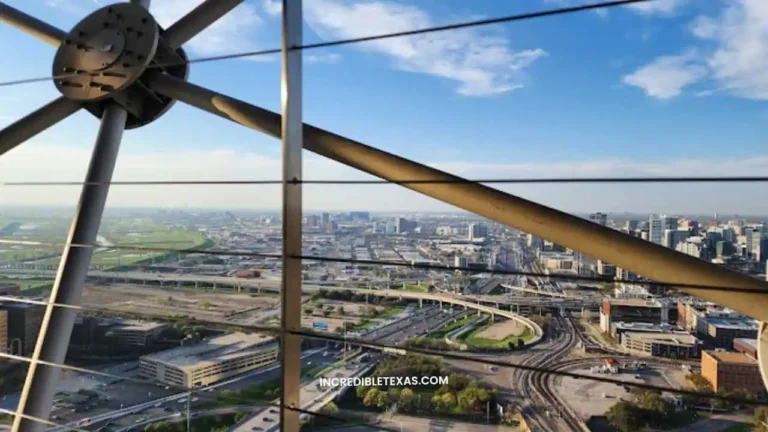
When you are ready to keep the day going, the Reunion Tower Dallas TX guide is a natural next stop for a modern contrast to the village’s historic setting.