25 Best Things to Do in Canyon Lake TX: Ultimate 2026 Visitor’s Guide
Canyon Lake, Texas, often referred to as the “Jewel of the Texas Hill Country,” is a breathtaking reservoir offering an unparalleled blend of turquoise waters and limestone cliffs. Located in Comal County between Austin and San Antonio, this 8,230-acre expanse has evolved into a premier destination for travelers seeking world-class recreation in 2026.
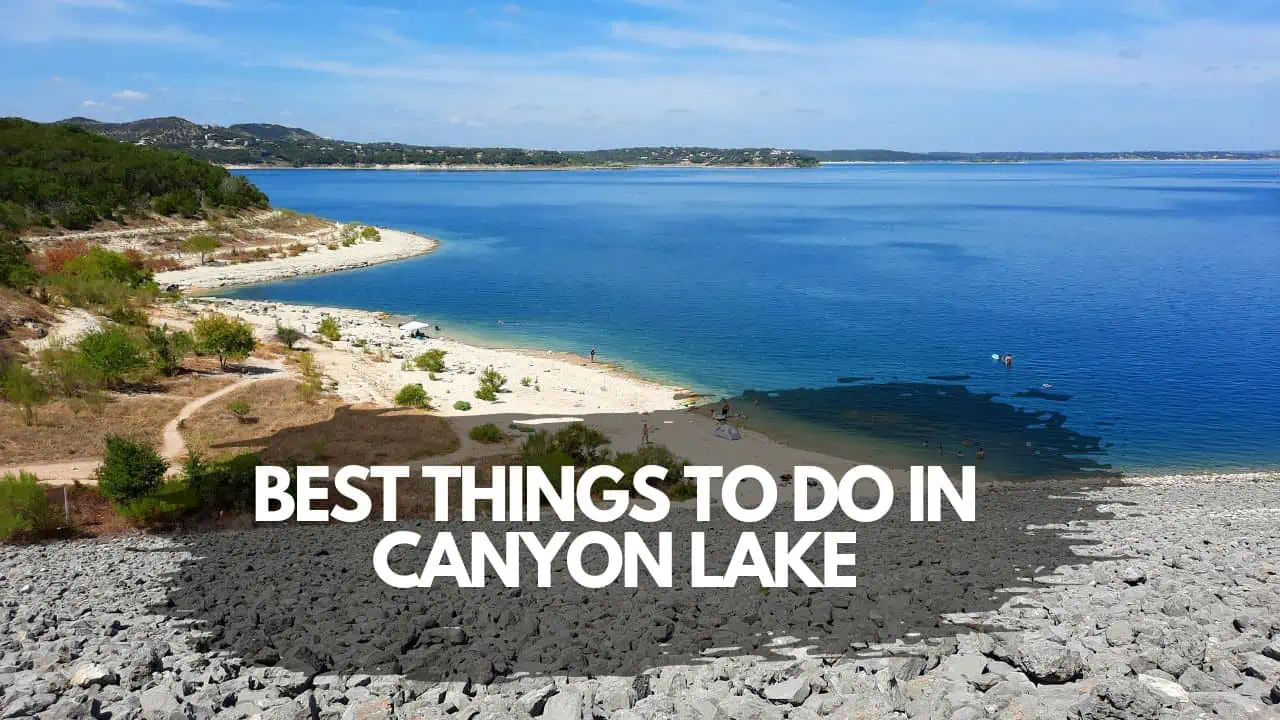
Canyon Lake provides a diverse array of activities that cater to every whim, whether you enjoy high-speed water sports or quiet nature walks. The lake was originally created by the U.S. Army Corps of Engineers as a flood control project following the devastating floods of the mid-20th century. According to the U.S. Army Corps of Engineers official portal, construction began in 1958 and was completed in 1964, providing both flood protection and a vital water supply for the region.
Since its completion, it has transformed into the recreational heart of Central Texas. Its deep, cool waters reach depths of over 125 feet near the dam and maintain a stunning clarity rare for Texas lakes. The Texas Parks and Wildlife Department reports that the lake’s unique blue hue is a result of its limestone bed, which acts as a natural filter for the Guadalupe River’s inflow.
This clarity is a result of the lake’s limestone floor, which filters the water and gives it a signature “Caribbean” blue hue. This guide offers an authoritative, human-centric exploration of the region’s top attractions for the 2026 season.
The Ultimate 2026 Canyon Lake Quick Reference Guide
Before diving into detailed activities, it is essential to understand the basic layout and logistical requirements of the area. Canyon Lake is a collection of interconnected parks, marinas, and residential communities, each offering a unique vibe.
| Feature | Detail & Specifications |
|---|---|
| Location | Comal County, Central Texas Hill Country |
| Surface Area | 8,230 Acres at normal pool elevation |
| Shoreline Length | 80 Miles of diverse terrain |
| Average Depth | 43 Feet (Maximum depth of 125 feet) |
| Nearest Cities | New Braunfels (20 miles), San Antonio (45 miles), Austin (50 miles) |
| Best Time to Visit | Spring (Wildflowers/Hiking) or Summer (Water Sports) |
| Primary Access | FM 306, FM 2673, and FM 462 |
For a deep dive into the specific amenities of each park, please refer to our comprehensive guide on 9 Best Canyon Lake Parks. If your travels take you further south, don’t miss our recommendations for the best things to do in San Antonio.
1. Master the Waters: Boating and Jet Skiing
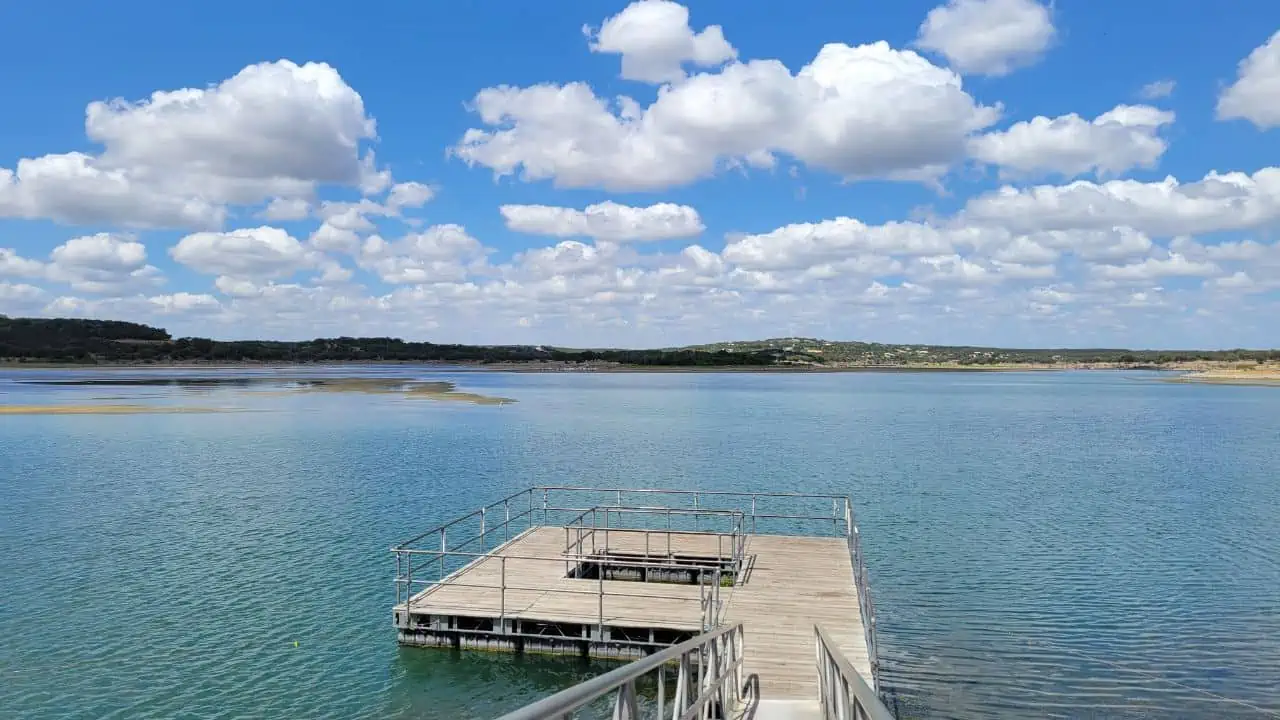
Boating is the lifeblood of Canyon Lake. As of 2026, the lake has become a hub for high-performance watercraft and luxury pontoons.
The wide, open basin of the lake allows for long stretches of unobstructed cruising. Meanwhile, the numerous fingers and coves provide sheltered areas for anchoring and swimming.
The experience of gliding across the aqua-blue surface is the quintessential Canyon Lake activity. The lake features 23 boat ramps, many of which are managed by the U.S. Army Corps of Engineers.
In recent years, several ramps have been upgraded with solar-powered lighting and improved docking facilities. For those without a boat, Canyon Lake Marina and Cranes Mill Marina offer an extensive fleet of rentals.
2026 Estimated Boat Rental Pricing
| Vessel Type | Capacity | 4-Hour Rate (Est.) | Full-Day Rate (Est.) |
|---|---|---|---|
| Luxury Pontoon | 10-12 People | $400 – $550 | $750 – $950 |
| Ski/Wake Boat | 6-8 People | $550 – $700 | $900 – $1,200 |
| Double Decker Pontoon | 12-15 People | $650 – $800 | $1,100 – $1,400 |
| Jet Ski (PWC) | 2 People | $250 (2 hours) | $600 |
Safety Requirement: In Texas, anyone born after September 1, 1993, must carry a Boater Education Card. The Texas Boater Education program provides certifications required for operators on public waters.
2. Journey Through Time at the Canyon Lake Gorge
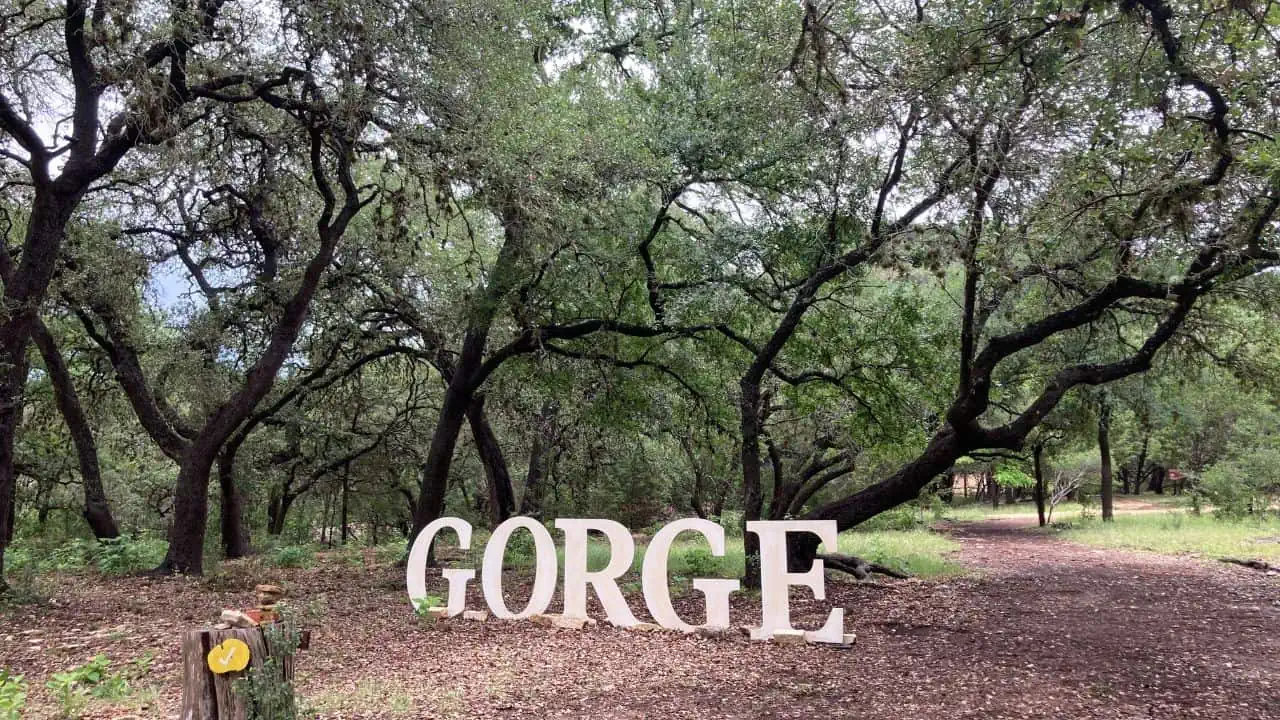
The Canyon Lake Gorge is perhaps the most unique geological feature in the state of Texas. It was formed in 2002 when the lake overflowed its spillway for the first time in history.
The massive flood carved a mile-long, 50-foot-deep chasm through the limestone in just three days. This event stripped away soil and trees, exposing ancient fossils and dinosaur tracks buried for over 100 million years.
The Gorge is a living laboratory where you can see the Glen Rose Formation in exquisite detail. Guided tours are the only way to explore the depths of the chasm to preserve its scientific value.
These tours are led by experts from the Gorge Preservation Society. They offer a deep dive into the paleontology and geology of the Hill Country.
What You Will See in the Gorge:
- Dinosaur Footprints: Perfectly preserved tracks of Acrocanthosaurus and Iguanodons from the Cretaceous period.
- Fossilized Marine Life: Crinoids and ancient mollusks from the era when Texas was an inland sea.
- Faults and Fractures: Visible evidence of the Balcones Fault zone.
- Natural Springs: Crystal clear water seeping through limestone walls, creating lush micro-ecosystems.
Logistical Tip: Wear sturdy, closed-toe hiking shoes. The terrain is rugged and often slippery, and tours last approximately three hours.
3. Experience the Guadalupe River State Park
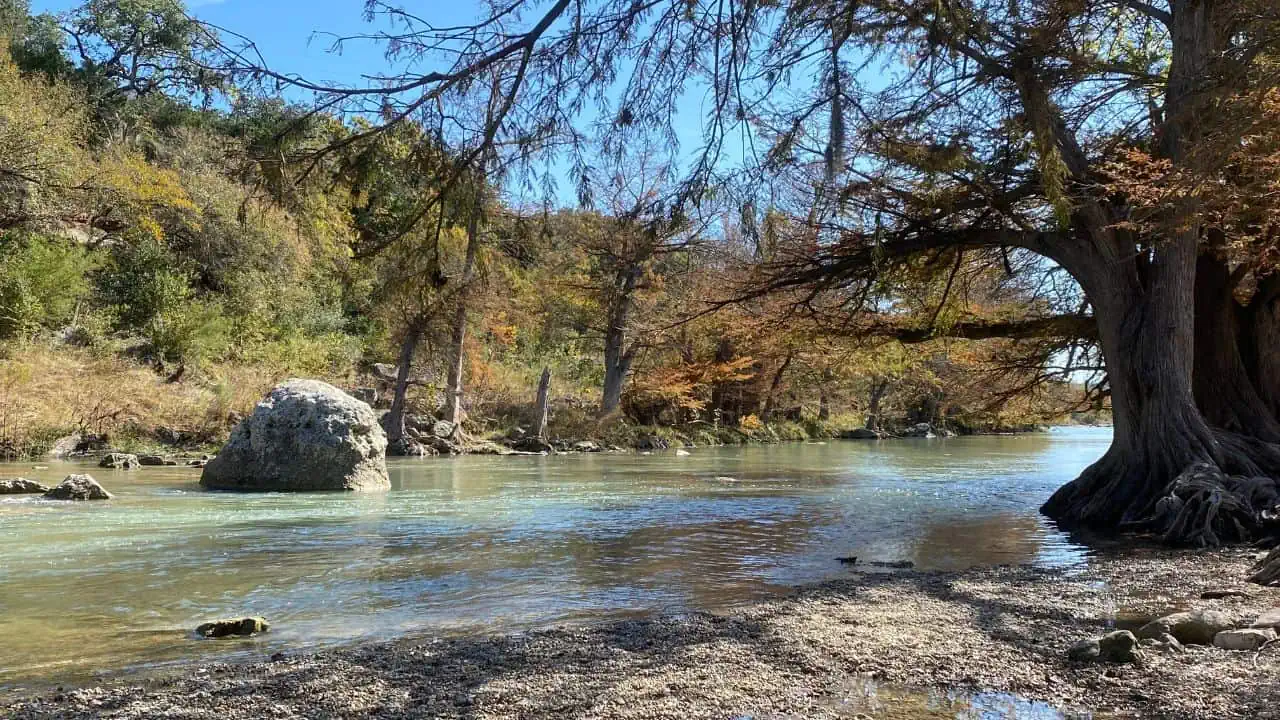
Just a 20-minute drive from the lake sits Guadalupe River State Park. This park is the focal point for river recreation, especially the famous “tubing” culture.
Visitors float lazily down the limestone-bedded stream under the shade of massive cypress trees. In 2026, the park has introduced a digital reservation system to manage capacity during peak weekends.
The park offers much more than just floating. With over 13 miles of trails, it is a premier spot for mountain biking and hiking.
The Bauer Unit, located on the north side of the river, is a “primitive” area. It offers a more secluded experience for those willing to hike further from the main lots.
Guadalupe River Wildlife Spotlight:
Keep your eyes peeled for the diverse wildlife that calls the park home. It is common to see white-tailed deer and armadillos near the riverbanks.
Birdwatchers frequently spot the Belted Kingfisher and several species of herons. According to Texas Parks and Wildlife, the park serves as a critical habitat for numerous native Texas species.
4. Step Back into the Cretaceous at the Heritage Museum
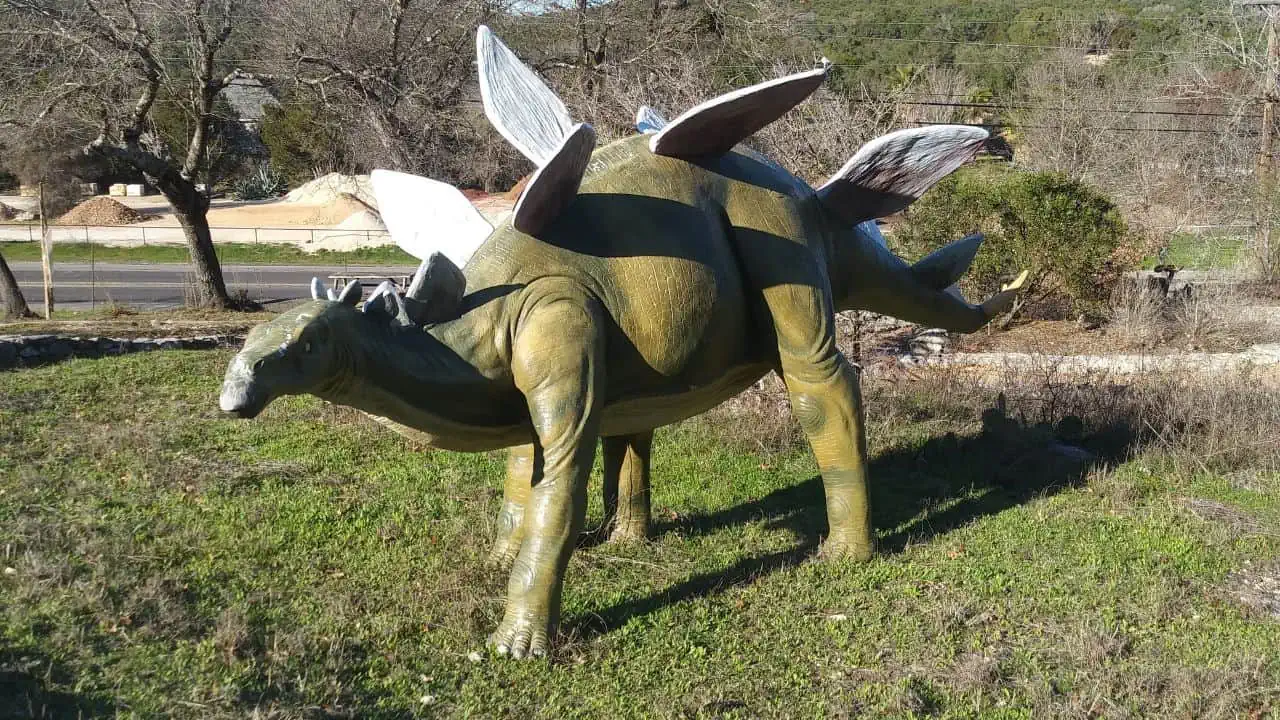
The Heritage Museum of the Texas Hill Country is an essential stop for families. Located on FM 306, this museum features over 200 dinosaur tracks preserved in limestone.
Unlike many museums, here you can walk alongside the tracks on a covered walkway. This provides a true sense of the scale of these prehistoric creatures.
The museum also serves as a cultural repository for the region. You can explore exhibits on early German pioneers and view vintage farm equipment.
Visitors can also learn about the indigenous peoples who lived in the Hill Country for thousands of years. It is a comprehensive look at the area’s long human and natural history.
Museum Visitor Information (2026):
- Hours: Tuesday–Saturday, 10:00 AM to 4:00 PM.
- Admission: $5 for adults, $4 for children (under 5 free).
- Special Feature: The “Fossil Dig” area for kids is open year-round.
5. Embark on a Safari at Natural Bridge Wildlife Ranch
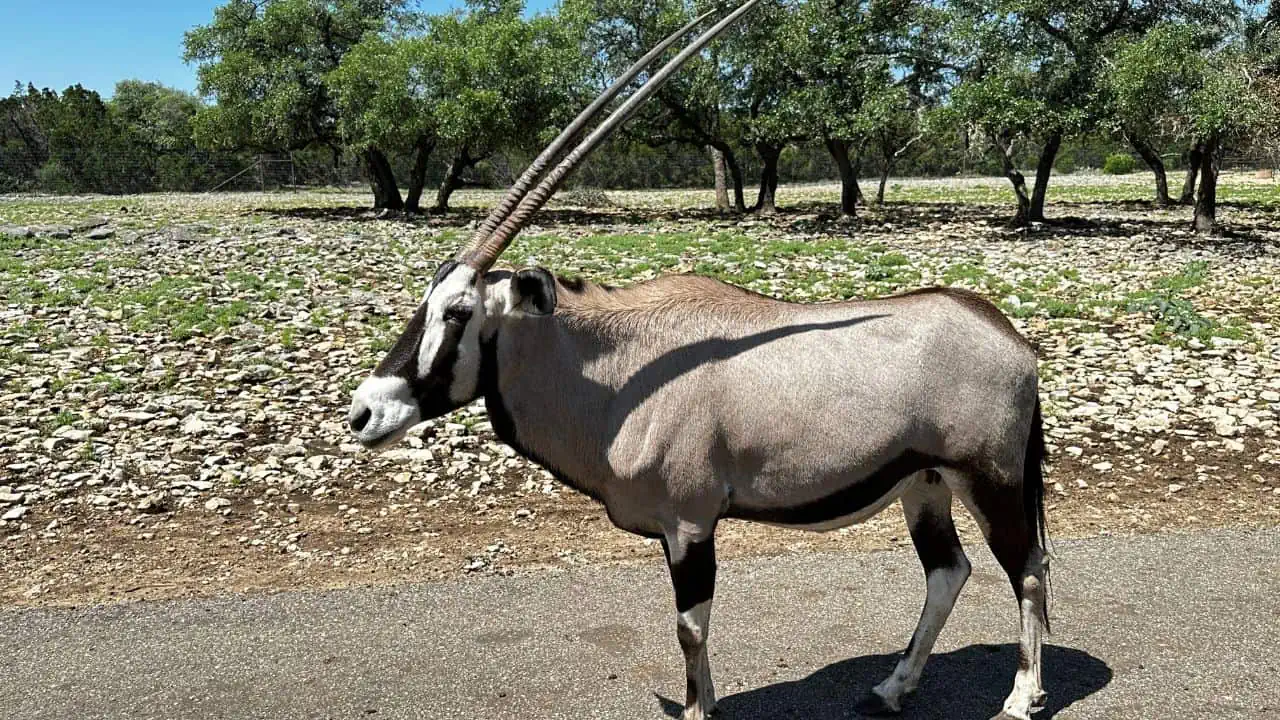
If you’ve ever wanted to feed a giraffe from your car window, the Natural Bridge Wildlife Ranch is the place. Located on the southern edge of the Canyon Lake area, this 450-acre ranch is a must-visit.
It allows you to take a self-guided “safari” through rolling hills populated by over 500 animals. From African Zebras to the rare Scimitar-Horned Oryx, the diversity is staggering.
In 2026, the ranch has expanded its “Walk-A-Bout” area. This section features lemurs, gibbons, and a variety of exotic birds.
The experience is both educational and entertaining for all ages. It remains a top-rated attraction for families visiting the Hill Country.
6. Savor the Terroir at Local Wineries
The Texas Hill Country is the second-most visited wine region in the United States. Canyon Lake sits right in the heart of this thriving industry.
The local limestone soil and hot climate allow Mediterranean grape varietals to thrive. Local wineries like Dry Comal Creek Vineyards offer a sophisticated alternative to lake activities.
Recommended Wineries Near Canyon Lake:
| Winery | Specialty | Experience Type |
|---|---|---|
| Dry Comal Creek | French Colombard & Black Spanish | Outdoor patio under oak trees |
| La Cruz de Comal | Estate-grown field blends | Intimate, education-focused tasting |
| Fawncrest Vineyard | Cabernet Sauvignon & Merlot | Panoramic views of the lake |
| Winery on the Gruene | Custom blended fruit wines | Casual, historic Gruene vibe |
For those interested in a full day of wine tasting, we suggest exploring our Fredericksburg wine tours guide. This covers the famous Wine Road 290 just an hour away.
7. Rock Out at Whitewater Amphitheater
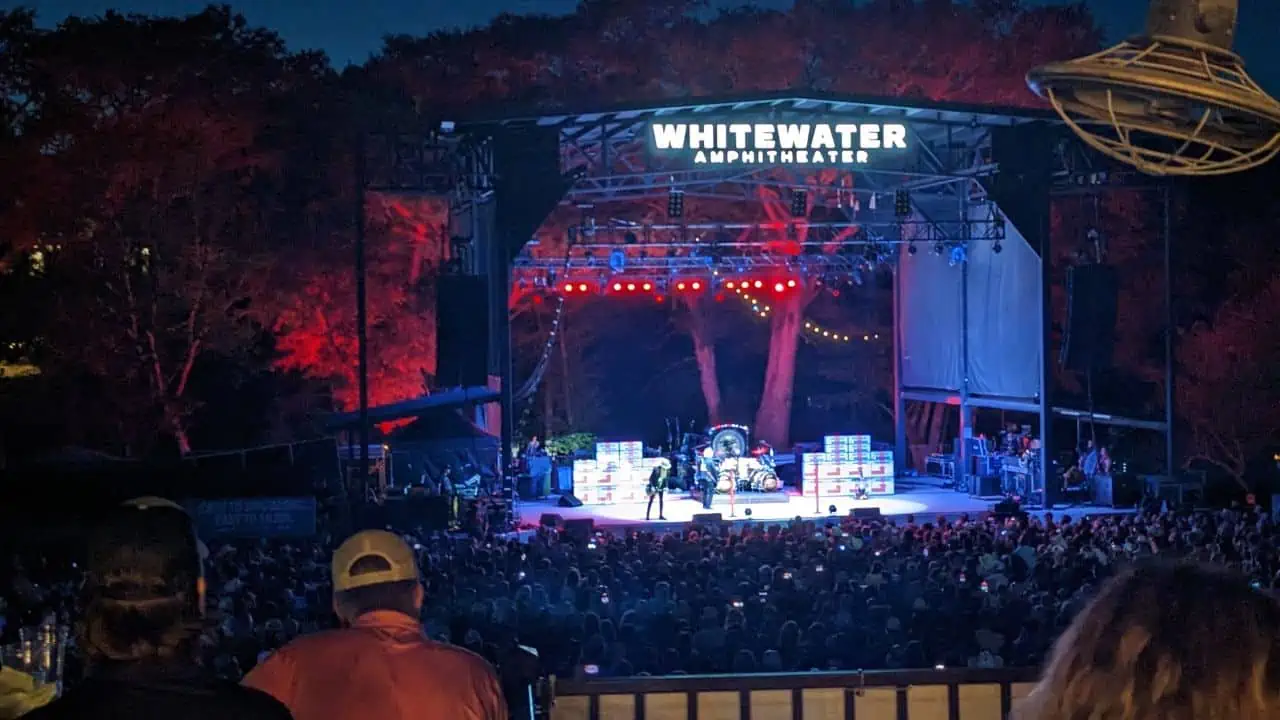
Whitewater Amphitheater is widely considered the best live music venue in Texas. The stage is uniquely nestled between the Guadalupe River and a towering limestone bluff.
Concert-goers often spend the day tubing before heading into the venue for a show. In 2026, the venue has upgraded its sound system and added more VIP viewing decks.
From country legends like Willie Nelson to modern rock acts, the lineup is always diverse. For information on tickets and parking, see our Whitewater Amphitheater Schedule and Guide.
8. Explore the Depths: Scuba Diving in Canyon Lake
Canyon Lake is a premier destination for scuba diving in Texas. The clarity of the water allows for visibility ranging from 10 to 30 feet depending on the season.
Divers can explore submerged rock walls and flooded forests. Some even find remnants of old structures left behind when the valley was flooded.
North Park is the primary hub for divers. It features a dedicated diving area with easy shore entry and clear underwater paths.
Popular “sights” include the “Old Highway” and several intentionally scuttled boats. These now serve as artificial reefs for local bass and catfish.
9. Camp at Potter’s Creek Park
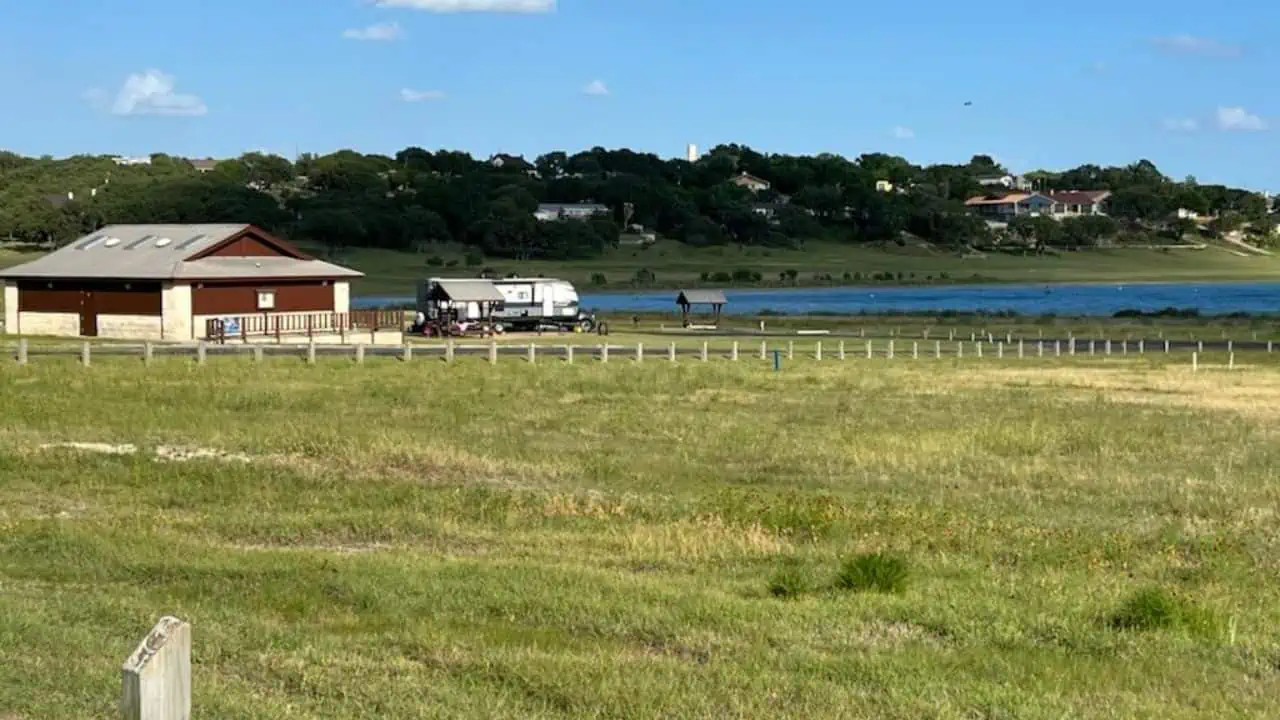
If you want the full Canyon Lake experience, you need to stay overnight. Potter’s Creek Park is the largest campground on the lake.
It offers 114 RV sites with full hookups and 10 primitive tent sites. The park is sprawling, ensuring you can find a quiet spot even during busy seasons.
The park is also a prime location for spotting local fauna. It is not uncommon to have whitetail deer graze right outside your tent at dawn.
For a more “luxurious” stay, several local vendors offer “glamping” setups. These include air-conditioned tents and plush bedding for ultimate comfort.
10. Connect with Nature at James C. Curry Nature Center
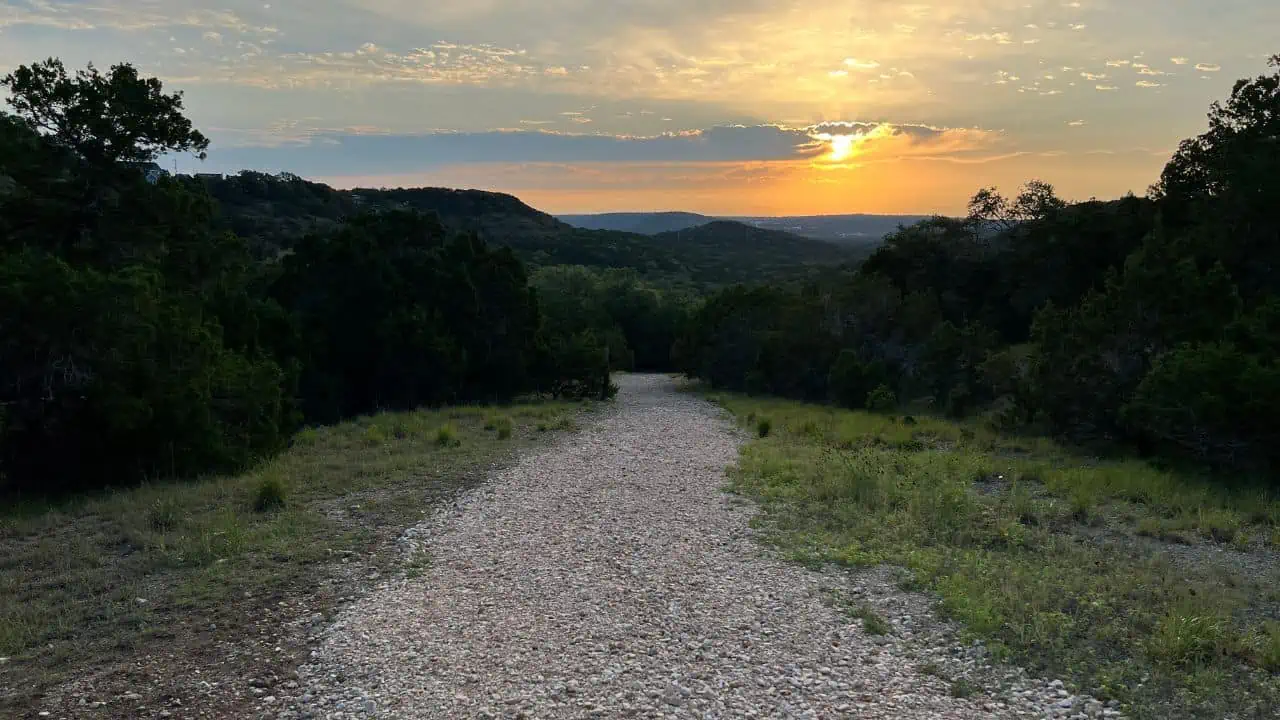
For those who prefer a quiet walk, the James C. Curry Nature Center is a hidden gem. This 52-acre preserve ensures that native flora and fauna always have a home.
The center features a moderate 0.75-mile loop trail. It gains enough elevation to provide stunning views of the lake’s southern basin.
Birdwatching Highlights:
The center is a designated site on the Great Texas Coastal Birding Trail. During spring, you can spot the rare Golden-cheeked Warbler nesting in the juniper-oak woodlands.
According to the TPWD species guide, this endangered songbird nests exclusively in Central Texas. Other common sightings include the Painted Bunting and the Greater Roadrunner.
Canyon Lake Weather and Climate Guide (2026)
Understanding the local climate is essential for planning a successful trip. Canyon Lake experiences a humid subtropical climate characterized by hot summers and mild winters.
In 2026, we have seen a trend toward slightly warmer spring temperatures. This has resulted in earlier wildflower blooms across the Hill Country.
| Season | Avg High/Low (°F) | Best Activity |
|---|---|---|
| Spring (Mar-May) | 75° / 55° | Hiking & Wildflower Photography |
| Summer (Jun-Aug) | 95° / 75° | Boating & River Tubing |
| Fall (Sep-Nov) | 80° / 60° | Fishing & Wine Tasting |
| Winter (Dec-Feb) | 60° / 40° | Museum Visits & Birdwatching |
During the summer months, heat indices frequently exceed 100°F. Always stay hydrated and plan strenuous activities for the early morning hours.
The Ultimate Canyon Lake Fishing Guide
Canyon Lake is one of the top fisheries in Central Texas. The combination of deep open water and rocky structure creates the perfect habitat for several game fish species.
Anglers come from all over the state to target the Striped Bass. These fish were introduced to the lake and can reach impressive sizes in the deep water near the dam.
Target Species and Best Seasons:
- Striped Bass: Best in Winter and early Spring. Target the deep channels.
- Largemouth Bass: Spring is prime time during the spawn. Focus on shallow coves.
- Smallmouth Bass: Look for rocky points and ledges year-round.
- White Bass: Spring runs up the Guadalupe River are legendary among locals.
- Catfish: Summer nights are best for channel and blue catfish near the marinas.
For current regulations and license requirements, visit the Texas Outdoor Annual portal. As of 2026, a valid Texas fishing license is required for anyone over 17.
Logistics: Ride-Sharing and Public Transport
Public transportation to Canyon Lake is virtually non-existent. You will need a personal vehicle or a rental to explore the area effectively.
Ride-sharing services like Uber and Lyft do operate in the area. However, wait times can be significantly longer than in nearby cities like San Antonio.
If you are planning to visit Whitewater Amphitheater for a concert, we strongly recommend booking a dedicated shuttle. Many hotels in New Braunfels offer concert shuttle packages.
Marina Comparison: Where to Dock or Rent?
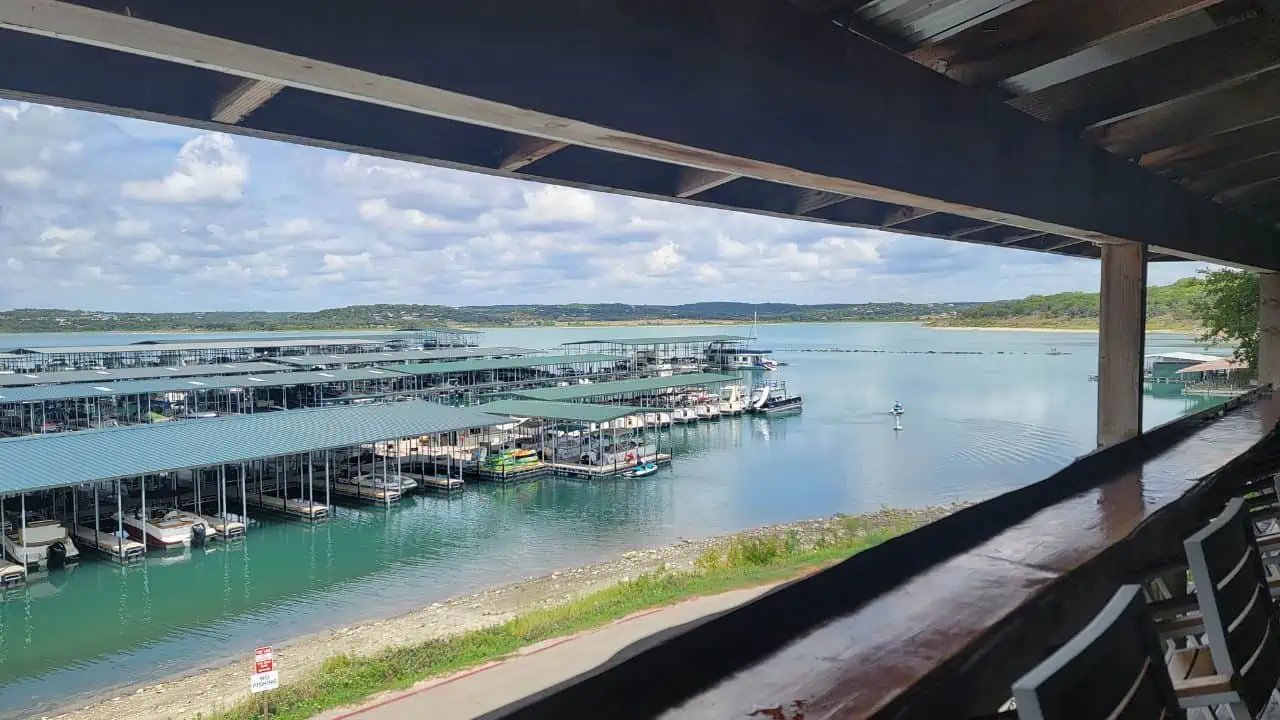
Canyon Lake features two major full-service marinas. Each offers a different set of amenities depending on your location on the lake.
| Marina | Location | Best For… |
|---|---|---|
| Canyon Lake Marina | North Shore (FM 306) | Dining (Baja BBQ) & Large Group Rentals |
| Cranes Mill Marina | South Shore (FM 2673) | Peaceful surroundings & Fishing boat rentals |
Both marinas feature well-stocked “Ship Stores.” You can find ice, sunscreen, snacks, and basic fishing tackle at these locations.
The History of the Canyon Dam Construction
The construction of the Canyon Dam was a massive undertaking that began in 1958. The primary goal was to provide flood protection for the downstream Guadalupe River valley.
The project cost approximately $20 million at the time. It involved moving millions of cubic yards of earth and rock to create the 6,830-foot-long embankment.
Before the valley was flooded, several small farming communities had to be relocated. The Texas State Historical Association provides detailed archives on the relocation of the towns of Hancock and Cranes Mill.
Comprehensive Canyon Lake Packing List (2026 Edition)
Don’t let a forgotten item ruin your trip. Here is a checklist of essentials specifically for Canyon Lake’s unique terrain:
- Water Shoes: The “beaches” are limestone, not sand. Protection for your feet is mandatory.
- High-SPF Sunscreen: Reflection off the white limestone doubles your UV exposure.
- Dry Bags: Essential if you are tubing the Guadalupe or kayaking the lake.
- Binoculars: For birdwatching at Curry Nature Center or spotting wildlife.
- Reusable Water Bottles: Many parks have hydration stations to reduce waste.
- Sturdy Hiking Boots: Required for the Canyon Lake Gorge tours.
Nearby Cities and Day Trip Ideas
Take advantage of your location to explore these nearby Texas treasures. Each offers a distinct experience within an hour’s drive.
- New Braunfels (20 Minutes): Home to Schlitterbahn and the historic Gruene district.
- Wimberley (25 Minutes): Known for the Blue Hole and Jacob’s Well Natural Area.
- Fredericksburg (1 Hour): The heart of Texas wine country and German heritage.
- San Marcos (30 Minutes): Famous for its river and world-class outlet shopping.
Logistics: Parking, Supplies, and Safety
Planning the logistics of your trip is crucial for a stress-free experience. Most parks have moved to a “cashless” system for entry fees in 2026.
| Park/Service | Typical 2026 Fee | Best Feature |
|---|---|---|
| Comal Park | $10 – $20 per vehicle | Sandy swim beach & large picnic area |
| Overlook Park | Free (Limited) | Walking across the dam for sunset views |
| Potter’s Creek | $30+ (Camping) | Best RV facilities and wildlife views |
| North Park | $10 per vehicle | Premier scuba diving and deep water access |
Safety on the Water
Canyon Lake is a deep-water reservoir with hidden hazards. The water level can fluctuate, exposing or hiding submerged trees and rocks.
We strongly advise using a GPS-enabled depth finder if you are operating a boat. The Texas Parks and Wildlife Department maintains a constant presence on the lake.
Life jackets are mandatory for all children under 13. They must be easily accessible for every person on board any vessel.
Frequently Asked Questions About Canyon Lake
What is the best month to visit Canyon Lake?
For water sports, June through August offers the most reliable weather. For hiking, April and October provide milder temperatures and stunning natural light.
Can you swim in Canyon Lake for free?
Overlook Park provides free access to the lake for swimming. However, it involves more rocky entry points compared to the paid parks.
Are there restaurants on Canyon Lake?
Yes, several restaurants offer lakeside dining. Baja BBQ Shack at the Canyon Lake Marina is the most famous for its views.
How far is Canyon Lake from the San Antonio Airport?
The drive takes approximately 45 to 55 minutes via US-281 North. It is a straightforward route into the heart of the Hill Country.
Canyon Lake remains the crown jewel of Texas recreation in 2026. Plan your adventure today and experience why Texans consider this their “happy place” in the Hill Country.