Tyler Rose Garden Guide: Hours, Admission, Blooms & Festival
Tyler Rose Garden is one of East Texas’s most recognizable stops, and it works well for a quick photo stop or a longer garden visit. The garden is open daily from sunrise to sunset, admission is free, and the best bloom windows usually arrive in October and mid-to-late May.
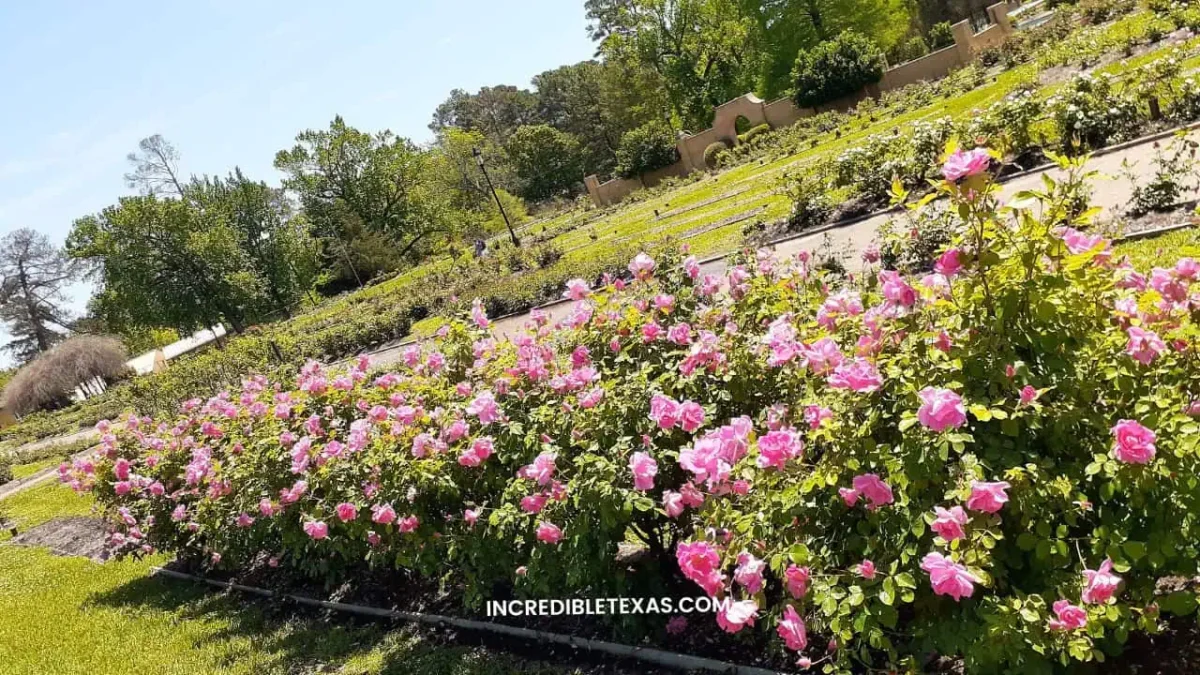
Visitors can come for the formal rose beds, the Rose Garden Center, and the Texas Rose Festival connection, or pair the garden with other Tyler attractions such as 11 Best Things to Do in Tyler TX. The setting also makes sense for weddings, group tours, and easy East Texas sightseeing.
| Address | 420 Rose Park Dr, Tyler, TX 75702 |
| Phone | (903) 531-1212 |
| Garden Hours | Daily, sunrise to sunset |
| Admission | Free |
| Rose Garden Center Hours | Mon-Fri 8 a.m. to 5 p.m.; Sat 9 a.m. to 5 p.m.; Sun 1 p.m. to 5 p.m. |
| Rose Museum & Gift Shop Hours | Tue-Fri 9 a.m. to 4:30 p.m.; Sat 10 a.m. to 4:30 p.m. |
| Best Bloom Windows | October and mid-to-late May |
| Garden Size | 14 acres |
Tyler Rose Garden at a Glance
The Tyler Rose Garden belongs in any East Texas sightseeing plan because it combines a large public landscape with a strong local identity. Visit Tyler describes it as the city’s world-famous rose collection, and the garden remains a year-round draw for walkers, photographers, and event planners.
The official city pages also place the garden within the broader Tyler Rose Complex, which makes it easy to connect a garden walk with other nearby attractions and venues. The Rose Garden Center sits beside the outdoor beds and gives the visit a second layer beyond the landscape itself.
- Best for: flower viewing, portraits, relaxed walking, and seasonal events.
- Trip length: 30 minutes for a quick stop or 1 to 2 hours for a fuller visit.
- Visitor style: easygoing, low-cost, and suitable for locals and road-trippers.
- Nearby pairing: the garden fits naturally with a Tyler day trip or a broader East Texas loop.
For travelers building a longer East Texas itinerary, the garden also pairs naturally with Best East Texas State Parks And Nature Reserves. It is easy to combine a formal garden stop with more open-air scenery on the same trip.
Visit Tyler’s listing and the official City of Tyler garden page both describe the garden as free to enter and open daily. That makes it one of the easiest garden stops to add to a Tyler itinerary.
Tyler Rose Garden Hours, Admission, and Location
The outdoor garden is open daily from sunrise to sunset, and admission is free. The city also notes that the garden is secured with gates, so visitors should plan around the posted access times rather than assuming unrestricted all-day entry.
| Visitor Detail | Current Information |
|---|---|
| Outdoor Garden | Daily from sunrise to sunset |
| Admission | Free |
| South Gate | Closes at 3:30 p.m. |
| West Gate | Automatically closes at 8 p.m. |
| Rose Garden Center | Mon-Fri 8 a.m. to 5 p.m.; Sat 9 a.m. to 5 p.m.; Sun 1 p.m. to 5 p.m. |
| Museum & Gift Shop | Tue-Fri 9 a.m. to 4:30 p.m.; Sat 10 a.m. to 4:30 p.m. |
| Parking | Two designated parking lots |
| Accessibility | ADA-accessible center and garden access |
The official contact page lists the garden at 420 Rose Park Dr in Tyler, and according to the city garden page, the venue is open year-round.
For current access details, the Tyler Rose Complex pages are the most practical official sources because they list phone, hours, and public-access notes in one place.
December brings a seasonal wrinkle because the garden gates close for the holiday light display and access shifts to the building during indoor operating hours. That detail matters for winter planning, especially for visitors who want to rely on the outdoor gates after dark.
What Visitors Can See at Tyler Rose Garden
The Tyler Rose Garden’s appeal goes beyond rows of roses. Visit Tyler highlights the Idea Garden, Heritage Garden, and camellia and day lily collections, which give the site enough variety to feel interesting even outside peak rose bloom periods.
The city also describes the garden as a place for formal beds, quiet pathways, and event use. The site suits both casual walks and special occasions.
- Formal rose beds: the main attraction for visitors who want color, fragrance, and photo opportunities.
- Idea Garden: a useful stop for visitors interested in garden design and planting ideas.
- Heritage Garden: a good fit for visitors who want a stronger sense of the site’s history.
- Camellia and day lily collections: additional blooms that keep the garden interesting through different seasons.
- Rose Garden Center: an indoor complement with exhibits, meeting space, and garden-related displays.
The city’s garden tour materials explain that the site opened in 1952 after years of planning and soil work. Visitors who enjoy horticulture can treat the garden as both a scenic stop and a living example of municipal garden design.
Select beds also use QR codes that identify rose varieties and share care details, so the garden works as more than a pretty photo spot. That educational layer adds value for visitors who want names, not just colors.
The indoor side of the complex also matters. The Rose Garden Center page says the center and garden are ADA accessible, and it lists two designated parking lots plus rentable areas for events and gatherings.
The city also uses QR-code plaques in select beds, which helps visitors identify roses and learn care details while they walk. That layer turns part of the garden into an informal outdoor classroom rather than a purely decorative display.
City of Tyler’s QR code update explains how the plaques support the garden’s educational side. Visitors who enjoy labels, cultivars, and garden care notes will find that feature especially useful.
For travelers comparing larger park settings in the region, Tyler State Park Hours, Price, Trails, Camping offers a different East Texas experience. The state park is a better match for lake time and trails, while the Rose Garden is the stronger fit for flowers and formal landscaping.
A related look at regional recreation is available in the East Texas state-park roundup, which helps position the Rose Garden as part of a broader outdoor itinerary rather than a stand-alone stop.
Tyler Rose Garden Center, Museum, And Event Space
The Rose Garden Center gives the property a second use beyond the outdoor beds. The center supports indoor-outdoor venues, event gatherings, and educational visits, which means the complex works well for families, tour groups, and community events that need more than a casual walk.
The Rose Garden Tour materials say the garden opened in 1952 and that the first planting used nearly 3,000 rose bushes. That history still matters because it explains why the site feels so deliberate, with beds and walkways laid out for both beauty and public use.
| Indoor Feature | Visitor Benefit |
|---|---|
| Rose Garden Center | Indoor space for events, meetings, and rest breaks |
| Rose Museum | Background on the city’s rose heritage and festival culture |
| Gift Shop | Garden guide, souvenirs, and rose-related items |
| Event Rentals | Useful for weddings, reunions, and community programs |
| Parking Lots | Two designated lots for public access and events |
The Rose Garden Center page also emphasizes accessibility, which matters for visitors who need easier paths and indoor space. That is one reason the garden can serve both a quick sightseeing stop and a more organized program or group visit.
For larger groups, the city’s tour form says guided visits can be requested from March through November with at least 30 days’ notice. That makes the site especially useful for school outings, clubs, and organized travel groups that want a structured introduction to the collection.
- History first: the garden’s opening in 1952 gives the property a strong civic identity.
- Educational value: guides and labels help visitors learn cultivar names and garden design ideas.
- Flexible use: the center can support both formal events and simple visitor comfort.
- Public access: the outdoor garden remains free and open to the public throughout the year.
Best Time To Visit Tyler Rose Garden
According to Visit Tyler, the most colorful visits usually happen in October and in mid-to-late May. Those windows are the safest times to expect the fullest rose display.
| Season | What Visitors Usually Notice | Best For |
|---|---|---|
| Mid-to-late May | Fresh spring color and active bloom beds | Flower photos and relaxed garden walks |
| October | Second peak bloom window with strong seasonal color | Photography and festival season |
| Summer | Still open daily, but hotter and brighter | Early morning visits and shorter stops |
| Winter | Quieter conditions and some indoor schedule changes | Low-crowd visits and event planning |
Morning visits work well because the light is softer and the weather is usually more comfortable. Late afternoon can also be a strong choice, especially for photographers who want warmer light without the midday heat.
For a broader East Texas day trip, the garden fits neatly beside Must-Visit Hidden Gems In East Texas. That kind of route works especially well for visitors who want to build a themed itinerary around gardens, parks, and small towns.
Spring and fall are the easiest seasons for combining the Rose Garden with another outdoor stop. Tyler State Park offers a lake, trail, and picnic option on the same trip.
Texas Rose Festival And Seasonal Events
The Texas Rose Festival is the event most closely tied to the garden, and according to Visit Tyler, it takes place the third weekend of October every year. That timing lines up neatly with one of the garden’s strongest bloom periods, which is part of why October feels so central to the Tyler rose identity.
The festival page highlights ceremonial events such as the Queen’s Coronation, Ribbon Cutting and Rose Presentation, the Queen’s Tea, and the Rose Parade. Those traditions make the garden more than a scenic backdrop; they turn it into a live stage for one of Tyler’s signature celebrations.
Visit Tyler’s Texas Rose Festival page confirms the garden stays open year-round, so festival timing does not replace normal garden access. Instead, the event adds a specific seasonal reason to plan a visit during the fall.
The city also lists event use as part of the garden’s role, which helps explain why weddings, reunions, and civic gatherings continue to center on the space. The Rose Garden Center is built to support those uses without changing the public nature of the outdoor beds.
The city’s annual Art in the Garden event is another seasonal draw.
The current listing places it tentatively on April 25, 2026, from 11 a.m. to 2 p.m., with free admission.
Group tours are also available for larger parties. The city’s tour form says groups of 10 or more can request guided visits from March through November with at least 30 days’ notice, which makes the site practical for clubs, schools, and tour planners.
The official Tyler Rose Garden Tour form is useful for visitors who want cultivars listed ahead of time or who are coordinating a structured visit. It is a good source for planning a more educational garden stop rather than a casual walk.
Nearby Tyler Stops Worth Pairing With The Garden
Tyler works well as a half-day or full-day outing because several other attractions sit close enough to combine with the garden. That makes the Rose Garden an easy anchor for a broader Tyler itinerary rather than an isolated stop.
Travelers who want a longer East Texas loop can add a small-town stop after the garden and still keep the day relaxed. The route feels especially natural for visitors who like gardens, museums, parks, and scenic drives in one outing.
- Tyler downtown: a simple add-on for lunch, shopping, or a second photo stop.
- Rose Complex venues: useful for visitors who want to understand the broader civic campus around the garden.
- East Texas side trips: a stronger fit for travelers who want to keep the day outdoors and unhurried.
A wider East Texas itinerary can also use Best Small Towns In East Texas Things To Do as a companion guide. It turns a Tyler garden stop into a regional road trip.
Why The Tyler Rose Garden Still Matters In Tyler
Tyler Rose Garden matters because it gives the city a free, year-round public landmark that still feels tied to local identity. The setting is formal enough for portraits and ceremonies, but open enough for an easy walk on an ordinary afternoon.
The garden also helps explain why Tyler is still closely associated with roses. The city’s official history places the first planting in 1952, and the festival calendar keeps that identity visible each fall.
Visitors who return more than once usually notice different details each time. One visit might focus on bloom color and fragrance, while another highlights labels, garden design, or the indoor center and museum space.
- Public value: a free attraction that fits both casual outings and planned trips.
- Local identity: a visible reminder of Tyler’s rose heritage.
- Seasonal variety: bloom cycles, festivals, and changing light keep the site from feeling static.
- Flexible use: the complex supports tourists, residents, and organized groups.
The Rose Garden works well on rainy days, busy weekends, and short Tyler itineraries. The outdoor beds, the center, and the festival calendar each support a different type of visit.
How To Plan A Comfortable Visit to Tyler Rose Garden
A comfortable visit starts with timing the outing around light, heat, and gate schedules. Morning arrivals usually feel easiest because the light is softer, the temperatures are lower, and the rose beds photograph well before the day gets bright and busy.
Late afternoon can also work, but it is worth planning around the south gate and west gate times before arriving near closing. That matters more in summer, when visitors often lose track of time while walking the beds or lingering around the center.
Spring and fall are the best seasons for lingering longer. Spring brings fresh blooms and softer weather, while fall ties the garden to the Texas Rose Festival and a more polished visitor rhythm across Tyler.
What Visitors Should Bring
- Water: helpful during warm months and especially useful for families and older visitors.
- Sunscreen and a hat: practical protection for the open walking paths.
- Comfortable shoes: a good fit for the formal paths, center access, and photo stops.
- Camera or phone: useful for portraits, blooms, and label photos in the QR-code beds.
- Light layers: helpful when indoor and outdoor spaces are part of the same visit.
How Long To Stay
A short stop can be completed in under an hour, especially when the visit is limited to the main rose beds and a few photos. A longer stay is better when the indoor center, museum, and event grounds are part of the plan.
Families and small groups often do best with a slow pace, since the garden is designed for strolling rather than rushing. That style leaves room for reading labels, comparing cultivars, and enjoying the contrast between formal beds and relaxed green space.
Visitors who want a full Tyler day can pair the garden with lunch downtown or with another East Texas stop later in the afternoon. The Rose Garden works well as the steady anchor in that kind of route because it is free, easy to find, and simple to fit into a broader schedule.
Tyler Rose Garden Visitor Tips And FAQ
A smoother visit usually starts with a simple plan: arrive early, check the gate times, and decide whether the stop will be a quick walk or a longer garden session. Because the outdoor garden and the indoor center keep different schedules, a little timing goes a long way.
- Plan for sunlight: early morning and late afternoon are the easiest times for comfortable walking and photos.
- Check indoor hours: the Rose Garden Center and museum do not follow the same schedule as the outdoor garden.
- Bring a camera: the formal beds and labeled collections make the site especially photo-friendly.
- Use the indoor center for cover: the building provides a useful fallback on hot or rainy days.
- Consider a group tour: larger groups should request guided access ahead of time.
Is Tyler Rose Garden free?
Yes. The outdoor garden is free to enter, which is one reason it remains one of Tyler’s easiest attractions to fit into a low-cost trip.
What is the best time of year to visit Tyler Rose Garden?
October and mid-to-late May are the strongest bloom windows. October adds the extra draw of Texas Rose Festival season, while May usually offers fresh spring color and comfortable weather.
How long does a visit to Tyler Rose Garden take?
Most visitors spend 30 minutes to 2 hours at the garden. The shorter end works for a quick walk and photos, while the longer end fits visitors who want the center, museum, and event spaces included.
Is Tyler Rose Garden open year-round?
Yes. The outdoor garden stays open year-round, although winter access can change because of the holiday light display and the indoor schedules for the center and museum.
Can groups tour Tyler Rose Garden?
Yes. The city says groups of 10 or more can request tours from March through November, and the request should be sent at least 30 days before the visit.
Final Thoughts
Tyler Rose Garden is an easy recommendation for visitors who want a free, polished, and distinctly East Texas stop. The garden’s open daily schedule, peak bloom windows, and festival connection give it enough depth to reward both first-time visitors and repeat trips.
The free entry makes repeat visits easy.
For travelers planning a broader Tyler route, the garden works best as the anchor of a relaxed half-day trip that can stretch into a full East Texas outing. Between the formal beds, the Rose Garden Center, and the Rose Festival calendar, the site offers far more than a simple flower walk.