Padre Island National Seashore: Things to Do, Fees & Camping
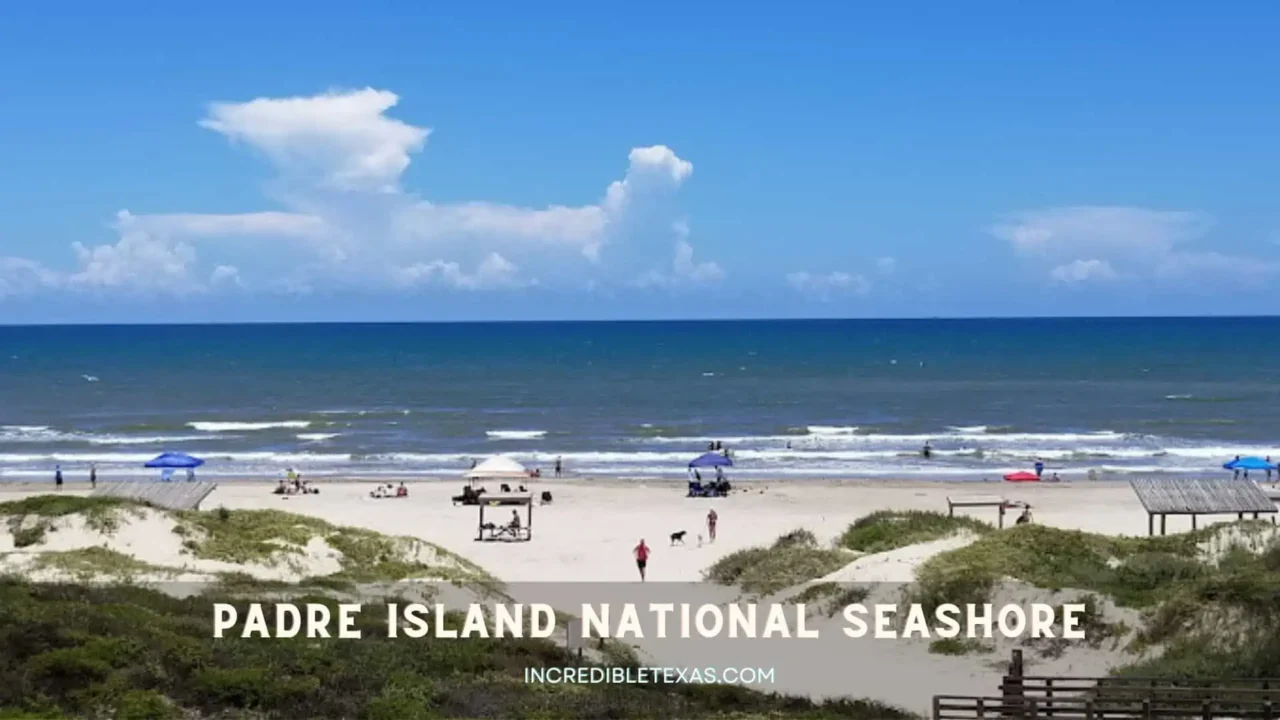
Padre Island National Seashore gives you 66 miles of undeveloped Texas coastline near Corpus Christi, and the simple version is this: you need a park pass, you need to plan for beach conditions, and you get a lot more out of the visit when you arrive ready for wind, sand, and limited cell service. If you want a beach day that still feels wild, this is where the Texas coast slows down enough for birding, beachcombing, fishing, paddling, and camping.
You can treat the seashore as a half-day stop, a full beach day, or an overnight trip, but the trip works best when you know the basics before you reach the entrance station. From downtown Corpus Christi, the entrance sits about 10 miles south of the JFK Causeway on Park Road 22, and South Padre Island is not next door.
If you are basing the trip in the city, Corpus Christi weekend trip ideas fit naturally before or after a park visit, and the directions page keeps the final approach simple. The goal is not to overplan the coastline; the goal is to show up with enough information that you can enjoy it without second-guessing the route, the fee, or the beach rules.
| Quick fact | What you need to know |
|---|---|
| Location | North Padre Island near Corpus Christi |
| Corpus Christi distance | About 10 miles south of the JFK Causeway on Park Road 22 |
| Visitor center address | 20420 Park Road 22, Corpus Christi, TX 78418 |
| Visitor center hours | Daily, 9 AM to 5 PM |
| Entrance fee | Private vehicle pass $25 for 7 days; 1-day pass $10 |
| Camping | First come, first served; no reservations |
| Beach driving | 4WD recommended; 2WD only on North Beach and South Beach mile marker 0 to 5 |
| Pet rule | Leash no longer than 6 feet |
| Cell service | Very limited |
| Nearest major city | Corpus Christi |
| South Padre Island | About 100 miles away; 3 to 4 hours by road |
Corpus Christi is the nearest major city, and the entrance sits about 10 miles south of the JFK Causeway on Park Road 22.
The park sits about 10 miles from Corpus Christi.
The park feels more useful when you think of it as a barrier-island landscape rather than a typical city beach. You are moving through beach, dunes, grasslands, and the Laguna Madre, so the right day here is usually the one where you bring water, sun protection, and a little patience for the coast to be its own version of messy and beautiful.
What Padre Island National Seashore Is
Padre Island National Seashore protects a long stretch of undeveloped barrier island, and that shape matters because it creates a much quieter experience than the busier resort beaches farther south. You are not coming for a boardwalk or a row of restaurants; you are coming for open sand, wildlife habitat, and the kind of shoreline that still feels large when you stand beside it.
The seashore sits near Corpus Christi on North Padre Island, and South Padre Island is a separate trip about 100 miles away. A lot of travelers see the word “Padre” and assume the two places sit close together, when the road trip actually runs for hours and takes you inland before you come back to the coast.
If you want the short mental model, think of the park as a long, undeveloped coastline with a few key bases rather than a single concentrated attraction. Malaquite Visitor Center is the easiest place to orient yourself, Bird Island Basin gives you a water-sports base, and the north and south beach roads make the long island feel accessible if you are prepared for sand and wind.
The park also gives you enough room to slow down, which is part of the appeal. You can spend an hour on the beach, spend half a day driving and stopping, or stay overnight if you want sunset, stargazing, and an early start before the heat settles in.
That flexibility is why the seashore works for different kinds of trips. A casual beach stop, a Corpus Christi weekend, a birding outing, and a family camping trip can all make sense here, as long as you remember that the coast runs on beach conditions instead of city convenience.
How to Get There and What to Expect
The easiest first-time route starts in Corpus Christi and follows TX-358 E, then Park Road 22, all the way to the park entrance at the north end of Padre Island. The address you want in your map app is 20420 Park Road 22, Corpus Christi, TX 78418, but GPS systems sometimes place it a little off, so the words “Malaquite Visitor Center” usually work better than the street number alone.
The drive from the city feels simple once you know the route, but the park still asks you to think ahead because the last stretch is not built like a normal urban beach road. If you are staying in town, Corpus Christi beaches and the seashore make an easy two-stop coastal plan, and the park is far enough from the city center that you should pack what you need before you turn south.
You should also expect a place that runs on self-sufficiency. The park does not have a restaurant, sandwich shop, or gas station, and the practical answer is to bring food, fuel, water, and anything else you want before you enter the seashore.
The visitor center gives you the easiest reset point once you arrive. You can ask for the current conditions, use the restrooms, fill a bottle, and get a clearer sense of whether your day should stay close to Malaquite or continue farther down the beach.
If you want the most predictable first visit, keep the route short and the first stop simple. The seashore rewards people who choose one clear plan, because the beach, the weather, and the sand can change the rest of the day fast enough that overcomplicating the first hour usually adds stress you do not need.
Best Things to Do at Padre Island National Seashore
The seashore gives you enough activity options to build a very different day from the same entrance road. Beachcombing, birding, fishing, paddling, and camping all fit the park well, and the best choice usually depends on whether you want motion, quiet, or a little bit of both.
| Activity | Where to focus | Specific detail that helps |
|---|---|---|
| Beachcombing | North Beach and South Beach | Go early or after weather changes when shells and natural debris tend to be more visible |
| Birding | Grasslands, Laguna Madre, and shoreline edges | The park sits on the Central Flyway and sees a large mix of migratory birds |
| Fishing | Surf line, jetties, and beach access points | A valid Texas fishing license package is required unless an exception applies |
| Paddling | Bird Island Basin | The basin gives you direct access to the Laguna Madre side of the park |
| Camping | Malaquite, Bird Island Basin, North Beach, and South Beach | All camping uses first-come, first-served registration |
| Ranger stop | Malaquite Visitor Center | Use it for maps, beach-condition checks, and a quick reset before you continue |
Bird Island Basin is the clearest place to think about if you want water without committing to the open Gulf. The basin sits on the Laguna Madre side, so it feels different from the surf beach, and that contrast is part of what makes the park interesting if you are willing to stay long enough to notice it.
If you want a softer-water alternative to the national seashore, Mustang Island State Park gives you another coastal option nearby. The seashore still wins when you want space and solitude rather than a busier beach-town feel.
The park’s things-to-do page is useful because it keeps the list practical instead of romantic. You can use it to decide whether your day is really about birding, fishing, beach driving, or a quick visitor-center stop before you head farther out on the island.
That practical framing matters because the seashore is large enough to reward a specific plan. If you arrive thinking vaguely about “going to the beach,” you can still have a good day, but you usually have a better day when you decide in advance whether you are chasing shells, birds, waves, or a campsite.
The easiest way to improve the visit is to match your expectations to the setting. The park gives you long lines of beach and plenty of room to breathe, but it does not hand you the comforts of a city beach, so the more you pack and prepare, the more the coast feels open instead of inconvenient.
Open the things to do page before you leave if you want the park activity list in front of you, then pick the one or two activities that actually fit your day. A shorter visit works better when you do less, not more.
Padre Island National Seashore Beach Driving, 2WD vs. 4WD, and Safety
Beach driving is where Padre Island National Seashore starts to feel different from a normal day at the coast. The park recommends 4WD, and 2WD vehicles are limited to North Beach and South Beach from mile marker 0 to 5, so the safest plan is to treat the beach like a real driving surface rather than an extension of the highway.
That means you should check your tires, lower your speed, and keep your attention on the sand instead of the horizon. The park also posts speed limits that change by section, with slower driving near the entrance areas and faster limits farther down the beach, so your route should always be shaped by the posted signs you see that day.
Open the driving down island page before you head out if you want the current road rules in front of you. You will also want to check weather, tides, and current conditions, because a beach that looks fine in the morning can turn into a softer and more frustrating drive later in the day.
Safety here is not vague, and that is useful because it gives you a clear list of things to bring. Water, food, a trash bag, sun protection, a tire gauge, a jack, recovery gear if you are heading far down the beach, and a backup plan for what to do if you have to turn around all belong in the car before you leave town.
Cell service is very limited in the park, so you should not assume that you can solve a problem with a quick phone call once you are out on the sand. If something matters for your day, check it before you leave the visitor center or before you leave Corpus Christi.
The beach also changes with nesting wildlife, and the park’s sea turtle season runs from April through August. That is a real reason to slow down, watch for posted warnings, and treat the shoreline like a living habitat instead of an empty strip of sand.
- Bring water: You may be far from shade and facilities.
- Bring food: The park does not sell meals.
- Bring a recovery plan: Sand can trap a vehicle faster than you expect.
- Bring a trash bag: Leave the beach cleaner than you found it.
- Bring patience: Beach conditions change faster than pavement conditions do.
The safest beach day usually starts earlier than you think it needs to. Morning light is easier on the heat, the sand is often firmer, and you get a little more room to fix a mistake before the day gets crowded or hot.
If you are unsure about your vehicle or your comfort level, stay close to the visitor-center side and avoid pushing farther down the beach than you need to. The park is large enough to feel rewarding even when you keep the drive short.
Padre Island National Seashore Camping Options and Overnight Rules
Camping at Padre Island National Seashore is straightforward once you understand the system: there are no reservations, and campsites are first come, first served. When you arrive at Malaquite Campground, Bird Island Basin Campground, North Beach, or South Beach access roads, you use the self-service kiosk, register your stay, and pay the fee if one applies.
Open the camping page before you go if you want the latest campground notes in front of you. Malaquite Campground costs $14 per night and Bird Island Basin Campground costs $8 per night, and both sites are no-hookup campgrounds.
| Camping option | Best use | Key detail | Nightly fee |
|---|---|---|---|
| Malaquite Campground | Easy beach access and a simple first overnight | Closest to the visitor center side of the park | $14 |
| Bird Island Basin Campground | Paddling, wind, and the Laguna Madre side | No-hookup campground near the basin | $8 |
| Beach camping | Longer, quieter overnight on the sand | Register at the kiosk and respect local road and weather conditions | Fee varies by pass and camping setup |
Camping here is easier when you think like a beach traveler instead of a campground traveler. Shade can be limited, water is not guaranteed at the site, and the park’s low cell service means that a little planning before sunset prevents a lot of frustration after dark.
You also need the right entrance pass if you stay overnight, because camping fees do not replace park entrance fees. If you arrive by vehicle, the entrance pass covers you and your passengers, but the camping fee is still separate from that day-use or vehicle fee.
Bird Island Basin is the better pick if you care more about paddling and wind than about a beach-front camp setup, while Malaquite is the easier first choice if you want a more familiar campground feel. Either way, you should bring everything you need for the night instead of assuming you can fill in missing gear after you arrive.
If you want to camp on the beach, be ready for a simpler experience and less separation from the elements. That can be a huge part of the appeal, but it also means you need to respect the sand, the tide, and the weather more than you would at a campground with hookups and paved pads.
For a first overnight, the smartest plan is usually the least ambitious one. Pick a campground, arrive before dark, register properly, and keep the rest of the night focused on the coast instead of on logistics.
Padre Island National Seashore Fees, Hours, and Passes
Park entrance fees are required year-round, so the price question is not whether you pay, but which pass fits your visit. A private vehicle pass is $25 for seven days, a one-day private vehicle pass is $10, and annual passes are available if you plan to return during the year.
People entering without a car use a different pass, which matters if you are biking or walking in. If that is your plan, the per-person pass is different from the vehicle pass, so it is worth checking before you arrive rather than guessing at the gate.
Open the fees and passes page before you go if you want the current price list in front of you. The same page notes that the Padre Island annual pass costs $45, that camping and boat ramp fees are separate, and that Corpus Christi Beach parking permits are not valid inside the national seashore.
The visitor center is open every day from 9 AM to 5 PM. That window matters if you want a ranger question answered, a rest stop, or a last check on the beach before you head deeper into the park.
The address that belongs in your map app is 20420 Park Road 22, Corpus Christi, TX 78418, and GPS can place the visitor center several miles away from the real location. If you want to avoid a confusing final turn, type “Malaquite Visitor Center” and then follow the park signs instead of letting your phone improvise.
Boat ramp access at Bird Island Basin has its own use fee, which is separate from entrance and camping costs. If your day includes paddling or a launch at the basin, the separate fee applies to that use rather than to a flat beach price.
Nearby Beaches, Towns, and Day Trips
Padre Island National Seashore is near Corpus Christi, but it is not the same thing as South Padre Island, and the difference matters for trip planning. The two places are about 100 miles apart, and the drive between them takes about 3 to 4 hours.
You cannot drive straight from the national seashore to South Padre Island because Mansfield Channel cuts the island near the south end of the park. If you want a separate South Texas beach-town stop after the park, South Padre Island things to do belong on a different day, not on the same assumption that the two places sit side by side.
If you want a shorter coastal add-on, the Corpus Christi side gives you easier choices. best beaches in Texas style planning can help if you are comparing coastlines.
The park works especially well if you are already building a Corpus Christi trip because you can keep the day simple and coastal without turning it into a long drive. A morning at the seashore, lunch in the city, and an evening back near the water is a very different plan from a South Padre Island trip, which deserves its own full travel window.
If you want a broader comparison of Texas shoreline options, the seashore still stands out because it protects a long unbroken stretch of undeveloped coast. That does not make it the right fit for every traveler, but it does make it the place to choose when you care more about open space and wildlife than about a packed beach scene.
A good rule is simple: use Padre Island National Seashore for the wild coast, use Corpus Christi for convenience, and use South Padre Island only when you want the resort side of the barrier-island experience. Each choice gives you something different, and the right one depends on how much driving and how much quiet you want.
Best Time to Visit, Wildlife, and Sea Turtle Season
Spring and fall are usually easier on your body because the heat is lower and the wind feels more manageable, while summer can be intense enough that an early start matters more than any other planning choice. The coast still works in summer, but you should treat sun, water, and shade as your main gear rather than extras.
The wildlife is not a side note here. The park lies on the Central Flyway and supports a large bird population, so birding can feel rewarding even if you do not call yourself a birder, and the shoreline also plays host to Kemp’s ridley sea turtles during nesting season.
Sea turtle nesting runs from April through August, and that is a strong reason to slow down and watch for signs on the beach. If you happen to be there during hatch or release season, that can become the most memorable part of the day, but the bigger point is that the park is living habitat first and recreation space second.
The best shelling and beachcombing often show up after weather changes, when currents move new material onto the sand. That does not mean you should wait for a storm, only that the beach is more interesting when you leave room for conditions to change and do not expect the shoreline to look the same from one hour to the next.
The visitor-center side usually makes the easiest first stop if you want wildlife plus a practical beach day. You can get your bearings, learn the current conditions, and decide whether the rest of the day should stay close to the beach access or continue farther down the island.
For most travelers, the winning approach is calm, not complicated. Arrive early, keep a flexible route, respect nesting areas, and let the seashore be the reason the day slows down instead of the reason your schedule gets crowded.
Padre Island National Seashore FAQ
Can you drive on Padre Island National Seashore?
Yes, you can drive on designated beach roads inside the seashore, but the park is not a free-for-all driving area. You need to follow the posted rules, and the safest way to treat the beach is as a low-speed driving surface that can change with sand, tides, and weather.
If you want the simplest answer, drive only where the signs allow it and keep a recovery plan in the vehicle. That is the easiest way to enjoy the long shoreline without turning the trip into a sand rescue story.
Do you need 4WD for Padre Island National Seashore?
4WD is strongly recommended, especially if you want to go beyond the most limited 2WD beach sections. 2WD vehicles are only allowed on North Beach and South Beach from mile marker 0 to 5, so a 4WD vehicle gives you the most flexibility and the least risk.
If you are not confident about sand driving, stay close to the visitor-center side and keep the day short. You can still have a very good visit without trying to prove anything on the beach.
Can you camp overnight at Padre Island National Seashore?
Yes, you can camp overnight, and the park offers both campground and beach-camping options. The key point is that reservations are not accepted, so you need to use the self-registration process and plan around first-come, first-served availability.
Malaquite Campground, Bird Island Basin Campground, North Beach, and South Beach access roads are all part of the camping system. If you want the smoothest first overnight, arrive early enough to register before dark and bring everything you need for a no-hookup stay.
How much does it cost to enter Padre Island National Seashore?
A private vehicle pass is $25 for seven days, and a one-day private vehicle pass is $10. If you are entering by foot or bike, the fee structure changes, so it is worth checking the current fee page before you leave town.
Camping, boat ramp use, and annual passes are priced separately, so the total cost depends on how you visit. That is usually a good tradeoff for a place with this much coastline, but it is still worth knowing before you reach the gate.
Is Padre Island National Seashore free?
No, entrance fees are required year-round for all areas of the park. Even if you are only planning a simple beach stop, you should expect to buy a pass unless you already have a valid annual or eligible federal pass.
That is the simplest way to avoid a surprise at the entrance station. The park is worth the fee for many visitors, but it is not a free public beach in the usual city sense.
What is the difference between Padre Island and South Padre Island?
Padre Island National Seashore sits on North Padre Island near Corpus Christi, while South Padre Island is a separate resort community near Brownsville. The two places are about 100 miles apart, and the drive between them takes about 3 to 4 hours.
You also cannot drive directly from the park to South Padre Island because Mansfield Channel breaks the island near the south end of the seashore. That difference is the main reason the two places should be treated as separate trip ideas instead of the same coastline stop.