Lake Bob Sandlin State Park: Camping, Fishing & Visitor Guide
The dawn mist rises off the northern shore of a 9,000-acre reservoir where the towering pines of East Texas meet the sturdy oaks of the Post Oak Savannah. You are standing on the 639.8 acres of Lake Bob Sandlin State Park, a dual-ecoregion escape that offers some of the most diverse camping and angling opportunities in Titus County.
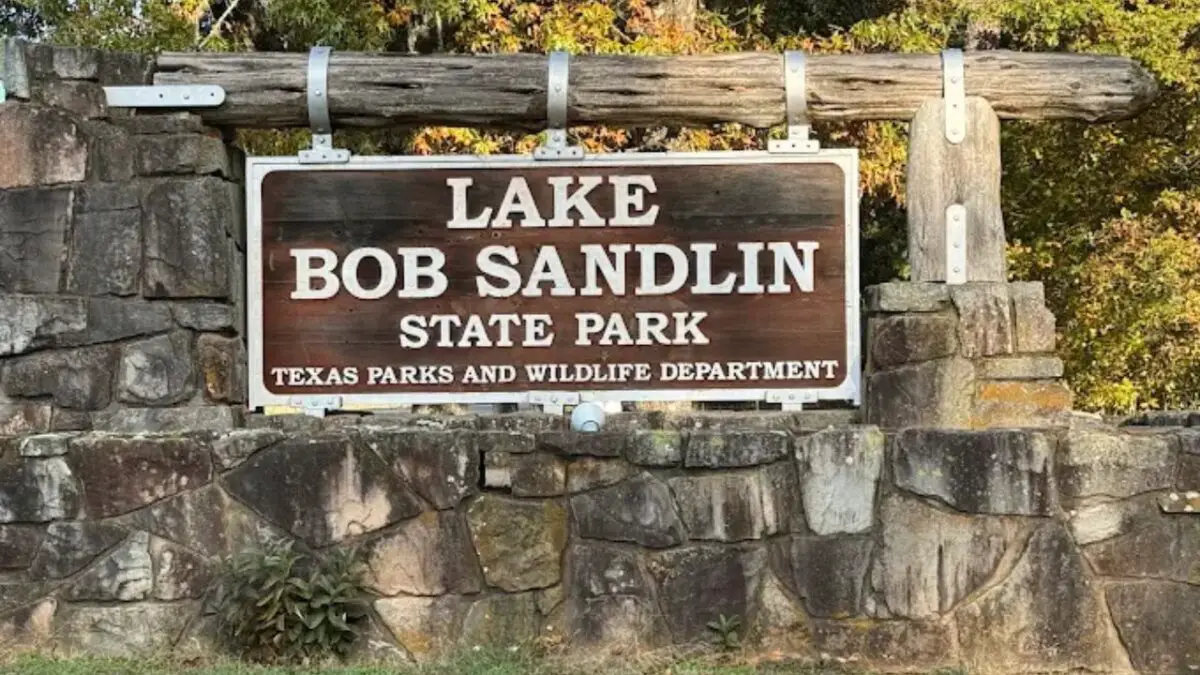
Lake Bob Sandlin State Park is a premier destination for Texas state parks enthusiasts, featuring a stocked trout pond, waterfront cabins, and the historic footprints of the Republic of Texas. Below, you will find a tactical guide to the park’s 75 premium campsites, its 3.3-mile trail system, and a seasonal fishing playbook to help you master the lake in a single weekend.
Lake Bob Sandlin State Park Camping: From Shaded Sites to Water-Front Living
Camping at Lake Bob Sandlin State Park provides a unique opportunity to settle into the transition zone between two of Texas’s most distinct landscapes. It sits precisely where the Post Oak Savannah meets the Piney Woods, creating a diverse canopy of oak and pine trees.
Whether you are backing a large RV into a shaded loop or carrying a pack into the woods for a primitive night, the layout prioritizes water access. Most of the 75 developed campsites are positioned to offer either the privacy of thick East Texas forest or a direct view of the reservoir shore.
The park’s camping facilities are designed to accommodate everything from multi-generational family reunions in large motorhomes to solo backpackers seeking a quiet night in the woods. You will find that the loops are spacious and well-maintained, providing a rugged outdoors experience without sacrificing basic comfort or security.
Quick Tip: The Fort Sherman camping loop is highly sought after for its proximity to the water and historical atmosphere, so book these sites at least three months in advance for weekend stays.
The park manages 75 campsites equipped with both water and 30-amp electricity, with most sites offering 50-amp service for larger rigs. These sites typically feature a picnic table, a fire ring with a grill, and a paved or gravel pad to keep your setup level and clean.
Best Lake Bob Sandlin State Park Camping Sites for Families
Families often find the best value in the sites nearest to the central playground and the lighted fishing pier. These locations reduce walking distances for smaller children and provide easy access to the restrooms with hot showers, which are centrally located within each of the primary camping loops.
If you prefer a site with a direct view of the lake, look for those on the outer edge of the Cherokee Trace loop. These waterfront spots allow you to watch the sunrise over the reservoir from your picnic table while maintaining enough distance from the water’s edge for safety with toddlers.
Hike-In Primitive Camping for Solitude Seekers
For those who prefer a more rugged experience, the park offers 16 primitive hike-in sites that provide a level of solitude you won’t find in the main RV loops. You must carry all of your gear and water into these sites, as there are no utilities or direct vehicle access, making them perfect for testing your backpacking setup.
The primitive area is tucked into the thicker stands of hickory and pine, offering excellent natural screening between campsites. This area is a hotspot for birdwatching in the early morning, as you are miles away from the hum of generators and boat engines that you might encounter at busier spots like Cagle Recreation Area.
Lodging at Lake Bob Sandlin State Park: Cabins, Screened Shelters, and Primitive Escapes
If you aren’t ready to commit to a tent or an RV, the lodging options at Lake Bob Sandlin State Park offer a comfortable middle ground. These facilities allow you to enjoy the natural beauty of the transition zone without sacrificing a solid floor or a roof over your head.
The park provides eight climate-controlled cabins and twelve screened shelters that cater to different levels of comfort and price points. Each unit is strategically placed to maximize your privacy while keeping you within walking distance of the lake’s many recreational amenities and hiking trails.
Choosing between a cabin and a screened shelter depends on your preference for modern amenities like air conditioning versus the open-air experience of a traditional campground. Both options provide a more sturdy home base than a tent, which can be a significant advantage during the unpredictable East Texas weather seasons.
| Lodging Type | Total Units | Nightly Rate | Key Amenities |
|---|---|---|---|
| Cabins (A/C & Heat) | 8 | $40 | Bed, Table, Kitchenette, Bathroom |
| Screened Shelters | 12 | $25 | Electric, Water outside, Picnic table |
| Primitive Sites | 16 | $10 | Solitude, Hike-in access only |
What to Expect Inside the Lake Bob Sandlin State Park Cabins
The eight cabins at the park are legendary among regular visitors for their value and scenic placement. Each unit is climate-controlled, making them a viable option for the humid Texas summers or the surprisingly chilly winter nights in Titus County.
While you still need to bring your own linens, pillows, and cooking utensils, the cabins provide the structural framework for a stress-free getaway. These units are typically clustered together near the water, providing a “camp-like” atmosphere while ensuring you have a private restroom and a shower at the end of a long day of hiking.
Are Screened Shelters Worth It for Summer Camping?
The 12 screened shelters are an excellent choice for visitors who want the ventilation of a tent but the protection of a physical structure. These shelters feature a concrete floor and fine-mesh screening that keeps the notorious East Texas mosquitos at bay while allowing the lake breeze to pass through.
During the summer months, these shelters are often cooler than a standard tent because they are elevated slightly and positioned to catch the prevailing winds. You have access to electricity inside the shelter for fans or charging devices, and a water spigot is located just outside the door for easy cleanup.
Lake Bob Sandlin State Park Fishing: A Year-Round Playground for Anglers
Anglers flock to this reservoir not just for the 9,000 acres of open water, but for the specialized fishing opportunities available within the park boundaries. The unique placement of the park on the northern shore provides access to deep-water structures and shallow coves that are highly productive year-round.
Lake Bob Sandlin is a productive fishery for largemouth bass, catfish, and crappie, maintained by consistent stocking programs from the Texas Parks and Wildlife Department. Whether you are casting from a boat or using the lighted pier, the diversity of the underwater habitat ensures that there is always something biting.
For those without a boat, the park’s two specialized ponds and accessible shoreline offer high-quality fishing territory that is easy to navigate with children or beginners. The seasonal stocking of rainbow trout adds a specialized winter element that makes this park a major draw for cold-weather anglers across the region.
Quick Tip: You do not need a fishing license to fish from the shore or the piers within any Texas State Park, making this an ideal place to introduce children to the sport without the extra cost.
Mastering the Winter Rainbow Trout Stocking Season
One of the most anticipated events at the park is the annual rainbow trout stocking in the dedicated Trout Pond. Between late November and early March, the Texas Parks and Wildlife Department releases thousands of trout, providing a unique cold-weather fishing experience that is rare in the southern United States.
To be successful with the trout, use light tackle and small baits like corn, marshmallows, or specialized trout dough. The pond is easily accessible from the main park road, and its small size makes it perfect for teaching casting techniques to beginners while the fish are active. You can check the official stocking schedule to time your visit perfectly.
Top Species Found in Lake Bob Sandlin: Bass, Catfish, and Crappie
The main body of the lake is famous for its largemouth bass population, which thrives in the abundant aquatic vegetation and submerged timber found along the shoreline. Spring is the peak time for bass, as they move into the shallow waters of the park’s coves to spawn, providing excellent visibility for sight-fishing.
Catfish enthusiasts should head toward the lighted fishing pier at night, as the lights attract baitfish that in turn draw in large channel and blue catfish. Crappie are also a deep-water favorite, often congregating around the brush piles and bridge pilings just outside the park’s northern boundary.
Hiking and Nature: Exploring the Dogwood Trail System
The trail system at Lake Bob Sandlin State Park covers roughly 3.3 miles of diverse terrain, weaving through the transition zone where the Piney Woods meet the savannah. This ecoregion ensures that every mile feels different, shifting from dense clusters of pine to open groves of oak and hickory.
The trails are designed to be accessible for both casual walkers and experienced hikers, offering a mix of flat, easy loops and slightly more rugged paths. You can explore the shoreline, enter the deep woods, or walk through historic sites that have remained relatively untouched for nearly two centuries.
Watching the landscape change with the seasons is one of the primary reasons hikers return to these trails throughout the year. You can smell the sharp, refreshing scent of pine needles on the breeze as the spring dogwood blossoms contrast against the dark green canopy.
The transition zone ecoregion means you get a mix of deep reds and vibrant oranges that reflect beautifully off the calm waters during the early morning hours. As you walk, the ground underfoot shifts from the soft, needle-strewn floor of the Piney Woods to the firmer, sandy soil of the Post Oak Savannah.
The park maintains five distinct trails that allow you to customize your hike based on time and physical ability. These paths are well-marked and provide a combination of water views and deep forest immersion.
| Trail Name | Distance | Highlights |
|---|---|---|
| Dogwood Trail | 1.7 miles | Immersive forest, spring blooms |
| Lakeview Loop | 0.6 miles | Panoramic reservoir views, dam access |
| Homestead Trail | 0.4 miles | Historic settler context, moderate shade |
| Dogwood Cutoff | 0.3 miles | Shorter loop connecting to main trail |
| Brim Pond Trail | 0.3 miles | Easy stroll, ideal for birdwatching |
- Dogwood Trail: At 1.7 miles, this is the park’s longest and most immersive trail, perfect for seeing the spring blooms.
- Lakeview Loop: A 0.6-mile circuit that offers the best panoramic views of the reservoir and the dam.
- Homestead Trail: A 0.4-mile path that passes through areas once used by early East Texas settlers.
- Brim Pond Trail: A short 0.3-mile stroll ideal for families with very young children or those looking for a quick nature fix.
Best Dogwood Tree Blooms and Autumn Foliage Views
As the name suggests, the Dogwood Trail is the place to be in late March and early April when the namesake trees burst into white and pink blooms. The contrast between the delicate dogwood flowers and the dark green pines creates a stunning backdrop that draws photographers from across the state.
If you visit in the fall, the maples and sweetgums in the park provide some of the best autumn color in Northeast Texas. The transition zone ecoregion means you get a mix of deep reds, vibrant oranges, and golden yellows that reflect beautifully off the calm waters of the lake during the early morning hours.
Wildlife Spotting in the Post Oak Savannah Transition Zone
Wildlife enthusiasts should keep an eye out for white-tailed deer, which are frequently seen grazing in the open savannah areas near the park entrance at dawn and dusk. The mix of forest and open water also makes the park a premier birding spot, with sightings of bald eagles, ospreys, and various waterfowl being common during the winter migratory season.
In the thicker wooded sections, you may spot pileated woodpeckers hammering away at old-growth pines or grey foxes darting through the underbrush. The diversity of the plant life in this ecoregion supports a wide variety of insects and small mammals, ensuring that the food web is always active and visible to quiet observers.
The Republic of Texas Legacy: Fort Sherman and the Cherokee Trace
Lake Bob Sandlin State Park isn’t just a recreational hub; it is a gateway to the early history of the Republic of Texas. Long before the lake was impounded in 1977, this land was a vital corridor for migration, trade, and defense during the tumultuous years of the mid-19th century.
Visiting the Historic Fort Sherman Cemetery
The property houses the Fort Sherman Cemetery, which is recognized as the oldest cemetery in Titus County. It marks the location of Fort Sherman, a wooden stockade built in 1838 to protect settlers along the Cherokee Trace as they crossed the Big Cypress Creek.
The Cherokee Trace itself was a historic trail used by Native Americans and later by legendary figures such as Sam Houston and David Crockett. While the fort no longer stands, the cemetery remains a peaceful, protected site where you can stand under the same oaks that sheltered pioneers against the unpredictable East Texas elements.
Standing at the cemetery site, you are treading the same ground as families who once looked to these wooden walls for safety while crossing the Big Cypress Creek. This historical depth, documented in the TSHA Handbook of Texas, turns a simple walk in the woods into a profound connection with the foundation of the state.
Planning Your Lake Bob Sandlin Visit: The Perfect 48-Hour Itinerary
To get the most out of your visit to Lake Bob Sandlin State Park, you need a plan that balances the high-energy water activities with the quiet moments in the woods. Because the park reaches capacity quickly, especially during the spring bloom and the autumn foliage peak, reservations are your first priority.
- Friday Evening: Arrive before the 10:00 p.m. gate closure to set up your site and catch the sunset from the lighted fishing pier.
- Saturday Morning: Hike the Dogwood Trail at dawn to see the wildlife, then head to the boat ramp for a morning on the reservoir.
- Saturday Afternoon: Picnic at one of the lakeside shelters and visit the Fort Sherman Cemetery to soak in the local history.
- Sunday Morning: If you are visiting in winter, spend your final hours at the Trout Pond before checking out of your cabin or campsite.
Pro Tips for First-Time Visitors: Packing and Reservations
When packing for Lake Bob Sandlin, prioritize bug spray and sturdy hiking boots, as the transition zone soil can be sandy in some areas and rocky in others. If you plan on fishing, bring your own gear, though the park does offer basic equipment loans through the Texas State Park tackle loaner program at the headquarters.
Remember that day-use passes and camping reservations can be made up to five months in advance through the official TPWD reservation system. If you are coming from nearby Mount Pleasant or driving in from the DFW area, ensure you have your confirmation code ready before arriving at the gate.
Planning ahead ensures that you won’t be turned away at the gate, especially if you are traveling from as far away as Huntsville State Park to experience this unique slice of East Texas. A little preparation goes a long way in securing the best waterfront spots for your 48-hour getaway, often rivaling the scenic views found at Atlanta State Park just a short drive away.
Whether you are comparing this visit to the vast expanse of Palo Duro Canyon or the dense thickets of the Piney Woods, Lake Bob Sandlin offers a distinct and memorable experience. By following this guide, you can ensure your visit is as productive as it is relaxing.
Frequently Asked Questions About Lake Bob Sandlin State Park
As you plan your trip, several common questions help clarify the rules and expectations for visiting this state treasure. From pet policies to lake conditions, these details ensure your 48-hour itinerary goes off without a hitch.
What is Lake Bob Sandlin State Park known for?
Lake Bob Sandlin is primarily known for its dual-ecoregion landscape and its status as a top-tier fishery in Titus County. It is one of the few places in Texas where you can experience the transition from Piney Woods to Savannah while fishing for both rainbow trout and largemouth bass within the same park.
Can you swim at Lake Bob Sandlin?
Yes, swimming is permitted at Lake Bob Sandlin State Park, although there is no designated lifeguard on duty. The swimming area is located near the picnic grounds, offering a gently sloping shore that is popular with families for cooling off during the hot summer months.
Is Lake Bob Sandlin a constant level lake?
Lake Bob Sandlin is not a strictly constant level lake, as its levels can fluctuate based on regional rainfall and utility usage. However, it is generally maintained at a stable level for recreational use, and the park’s boat ramps are designed to remain functional even when levels are slightly below the seasonal norm.
Are dogs allowed at Lake Bob Sandlin State Park?
Dogs are welcome in the park but must be kept on a leash no longer than six feet at all times for the safety of other visitors. Pets are permitted at the campsites and on the trails but are prohibited from entering any park buildings, including the cabins and screened shelters.
What kind of fish are in Lake Bob Sandlin?
The lake supports a diverse population of fish, including largemouth bass, channel catfish, blue catfish, and white crappie. You can also find seasonal rainbow trout in the park’s specialized ponds during the winter months, typically starting in late November.
By following this guide, you can ensure your visit to Lake Bob Sandlin State Park is as productive as it is relaxing. Whether you are there for the history of the Cherokee Trace or the challenge of the winter trout pond, this East Texas gem provides the perfect backdrop for your next outdoor adventure.