Joe Pool Lake TX: Things To Do, Parks & Tips
Joe Pool Lake TX is a 7,400-acre reservoir in south Dallas-Fort Worth with four developed parks, seven boat ramps, one marina, camping at Cedar Hill State Park and Loyd Park, and easy day-use access from Grand Prairie and Cedar Hill. If you want a quick planning answer, this is a lake for fishing, boating, swimming at designated spots, trail walks, and overnight stays close to the metroplex.
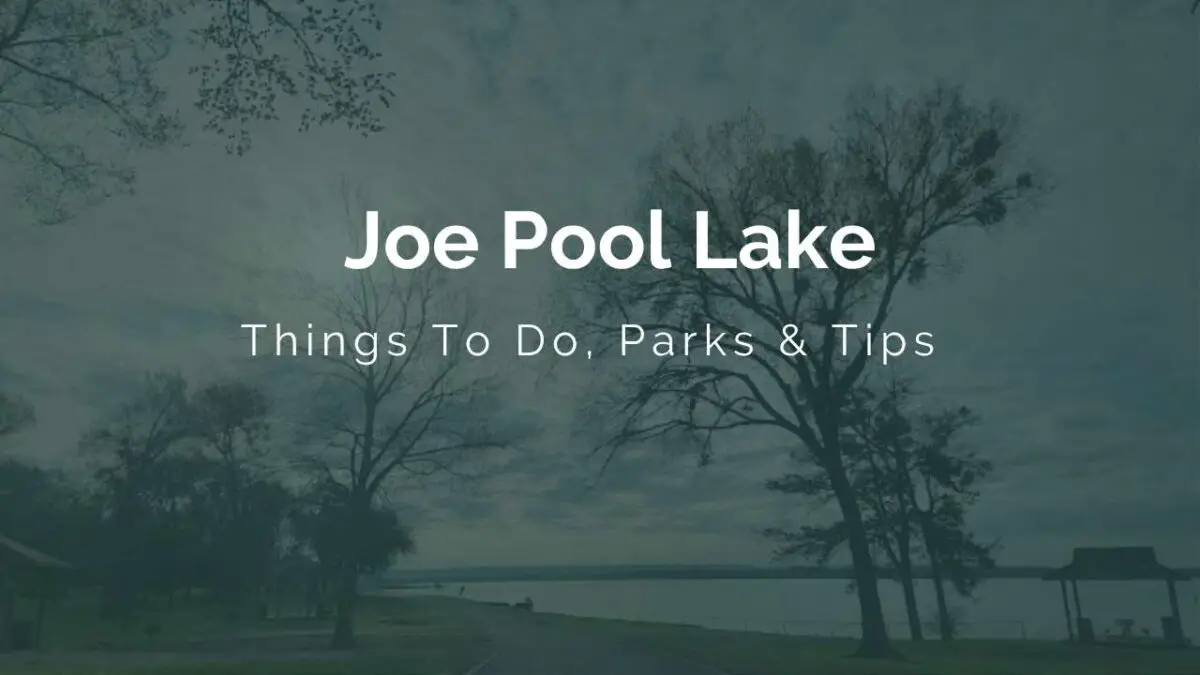
The lake sits in the southern part of the Dallas-Fort Worth metroplex, mostly between SH 360 and FM 1382, about one mile south of I-20. The main developed parks are Britton Park, Cedar Hill State Park, Loyd Park, and Lynn Creek Park, so most visits start by choosing the park that matches the trip instead of treating the shoreline as one single entrance.
Travelers comparing nearby reservoirs can use DFW lakes as a broader starting point, then narrow the plan to Joe Pool Lake for a shorter drive and a more park-based layout. The lake is built for practical outdoor use, not a one-size-fits-all shoreline stop.
| Quick fact | Joe Pool Lake Texas detail |
|---|---|
| Lake size | 7,400 acres |
| Main location | South Dallas-Fort Worth metroplex, near Grand Prairie, Cedar Hill, Mansfield, Dallas, and Midlothian |
| Developed parks | Britton Park, Cedar Hill State Park, Loyd Park, and Lynn Creek Park |
| Boat access | Seven boat ramps and one marina |
| Camping | Only at Cedar Hill State Park and Loyd Park |
| Day-use cost | Joe Pool Lake itself has no Corps-run entrance fee because the parks are operated by other agencies |
| Good for | Fishing, boating, picnicking, swimming at designated locations, camping, and short trail stops |
Where Joe Pool Lake Is and How to Get There
Joe Pool Lake is easy to place on a map once you know the landmarks around it. The lake office sits at 6399 FM1382 in Dallas, and the reservoir stretches across the south side of the metroplex with developed public access in Grand Prairie and Cedar Hill.
One useful route detail is simple: the main body of the lake is between SH 360 and FM 1382, with I-20 just north of the water. That means visitors coming from Dallas, Fort Worth, Arlington, Irving, or southern Dallas County usually end up taking a short highway-to-surface-street combination rather than a long back-road drive.
If you are driving in from the north side of the metroplex, the southbound approach usually feels easiest once you reach the I-20 and SH 360 area. From there, the park signs and city park addresses do the rest of the work, which is better than guessing at the shoreline on your first visit.
If the lake is part of a larger metroplex outing, day trips from Dallas usually fit the plan better than a full weekend itinerary. The lake is close enough for a day-use visit, but the park layout still rewards a little advance planning so you do not arrive at the wrong access point.
The official boating page is the fastest way to confirm ramp locations before leaving home. Joe Pool Lake boat ramps are spread across the shoreline, and the lake has seven ramps in total, which gives visitors more flexibility than a single-gate reservoir setup.
That access pattern matters because Joe Pool Lake is not built around a single central beach or one busy harbor. Instead, the different parks handle different jobs, so a swimming day, a fishing day, and a camping day each start from a different map pin.
Things To Do at Joe Pool Lake
The lake gives you a straightforward mix of outdoor choices. Fishing, boating, swimming at designated spots, hiking, bike riding, picnicking, and overnight stays are the main reasons people head here, and the lake has enough public shoreline to support all of them without feeling crowded into one corner.
- Fish from the bank, a marina platform, a fishing jetty, or a boat.
- Launch a boat or paddle craft from one of the seven ramps or from marina access.
- Use designated swim areas instead of treating the shoreline as a free-form beach.
- Walk unpaved trails, bicycle paths, or shoreline-adjacent park routes.
- Plan a picnic day with water access nearby, then stay for sunset if the park hours allow it.
Fishing is the activity most closely tied to the lake’s identity, but the shoreline parks make it useful for families and mixed-group outings too. A visitor who wants a short park stop can spend a few hours near the water, while a camper can stretch the trip into a full weekend without changing lakes.
If you are comparing Joe Pool Lake to another North Texas reservoir, the difference is mostly in the feel of the day. Joe Pool Lake feels more spread across park access points, which is helpful when the plan includes more than one activity.
The lake also changes pace by season. Summer favors early starts, shade, and water time; spring brings better fishing windows and more comfortable park weather; fall usually gives the easiest all-around balance; and winter works well for quieter fishing or a low-key campground stay.
| Trip type | Recommended timing | What to expect |
|---|---|---|
| Fishing day | Spring and fall | Better comfort on the bank, strong structure fishing, and more active shoreline use |
| Swimming day | Late spring through summer | Designated swim areas matter most, and the park hours are more useful in warm weather |
| Camping weekend | Spring, fall, or mild winter weather | Less heat, more comfortable setup time, and easier nights at the campground |
| Park-hopping day | Any season with current park hours | Good when you want to pair one shoreline stop with a trail, picnic, or boat launch |
Joe Pool Lake Parks and Access Points
Joe Pool Lake works best when you pick the park first. Each access point has a different role, so the right choice depends on whether you want a day-use park, a camping stay, a swim beach, or a launch with fishing access.
| Park | What it is good for | Current detail |
|---|---|---|
| Cedar Hill State Park | Camping, fishing, trails, and longer lake stays | Open daily 6 a.m. to 10 p.m.; day-use adult fee is $7 and overnight adult fee is $5 |
| Lynn Creek Park | Day use, swim time, and easy waterfront access | Open every day March 1 through Sept. 14 from 6 a.m. to 10 p.m.; closed Sept. 15 through February |
| Loyd Park | Camping, cabins, beach time, and boat access | Tree-filled park with large campsites, lakefront cabins, and a 4-lane boat ramp |
| Britton Park | Ramp access and a quieter shoreline stop | One boat ramp with four lanes and a direct launch setup |
Cedar Hill State Park is a practical all-around park for visitors who want camping and trail access in the same stop. It is also the park most likely to need a reservation check, because the park can reach capacity and online passes help guarantee entry.
Cedar Hill State Park is the place to start if you want a state-park style visit with a defined gate, trail system, and current fee structure. The current map is worth checking before a hike because trail status can change.
Lynn Creek Park gives the lake its clearest day-use identity on the Grand Prairie side. The city park page shows bicycle paths, a playground, unpaved walking trails, picnic space, water fountains, and a lakefront setting that works well for a shorter visit.
Lynn Creek Park has a seasonal schedule to remember: it is a day-use park open March 1 through Sept. 14 and closed from Sept. 15 through February. That schedule keeps it a summer and shoulder-season stop, not a year-round assumption.
Loyd Park gives the lake its more developed camping-and-cabins setup. The park has 221 large private campsites, an average campsite size of about 1,000 square feet, water and electric service, lakefront cabins, a swimming beach, hike-and-bike trails, kayak and canoe access, and an 18-room lodge.
Loyd Park also keeps the experience close to the city while still feeling wooded and lakeside. The park page emphasizes picnic pavilions, grill and fire-ring setups, change rooms, showers, playground space, and walking trails, which is useful when the trip needs a full-service park rather than a bare launch site.
The overnight mix at Loyd Park gives you more than tents and basic RV pads. The listings include lakefront cabins, a historic two-bedroom cabin with a deck and hot tub, a lodge, golf cart rentals, and kayak or canoe trail access, so the park works for groups that want a little comfort with the water.
If you are planning a yurt stay, the details are even more specific. The yurts are for two guests, include one vehicle entry for the length of the stay, and use a check-in time of 2 p.m. with an 11 a.m. checkout, which keeps the visit structured without making it complicated.
If you only need ramp access, Britton Park is the simplest shoreline answer. Joe Pool Lake has seven boat ramps overall, and Britton Park’s four-lane ramp gives boaters a direct launch option without forcing the trip into a larger campground or day-use park.
The marina at Lynn Creek Park makes the lake easier to use for mixed groups. One person can fish from the pier, another can rent a PWC or power boat, and someone else can stay onshore for lunch or a short walk, which keeps the day flexible without requiring a second stop.
The shoreline pattern is easier to understand once you see it this way: Cedar Hill State Park handles the state-park trip, Lynn Creek handles day use, Loyd Park handles camping, and Britton Park fills the launch-only gap. That division is the reason the lake stays useful for so many kinds of local outings.
Joe Pool Lake Camping, Fees, and Overnight Stays
Camping at Joe Pool Lake is limited to Cedar Hill State Park and Loyd Park. That restriction keeps the shoreline from turning into a free-for-all and gives overnight visitors a smaller list of places to check before they reserve a site.
The fee structure is most straightforward at Cedar Hill State Park. Adult day-use admission is $7, adult overnight admission is $5, and children 12 and under are free, with reservations available online or by phone when the park is busy.
That split is useful for planning more than one kind of trip. A short day-use visit may only need a gate check, but an overnight stay needs a campsite, a reservation, and enough time to set up before dark.
The park map page also makes the hours easy to remember: Cedar Hill State Park is open daily from 6 a.m. to 10 p.m. That matters when you are planning a fishing sunrise, an afternoon trail walk, or a late-day check-in.
If you want the fee page in one click, Cedar Hill State Park shows the current hours, entrance fees, and reservation options together. It is the cleanest source to check before a summer weekend or a holiday trip.
Loyd Park is the lake’s more developed overnight option. The park’s public listing shows 221 campsites, eight lakefront cabins, a four-lane boat ramp, a boat dock, a swimming beach, golf cart rentals, free Wi-Fi, and a camp store, which gives the park a stronger resort-like feel than a simple campground.
The campground layout also helps with group trips. Large pads, picnic pavilions, grills, and fire rings make it easier to keep food, shade, and gear in one place, while the free Wi-Fi and camp store reduce the number of extra errands you need after arrival.
The yurts at Loyd Park are a separate overnight option for two guests, and the listing does not allow pets in the yurt units. If a short glamping-style stay is the goal, the pet rule and the deck, shower, and air-conditioning list are the details to check.
The overnight mix at Loyd Park also includes a historic two-bedroom cabin with a deck and hot tub, plus an 18-room lodge for larger groups. Those options sit alongside the campsites and cabins.
Grapevine Lake is a fair comparison if you want a different North Texas lake with multiple access points and a more city-adjacent feel. Joe Pool Lake is less about one large shoreline scene and more about picking the right park for the type of overnight stay you want.
Corps annual day-use passes do not apply at Joe Pool Lake because the parks are operated by state and city agencies. The local park fee structure is the real thing to check, not a federal pass you may already have in your wallet.
That split is also useful for timing. A day-use stop at Lynn Creek may fit a short afternoon better than a campground stay, while Cedar Hill and Loyd Park make more sense when you want to spend the whole day near the water and leave after dark.
That split is also useful for timing. A day-use stop at Lynn Creek may fit a short afternoon better than a campground stay, while Cedar Hill and Loyd Park make more sense when you want to spend the whole day near the water and leave after dark.
Joe Pool Lake Fishing, Boating, and Swimming Rules
Fishing is one of the clearest reasons to visit Joe Pool Lake. The TPWD lake page lists largemouth bass, white bass, white crappie, and channel catfish as popular targets, and it notes that special regulations apply to some fish, so the lake deserves a quick rules check before a line goes in the water.
Texas fishing rules matter here because the lake supports a broad mix of access styles. You can fish from the bank, from marina platforms, from man-made jetties in the parks, or by boat, which is why license and regulation questions come up as soon as a trip moves from casual sightseeing to actual angling.
Useful fishing spots are often the ones with the least drama. A ramp-adjacent shoreline, a bridge crossing, or a dock edge lets you start fast and spend more time fishing than walking gear around the park.
If a license, limit, or tournament question comes up, Texas fishing permits and regulations is the right background check before the visit. Joe Pool Lake’s own rules also point anglers toward the bag and size limits page whenever the target fish or tournament plan needs more detail.
Boating is easier to plan when you know the ramp layout. Joe Pool Lake has seven ramps, Britton Park has one with four lanes, and Cedar Hill State Park has two ramps with four lanes, a courtesy dock, and parking for about 100 vehicles.
The marina is at Lynn Creek Park, and it adds paddle boat, power boat, and personal watercraft rentals, fishing platforms, boat and dry dock storage, a deli, full-service restaurants, a driving range, and water-park-style recreation. That is a lot of lake use packed into one access point, which is why the park matters even for people who never camp there.
Joe Pool Lake fishing also includes a few concrete tactics that help first-time visitors. White bass school in the lower portion of the lake, crappie hold under the bridges crossing the two arms, and channel catfish tend to stay near creek channels and structure.
The lake’s shape rewards people who pay attention to structure. Rocky points, bridge crossings, creek channels, and marina edges hold more value here than a random stretch of open water, and that is true whether you are casting from shore or working a boat out of the ramp.
The same idea applies to fishing comfort. A planned start at sunrise, a shade stop by midday, and an evening return for the last hour of light often produce a better lake day than trying to force one long stretch on the hottest part of the afternoon.
Boat anglers have the same advantage in reverse. A short hop from one ramp to another can change the water depth, current, and cover enough to make a different lure or bait make sense, which is why the lake rewards people who keep the route flexible.
Swimming is allowed only in designated areas and at your own risk, and no lifeguards are on duty. The lake page also makes it clear that swimming is not recommended at launching sites, mooring points, or public docks, so the easiest rule is to stay inside the marked swim area and avoid the ramp edges.
That is especially important near launch areas, where boat traffic and changing water activity create more risk than a casual shoreline reader might expect. The safest plan is simple: use the swim beach for swimming, the ramps for launching, and the fishing platforms for fishing.
The lake page and the park pages line up on one final point: the right trip style depends on the right access point. A boat launch, a swim beach, a marina dock, and a camping loop are all different places, even though they sit around the same reservoir.
Joe Pool Lake FAQ
Where is Joe Pool Lake in Texas?
Joe Pool Lake sits in south Dallas-Fort Worth, with shoreline in Grand Prairie, Cedar Hill, Dallas, Mansfield, and Midlothian. The main body of the lake is between SH 360 and FM 1382, just south of I-20, so it is close enough for a quick metroplex trip but spread out enough that park choice still matters.
The easiest way to think about it is as a reservoir with several public access points rather than one single front gate. That layout is why the lake works for both quick day visits and more planned campground stays.
If you are driving in from the north side of the metroplex, the southbound approach usually feels easiest once you reach the I-20 and SH 360 area. From there, the park signs and city park addresses do the rest of the work, which is better than guessing at the shoreline on your first visit.
Is Joe Pool Lake free to visit?
Joe Pool Lake itself does not charge a Corps-run entrance fee, because the parks around the lake are operated by city and state agencies. That means your cost depends on the specific park you choose, not on a single lakewide ticket.
Cedar Hill State Park has published adult day-use and overnight fees, and Lynn Creek and Loyd Park follow their own local park structures. If you are planning a budget visit, the park page is the place to confirm the exact charge before you head out.
Can you swim at Joe Pool Lake?
Yes, but only in designated areas and at your own risk. The Corps swimming page says no lifeguards are on duty, and it recommends swimming only in marked locations instead of at ramps, docks, or mooring points.
That makes the swim beach part of the trip, not an accidental shoreline decision. Lynn Creek Park and Loyd Park are the names to look for when the plan includes water time and a proper access point.
The safe habit is to treat the designated swim area as the swim area. The marked swim zone separates swimmers from dock traffic and launch activity.
Are dogs allowed at Joe Pool Lake?
Pet rules depend on the specific park and the specific rental unit. Cedar Hill State Park allows pets in most outdoor areas but not inside park buildings, and the Loyd Park yurt listing does not allow pets in those units.
That means the safest move is to check the exact park or rental page before you leave home. A quick pet-policy check avoids a common surprise on arrival, especially if the trip includes an overnight stay.
If the trip includes a yurt or cabin, the booking page matters more than the general park page. Overnight pet rules are where the surprises usually happen, and Joe Pool Lake has enough separate park options that the details are worth checking twice.
When To Visit Joe Pool Lake
The right timing for Joe Pool Lake depends on the trip itself. Spring usually gives comfortable weather for fishing and camping, summer favors swim-beach visits and early boat launches, fall often gives a calmer overall feel, and winter keeps the shoreline quieter for people who want fewer crowds.
Lynn Creek Park is the clearest seasonal stop because it opens March 1 through Sept. 14 and closes for the rest of the year. Cedar Hill State Park stays open daily from 6 a.m. to 10 p.m., so it is the safer choice when you want a year-round access point with camping, trails, and a predictable gate schedule.
A weekday visit is usually easier than a weekend visit, especially if the trip depends on a swim beach, a launch ramp, or a campground arrival window. The lake is close enough to draw local traffic quickly, so arriving early helps more than trying to solve parking after the midday rush begins.
| Season | Good trip type | Simple planning note |
|---|---|---|
| Spring | Fishing and camping | Comfortable weather and active shoreline access |
| Summer | Swimming and boating | Start early, then move to shade or water breaks |
| Fall | Park-hopping and overnight stays | More comfortable temperatures and easier all-day use |
| Winter | Quiet fishing and low-key visits | Good for people who care more about space than swim time |
What parks are on Joe Pool Lake?
The four developed parks are Britton Park, Cedar Hill State Park, Loyd Park, and Lynn Creek Park. Each one serves a different job, from day-use launches and fishing access to camping, cabins, and longer stays close to the shoreline.
If you only need one simple decision, start with the trip goal. Cedar Hill State Park fits camping and trail time, Lynn Creek fits day use, Loyd Park fits overnight stays with more amenities, and Britton Park fits ramp access with less of a park-day setup.
Britton Park is the smallest-sounding name on the list, but it still fills an important job. When you only need a ramp and a quick departure, a less complicated access point saves time and keeps the rest of the day open for something else.