Fort Worth Zoo: 2026 Ultimate Guide to Tickets, Hours, Free Days & Exhibits
Fort Worth Zoo, established in 1909 as the first zoo in Texas, spans 64 acres and houses over 7,000 animals representing 500+ species. As a top-ranked facility by USA Today 10Best and FamilyFun magazine, it attracts over 1 million visitors annually to its world-class exhibits like the Museum of Living Art (MOLA) and Elephant Springs.
The zoo is a global leader in wildlife conservation, focusing on species survival plans and habitat restoration across continents.
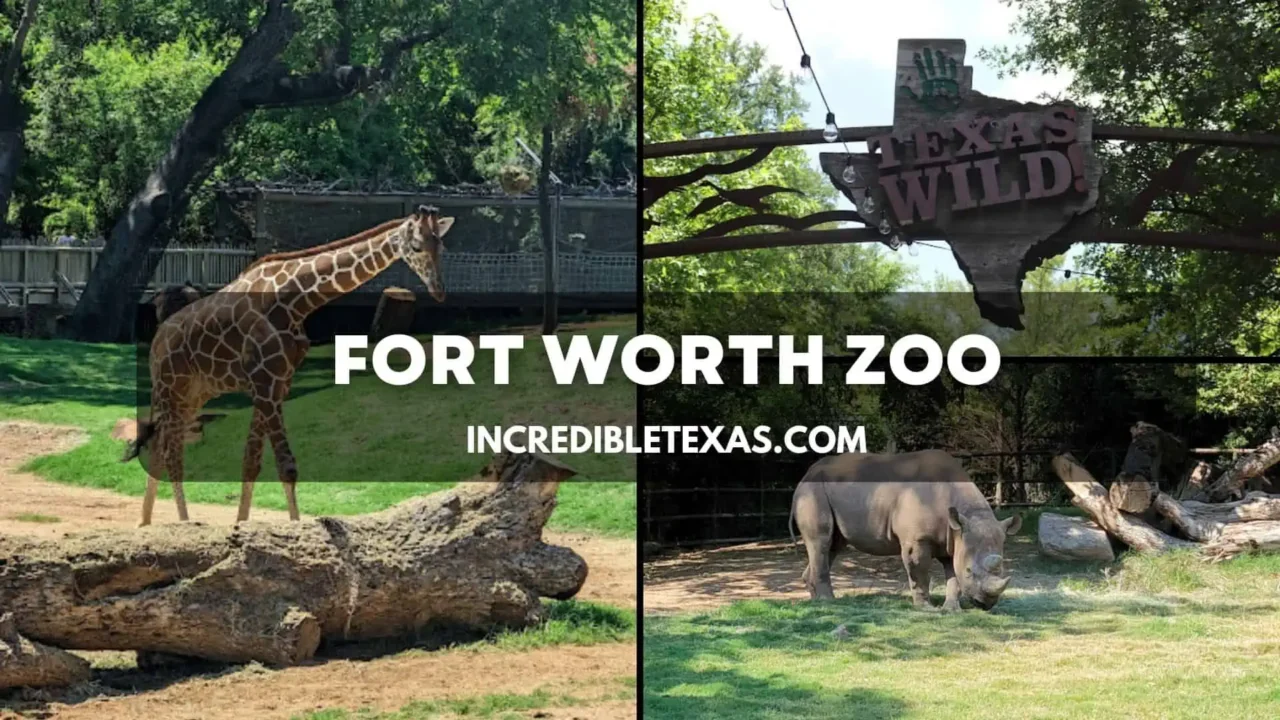
Located in the heart of the Forest Park neighborhood, the zoo serves as a premier recreational destination for families across the Lone Star State and is one of the best places to visit in Texas. Whether you are coming to see the newborn Asian elephants or explore the native wildlife of Texas, this guide provides every detail needed for a perfect 2026 visit.
From ticket pricing to insider navigation tips, we have compiled everything to make your trip memorable and educational.
Fort Worth Zoo Adress, Hours, Parking
Before you pack your bags, here are the essential details for your visit. The zoo is conveniently located near downtown Fort Worth, making it an easy day trip from anywhere in the DFW Metroplex.
| Category | Details |
|---|---|
| Address | 1989 Colonial Pkwy, Fort Worth, TX 76110 |
| Standard Hours | 10:00 AM – 4:00 PM (Gates close); Zoo closes at 5:00 PM |
| Parking Fee | $5 per vehicle (Free for Members) |
| Half-Price Days | Every Wednesday |
| Last Entry | 3:00 PM daily |
Fort Worth Zoo Admission and Tickets 2026
Admission prices at the Fort Worth Zoo vary between weekdays and weekends to manage crowd flow and ensure a quality experience for all guests. Purchasing tickets online in advance is highly recommended, as it often provides a $1 discount per ticket compared to gate prices.
All tickets are dated and timed to help distribute visitor volume throughout the day.
| Ticket Type | Weekday Price | Weekend Price |
|---|---|---|
| Adults (13-64) | $20 | $24 |
| Children (3-12) | $16 | $18 |
| Seniors (65+) | $16 | $18 |
| Toddlers (2 & under) | FREE | FREE |
For the best value, plan your visit on Half-Price Wednesdays, when admission is significantly reduced for all age groups. You can book these discounted tickets through the official Fort Worth Zoo tickets page to secure your spot.
Remember that Wednesday crowds can be much larger, so arriving at exactly 10:00 AM is critical for these days.
Exploring A Wilder Vision: New Exhibits
The Fort Worth Zoo is currently completing its “A Wilder Vision” capital campaign, a $100 million initiative that has completely transformed the zoo’s landscape. This multi-phase project focuses on creating larger, more naturalistic habitats that bring visitors closer to the animals than ever before.
The initiative has already seen the successful opening of several award-winning areas.
Predators of Asia & Africa
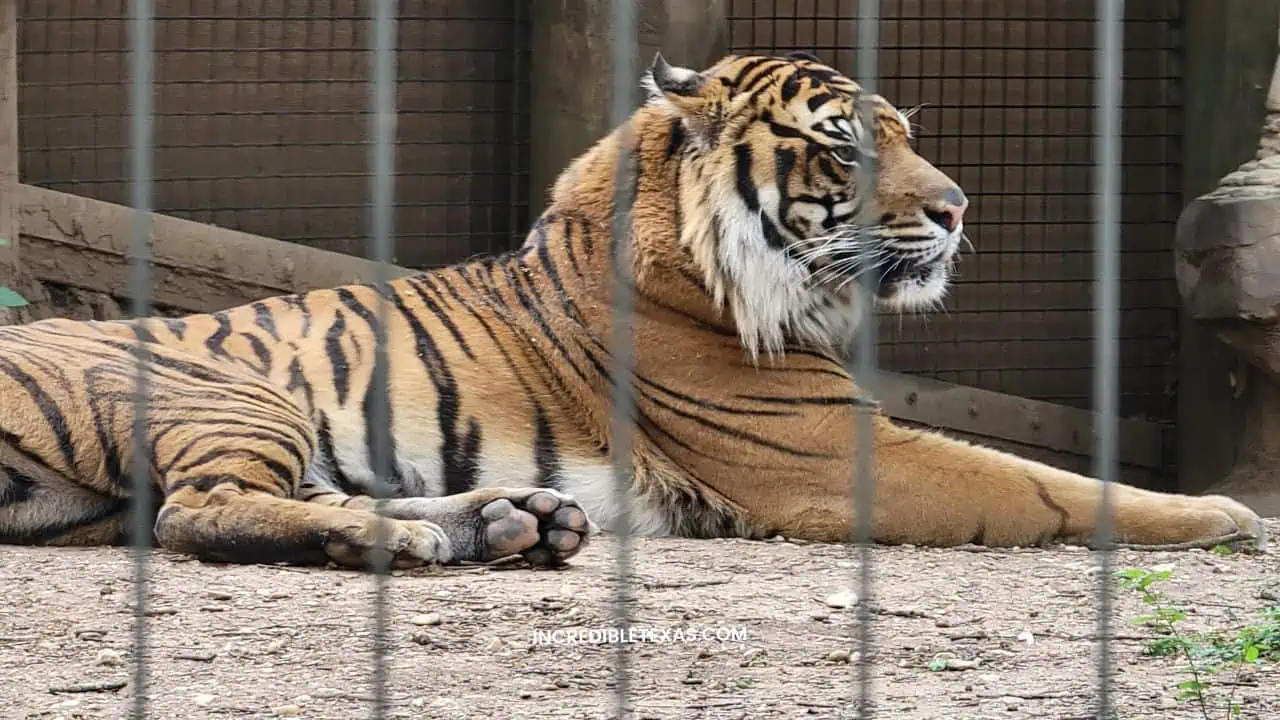
As reported by the Fort Worth Report, the exhibit opened in June 2023, featuring massive habitats features reimagined homes for the world’s most powerful carnivores, including African lions, Sumatran tigers, and cheetahs. Visitors can walk along elevated boardwalks to view African wild dogs and the elusive clouded leopard in lush, multi-level environments.
The design allows the animals to move between different enclosures, providing them with environmental enrichment and variety.
Mountains and Desert
Reopened in 2024, this specialized area showcases the unique ectotherms and rugged wildlife of the American West. You can observe over 30 species, including the iconic Texas diamondback rattlesnake and various desert-dwelling lizards, in temperature-controlled, authentic rocky habitats.
This exhibit highlights the incredible biodiversity found in the arid regions of North America.
Forests & Jungles (Coming 2025/2026)
The final phase of the vision, Forests & Jungles, is set to introduce a tropical paradise featuring okapi, African bongos, and a spectacular new home for Sumatran orangutans. This exhibit will utilize advanced climbing structures to allow primates to move freely across the canopy, mimicking their natural behavior in the wild.
It will also serve as a center for the zoo’s primate conservation and research initiatives.
Fort Worth Zoo vs Dallas Zoo: Which is Better?
Many travelers visiting North Texas wonder whether they should spend their day at the Fort Worth Zoo or the Dallas Zoo. While both are accredited by the Association of Zoos and Aquariums (AZA), they offer distinct atmospheres and specialty exhibits.
The choice often depends on whether you prefer a more walkable, dense layout or a more spread-out, expansive experience.
| Feature | Fort Worth Zoo | Dallas Zoo |
|---|---|---|
| Specialty | Reptiles (MOLA) & Elephants | Giants of the Savanna |
| Size | 64 Acres (Dense) | 106 Acres (Spread out) |
| Layout | Continuous loop, easy to navigate | Divided into two main sections |
| Unique Ride | Forest Park Miniature Train | Monorail Safari |
| Water Play | Safari Splash (On-site) | Limited water features |
The Fort Worth Zoo is often praised for its density of exhibits and the world-renowned Museum of Living Art, which is widely considered the best reptile house in the country. For more ideas on regional attractions, check out our guide to the best things to do in Fort Worth.
Both zoos are excellent, but Fort Worth often edges out for families with younger children due to its more manageable walking distances.
Must-See Animal Habitats
With thousands of animals to see, it’s important to prioritize the most iconic exhibits during your visit. The zoo is organized into several “worlds” that transport you to different continents and ecosystems.
Each area is designed to provide an immersive experience that reflects the natural environment of the residents.
Elephant Springs
This award-winning habitat is home to a multi-generational herd of Asian elephants, including several calves born in recent years. The exhibit features a 400,000-gallon pool where you can watch these majestic creatures swim and interact under massive waterfalls.
The viewing areas provide multiple levels, allowing you to see the elephants both on land and in the water.
Museum of Living Art (MOLA)
MOLA is a 30,000-square-foot indoor facility that houses some of the rarest reptiles and amphibians on Earth. From the 15-foot saltwater crocodiles to the tiny, vibrant poison dart frogs, every enclosure is designed like a living piece of art.
The facility also includes a working laboratory where visitors can see conservation work happening in real-time.
Texas Wild!
Celebrating the Lone Star State’s diverse geography, Texas Wild! takes you on a journey through the Piney Woods, the High Plains, and the Gulf Coast.
You’ll encounter black bears, cougars, and a massive walk-through aviary featuring native Texas birds. The area also features a replica of a 19th-century Texas town, complete with a play barn for children.
Interactive Experiences and Rides
Beyond animal viewing, the Fort Worth Zoo offers several interactive attractions that are perfect for kids and adults alike. These experiences often require a small additional fee but provide unique memories and photo opportunities.
They are excellent for breaking up the day and keeping high energy levels for younger visitors.
- Safari Splash: This 14,000-square-foot water play area features slides, water cannons, and a giant dumping bucket. It is the perfect way to cool off during the intense Texas summer heat.
- Yellow Rose Express Train: This charming train ride connects the main entrance to the Texas Wild! section, offering a relaxing way to see parts of the zoo while resting your feet.
- Giraffe Feeding: Head over to the African Savanna to get eye-to-eye with the world’s tallest mammals. You can purchase lettuce leaves to hand-feed the giraffes for a small fee.
- Country Carousel: Located near the Texas Wild! entrance, this classic carousel features hand-crafted animals that reflect the zoo’s residents.
Conservation Success Stories
The Fort Worth Zoo is not just a place for public display; it is a critical hub for wildlife conservation. They participate in dozens of Species Survival Plans (SSP) to ensure the long-term viability of endangered animals across the globe.
Their work extends from local Texas prairies to remote islands in the Caribbean.
One of their most famous local projects involves the Texas Horned Lizard. Zoo scientists have successfully bred and released thousands of these iconic “horned toads” back into their native Texas habitats to combat declining populations.
This project is a model for how zoos can directly impact local biodiversity.
Additionally, the zoo’s work with the Chiricahua Leopard Frog and the Anegada Iguana has received international acclaim. When you visit, a portion of your ticket price goes directly toward supporting these vital field projects.
The zoo’s commitment to conservation is woven into every exhibit and educational talk.
Dining and Shopping Guide
Exploring the zoo can work up quite an appetite, and fortunately, there are several dining options ranging from quick snacks to full meals. Most restaurants offer indoor and outdoor seating to accommodate different weather conditions.
The menus have been updated for 2026 to include more healthy and diverse options.
| Venue Name | Location | Primary Menu Items |
|---|---|---|
| Crocodile Cafe | Near MOLA | Burgers, Salads, Sandwiches |
| Ranch Grill | Texas Wild! | BBQ, Chicken Tenders, Fries |
| The Beastro | Main Entrance | Pizza, Hot Dogs, Snacks |
| Safari Snacks | African Savanna | Ice Cream, Pretzels, Cold Drinks |
For souvenirs, visit the Safari Shop near the main exit, which features a massive collection of plush animals, Texas-themed gifts, and educational toys. There is also a smaller shop located in the Texas Wild!
area for regional crafts and apparel. Every purchase helps support the zoo’s animal care and conservation missions.
Pro Tips for Your 2026 Visit
To make the most of your time and avoid common pitfalls, follow these expert tips from frequent zoo visitors. Planning ahead is the key to a stress-free day at one of the country’s busiest zoos.
These insider secrets will help you navigate the crowds and see the most animals possible.
- Arrive at Opening: The animals are most active at 10:00 AM, and you’ll beat the largest crowds that typically arrive around lunch.
- Use the App: Download the Fort Worth Zoo mobile app for a real-time interactive map and schedules for keeper talks.
- Stay Hydrated: You can bring your own water bottles (no glass) and use the refill stations located near the major restrooms.
- Check the Weather: Many animals like the tigers and bears are more active on cooler, overcast days. If it’s very hot, head to the air-conditioned MOLA or the Penguin Coast.
If you are planning a longer trip to the region, don’t forget to explore other Texas attractions, which includes several other world-class museums and parks nearby. The DFW area is rich with things to do in Dallas that complement a zoo visit.
Fort Worth Zoo Membership Benefits
If you live in the DFW Metroplex, a zoo membership often pays for itself in just two visits. Members receive unlimited free admission and free parking, which are significant savings for families.
Membership also provides exclusive access to preview new exhibits before they open to the general public.
| Level | Annual Price | Key Perks |
|---|---|---|
| Individual | $75 | Free admission for 1 adult |
| Dual | $110 | Free admission for 2 adults |
| Family | $160 | 2 Adults + all children under 18 |
| Sustaining | $250 | Family perks + 2 guest passes |
Members also receive a 10% discount at all dining and retail locations, as well as discounted tickets for special events like Zoo Lights and Boo at the Zoo. For more family-friendly activities, see our guide to things to do in Dallas.
A membership is truly the best way to support the zoo’s mission while enjoying year-round access.
A Century of Wildlife: The History of the Fort Worth Zoo
The Fort Worth Zoo’s journey began in 1909 with a modest collection of animals: one lion, two bear cubs, an alligator, a coyote, a peacock, and a few rabbits. These animals were housed in Forest Park, and the zoo was managed by the City of Fort Worth for over eight decades.
During this time, the zoo grew steadily, becoming a beloved local institution but eventually facing the financial and bureaucratic challenges common to many city-run facilities.
A pivotal moment occurred in 1991 when the zoo transitioned from city management to private control under the Fort Worth Zoological Association. This move allowed for more efficient fundraising and a renewed focus on world-class animal care and habitat design.
Since the privatization, the zoo has invested hundreds of millions of dollars into new exhibits, completely transforming it from a traditional park-style zoo into one of the nation’s top-ranked wildlife centers.
Architectural Excellence at MOLA (Museum of Living Art)
The Museum of Living Art (MOLA) is widely considered one of the finest herpetariums in the world, not just for its collection but for its innovative architectural design. Opened in 2010, the 30,000-square-foot facility was designed to blend the beauty of art with the science of wildlife conservation.
The building itself is an immersive experience, with natural light filtering through glass ceilings and hand-painted murals that transport visitors to tropical jungles and arid deserts.
The facility features state-of-the-art climate control systems that replicate the precise temperature and humidity requirements of its diverse residents. For example, the saltwater crocodile exhibit includes massive underwater viewing windows and a beach area that mimics the coastal habitats of Northern Australia.
This attention to detail ensures that the animals thrive while providing visitors with a level of visibility rarely seen in reptile houses.
Iconic Animal Profiles: Meeting the Residents
Every animal at the Fort Worth Zoo has a story, but some have become local celebrities over the years. Understanding the individuals that call the zoo home adds a layer of connection to your visit.
The zoo’s animal care team provides specialized diets, enrichment activities, and medical care tailored to each species’ unique needs.
Asian Elephant Herd
The zoo is home to a thriving multi-generational herd of Asian elephants, led by the matriarch Rasha. In recent years, the herd has expanded with the births of several calves, which has been a major success for the Asian Elephant Species Survival Plan.
Watching the young calves learn to use their trunks and interact with the older members of the herd is a highlight for many visitors at Elephant Springs.
Sumatran Tigers
The Sumatran tigers are among the most endangered big cats in the world, with only a few hundred remaining in the wild. The Fort Worth Zoo’s tigers live in the Predators of Asia & Africa exhibit, which features multiple yards they can rotate through.
This rotation system keeps the tigers mentally stimulated as they encounter new scents and environments daily, reflecting the large territories they would hold in the wild.
Photography Tips: Capturing the Perfect Shot
With its naturalistic habitats and beautiful landscaping, the Fort Worth Zoo is a paradise for photographers. To get the best results, you don’t necessarily need a professional camera, though a zoom lens (70-300mm) is highly recommended for capturing clear shots of animals that may be resting in the back of their enclosures.
The best time for photography is during the “golden hour” right after the zoo opens at 10:00 AM. The morning light is softer and more flattering, and the animals are typically more active as they explore their exhibits and wait for morning feedings.
For the most dramatic shots, head to the underwater viewing windows at Elephant Springs or the African Savanna, where you can capture the elephants swimming or hippos gliding through the water.
Seasonal Events: When to Visit for Special Experiences
The Fort Worth Zoo hosts a variety of events throughout the year that offer unique ways to experience the wildlife and the grounds. These events are often included with admission or offered at a discounted rate for members, and they draw huge crowds from across North Texas.
- Boo at the Zoo (October): This family-friendly Halloween event features treat stations, animal enrichment activities, and live entertainment. It is a safe and fun way for kids to celebrate the holiday in a beautiful setting.
Zoo Lights (November-December): During the holiday season, the zoo is transformed with millions of twinkling lights and festive displays. You can enjoy holiday treats, meet Santa, and see the zoo in a completely different light—literally!- Earth Day Celebration (April): The zoo highlights its conservation mission with special presentations, interactive stations, and behind-the-scenes looks at how they protect the planet’s biodiversity.
Education and Outreach: Inspiring the Next Generation
The Fort Worth Zoo is deeply committed to education, offering programs that reach thousands of students and adults each year. From their on-site Zoo School to their mobile zoo programs, they aim to inspire a lifelong passion for wildlife and conservation in everyone they meet.
Zoo School is one of the nation’s only licensed preschools located within a zoo, providing young children with a curriculum rooted in nature and animal science. For older students, the zoo offers summer camps, overnights, and career workshops that provide a deeper look at the fields of veterinary medicine, zoology, and conservation biology.
These programs are essential for cultivating the next generation of environmental leaders.
Accessibility and Inclusion: A Zoo for Everyone
The Fort Worth Zoo strives to be an inclusive environment that is accessible to all guests, regardless of their physical or sensory needs. The entire zoo is designed to be wheelchair and stroller-friendly, with paved paths and accessible viewing areas at every exhibit.
Manual and electric wheelchairs are available for rent on a first-come, first-served basis at the main entrance.
For guests with sensory sensitivities, the zoo offers sensory bags that include noise-canceling headphones, fidget tools, and weighted lap pads. There are also designated “quiet zones” throughout the zoo where families can take a break from the crowds and noise.
This commitment to inclusion ensures that every visitor has the opportunity to connect with nature in a way that is comfortable and meaningful for them.
Frequently Asked Questions
Is the Forest Park Train part of the Fort Worth Zoo?
The Forest Park Miniature Train is a separate attraction located just outside the zoo gates. It offers a five-mile round trip through the scenic Forest Park and is a beloved local tradition dating back to the 1950s.
It provides a wonderful nostalgic experience that complements your zoo visit perfectly.
Can I bring my own food to the zoo?
Yes, the Fort Worth Zoo allows guests to bring their own coolers with food and non-alcoholic beverages. However, glass containers and straws are strictly prohibited for the safety of the animals.
This is a great way for families on a budget to enjoy a full day at the zoo without breaking the bank.
What is the best time of year to visit?
Spring (March-May) and Fall (September-November) offer the most pleasant weather for walking. If you visit in the summer, try to arrive right at 10:00 AM to see the animals before they retreat to the shade during the afternoon heat.
Winter can also be a great time to visit as the crowds are much smaller.
Are strollers and wheelchairs available for rent?
Yes, the zoo provides single and double strollers, as well as manual and electric wheelchairs for rent near the main entrance on a first-come, first-served basis. Members receive a discount on these rentals, making it easier for everyone to enjoy the full 64-acre experience.
It’s recommended to arrive early to ensure availability.
For those interested in exploring more of the state’s natural beauty, consider checking out our list of the best state parks in Texas for camping and hiking adventures. Planning your next trip to Houston?
Be sure to check out the Houston Zoo for another incredible wildlife experience in Houston.