Choke Canyon State Park: Map, Hours, Camping, Fishing Tips
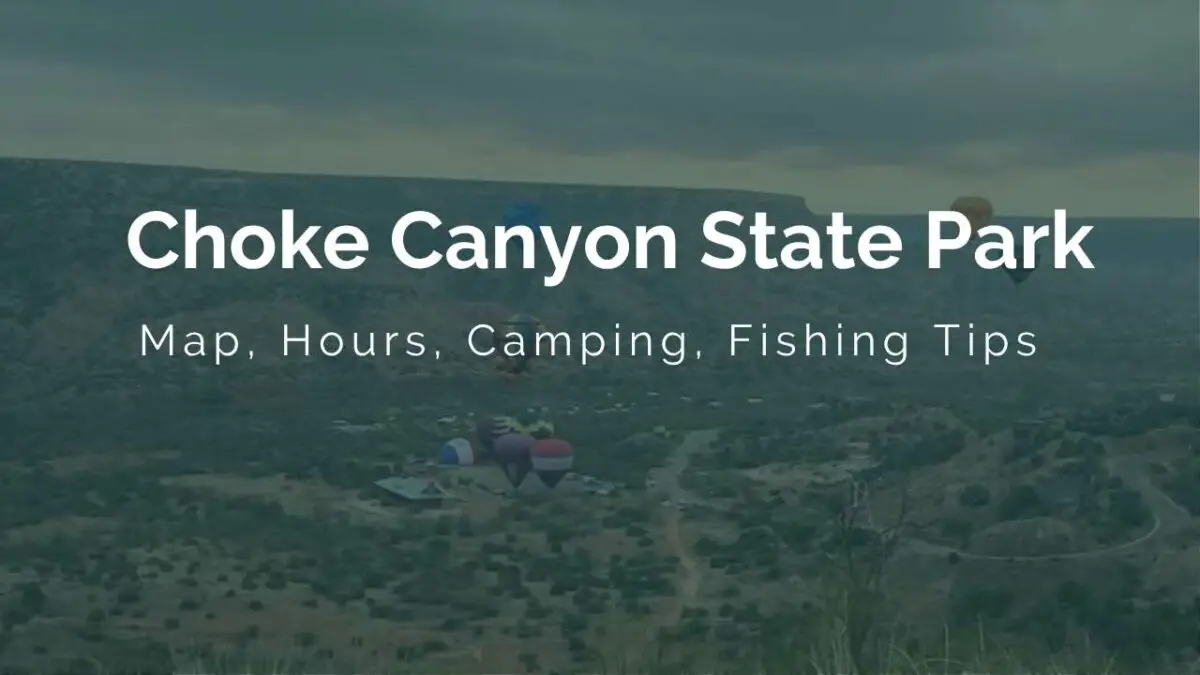
Choke Canyon State Park is a South Texas reservoir park that rewards visitors who want fishing, birding, camping, and wide-open water views in one place. The park sits between San Antonio and Corpus Christi on the shore of Choke Canyon Reservoir, and it works well for both overnight stays and day-use visits.
Visitors who want a broader look at Texas outdoor destinations can compare it with the top 10 best state parks in Texas, but Choke Canyon stands out for its mix of lake access, wildlife, and a quieter South Texas setting. The current park information is posted on the Texas Parks and Wildlife Department park page.
Choke Canyon State Park Quick Facts and Best Fit
Choke Canyon works best for travelers who want a lakefront state park with strong fishing and birding potential, plus enough camping variety to fit different trip styles. Calliham serves as the full-service overnight unit, while South Shore is set up for day use, boating, and wildlife viewing.
| Official name | Choke Canyon State Park |
| Location | Calliham, Texas, on Choke Canyon Reservoir between San Antonio and Corpus Christi |
| Park units | Calliham Unit and South Shore Unit |
| Daily hours | 6:00 a.m. to 10:00 p.m. for both units |
| Park headquarters | 8:15 a.m. to 4:45 p.m. daily |
| Entrance fee | $5 per adult; children 12 and under are free |
| Texas State Parks Pass | $70 per year |
| Overnight options | Campsites with electricity, walk-in tent sites, youth group camp, and cabins |
| Best for | Fishing, birding, camping, sunrise and sunset views, and South Texas road trips |
- Visitors who want a longer stay usually choose the Calliham Unit.
- Day-trippers who want boating, fishing, and birding usually head to South Shore.
- Campers who want more amenities will usually prefer the cabins or electric sites at Calliham.
- Travelers who want a calm, reservoir-focused park with room to spread out will find a good fit here.
Choke Canyon State Park Hours, Fees, Reservations, and Best Time To Go
The current entrance fee information lists a $5 daily fee for adults and free entry for children 12 and under. The Texas State Parks Pass is listed at $70 per year and includes unlimited visits to more than 80 state parks, with discounts on some extras.
Both Choke Canyon units are open daily from 6 AM to 10 PM, and park headquarters is open from 8:15 AM to 4:45 PM. The park page also notes that visitors should reserve early, since the park often reaches capacity for both camping and day use.
The busiest stretch usually runs through spring, summer, and fall, so the most comfortable trips often land in late fall, winter, or early spring. Those cooler months work especially well for hiking, birding, and fishing from shore, while the warmer months can still be rewarding for anglers who want long days on the water.
- Late fall and winter: cooler weather, lighter crowds, and comfortable trail time.
- Early spring: strong birding and active wildlife movement.
- Summer: best for long fishing days, but heat and crowds can be stronger.
Planning ahead matters most on holiday weekends and during prime outdoor weather. Visitors who reserve early usually have the easiest time matching their preferred campsite or day-use schedule to the trip.
Choke Canyon State Park Calliham Unit: Camping, Cabins, and Overnight Stays
The Calliham Unit is the park’s full-service side and the better fit for visitors who want to stay overnight. The unit includes camping, cabins, boat access, and the park’s main visitor services, which makes it the most practical choice for a full weekend at Choke Canyon State Park.
The campsites page shows two main camping styles: electric sites and walk-in tent sites. The lodging page lists the cabins, which TPWD describes as air-conditioned shelters.
| Stay type | People per site | Nightly rate | Key details |
|---|---|---|---|
| Cabins / air-conditioned shelters | 8 | $50 | 20 sites, no bathrooms inside, bathrooms with showers nearby, no pets, no motor homes or pop-ups, five ADA-accessible cabins |
| Campsites with electricity | 8 | $22 | 40 sites, picnic table, water hookup, 50-amp hookup, restrooms nearby, wheelchair-accessible sites 108, 109, 119, 120, and 134 |
| Campsites with water, walk-in | 8 | $12 | 9 sites, about 50 yards from the parking lot, picnic table, outdoor grill, fire ring, water nearby, restrooms nearby |
| Youth group camp | 50 | $15 per eight people, per night | Primitive walk-in area with a covered pavilion, nearby boat ramp access, and no water or toilets in the area |
The cabins work well for visitors who want air conditioning and a little more shelter without leaving the park. Each cabin has three single cots, electricity, lights, a picnic table outside, a water spigot, and a fire ring with a grill, while bathrooms with showers are nearby rather than inside the unit itself.
Camping with hookups is the most flexible overnight choice for families and RV travelers. The electric sites include fire rings or barbecue grills, and the accessible sites are positioned to make the campground easier to navigate for visitors with mobility needs.
Visitors who prefer a stronger river-park feel in another part of Texas can compare this setup with Guadalupe River State Park, but Choke Canyon offers a more open reservoir landscape and a stronger South Texas feel.
The Calliham Unit also has practical fishing support, including boat ramp access, a rock jetty, fish cleaning shelters, and a bait shop near the ramps. Anglers can launch early, clean a catch on-site, and return to camp without moving far from the unit.
Choke Canyon State Park South Shore Unit: Day Use, Boating, and Birding
The South Shore Unit is day use only. Visitors can expect a quiet shoreline base for morning fishing, boating, and birding.
Visitors who start early often get the best light on the reservoir and the calmest conditions for birdwatching. The South Shore shoreline also works well for anglers who want an easier in-and-out visit than a full campground stay.
- Boating: South Shore has boat access and a courtesy dock.
- Picnicking: the unit includes picnic sites, and several are accessible.
- Birding: the unit is a strong fit for travelers who want to scan the reservoir edge and brush for movement.
- Simple day trips: visitors can arrive early, fish, picnic, and leave before dusk without needing an overnight reservation.
South Shore is especially useful for visitors who want the park’s water and wildlife without the structure of a campground. That makes it a good match for quick road-trip stops, birding outings, and low-effort fishing days.
For a very different style of wildlife day, Brazos Bend State Park offers a much different wetland setting closer to Houston, while Choke Canyon keeps the experience rooted in South Texas reservoir country.
Choke Canyon State Park Fishing, Wildlife, and Safety at Choke Canyon
Choke Canyon is widely known for fishing, and the reservoir supports a mix of bass, catfish, crappie, and other species that fit both boat fishing and shore fishing. TPWD says visitors do not need a fishing license to fish from shore in a state park, which makes a quick cast from the bank especially convenient.
The park’s nature page highlights the park’s wildlife depth, including dense brushland habitat and a wide mix of birds and animals. Visitors often come for the reservoir and stay for the wildlife activity around the shoreline, especially when the weather cools and birds move through the region.
- Anglers: can target largemouth bass and catfish from shore or boat.
- Birders: can look for resident birds and migrants using the reservoir as a stopover.
- Wildlife watchers: may see deer, javelina, turkey, and other South Texas species in the brush.
- Families: should keep a close watch near the water because alligators are present in the park.
The alligator factor matters here, and it is part of what makes the park feel wild rather than suburban or heavily developed. Visitors should keep distance, avoid feeding wildlife, and stay alert near the shoreline, especially at dawn and dusk when animals are often more active.
Travelers who want a different Texas park where alligator viewing is a major part of the experience can compare the setting with Brazos Bend State Park, but Choke Canyon pairs that wildlife with stronger lake fishing and a more isolated South Texas feel.
Maps, Accessibility, and Nearby Parks
Choke Canyon State Park sits at 358 Recreation Road 8 in Calliham, Texas. The reservoir setting makes the park feel larger and more spread out than many Texas day-use parks, and the official map and reservation details are worth checking through TPWD before arrival.
Accessibility is better than many visitors expect in a park built around water and open space. TPWD lists the Calliham dock and fishing jetty as wheelchair accessible, along with the group pavilions, the gymnasium and sports complex area, several cabins, several electric campsites, and the South Shore courtesy dock and select picnic sites.
The park also works as part of a broader South Texas route. Lake Corpus Christi State Park and Goliad State Park & Historic Site are both nearby in the larger region, and visitors planning a longer Texas park circuit can also look farther afield to Dinosaur Valley State Park for a family-friendly river trip or Palo Duro Canyon State Park for a dramatic canyon landscape.
That variety is part of the appeal of a Texas park road trip. Choke Canyon covers fishing, birding, and overnight reservoir camping in a way that feels distinctly South Texas, while other parks in the state cover canyons, rivers, and hill country water in very different ways.
Visitors who want a park that balances practical amenities with open water and wildlife usually find that Choke Canyon fits the trip well. The park is not trying to be flashy, and that restraint is part of its value.
A Practical One-Day or Weekend Plan for Choke Canyon State Park
Choke Canyon State Park works well as either a quick day trip or a slower weekend. The right pace depends on whether the trip centers on fishing, birding, or camping, because each use case pushes the schedule in a slightly different direction.
A short day visit usually starts at South Shore, where sunrise light and early water conditions are strongest. After that, visitors can move to a picnic site, spend time watching the shoreline, and leave before the heat builds in the afternoon.
- Day-trip rhythm: arrive early, fish or bird for a few hours, take a mid-morning break, and finish with a slow drive out of the park.
- Weekend rhythm: check in at Calliham, set up camp, launch the boat or walk the shoreline, and save a calm evening for sunset views over the reservoir.
- Family rhythm: keep the day simple with a picnic, a short outing near the water, and an early return to camp or the car before temperatures peak.
What to bring depends on the plan, but a few items help in nearly every season. Water, sunscreen, insect repellent, hats, binoculars, and a camera all make sense here, and anglers usually benefit from a cooler, a landing net, and extra line.
Reservations, weather, fuel, and supplies matter for cabin stays and holiday weekends at Choke Canyon. The park often reaches capacity, so those details affect the trip from the start.
Choke Canyon State Park Seasonal Conditions and What To Bring
South Texas weather changes the feel of a Choke Canyon trip more than many visitors expect. TPWD lists a January average low of 41 degrees, a July average high of 95 degrees, and average rainfall of 27.6 inches, which points to mild winters and very hot summers.
Spring and fall usually bring the most balanced conditions for long outdoor days. Winter can feel clear and comfortable, while summer often adds strong sun, humidity, and more demanding conditions on the open reservoir.
- Spring: good for birding, comfortable shoreline walks, and active reservoir life.
- Summer: best for early starts, deep shade breaks, and water-focused plans.
- Fall: a strong blend of comfortable temperatures, fishing time, and bird movement.
- Winter: useful for quieter camping, clear skies, and lower heat on trails and roads.
A simple packing list helps in every season. Water, sunscreen, insect repellent, binoculars, a hat, a cooler, and a camera all make sense for day use, while campers usually benefit from an extra flashlight, trash bags, and a light layer for evening wind.
A landing net, polarized sunglasses, extra line, and a fish cooler are useful for long fishing outings at Choke Canyon.
Birders also gain from a little preparation. Binoculars and a field guide make the reservoir edge easier to read, and a slower pace helps visitors notice movement in the brush and over the water.
Cabins are the most comfortable overnight choice when heat or rain is part of the forecast. Electric sites work well for RVs and for visitors who want a few more comforts than a walk-in tent site can offer.
Visitors with flexible schedules should also check park alerts before leaving home. A quick look at the day’s conditions can save time at the gate and help the visit start on the right side of the reservoir.
Choke Canyon State Park Fishing and Birding by Time of Day
Choke Canyon State Park can feel very different at sunrise, midday, and sunset. Early light usually brings the calmest conditions on the water, while the middle of the day tends to be brighter, hotter, and better for short breaks between active outdoor stretches.
Morning is the strongest window for anglers who want the softest light and the most comfortable launch. Birders also tend to do well early, since birds are often easier to spot when the shoreline is quieter and the sun is lower.
Midday favors slower pacing. Visitors can move between shade, picnic tables, and the reservoir edge without feeling rushed, which works especially well for families that want a low-stress day rather than a long itinerary.
- Dawn: best for fishing from shore, observing bird movement, and taking photos with softer light.
- Late morning: good for a first boat run, a camp setup window, or a slower shoreline walk.
- Late afternoon: useful for another fishing session when the temperature drops a little.
- Sunset: strongest for lake views, quiet reflection, and a final look for wildlife near the water.
The park’s fishing mix suits both casual and serious anglers. TPWD notes species such as largemouth bass and catfish, and the reservoir also supports other fish that make the shoreline active enough to keep a rod in hand for most of the day.
Birding can stay rewarding even when the water is busy. The reservoir edge, brushy cover, and open sky create a useful combination for spotting movement, and the South Shore Unit keeps that experience simple for visitors who want a quick birding stop.
Visitors who want the quietest outing usually do best by staying flexible with the weather and the light. Choke Canyon rewards patience, and the park often gives back more when the schedule leaves room for a second look at the shoreline.
That rhythm works especially well for repeat visits. A first trip can focus on one unit and a few simple activities, while later trips can add more fishing time, a longer walk, or a slower evening around camp.
Frequently Asked Questions About Choke Canyon State Park
Is Choke Canyon State Park free?
Choke Canyon is not free. TPWD lists a $5 daily entrance fee for adults, while children 12 and under enter free.
Does Choke Canyon State Park have cabins?
TPWD lists 20 air-conditioned cabins at the Calliham Unit, and the cabins sleep up to eight people with bathrooms and showers nearby.
Can visitors fish from shore without a license?
TPWD says a fishing license is not required to fish from shore in a state park.
Is the South Shore Unit day use only?
South Shore is set up for day use, boating, fishing, and birding rather than overnight stays. Visitors who want to camp should plan for the Calliham Unit instead.
What animals live at Choke Canyon State Park?
The park supports a strong mix of South Texas wildlife, including deer, javelina, turkey, foxes, opossums, coyotes, and many birds. The reservoir also supports fish and alligators, so visitors should keep a careful distance from the water’s edge.
Conclusion
Choke Canyon State Park is a good match for visitors who want a straightforward South Texas park with real fishing value, comfortable camping options, and strong birding potential. The Calliham Unit handles overnight stays well, South Shore keeps day use simple, and the reservoir setting gives the park a calm but wild personality.
For travelers building a Texas park itinerary, Choke Canyon fills an important niche. It is practical, scenic, and less crowded than many better-known destinations.
Calliham serves as the overnight base, and South Shore serves as the day-use side.
The park also fits neatly into a larger South Texas loop with Lake Corpus Christi and Goliad State Park & Historic Site. A stop here can anchor a fishing weekend, a birding day, or a slower road trip that focuses on open water and wide skies.
Choke Canyon rewards visitors who arrive prepared and move at a steady pace. The reservoir, the wildlife, and the park’s split-unit layout give the area a practical rhythm that works especially well for repeat trips.
Visitors who return for a second day can move fishing to the morning and save the afternoon for shade, a picnic, or a quieter shoreline walk. Morning fishing and late-day shade breaks are common ways to use a second day at the reservoir.
The park changes across the seasons, so a spring trip can feel different from a fall or winter visit. That variation gives repeat visitors a reason to come back even when the main itinerary stays the same.
A South Texas loop also works well for travelers who want more than one stop in a single weekend. Choke Canyon pairs naturally with other parks in the region, and the route can stretch from lakeside mornings to historic sites and back again.
Those details make the park useful for anglers, birders, and campers who want one base for different kinds of South Texas time.