Brazos Bend State Park: Ultimate 2026 Visitor’s Guide to Alligators, Trails, and Camping
Brazos Bend State Park spans 4,897 acres of diverse ecosystems just 45 miles southwest of downtown Houston, one of the largest cities in Texas. This premier destination attracts over 300,000 visitors annually who come to witness North American alligators in their natural habitat and explore nearly 40 miles of scenic trails.
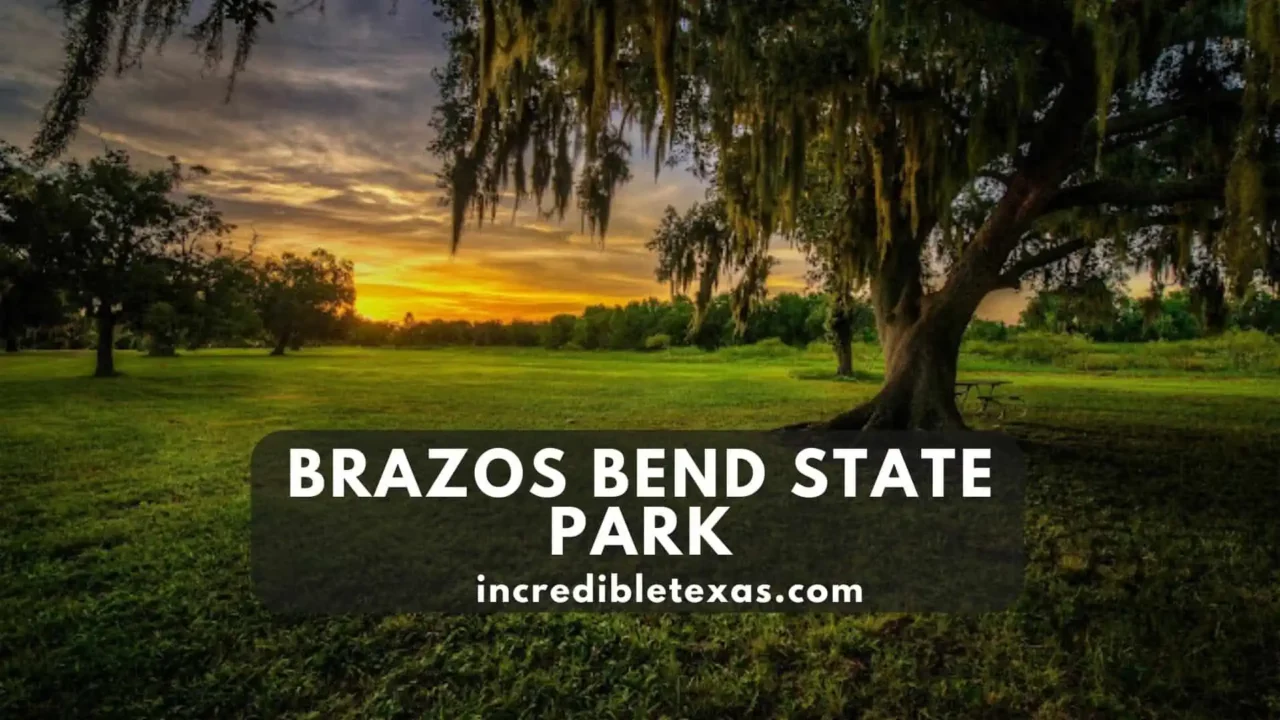
As of 2026, the park maintains its reputation as a “nature lover’s paradise” by preserving critical coastal prairies and bottomland hardwood forests. According to the Texas Parks and Wildlife Department, the park serves as a vital sanctuary for Texas wildlife while providing modern recreational amenities for all ages.
Plan Your 2026 Visit: Quick Essentials
| Category | Information |
|---|---|
| Address | 21901 FM 762 Rd, Needville, TX 77461 |
| Entrance Fee | $7 for adults (13+); Free for children 12 and under |
| Hours | Daily 8:00 AM – 10:00 PM |
| Reservations | Highly recommended via TPWD portal |
| George Observatory | Saturday nights (Tickets required in advance) |
| Best Time to Visit | March–May (Wildflowers) & October–November (Migration) |
Choosing the Best Time to Visit
Spring (March to May) is widely considered the peak season because the coastal prairie transforms into a carpet of wildflowers. Bluebonnets and Indian Paintbrushes create a vibrant landscape that is perfect for photography and family outings.
Fall (October to November) offers cooler temperatures and the start of the major waterfowl migration. This is also the best time for stargazing at the George Observatory due to the clear, crisp atmospheric conditions.
Winter is surprisingly pleasant for hiking and biking, with fewer crowds and no biting insects. While alligators are less active in the cold, you can still spot them on mild, sunny days throughout the season.
Summer is hot and humid, with temperatures often exceeding 95 degrees Fahrenheit. If you visit in July or August, plan your outdoor activities for the early morning to avoid the peak heat.
Complete Guide to Park Activities
Brazos Bend offers a diverse array of activities that cater to every type of outdoor enthusiast. From high-tech stargazing to primitive trail exploration, there is a high-value experience for every visitor.
1. World-Class Alligator Spotting
The American alligator is the star attraction at Brazos Bend, with a stable population of over 300 adults. The official park safety guide estimates that 250 to 350 adult alligators inhabit the 1,000 acres of water within the park.
The park’s “Alligator Etiquette” ensures that both humans and animals stay safe during these encounters. It is an incredible opportunity to teach children about apex predators in a controlled yet wild setting.
Always maintain a 30-foot distance from any alligator you encounter on the trails. These reptiles are generally passive but can move with surprising speed if they feel threatened or provoked.
2. Stargazing at the George Observatory
The George Observatory features three large telescopes, including the massive 36-inch Gueymard Research Telescope. The Houston Museum of Natural Science notes that this is one of the largest telescopes in the U.S. routinely open to the public.
Saturday night public sessions are a highlight of any visit but require advance ticket purchases. It is a rare chance to use professional equipment that is typically reserved for academic researchers.
In 2026, the observatory has scheduled special “Starry Night VIP” events on April 17 and May 8. These sessions provide extended viewing times and expert-led tours of the deep-sky objects visible from the Texas coast.
3. Birding in the Columbia Bottomlands
Brazos Bend is a premier birding location, documenting over 300 species within its borders. The TPWD Field Checklist confirms that 304 distinct bird species have been recorded in the park and adjacent areas.
Pilant Lake is famous for its massive rookeries, where herons and egrets nest in high densities during the spring. Photographers flock to this area to capture the vibrant colors of Roseate Spoonbills and Painted Buntings.
4. Hiking and Nature Trails
The park features 37 miles of trails that wind through three distinct ecosystems: coastal prairie, hardwood forest, and wetlands. Most trails are flat and well-maintained, making them accessible for all fitness levels.
The Creekfield Lake Nature Trail is specifically designed for accessibility, featuring tactile exhibits for visually impaired guests. It is a model for inclusive outdoor recreation in the Texas State Park system.
| Trail Name | Best For | Feature |
|---|---|---|
| Elm Lake Loop | Wildlife | High Alligator visibility |
| 40 Acre Lake | Views | Three-story observation tower |
| Big Creek Loop | Shade | Dense forest and river views |
| Creekfield Lake | Families | ADA accessible paved path |
5. Biking and Horseback Riding
Mountain bikers can enjoy fast-paced rides through the park’s expansive prairie and forest sections. The flat terrain is ideal for beginners, while the longer loops provide a great workout for experienced riders.
There are 13 miles of dedicated multi-use trails dedicated to equestrian use. Riders must bring their own horses and provide proof of a negative Coggins test to use these scenic paths.
6. Fishing Without a License
Texas law allows you to fish from the shore or piers within a state park without a fishing license. Brazos Bend features six lakes stocked with bass, catfish, and crappie for your enjoyment.
The “Tackle Loaner Program” at the park headquarters even provides rods and reels if you forget your own. It is a fantastic way to introduce children to the sport without a major investment.
7. Geocaching and Treasure Hunting
Brazos Bend is a hotspot for geocaching, a GPS-based treasure hunt that is perfect for tech-savvy explorers. There are numerous hidden containers tucked away in interesting corners of the park.
This activity encourages visitors to explore less-traveled trails and learn more about the park’s geography. It is a fun, interactive way to engage with the environment during your visit.
Deep Dive: The Six Lakes of Brazos Bend
Each of the six major lakes in the park offers a unique habitat and viewing experience. Understanding the differences between them can help you plan the most productive route for your interests.
40 Acre Lake and Elm Lake: The Alligator Hubs
These two lakes are the primary destinations for visitors hoping to see the park’s famous reptiles. They are connected by a network of trails that provide constant views of the shallow, nutrient-rich waters.
Elm Lake is particularly well-known for its birding boardwalk and numerous fishing piers. It offers some of the most consistent wildlife activity due to its diverse shoreline vegetation.
Hale Lake and Creekfield Lake: Accessible Exploration
Hale Lake is a quieter alternative that features handicapped-accessible fishing piers and shaded picnic areas. It is an excellent spot for those looking for a more peaceful experience away from the main crowds.
Creekfield Lake serves as the park’s primary educational wetland, featuring the ADA-accessible nature trail. The interactive exhibits here make it the best starting point for first-time visitors and families.
Pilant Lake and Horseshoe Lake: The Wild Interior
Pilant Lake is a massive wetland area that hosts the park’s largest wading bird rookeries. During the spring nesting season, the sounds and sights of thousands of herons and egrets are truly spectacular.
Horseshoe Lake is a more remote oxbow lake located in the hardwood forest section. It provides a quiet refuge for river otters and elusive forest birds like the Pileated Woodpecker.
Safety Scenarios: Mastering Alligator Etiquette
Encountering an alligator in the wild is a highlight of any visit to Brazos Bend. However, knowing how to behave in specific scenarios is critical for your safety and the well-being of the animals.
Scenario 1: Alligator on the Trail
It is common for alligators to bask directly on the trails to absorb heat from the gravel or granite. If you encounter an alligator blocking your path, never attempt to step over it or go around it closely.
Wait at a safe distance (30 feet or more) for the alligator to move on its own. If it remains stationary, backtrack to a safe location or find an alternative route through the park.
Scenario 2: Alligator Hissing
An alligator will hiss if it feels crowded or threatened, which is a clear signal that you have violated its personal space. If you hear this sound, do not panic or make sudden movements.
Slowly and quietly back away until the hissing stops and you are at a comfortable distance. Never turn your back on an alligator that is actively showing defensive behavior.
Scenario 3: Alligators Near the Water’s Edge
Many visitors enjoy sitting near the water, but this is the highest-risk zone for unexpected encounters. Alligators are masters of camouflage and can remain perfectly still just inches beneath the surface.
Always keep children and pets at least 30 feet away from the shoreline at all times. Alligators primarily hunt near the water’s edge, and their striking speed is remarkably fast.
Monthly Wildlife & Nature Calendar (2026)
Planning your visit around the natural cycles of the park can lead to extraordinary sightings. Here is a guide to what you can expect throughout the year in 2026.
January & February: Winter Raptor Season
Winter is the best time for spotting large birds of prey like Bald Eagles and Red-shouldered Hawks. The lack of dense foliage in the bottomland forests makes these raptors easier to identify.
You may also witness large groups of American White Pelicans on the larger lakes. For more wildlife adventures, consider visiting the Houston Zoo during your trip to the region.
March & April: The Spring Bloom and Migration
This is widely considered the peak season for visitors as the coastal prairie transforms into a carpet of wildflowers. Bluebonnets, Indian Paintbrushes, and Winecups create a vibrant landscape perfect for photography.
Neotropical migratory birds begin arriving in mass during late March. Warblers, vireos, and tanagers fill the forest canopy with song as they stop to refuel on their long journey north.
May & June: Nesting and Alligator Bellowing
Early summer is the peak of the alligator mating season. Listen for the deep, vibrating bellows of males echoing across the wetlands, a sound that can be felt through the ground.
Many bird species are busy tending to their nests in the rookeries at Pilant Lake. This is a high-activity period where you can observe parents bringing food to their rapidly growing chicks.
July & August: Summer Heat and Wetland Life
While the Texas heat is intense, the wetlands remain teeming with life. Early morning visits are essential to catch wildlife before they retreat into the shade for the afternoon.
Baby alligators, known as hatchlings, often emerge during late summer. Look for their distinctive yellow stripes as they stay close to their mothers for protection in the shallow marshes.
September & October: Fall Migration and Monarchs
The fall migration begins in earnest during September, with many bird species heading south for the winter. This is also the peak time for the Monarch butterfly migration through the Texas coastal plains.
The cooler temperatures make for pleasant hiking and camping conditions. The hardwood forests begin to show subtle changes in color as the park prepares for the winter season.
November & December: Winter Waterfowl Arrival
Thousands of northern ducks and geese arrive at Brazos Bend to spend the winter months. The lakes are often crowded with Black-bellied Whistling Ducks, Blue-winged Teals, and Gadwalls.
The lack of biting insects makes this an ideal time for long-distance hiking on the primitive trails. It is a peaceful period in the park, perfect for those seeking solitude and a quiet connection to nature.
Photography Pro Tips for Wildlife & Landscapes
Brazos Bend is a world-class destination for photographers of all skill levels. Capturing the prehistoric beauty of the park requires a mix of patience, timing, and the right equipment.
Gear Recommendations
A telephoto lens (at least 300mm) is essential for safely capturing close-up shots of alligators and birds. This allows you to fill the frame while maintaining a respectful distance from the wildlife.
A sturdy tripod is highly recommended for long-exposure shots at the George Observatory or for steadying heavy lenses. For landscape shots, a wide-angle lens is perfect for capturing the sweeping vistas of the coastal prairie.
Lighting and Timing
The “golden hours” of dawn and dusk provide the most flattering light for wildlife and landscape photography. The low angle of the sun creates long shadows and a warm glow that enhances the natural textures of the park.
Morning fog is a common occurrence over the wetlands during the cooler months. This creates a moody, atmospheric setting that is perfect for artistic and evocative nature photography.
Trail Safety and Ethical Exploration
Maintaining the integrity of the park’s ecosystems depends on the responsible behavior of every visitor. Following established trail ethics ensures that future generations can enjoy the same wild beauty.
The “Leave No Trace” Principles
Always carry out everything you carry in, including food scraps and biodegradable items like orange peels. These items can attract wildlife to the trails, leading to dangerous interactions with humans.
Stay on the designated trail paths to prevent soil erosion and the destruction of sensitive native plants. For more hiking inspiration, check out our guide on the best state parks in Texas.
Ethical Wildlife Viewing
Observe animals from a distance and never attempt to influence their behavior for a better photo. Using calls or baits to attract birds and alligators is strictly prohibited and harmful to the animals.
Keep noise levels to a minimum, especially near nesting sites and rookeries. High levels of human noise can cause birds to abandon their nests, leaving their chicks vulnerable to predators.
Comprehensive Trail Guide for Explorers
Brazos Bend offers 37 miles of multi-use trails that cater to all skill levels. Each path offers a unique perspective on the local flora and fauna.
Detailed Trail Descriptions
Creekfield Lake Nature Trail: This half-mile paved loop is the most accessible trail in the park. It features numerous interactive stations that explain the wetland ecosystem through touch and sound.
Elm Lake Loop: This is the park’s most popular trail for wildlife enthusiasts. The path circles the entire lake, offering constant views of alligators and wading birds.
40 Acre Lake Trail: This trail is famous for its three-story observation tower. Climbing to the top provides a bird’s-eye view of the surrounding marshes and the distant Brazos River.
Big Creek Loop: If you want to escape the sun, this shaded trail is an excellent choice. It winds through the dense hardwood forest and offers several viewpoints of Big Creek.
Camping and Lodging: Staying at Brazos Bend
Spending a night at Brazos Bend allows you to experience the park’s nocturnal side. The sounds of the marsh come alive at dusk, offering a completely different atmosphere than the daytime.
Campsite and Lodging Options
The park features 141 campsites with various amenities to suit different camping styles. Reservations are highly recommended, especially for weekends and holidays.
| Site Type | Amenities | Nightly Rate |
|---|---|---|
| Water & Electric | 30/50 amp, fire ring, table | $25 |
| Water Only | Fire ring, table, nearby restroom | $15 |
| Screened Shelter | Electricity, ceiling fan, grill | $30 |
| Cabin | AC, kitchen, bathroom, porch | $125 |
Accessibility for Elderly and Disabled Visitors
Brazos Bend is one of the most accessible state parks in Texas for visitors with limited mobility. Several campsites in the Burr Oak and Red Buckeye loops are specifically designed with paved pathways and accessible picnic tables.
The park also offers all-terrain “Eco-Rover” trackchairs that can be reserved in advance. These chairs allow visitors to explore trails that would otherwise be inaccessible to standard wheelchairs.
Historical Heritage: A Legacy of the Land
The history of Brazos Bend State Park is documented by the Texas State Historical Association, dating back to 300 B.C.
Indigenous groups utilized these floodplains for thousands of years before the arrival of European settlers. For those interested in exploring more of the Lone Star State, discover the best places to visit in Texas.
The state of Texas purchased the land in 1976 and officially opened the park to the public in 1984. Since then, it has become a model for conservation and public education in the Lone Star State.
Practical Information: Logistics and Supplies
Planning a trip to Brazos Bend requires a bit of logistical preparation, especially regarding food and fuel. The park is located in a rural area, so being self-sufficient is highly recommended.
Grocery Stores and Gas Stations
The nearest town for supplies is Needville, located about 15 minutes north of the park entrance. You can find grocery stores like Spring Market and several gas stations for last-minute needs.
For more extensive shopping, the cities of Rosenberg and Richmond are about a 25-minute drive away. These larger hubs offer major supermarket chains, pharmacies, and a wider variety of dining options.
Essential Tips for a Share-Worthy Trip
Planning ahead is the key to an enjoyable experience at Brazos Bend. The park often reaches capacity on weekends, so early arrival is essential.
- Pack Binoculars: They are essential for both birding and distant alligator spotting.
- Stay Hydrated: Texas humidity can be intense, so bring more water than you think you need.
- Camera Ready: This is one of the best spots in the US for wildlife photography.
- Respect the Distance: Always stay 30 feet away from alligators to ensure a safe visit.
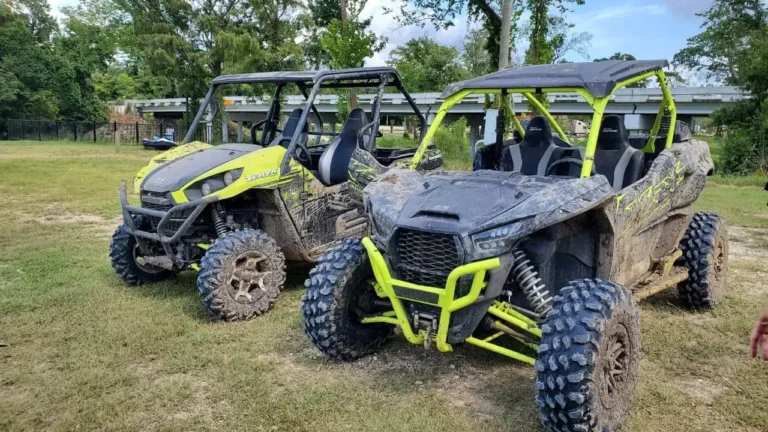
If you are looking for more outdoor adventure in the area, explore the best ATV rentals in Houston for a thrilling experience.
Brazos Bend State Park: Visitor FAQs
What is Brazos Bend State Park best known for?
Brazos Bend is world-famous for its massive population of American alligators and the research-grade telescopes at the George Observatory. It is a premier destination for wildlife viewing and stargazing in the Houston area.
Can you go swimming or boating at the park?
No, swimming, wading, and private boating are strictly prohibited in all park waters for visitor safety. The high density of alligators makes these activities extremely dangerous for both humans and pets.
How many alligators live in the park?
Wildlife biologists estimate that between 250 and 350 adult alligators reside within the park’s 1,000 acres of water. Countless smaller alligators also inhabit the marshes and lakes year-round.
Are pets allowed on the park trails?
Yes, pets are welcome but must be kept on a leash no longer than six feet at all times. You must keep all pets far away from the water’s edge to avoid dangerous interactions with alligators.
Is a fishing license required within the park?
No, you do not need a fishing license to fish from the shore or piers within Brazos Bend State Park. This is a special benefit of the “Fishing in State Parks” program for all visitors.
How far is Brazos Bend from downtown Houston?
The park is located approximately 45 miles southwest of downtown Houston, near the town of Needville. The drive typically takes about one hour depending on regional traffic conditions.
What are the daily entrance hours for visitors?
The park gates are open daily from 8:00 AM until 10:00 PM for all visitors. If you are arriving for camping after hours, ensure you have your reservation details and access code ready.
How do I purchase tickets for the George Observatory?
You must purchase tickets for Saturday night stargazing sessions online in advance via the Houston Museum of Natural Science website. Tickets are not sold at the park headquarters or at the observatory itself.
Are the trails accessible for all visitors?
Yes, the half-mile Creekfield Lake Nature Trail is fully paved and ADA accessible for all guests. It features interactive and tactile exhibits specifically designed for visitors with visual or mobility impairments.
Final Thoughts on Brazos Bend State Park
Brazos Bend State Park remains a vital sanctuary for Texas wildlife and a treasure for outdoor enthusiasts. Its unique combination of ecology and stargazing makes it a one-of-a-kind destination.
Whether you are witnessing a massive alligator basking in the sun or exploring the ancient live oak forests, the park offers a profound connection to nature. Plan your visit for 2026 and experience the wild beauty of the Texas coast for yourself.
For more information, visit the official TPWD Brazos Bend page or check out our guide on the Houston city guide.