The Sixth Floor Museum at Dealey Plaza: Tickets, Hours, and Tips
When you visit The Sixth Floor Museum at Dealey Plaza, you get the Kennedy story, the preserved Texas School Book Depository setting, and a practical downtown stop in the same trip. If you are planning a visit, start with the museum’s plan your visit page and use the current hours, ticket prices, and entry rules before you leave home.
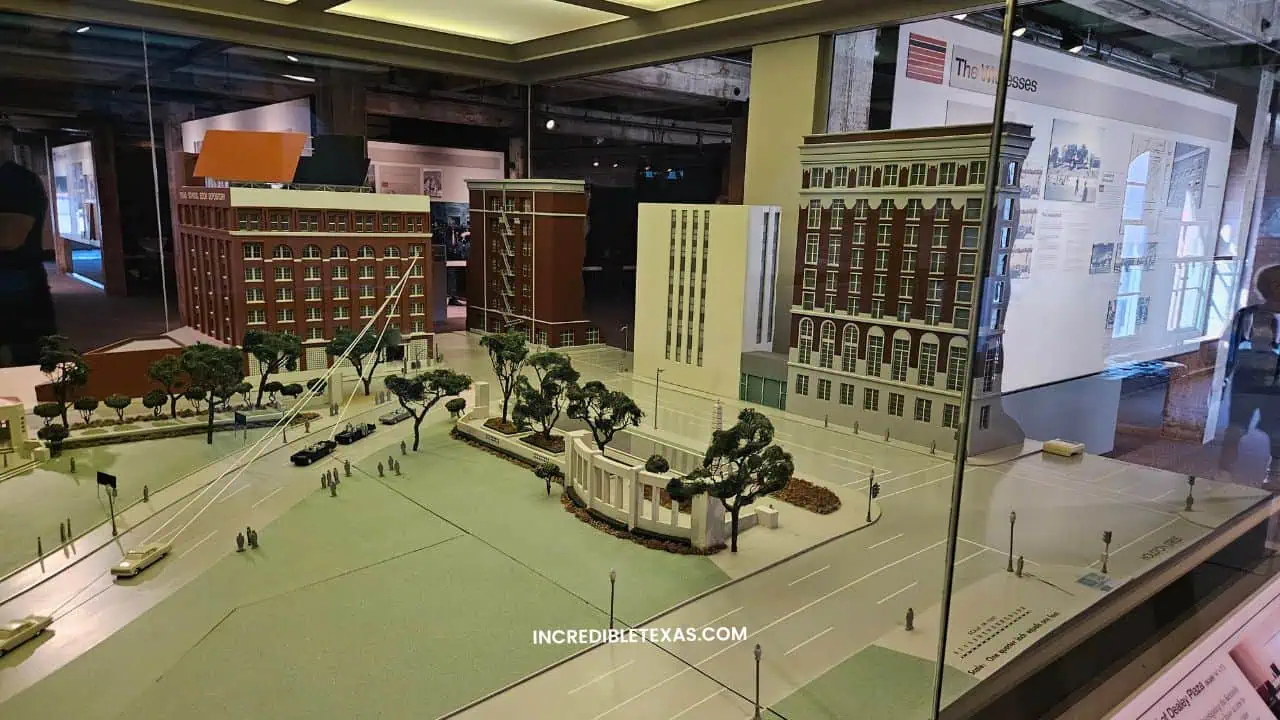
You can expect a focused visit rather than a huge all-day museum crawl. The core exhibit takes about 90 minutes.
Timed tickets must be purchased in advance, and the museum is open Wednesday through Sunday from 10 am to 5 pm with last ticket sold and last entry at 4:15 pm.
You get a strong fit for a downtown Dallas day when you want history, context, and a manageable visit length. If you are building a larger route, pair it with best things to do in Dallas or add a nearby stop after you finish inside.
| Quick fact | Visitor detail |
|---|---|
| Address | 411 Elm Street, Dallas, TX 75202 |
| Hours | Wednesday through Sunday, 10 a.m. to 5 p.m. |
| Last entry | 4:15 p.m. |
| Admission | Adult $27, Senior (65+) $25, Youth (6-18) $23, Child (0-5) free |
| Visit length | About 90 minutes for the core exhibit |
| Parking | Paid parking adjacent to the museum; fees vary by lot |
| Transit | Three blocks west of West End Station; five blocks north of Union Station |
| Photos | Non-flash photography allowed on the sixth and seventh floors and in the Visitors Center for personal use only |
If you want the shortest answer, the museum works best when you arrive with timed tickets, plan about two hours on site, and leave a little room for Dealey Plaza itself after you finish inside.
The parking, transit, accessibility, and photography rules are specific, so it helps to check them before you leave home.
The museum is a good Dallas choice for travelers who want a serious historic site without a huge time commitment. You can build the visit around the core exhibit, step into the plaza afterward, and still leave time for lunch or a second stop.
The Sixth Floor Museum at Dealey Plaza at a Glance
The Sixth Floor Museum at Dealey Plaza chronicles the assassination and legacy of President John F. Kennedy inside the former Texas School Book Depository building.
The main exhibit sits on the sixth floor, special exhibits and public programs appear on the seventh floor, and the location gives you a direct connection to a major historic setting in Dallas.
If you want a clean overview before you arrive, the museum’s own site explains the current visit basics, and Visit Dallas gives you a useful city-level snapshot with the address and general visitor context. The museum itself is the better source for hours, entry rules, and the current admission table.
This stop fits well with a downtown Dallas day because you can reach it without a long drive from the rest of the city center. If you want to make the day broader, keep Deep Ellum and Klyde Warren Park in mind for after your museum time.
If this is your first visit, keep the core exhibit as your anchor and save Dealey Plaza for after you finish inside.
Visitors who like structured history stops usually appreciate the museum most when they arrive with a simple plan: see the core exhibit, step outside to Dealey Plaza, and leave time for the details that sit around the building. That pace keeps the visit clear and lets you absorb the setting instead of rushing past it.
Why the Museum Belongs on a Dallas Itinerary
You should treat the museum as more than a quick photo stop because the building and the plaza together give you a concentrated view of Dallas history. The preserved setting makes the visit feel immediate, and the exhibit adds the context you need to understand why the site still matters.
The museum also works well when you want a downtown stop that does not swallow your entire day. You can fit it between breakfast and dinner, or place it in the middle of a route that also includes a park, an observation deck, or another museum.
If you are building a broader Dallas plan, pair the museum with Dallas Museum of Art for a culture-heavy day. The two stops give you different kinds of museum time without forcing you into the same subject twice.
The museum also rewards travelers who like places with strong local and national context. You are standing in a building that changed purpose over time, and the exhibit makes that shift part of the experience instead of hiding it.
That is useful if you want a Dallas itinerary with depth. You can spend the morning at the museum, walk the plaza, and still have enough energy for an early dinner or a skyline view later in the day.
If you want to compare it with another indoor Dallas stop, Perot Museum of Nature and Science gives you a very different kind of experience. The Perot is more hands-on and science-focused, while the Sixth Floor Museum leans hard into place, memory, and historical interpretation.
The Sixth Floor Museum at Dealey Plaza Tickets, Hours, and Entry Rules
The museum’s current schedule is straightforward: Wednesday through Sunday from 10 a.m. to 5 p.m., with Monday and Tuesday closed.
You also need timed tickets, and tickets must be purchased in advance.
Admission currently lists Adult at $27, Senior at $25, Youth at $23, and Child ages 0-5 free. If you are visiting with a mixed-age group, that pricing structure makes it easy to estimate the total before you book.
| Ticket type | Current price | Notes |
|---|---|---|
| Adult | $27 | Timed entry required |
| Senior (65+) | $25 | Timed entry required |
| Youth (6-18) | $23 | Timed entry required |
| Child (0-5) | Free | Timed entry still applies |
The most important rule is the timed-entry system. You should choose your arrival window carefully because the museum will not accept tickets that do not match the stated date and time.
That means the best plan is to buy your tickets after you settle on your Dallas day order. If the museum is your first stop, book an early window and keep the rest of the day flexible around it.
The museum’s FAQ page is also worth checking if you want the current rules on tickets, entry timing, photography, and visit length in a single place. The page is especially helpful if you have a question that sits outside the standard admission page.
If you are visiting during a busy weekend, buy tickets earlier than you think you need to. The museum’s own timing rules leave little room for improvisation once the day starts.
You also need to plan for the last-entry cutoff. Since last ticket sold and last entry are at 4:15 p.m., an afternoon arrival only works when you are ready to enter quickly and stay focused.
Visitors who want a calmer pace should aim for the earlier part of the day. A morning entry gives you more room to read, look out at the plaza, and decide whether you want to stay longer outside afterward.
The Sixth Floor Museum at Dealey Plaza Parking, Directions, and Transit
The museum is at 411 Elm Street in downtown Dallas, and paid parking is conveniently located adjacent to the building.
Fees vary by lot, and oversized vehicles or buses are not allowed, so you should not assume that every vehicle will fit into the closest option.
If you want the exact parking setup before you go, the museum’s Parking & Directions page is the right place to check. It gives you the official location, the adjacent parking note, and the public transit details in the same place.
Public transit is a real option here. The museum sits three blocks west of West End Station, which connects to DART lines, and five blocks north of Union Station, which connects to TRE service to Fort Worth.
That transit access matters if you want to avoid downtown traffic. You can ride in, visit the museum, and keep the rest of your Dallas day simple without having to circle for a garage space.
If you are driving, build in a few extra minutes for downtown conditions. Elm Street can feel tight around busy hours, and a small buffer makes your timed entry less stressful.
Parking also works better when you treat the museum as part of a wider downtown route. If you are already planning stops near the center city, adding the museum into a single parking session can save time later.
For another easy downtown pairing after your visit, Klyde Warren Park gives you a skyline-adjacent outdoor break that works well after a history-heavy morning.
What to Know Before You Go
If you are treating this as a JFK Museum Dallas visit, the simplest plan is to buy timed tickets early, use the audio guide, and leave time for Dealey Plaza after the exhibit.
That approach works well because the museum visit is focused and the surroundings matter almost as much as the galleries. You get the best value when you treat the inside and outside parts of the stop as one experience.
How the audio guide helps
The audio guide is part of the experience, so use it to pace the sixth-floor exhibit instead of rushing from panel to panel.
That works especially well if you want to connect the assassination story, the building itself, and the broader Kennedy legacy in one visit.
First-time visitor tips
For a first visit, arrive a little early, keep your schedule loose, and plan the museum as the anchor of a downtown day.
If you want to see Dealey Plaza outside, do it after the exhibit so the indoor story stays fresh when you step back out.
Photos, bags, and pacing
Non-flash photography is allowed in the museum’s visitor areas and on the sixth and seventh floors for personal use, so bring a phone or camera that you can use without flash.
Keep your bag light, because a compact visit is easier when you are moving through a historic building and then back out into the plaza.
What You See on the Sixth and Seventh Floors
The core exhibit, John F. Kennedy and the Memory of a Nation, sits on the sixth floor.
The seventh floor holds special exhibits and public programs.
The museum’s floor layout helps you move through the history in a direct way. You start with the building’s context, move through the assassination story and aftermath, and then step back into a wider interpretation of Kennedy’s legacy.
The sixth floor core exhibit
Give the sixth floor enough attention to read the labels and hear the audio guide material.
The self-guided core exhibit takes about 90 minutes, which is a useful pace target when you want to plan the rest of your day.
This is where the preserved site matters most. You are not just looking at objects in a vacuum, because the building itself helps frame what happened there and why it remains central to Dallas history.
If you want a bit more context before you go inside, the museum’s own home page gives you a sense of the current exhibition focus and the institution’s broader mission.
That context can help you decide how much time to budget for reading versus quick viewing.
The seventh floor and temporary exhibits
The seventh floor adds another layer when temporary exhibits or programs are open. If your visit schedule is loose, that extra level can make the museum feel richer without requiring a full second stop elsewhere.
You should still keep your expectations practical. The seventh floor is an add-on to the core experience, not a separate museum day by itself.
That said, the extra floor is useful if you want to slow down and let the visit breathe. It gives you a chance to read more, compare materials, and shift out of the fast pace that can happen when a site draws a large crowd.
The Dealey Plaza context outside
Once you step outside, the plaza itself becomes part of the experience. You can walk the area, look at the surroundings, and place the indoor exhibit into the physical setting that shaped the story.
The museum’s Dealey Plaza Interactive Guide is useful if you want a digital layer for that outside walk. It lets you explore the site before or after your visit and gives you a cleaner sense of where the historical markers sit around the plaza.
That outside walk is a strong reason to keep a little time in reserve after the exhibit. You can absorb the building first, then step into the plaza and connect the details to the place itself.
The Sixth Floor Museum at Dealey Plaza Accessibility, Photography, and Family Notes
The museum is designed to be accessible across all levels, and wheelchair users can reach the exhibit spaces through the accessible ramp at the northwest corner. Wheelchairs are available in the Visitors Center on a first-come, first-served basis, and the museum also offers KultureCity sensory bags for guests who need them.
Service animals are welcome, and the restrooms include fully accessible stalls. If you need a more specific accommodation, calling ahead is the easiest way to make sure your visit starts smoothly.
Photography is allowed with limits. Non-flash photography is permitted on the sixth and seventh floors and in the Visitors Center for personal use only, but you should not assume that every photo idea will be allowed inside the galleries.
That rule matters if you are a casual traveler who likes to post photos as you go. You can still capture the visit, but you need to do it without flash and without turning the museum into a full production.
Families should also keep the subject matter in mind. The museum handles a difficult chapter of American history, so the experience works best when you are ready for a serious tone rather than a light entertainment stop.
You can still bring kids, and the museum is a reasonable stop for older children who are ready for historical context. The visit tends to work better for families who want discussion and interpretation instead of hands-on play.
If you are visiting with children, keep the visit length realistic and leave room for a break afterward. A short walk in downtown Dallas or a nearby meal can help the day feel balanced.
The museum’s visitor rules also help keep the environment calm. You will have a better experience if you plan to move at a steady pace, keep your phone use light, and give the exhibit the attention it asks for.
How Long to Stay and the Best Time to Visit The Sixth Floor Museum at Dealey Plaza
Plan about 90 minutes for the core exhibit and more time if you want to read deeply or spend longer on the seventh floor.
If you also want to walk Dealey Plaza, the safer total is closer to two hours or a little more.
The best time to visit is usually earlier in the day, especially if you want a quieter entry and more space to move through the galleries.
Late afternoon can still work, but the 4:15 p.m. last-entry cutoff makes that window feel tighter.
Weekends are fine if your schedule demands them, but a weekday morning usually gives you the smoothest rhythm. You can arrive, settle in, and read at a slower pace before downtown activity picks up.
If your Dallas schedule is packed, make the museum your anchor and leave the rest of the day open. That approach lets you add a lunch stop or a second attraction without rushing the history part of the trip.
You should also watch the clock if you are combining the museum with parking. A timed-entry ticket plus downtown parking is easier to manage when you arrive with at least a small cushion before your slot.
Travelers who like a calm visit can also use the museum’s morning hours to their advantage. The galleries usually feel easier to absorb when you are not trying to squeeze them into the last hour before closing.
If you want a skyline finish to the day, Reunion Tower is a strong follow-up after the museum.
If you want a lower-key walk instead, Klyde Warren Park gives you a break from the indoor setting without sending you far from downtown.
Nearby Dallas Stops to Pair With the Museum
The museum fits best when you treat it as part of a small downtown route. You do not need a second long museum stop unless your schedule is flexible, because the plaza and the surrounding area already add to the visit.
If you want to stay focused on culture, Dallas Museum of Art is a natural follow-up.
It gives you a different kind of museum experience and keeps your day in the same general part of the city.
If you want another big Dallas landmark, Reunion Tower works especially well after your history stop because it changes the mood from reflective to scenic.
The contrast makes the day feel complete without asking you to travel far.
If you want a simple lunch break or a relaxed walking pause, Klyde Warren Park gives you an easy downtown reset.
You can eat, sit down, and let the museum experience settle before you decide on your next move.
Perot Museum of Nature and Science also belongs on a longer Dallas day if your group wants a second major attraction.
The Perot is more science-driven, so it pairs well when you want variety rather than a second history stop.
If you are trying to keep the route compact, choose just a single add-on after the museum.
A shorter route gives you enough space for the building, the exhibit, and the plaza without feeling overscheduled.
Travelers who want a fuller downtown plan can also fold the museum into a larger list of best things to do in Dallas.
That approach is useful when you are building a weekend instead of just a single stop.
Is The Sixth Floor Museum Worth Visiting?
Yes, especially if you want a serious Dallas history stop tied to the JFK assassination site and the former Texas School Book Depository building.
The Dallas JFK museum works best for travelers who want context, not just a photo stop. You get a focused historic visit, a meaningful place to walk outside, and enough content to make the stop feel important without turning the day into a marathon.
If you like history, government, American memory, or places that still shape public conversation, the museum belongs on your Dallas list. If you prefer hands-on exhibits, use it as one anchor stop and pair it with a more interactive attraction later in the day.
The Sixth Floor Museum at Dealey Plaza FAQ
How long does it take to go through The Sixth Floor Museum?
The core exhibit takes about 90 minutes.
If you also want to spend time on the seventh floor or walk around Dealey Plaza afterward, plan closer to two hours.
If you like to read every panel, your visit may run longer. A slower pace is usually the better choice here because the exhibit rewards attention more than speed.
What are The Sixth Floor Museum’s hours?
The museum is open Wednesday through Sunday from 10 a.m. to 5 p.m.
Monday and Tuesday are closed, and last ticket sold and last entry are at 4:15 p.m.
If you want the least stressful arrival, aim for the morning. The earlier window gives you more room to explore without watching the clock too closely.
Do you need to buy tickets in advance for The Sixth Floor Museum?
Yes. Timed tickets must be purchased in advance, so you should not count on walking in and buying a same-day ticket without checking availability first.
Advance booking matters most on weekends and during busy travel periods, when the most convenient entry windows can disappear quickly.
Is photography allowed inside The Sixth Floor Museum?
Yes, but only non-flash photography is allowed, and the rule applies to the sixth floor, the seventh floor, and the Visitors Center. The images are for personal use only.
If you want to take photos for more formal use, you should contact the museum first so you know what is permitted before you arrive with a plan.
Where do you park when visiting The Sixth Floor Museum?
Paid parking is located adjacent to the museum at 411 Elm Street, and the museum notes that fees vary by lot. Oversized vehicles and buses are not allowed, so large rigs should not plan on the same parking setup as standard cars.
If you prefer not to drive into the center of downtown, the museum is also close to transit. West End Station and Union Station both put you within a short walk of the entrance.
Is The Sixth Floor Museum accessible by public transportation?
Yes. The museum is three blocks west of West End Station and five blocks north of Union Station, so you can reach it by DART or TRE without needing to park right at the door.
Public transit helps keep the museum visit simple from start to finish.
Is The Sixth Floor Museum good for kids?
It can be, especially for older children who are ready for historical context and a serious subject. The experience is more reflective than playful, so it works best when your group wants learning and discussion rather than hands-on exhibits.
If you are bringing younger children, keep the visit shorter and add an outdoor break afterward. A nearby park or lunch stop can help the day feel more balanced.
What is the Dealey Plaza Interactive Guide?
The Dealey Plaza Interactive Guide is the museum’s digital planning tool for exploring the site before or after your visit. It helps you understand the layout around the museum and gives you a better sense of where the historical context sits outdoors.
Use it if you want extra context before you walk the plaza or if you want to compare what you saw inside with the landmarks outside.
After you finish the museum, the best next move is usually simple: walk the plaza, choose a nearby Dallas stop, and give yourself time to process the visit before you move on.