Space Center Houston: Tickets, Hours, Tram Tours, Parking, and Visitor Tips
Space Center Houston is one of the strongest single-day attractions in Texas because it combines a museum, a NASA connection, and a practical Houston outing that feels bigger than a standard exhibit visit. According to Space Center Houston’s official planning page, general admission starts at $24.95 and includes access to three NASA Tram Tours plus the main exhibits.
That mix makes the attraction useful for families, space fans, and couples who want something more distinctive than a routine museum stop. It also fits naturally into a broader Houston itinerary alongside the city’s major highlights and date-night ideas, including the guides to best things to do in Houston and Houston date ideas.
The guide below focuses on current tickets, hours, parking, tram tours, accessibility, and how much time to plan. The goal is to help Houston visitors decide whether Space Center Houston belongs on a first trip, a family weekend, or a Houston staycation.
| Quick Fact | Current Details |
| Address | 1601 E NASA Parkway, Houston, TX 77058 |
| Official status | The official visitor center of NASA Johnson Space Center |
| General admission | Starts at $24.95 when booked online |
| Mission Control add-on | Starts at $39.95 with reserved boarding |
| Parking | $10, plus a service fee |
| Standard visit length | 4 to 7+ hours |
| Best planning source | Space Center Houston visitor information |
Space Center Houston Tickets, Hours, And Parking
According to the current planning page, general admission starts at $24.95 when purchased online and the price varies by age. The same page notes that admission prices increase by $5 when tickets are bought at the on-site box office or kiosks.
That pricing structure gives visitors a strong reason to buy in advance. It also helps explain why the official site keeps stressing timed entry, boarding passes, and specific reservation windows for popular add-ons.
| Ticket Type | Current Starting Price | What It Includes |
| General admission | $24.95 | Timed entry, exhibits, and access to 3 NASA Tram Tours excluding Mission Control |
| Mission Control Tour + General Admission | $39.95 | General admission plus a reserved Mission Control Tram Tour |
| Breakfast with an Astronaut + General Admission | $79.95 | Breakfast buffet, astronaut presentation, and general admission |
| Early Access Tour + General Admission | $75.00 | Early guided access before opening plus general admission |
| Simulation experiences | $8 to $10 | Optional VR and motion experiences when available |
Parking is another straightforward cost. The official visitor information page lists parking at $10, plus a service fee, and notes that members park for free, buses and oversized vehicles have ample space, and EV charging is available after parking is purchased.
Budget-conscious travelers should also look at the center membership and CityPASS options. The official site says members get free parking, free general admission for 12 months, and discounts around the property, while Houston CityPASS bundles the attraction with other major city attractions.
Hours are date-dependent, so the safest planning move is to check the official schedule before leaving home. At the time of research, the live pages showed standard daytime openings that changed by date and event, including 10 am to 5 pm and 10 am to 6 pm windows on select days.
The most useful official page for that check is the official visitor guide, because it combines ticket options, itinerary suggestions, and the current operating-hour display in one place.
Space Center Houston At A Glance
Space Center Houston is not just a museum with space-themed props. NASA says Johnson Space Center is home to Mission Control Center for the agency’s human space missions, so the attraction carries a real connection to the work that shaped American spaceflight.
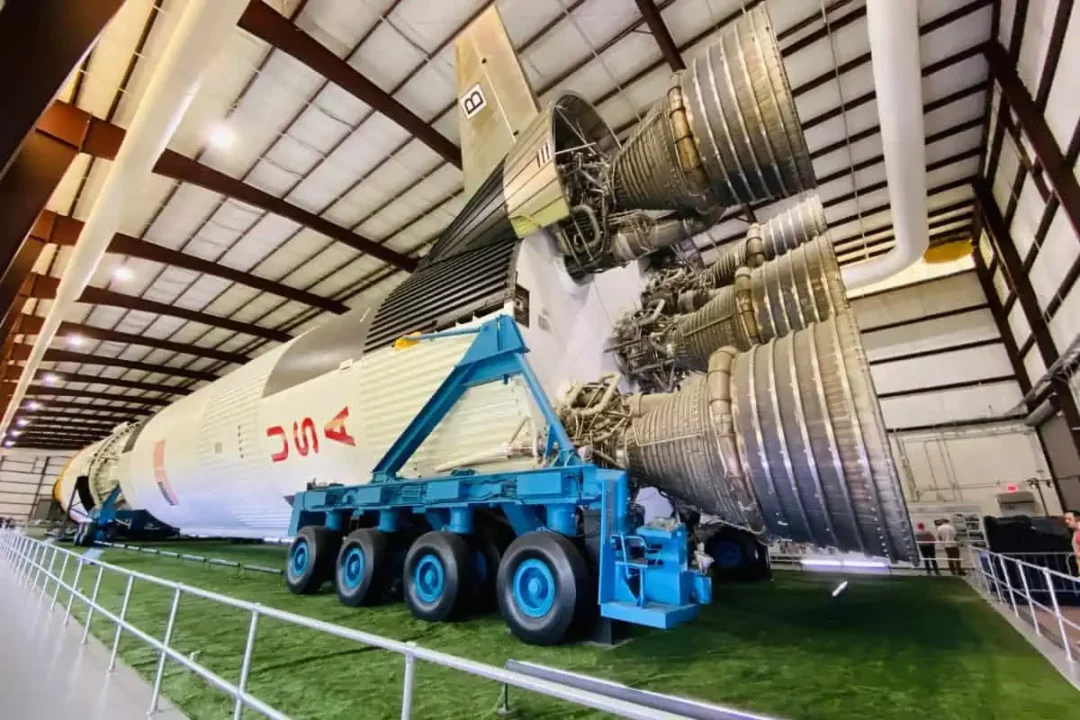
That distinction matters because the center is built around more than displays behind glass. Visitors can see flown spacecraft, walk through the Independence Plaza shuttle display, and get on NASA tram tours that go beyond the front gate of the museum campus.
The best audience is broad, but the experience is especially strong for travelers who like one destination to do more than one job. It works as a family anchor, a STEM-focused field trip, a couple’s outing, or a trip that needs a big indoor option in hot or rainy weather.
It is less ideal for travelers who want a quick 45-minute stop. The official planning page recommends full-day, half-day, and lightspeed itineraries, which is a good signal that the center rewards a slower pace.
- Families get a full day of exhibits, tram tours, and interactive learning.
- Space fans get real NASA context instead of a generic science center.
- Couples get an unusual date option that is more memorable than dinner alone.
- Weekend visitors get a dependable indoor anchor when Houston weather turns hot or wet.
For Houston travelers who want to build a larger city plan around the attraction, the most useful next stops are usually the city’s parks, museums, and food districts. The broader Houston park guide at top 20 Houston parks is a strong companion for a lower-cost second stop.
A Practical Booking Strategy
Travelers searching for Space Center Houston tickets hours tram tours parking usually want one simple plan. The cleanest approach is to buy tickets online, arrive early, and treat the tram boarding area as the first major stop of the day.
Space Center Houston hours are date-dependent, so the official schedule should be checked before departure. Space Center Houston parking is easy to budget for at $10, but the online price difference and the tram queue matter more than the lot itself.
Space Center Houston tram tours create the most memorable part of the visit, so the itinerary should be built around boarding times rather than saved for the end of the day. Mission Control should be reserved first when that add-on is part of the plan, and CityPASS only makes sense when the rest of the Houston itinerary is already packed with major attractions.
- Buy online to avoid the on-site price bump.
- Arrive early enough to catch the first tram windows.
- Keep lunch flexible around The Food Lab.
- Book Mission Control days ahead when possible.
What General Admission Covers
General admission at Space Center Houston goes far beyond a basic lobby walk-through. The center’s current exhibit pages list included access to the Starship Gallery, Independence Plaza, Mission Mars, the Artemis Exhibit, and the International Space Station Gallery, along with the tram tours that make the campus feel different from a standard museum.
The official planning page also recommends several full-day itinerary stops. Those include Mission: Sketch, the NASA Tram Tour, lunch at The Food Lab, The Moonwalkers: A Journey with Tom Hanks, and the Space Center Houston Gift Shop.
The best way to think about the visit is as a sequence rather than a single room. A first-time visitor gets more out of the center by moving in layers, starting with the front exhibits, then the tram boarding area, and then the deeper galleries that make the campus feel like an actual day trip.
- Starship Gallery holds flown spacecraft and major artifacts from the Apollo, Mercury, Gemini, and shuttle eras.
- Independence Plaza lets visitors explore the shuttle replica and the historic shuttle carrier aircraft.
- Mission Mars keeps the focus on future exploration and the engineering story behind it.
- Artemis Exhibit connects the attraction to the current era of lunar exploration.
- The Moonwalkers adds a modern multimedia layer to the experience.
- The Food Lab gives families a practical lunch option without leaving the property.
For travelers planning a longer Houston stay, the center pairs well with a citywide attraction list such as things to do in Houston for free. That combination works especially well when the goal is a balanced trip with one paid anchor attraction and one low-cost outdoor stop.
Families who want another major Houston ticketed stop often compare the center with the Houston Zoo guide. The two attractions create very different days, which is helpful when a trip needs both STEM learning and animal-focused downtime.
NASA Tram Tours And Mission Control
The tram program is the main reason Space Center Houston stands out from other science attractions. Space Center Houston says the tours go on-site at NASA Johnson Space Center, and NASA’s own material describes Johnson as the home of Mission Control Center for the agency’s human space missions at NASA’s Johnson Space Center page.
The current tram setup includes four tour options: Historic Mission Control, Astronaut Training Facility, George WS Abbey Rocket Park, and NASA Campus, with general admission covering the latter three and Historic Mission Control remaining a paid add-on that must be booked in advance.
That advance-booking detail matters. Space Center Houston says Historic Mission Control is extremely limited, often sells out days in advance, and should be reserved about two weeks ahead when demand is high.
| Tram Tour | Included In General Admission? | Reservation Style |
| Historic Mission Control | No | Paid add-on, reserve online in advance |
| Astronaut Training Facility | Yes | First-come, first-served on-site boarding pass |
| George WS Abbey Rocket Park | Yes | First-come, first-served on-site queue |
| NASA Campus | Yes | First-come, first-served on-site boarding pass |
If Mission Control Sells Out
The visit still works when the add-on tram is gone because the included tours and the main galleries carry most of the day. The center is large enough that missing one ticketed upgrade does not turn the trip into a disappointment.
The best fallback is to move deeper into Starship Gallery and Independence Plaza first, then use the first open tram window for one of the included rides. That keeps the schedule productive instead of turning the morning into a line-management exercise.
Visitors who suddenly gain extra time can slow the lunch break, stay longer in the gift shop, or add a relaxed stop from the Houston parks and free-things guides later in the day. That is usually a better use of time than waiting around for a sold-out boarding pass to reopen.
- Prioritize the included tram tours before lunch.
- Spend extra time in the major galleries.
- Save the souvenir stop for the end of the visit.
These tours are open-air and weather sensitive, so a Houston summer storm or a windy cold front can change the day quickly. The visitor information page advises comfortable clothing and weather-appropriate shoes because some experiences take place outdoors for extended periods.
The practical result is simple: the tram queue should be one of the first stops after entry. Visitors who wait until late in the day are more likely to see the most popular tours fill up or run into a shorter operating window before close.
For visitors who enjoy pairing a science day with a more relaxed Houston experience, the center is a good fit for a second-date itinerary or a mixed itinerary that ends at a park. The nearby nature options in top 20 Houston parks can turn the same trip into a longer, lower-stress weekend plan.
Best Time To Visit And How Long To Stay
Space Center Houston works best when it is treated like a half-day or full-day attraction rather than a quick indoor stop. The official site offers three itinerary lengths, and that alone is a useful clue that visitors should plan a real schedule instead of improvising once they arrive.
| Suggested Stay | Best For | Typical Plan |
| 2 hours | Lightspeed visit | Starship Gallery, Independence Plaza, and a quick look at the gift shop |
| 4 hours | Half-day visit | Core exhibits, one tram tour, and lunch at The Food Lab |
| 7+ hours | Full-day visit | Everything above plus multiple tram tours and the larger exhibits |
The best time of day is usually early. The official visitor information page says weekends, holidays, and summer are the busiest periods, and it recommends arriving as early as possible during those windows.
Weekdays tend to be more forgiving for boarding tram tours and moving through the galleries at a slower pace. The same pattern also helps with Houston’s other large attractions, which is why a combined plan with the city’s free outdoor spaces often feels less rushed.
Couples building a more relaxed outing can pair the center with a later evening from the Houston date ideas guide. That combination makes more sense than trying to force a second major attraction into the same afternoon.
Families who want a second paid attraction on a different day should not overlook the Houston Zoo. Its guide at Houston Zoo tickets, hours, map, and free parking offers a useful comparison because the zoo is a very different pace from the space center.
Accessibility, Rules, And What To Bring
Space Center Houston keeps a fairly clear list of what visitors should bring and what they should leave behind. The visitor information page recommends comfortable clothing, weather-appropriate shoes, and a small bag, and it notes that large bags are screened by security before entry.
The same page also says some items are not allowed, including weapons, large luggage, alcohol, large quantities of food, coolers, pets other than service animals, drones, tripods, and several forms of camera equipment. A limited luggage storage option is available for a fee, which is useful for travelers who arrive straight from a hotel or airport.
The accessibility page is equally useful. Space Center Houston says it provides accessibility resources, a social narrative, sensory backpacks, and direct contact options for specific planning questions, which is a strong sign that the site takes pre-visit planning seriously.
Those details matter because the attraction includes both indoor and outdoor components. An open-air tram, outdoor queues, and long walking stretches can be manageable with the right prep, but they are easier when the visit starts with the right shoes and weather expectations.
- Wear comfortable shoes that can handle long walks and outdoor boarding areas.
- Bring a small bag instead of a large backpack or suitcase.
- Plan for Texas weather, especially heat, humidity, rain, or wind.
- Use the guest services desk early if the visit depends on tram boarding passes.
- Check the official accessibility page before arrival if sensory or mobility support is needed.
For visitors who need direct planning support, the official accessibility page at Space Center Houston accessibility options is the best place to start. The attraction also maintains a current visitor information page with parking, food, and daily logistics in one place.
Where Space Center Houston Fits In A Houston Itinerary
Space Center Houston works best as the anchor of a southeast Houston day, not as a random detour. The attraction sits about 30 minutes from downtown Houston and about 20 minutes south of Hobby Airport, which makes it easy to build into a broader city stay or a weekend arrival day.
The surrounding area also helps with lodging. Space Center Houston’s visitor information page points travelers toward Webster and Nassau Bay for nearby hotels and local entertainment, which is a smart move for anyone who wants to avoid the traffic of a downtown-only base.
For visitors who want a budget-friendly Houston weekend, the attraction can be paired with free or low-cost stops. The city’s best free outings are covered in things to do in Houston for free, while a second outdoor stop can come from top 20 Houston parks.
That approach keeps the trip balanced. One paid anchor attraction, one free green-space stop, and one good meal often create a better Houston itinerary than trying to pack in too many major tickets in a single day.
Houston travelers who want to turn the outing into a full city weekend can also use a broader Houston attraction guide as a master list. Space Center Houston usually sits near the top of that kind of plan because it gives the trip a clear centerpiece.
For visitors who prefer a savings-first approach, the current official site materials and the public Houston pages make it clear that early booking matters. A city pass, online tickets, and an early tram strategy usually do more for the budget than waiting until the box office line is already crowded.
Space Center Houston Frequently Asked Questions
How long does a visit to Space Center Houston take?
Most visitors should plan at least four hours, and a full day is the better choice when tram tours matter. The official site offers 2-hour, 4-hour, and 7+ hour itinerary models, which is a strong indicator that the attraction rewards longer stays.
Is Space Center Houston worth it for adults?
Yes. Adults get the most value when they treat the visit as a real NASA experience rather than a children’s science stop, because the tram tours, Mission Control add-on, and flown spacecraft collection create a stronger historical and engineering story than many family attractions.
Are tram tours included in general admission?
Three tram tours are included in general admission: the Astronaut Training Facility, George WS Abbey Rocket Park, and NASA Campus tours, while Historic Mission Control is not included and must be purchased as a paid add-on with an advance reservation.
How much is parking at Space Center Houston?
Parking is listed at $10, plus a service fee. Members receive free parking, and the official visitor information page says there is ample parking for buses, oversized vehicles, and EV charging after parking is purchased.
Do Space Center Houston tickets sell out?
Tickets themselves can usually be bought online, but the most popular tram boarding passes do sell out, especially for Historic Mission Control. The official site repeatedly advises advance booking and early arrival for the best availability.
Is Space Center Houston good for kids?
Yes, especially for school-age children who enjoy hands-on learning, rockets, and a clear sense of discovery. The center also works well for multigenerational families because the exhibits are structured enough for adults while still being visually exciting for younger visitors.
Final Thoughts
Space Center Houston is one of Houston’s most dependable anchor attractions because it gives a visitor real substance instead of a quick photo stop. The combination of current ticketing, practical tram access, and the NASA connection makes it an easy recommendation for almost any Houston trip.
The attraction is at its best when it is treated with the time it deserves. For visitors who plan ahead, arrive early, and choose the right tram tours, Space Center Houston becomes the kind of day that feels both educational and genuinely memorable.