Harry Ransom Center Austin TX: Hours, Parking & Highlights
Harry Ransom Center Austin TX is a free humanities research center and museum at The University of Texas at Austin, and it works well for visitors who want rare books, manuscripts, photographs, and rotating exhibitions in one stop.
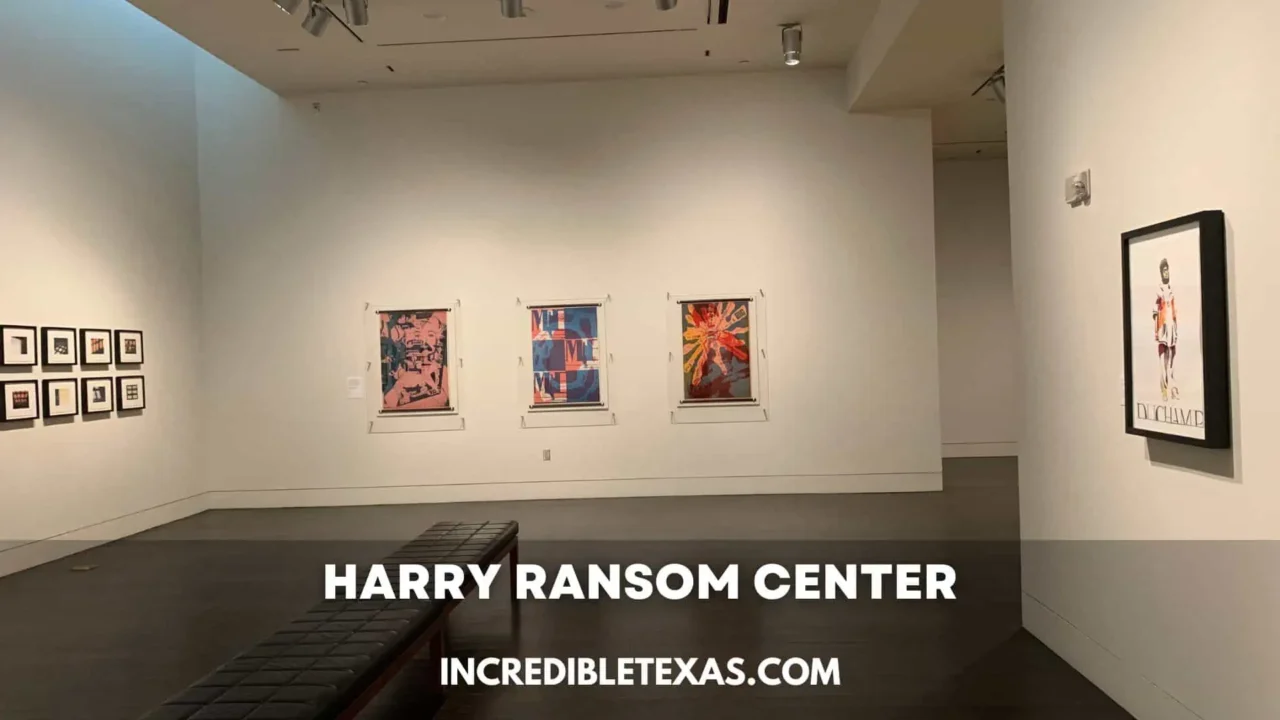
The easiest way to plan the visit is to use the current gallery hours, parking notes, and Reading Room schedule before arriving. For a broader Austin itinerary, it also fits naturally with unique things to do in Austin.
The official site keeps the most useful visitor facts current at Harry Ransom Center. The center is compact enough for a short cultural stop, yet broad enough to reward visitors who want to move from a gallery visit into a deeper look at archives, books, and artistic collections.
Visitors who only need the quick answer can plan around free admission, campus parking, and exhibition hours that fit into a half-day trip. The center also pairs neatly with a larger Austin day, especially for people already exploring museums, UT Austin, or other downtown attractions.
| Quick fact | Details |
|---|---|
| Official name | Harry Ransom Center |
| Address | 300 West 21st Street, Austin, TX 78712 |
| Admission | Free |
| Exhibition hours | Tuesday to Friday 10am to 5pm; Saturday and Sunday noon to 5pm; closed Mondays |
| Reading Room hours | Monday to Saturday 9am to 5pm; closed Sundays |
| Parking | Metered parking on Guadalupe Street, free on Sundays |
| Public tours | Scheduled to resume on April 18, 2026 |
| Best for | Rare books, archives, exhibition viewing, research access, and a quiet campus visit |
The table above covers the details that matter most on arrival. The rest of the visit depends on whether the goal is a quick exhibition stop, a research-oriented trip, or a slower campus walk that includes more of central Austin.
Harry Ransom Center Austin TX: Hours, Admission, And Location
The Harry Ransom Center Austin TX is one of the easiest Austin cultural stops to budget because admission is free. The current visit page also keeps the hours and parking rules in one place, which reduces the chance of arriving on the wrong day or at the wrong entrance.
Exhibition galleries are open Tuesday through Friday from 10am to 5pm and Saturday through Sunday from noon to 5pm. The galleries are closed on Mondays, while the Reading Room uses its own schedule and stays open Monday through Saturday from 9am to 5pm, closed Sundays.
That split schedule matters because the museum side and the research side serve different visitors. A traveler who only wants exhibitions can follow the gallery schedule, while a researcher or student may need the Reading Room hours instead.
| Visitor detail | Current information |
|---|---|
| Exhibition galleries | Tuesday to Friday 10am to 5pm; Saturday and Sunday noon to 5pm |
| Reading Room | Monday to Saturday 9am to 5pm |
| Closed days | Exhibition galleries closed Mondays; Reading Room closed Sundays |
| Address | 300 West 21st Street, Austin, Texas 78712 |
| Admission | Free |
| Parking | Metered parking on Guadalupe Street, free on Sundays |
| Transit | CapMetro Trip Planner and CapMetro App are listed on the official visit page |
The center’s address places it on the UT Austin campus near the corner of 21st and Guadalupe. That makes it simple to fold into an urban Austin plan without needing a long detour, which is why it fits cleanly into a central-day route.
The stop also fits into a larger itinerary built from unique things to do in Austin, especially because the campus location sits near other central Austin attractions.
Weekday mornings are usually the easiest times to manage because the building is open, the schedule is clear, and the visit can start before the rest of the afternoon fills with other plans. Weekend afternoons work too, but the gallery hours are shorter on those days.
Visitors should also remember that the Reading Room schedule differs from the exhibition schedule. That matters for anyone who wants rare-book or manuscript access rather than a general gallery visit.
What The Harry Ransom Center Austin Is
The Harry Ransom Center Austin TX is an internationally known humanities research center rather than a standard neighborhood museum. It preserves and shares collections tied to literature, photography, film, art, and the performing arts, which gives the site a broader identity than a single-gallery attraction.
The center was founded in 1957 by Harry Huntt Ransom, and its current location on the UT Austin campus dates to 1972.
Its collections are unusually large and unusually varied, with nearly 1 million books, more than 42 million manuscripts, 5 million photographs, and 100,000 works of art.
The center also opens its holdings to a wide audience. Students, scholars, and casual visitors all use the same public-facing site, which is why the building can function as both a serious archive and an easy cultural stop for travelers.
- Visitors who enjoy literary history can focus on manuscripts and rare books.
- Photography fans can spend time with early images and major photographic collections.
- Film and performing arts visitors can look for archives tied to creative process and production history.
- General museum visitors can treat the stop as a free, central Austin indoor activity.
For visitors comparing broader city stops, the center sits comfortably beside best things to do in Austin. It feels more reflective than many Austin attractions, which makes it a useful choice when the day needs a slower pace.
The site’s best quality is range. One trip can include a museum-style exhibition visit, a look at a famous book or photograph, and a glimpse of how a major research archive works behind the scenes.
What Visitors Can See Inside Harry Ransom Center Austin TX
The Harry Ransom Center Austin TX is best known for holding major works that sit at the intersection of literature, art, film, and photography. Some visitors come for a single object, while others come for the broader range of rotating exhibitions and permanent highlights.
The homepage currently highlights Lives and Literacy in Ancient Egypt, The Gutenberg Bible, The Niépce Heliograph, and Portrait of Carson McCullers by Emanuel Glicen Romano. Those examples show the range of material the center can bring into view at the same time.
The visit page also highlights two of the center’s most famous objects. The Gutenberg Bible is one of only five complete copies in the United States, and the Niépce heliograph is described as the earliest photograph produced in the camera obscura that survives today.
Major holdings include Frida Kahlo’s Self-Portrait with Thorn Necklace and Hummingbird, the Gernsheim Collection, unpublished notes by Albert Einstein, and manuscripts by Gabriel García Márquez.
A single gallery visit can include a famous book, a landmark photograph, a major art object, and a manuscript archive.
- Rare books create the strongest first impression for many visitors.
- Manuscripts and notebooks show how major writers built their work.
- Photography collections add a visual history layer that feels distinct from the literary holdings.
- Film and art archives widen the appeal beyond book-focused visitors.
The center works well for relaxed Austin date ideas built around conversation, art, and a walk.
Food-focused visitors can also turn the outing into a longer route by pairing the museum with Austin food tours later in the day. The center is calm and indoor, while the next stop can shift the mood toward Austin’s restaurant scene.
Visitors who care about the objects more than the architecture usually leave with a sense of scale. The center feels like a place where a single room can carry the story of an entire cultural field.
Visitors who prefer a broader exhibition experience still have enough to see because the gallery programming changes. That keeps the stop relevant for repeat visitors, UT alumni, and anyone who wants a museum visit that changes with the calendar.
Harry Ransom Center Austin TX Tours, Reading Room, And Research Access
Tour and research access is one of the center’s most distinctive advantages. It is not only a place to look at exhibitions; it also works as a genuine research destination with public access to materials in the Reading Room.
At the moment, the official visit page says public tours will resume on April 18, 2026. That makes the current schedule important to check before building a visit around docent-led access rather than a self-guided gallery stop.
Private group tours are available for groups of 10 or more and must be scheduled at least two weeks in advance. The official site says those tours may take place Tuesday through Friday between 10am and 4pm and on weekends between noon and 4pm.
The Reading Room is open to the public, which is unusual enough to matter for trip planning. Visitors who want to study manuscripts, rare books, or visual materials can register at the reception desk, show a current photo ID, and view a brief presentation on using the facility and handling collection materials.
That access level makes the center useful even for visitors who are not academics. The institution is built for scholarship, but the public can still experience part of that process firsthand through the Reading Room and exhibition spaces.
| Access type | What to know |
|---|---|
| Public tours | Scheduled to resume on April 18, 2026 |
| Private group tours | For 10 or more people; request at least two weeks ahead |
| Private tour timing | Tuesday to Friday 10am to 4pm; weekends noon to 4pm |
| Reading Room | Open to the public with registration, photo ID, and a short orientation |
| Research focus | Manuscripts, rare books, and visual materials |
Visitors who want a more structured visit should look at the official site’s event and tour pages before arriving. The current information is clearest on the museum’s own visit page, which keeps the schedule, parking, and rules together.
The research side of the center adds a different kind of value than a standard exhibit hall. A visitor can arrive for the galleries, then realize the building is also home to one of the country’s most substantial public humanities research environments.
That dual function matters because it shapes the tone of the visit. The center feels calm and scholarly, but it never becomes closed off to general visitors who just want to see what makes the collections special.
Visitors with a deeper interest in authors, photographers, or archives can use the Reading Room as the main reason to come. Casual visitors can still enjoy the galleries without needing to know anything about the research side in advance.
Harry Ransom Center Austin TX Parking, Accessibility, Photography, And Visitor Rules
The visitor rules at the Harry Ransom Center Austin TX are straightforward, but they matter because the building serves both museum guests and research visitors. A little planning makes the arrival and the gallery time feel much smoother.
Parking is metered on Guadalupe Street, with free parking on Sundays. The visit page also notes accessible parking in nearby garages for a fee, plus curbside parking near the center for ADA placard or plate holders after 5:45pm on weekdays and anytime on weekends and holidays.
Bike racks are available in front of the center, which gives visitors another practical arrival option on a campus that already works well for walking. CapMetro trip planning tools are also listed for people who prefer transit over parking.
The building’s interior rules are designed to protect the collections. Backpacks, large bags, food, and drink are not permitted in the galleries, theater, or Reading Room, and lockers are available for storing backpacks and travel luggage during the visit.
Photography rules are also clear. Personal, non-flash photography with handheld equipment is allowed in exhibition galleries and public spaces unless signage says otherwise, while photography of collection material in the Reading Room follows a separate policy.
- Arrive with small bags if possible to move through the galleries more easily.
- Use lockers for larger luggage or backpacks before entering the public spaces.
- Plan non-flash photos only unless the signage allows something different.
- Check the ADA accommodation note in advance when mobility or accessibility needs matter.
The center also offers a wheelchair for public use and lists ADA-compliant public restrooms. Visitors who need American Sign Language or a specific ADA accommodation are asked to contact the center at least five business days in advance.
Those details make the center especially manageable for travelers who want a predictable indoor stop. The information is all public, specific, and tied to the actual use of the building rather than vague visitor marketing language.
The rules also make the visit feel more relaxed once inside. When bags, food, and camera habits are sorted out ahead of time, the galleries and the Reading Room become easier to enjoy without distraction.
Visitors who want a meal after the museum can keep the day moving with Austin restaurants with a view. That pairing works especially well because the center is quiet and reflective, while the dinner stop can carry the same unhurried tone into the evening.
Parking and access details are especially useful on busier campus days. A small amount of advance planning helps the trip feel like a deliberate museum visit rather than a hunt for space near a university street corner.
How To Pair The Visit With Nearby Austin Stops
The Harry Ransom Center Austin TX fits naturally into a central Austin route because it sits on the UT campus and near other classic city stops. That makes it a useful anchor point for a day that mixes culture, campus energy, and food without moving too far across town.
Visitors who want more than a single museum stop can build a broader plan around the campus area, a downtown meal, or another nearby cultural attraction. The center works especially well when the day needs a calm, indoor, and free stop between other Austin plans.
For visitors who want a broader Austin plan after the museum, the best way to think about the stop is as a quiet start to a bigger day. It can lead into lunch, another campus destination, or a scenic dinner without forcing a complicated route.
Austin tourism also places the center within the city’s arts-and-culture map, which matches the way many visitors actually use it. The official visitor ecosystem keeps the stop tied to a larger city itinerary rather than treating it as a standalone curiosity.
Travelers who like to structure a city day around experiences rather than distances can use the center as the cultural anchor and then move outward. That pattern works well for locals, weekend visitors, and anyone who prefers a museum visit that does not dominate the entire day.
- Start with the gallery visit while the day is still quiet.
- Move into a campus walk or a nearby lunch break after the museum.
- Use the afternoon for another Austin attraction or a slower neighborhood route.
- Finish with dinner or evening plans that keep the day centered in Austin.
The center is also a strong match for visitors who prefer a thoughtful itinerary over a packed one. A shorter museum visit can still feel complete, and the rest of the day can shift toward coffee, books, art, or a scenic meal depending on the mood.
The location, hours, and free admission make the Harry Ransom Center useful for Austin visits. It has enough substance for dedicated museum-goers, but it still behaves like a simple yes for anyone who wants a free and meaningful stop.
Visitors seeking a full Austin food-and-culture day can also pair the museum with Austin food tours later on. Visitors who want a more traditional sit-down meal can use Austin restaurants with a view to finish the evening on the same scenic note.
The location and access setup make the museum easy to recommend as part of an urban trip.
FAQ: Harry Ransom Center Austin TX
Is Harry Ransom Center free?
Yes. The Harry Ransom Center Austin TX states that admission is free.
Free entry makes it one of the easiest central Austin museum stops to fit into a day without a ticket cost.What is Harry Ransom Center known for?
The center is known for rare books, manuscripts, photographs, art, and archives tied to major writers and artists. The collections include the Gutenberg Bible, the Niépce heliograph, Frida Kahlo works, Jack Kerouac materials, Einstein notes, and major literary archives that attract both researchers and casual visitors.
Where is Harry Ransom Center located?
The Harry Ransom Center is located at 300 West 21st Street, Austin, TX 78712 on the UT Austin campus. That campus location makes it easy to combine with a broader downtown or university-area day without needing a long cross-town drive.
What are Harry Ransom Center hours?
Exhibition galleries are open Tuesday through Friday from 10am to 5pm and Saturday through Sunday from noon to 5pm. The galleries are closed on Mondays, while the Reading Room is open Monday through Saturday from 9am to 5pm and closed Sundays.
Are tours available at Harry Ransom Center?
Yes, but the current schedule matters. The official visit page says public tours will resume on April 18, 2026, and private group tours for 10 or more people can be scheduled at least two weeks in advance for specific weekday and weekend time windows.
Can the public use the Reading Room?
Yes. The Reading Room is open to the public, and visitors can use manuscripts, rare books, and visual materials after registering at the reception desk, showing a current photo ID, and completing a short orientation on facility use and material handling.
Is photography allowed at Harry Ransom Center?
Personal, non-flash photography with handheld equipment is permitted in exhibition galleries and public spaces unless signage says otherwise. Photography rules for collection material in the Reading Room are separate, so visitors who want to photograph research items should check the museum’s policy before the visit.
Final Take
The Harry Ransom Center is one of Austin’s strongest free cultural stops because it combines major collections, public exhibitions, and research access in one central campus location. Visitors can treat it as a quick museum visit, a deeper archive stop, or a calm break inside a bigger Austin day.
What makes it especially useful is the balance between famous holdings and practical visitor planning. Free admission, clear hours, accessible parking options, and straightforward rules make the center easier to visit than many attractions that offer far less cultural depth.
For anyone building a broader Austin route, the center fits neatly beside nearby food, date-night, and city-attraction plans. It is the kind of place that works for first-time visitors and repeat Austin travelers for the same reason: the collections are serious, but the visit stays simple.