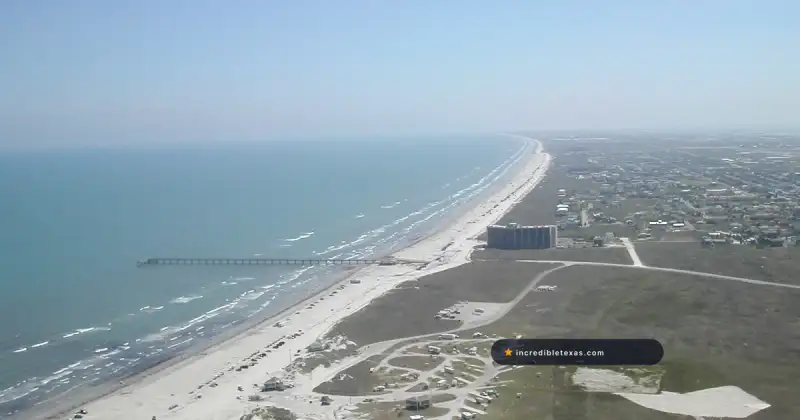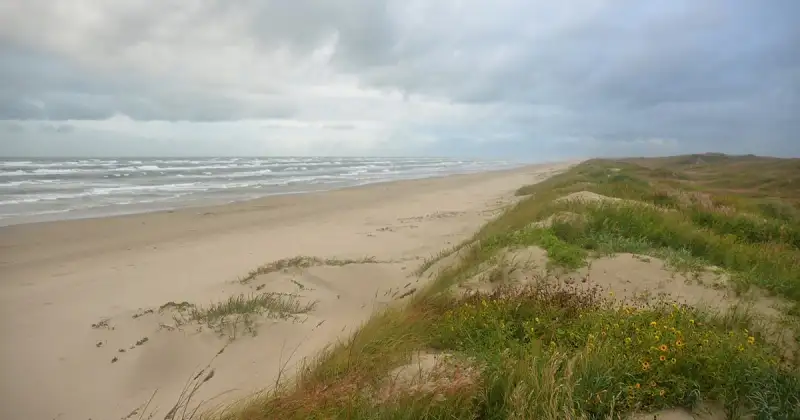
Driving onto the shoreline of the Upper Texas Coast delivers an authentic beachfront tradition just an hour from Houston. Familiarizing yourself with crystal beach camping permits rules ensures a smooth trip free from parking tickets, towing fees, or campfire citations. Across 27 continuous miles of sand, Bolivar Peninsula welcomes tents, camper vans, and self-contained RVs directly beside the crashing Gulf surf.
Key takeaways
- Camping directly on the sand is legal across all 27 miles of Bolivar Peninsula, including Crystal Beach, Caplen, and Gilchrist.
- A Galveston County beach parking sticker ($10 standard, $5 early-bird in Jan-Feb) is required for any vehicle parked on the sand, with no separate camping fee.
- Campers may stay for up to 14 consecutive days on the beach before having to relocate their equipment.
- Small campfires up to 3x3x3 feet are permitted on the open sand at least 10 feet from dunes, while glass containers are strictly banned peninsula-wide.
- The 24/7 TxDOT Galveston-Bolivar ferry provides free passage across the Houston Ship Channel, though summer weekend wait times often exceed 60 to 90 minutes.
What to Expect Camping on Crystal Beach & Bolivar Peninsula
Crystal Beach and the Bolivar Peninsula offer 27 continuous miles of drive-on coastal sand where beachfront primitive camping is legal year-round. Unlike neighboring Galveston Island, motorists can drive directly onto the sand, pitch tents, and park camper vans along the waterline.
The peninsula functions as an easy coastal getaway for travelers seeking freedom and relaxed beach culture. Because there are no perimeter gates, entrance booths, or assigned campsite numbers, campers select their own spot directly on the sand.
Understanding the layout of access roads, local amenities, and beach conditions ensures you choose a beach section that matches your desired balance of excitement and solitude.
27 Miles of Continuous Gulf Drive-On Sand
Bolivar Peninsula stretches northeast from the Galveston-Bolivar ferry slip to the Chambers County line near High Island. State Highway 87 runs parallel to the beach, with dozens of numbered cut roads providing direct vehicular access through the dune gaps.
The communities along this spit of land include Port Bolivar on the western tip, Crystal Beach in the commercial center, and Caplen and Gilchrist to the east. Crystal Beach hosts the highest concentration of beach rentals, surf shops, seafood shacks, and family activity.
Campers seeking lively gatherings, golf cart cruising, and beach volleyball naturally congregate near central Crystal Beach access points. Those looking for quiet stargazing and fishing should head toward the quieter stretches near High Island.
Contrasting Bolivar Peninsula with Galveston Island
Travelers often confuse Galveston Island with Bolivar Peninsula because they are separated by less than three miles of water. However, local regulations regarding motor vehicles and beach camping are completely different between the two landmasses.
On Galveston Island, driving on the sand and primitive beach camping are strictly prohibited by city ordinance across all municipal beaches. Visitors seeking coastal camping on Galveston Island must reserve developed campsites at Galveston Island State Park.
In contrast, Bolivar Peninsula remains an unincorporated area governed by Galveston County, where drive-on camping is protected under state open access laws. Motorists can unpack coolers, pitch canopies, and camp directly behind their trucks.
| Beach Access Cut | Peninsula Location | Mile Marker | Typical Crowd Level | Best For |
|---|---|---|---|---|
| Retillon Road | Port Bolivar (West End) | Highway 87 Mile 5 | Light to moderate | Solitude, surf fishing, free parking zone |
| Rettilon to Washout | Port Bolivar | Highway 87 Mile 7 | Moderate | Anglers, beach walkers, zero permit area |
| Crystal Beach (Middle) | Central Bolivar | Highway 87 Mile 14 | Heavy on weekends | Families, golf carts, proximity to grocery stores |
| Stingaree Road | East Crystal Beach | Highway 87 Mile 17 | Moderate | Access to bayside marinas and seafood dining |
| Rollover Pass East | Gilchrist / High Island | Highway 87 Mile 24 | Light | Quiet dry camping, shell gathering, birding |
Galveston County Beach Parking Permits: Costs, Zones & Where to Buy
Vehicles parked on Bolivar Peninsula beaches must display a Galveston County parking sticker costing $10 annually ($5 during January and February). Stickers are sold at The Big Store, local gas stations, and county offices, with two designated free parking zones.
Under the Texas General Land Office Open Beaches Act Guidance, the public holds guaranteed recreation rights on all Texas beaches. However, state law allows county commissioners to charge modest vehicle parking fees to fund beach cleanup and sanitation.
Displaying the sticker on your lower windshield fulfills all legal parking requirements for day trips and multi-night camping stays.
The $10 Annual Parking Sticker and Early-Bird Rates
The Bolivar Beach Parking Sticker operates on a calendar year system, remaining valid from the day of purchase through December 31. The standard retail price is $10 per vehicle.
Galveston County provides an early-bird promotional rate of $5 per sticker for motorists who purchase during January and February. Towed camping trailers and fifth wheels do not require a separate sticker, provided the towing truck displays a valid permit.
Motorcycles, registered street-legal golf carts, and side-by-sides parked on the sand must also display their own individual parking permits. Disabled veterans and drivers with official handicap placards are exempt from permit requirements under county regulations.
Local Retailers: Buying at The Big Store and Island Outlets
Acquiring a parking sticker on the peninsula is straightforward. Virtually every gas station, convenience store, and bait shop along Highway 87 sells them at the register.
The most famous retail hub is The Big Store, located at 2385 State Highway 87 in central Crystal Beach. This landmark grocer carries everything from groceries and fresh meats to hardware, RV sewer fittings, firewood, and beach permits.
Stickers are also sold at the Bolivar Peninsula Chamber of Commerce and the Galveston County Parks Department. Purchasing your sticker before driving through the sand cut prevents municipal parking tickets, which carry fines between $50 and $100.
Reviewing pass policies across other coastal corridors, such as our guide to Matagorda Beach camping and vehicle passes, helps you budget parking fees across the state.
Designated Free Parking Zones on the Peninsula
Galveston County maintains two designated free beach parking areas where visitors can park and camp without purchasing a parking sticker:
- Western Free Area: Extends from Rettilon Road eastward to the first natural beach washout in Port Bolivar.
- Eastern Free Area: Extends from approximately 2.5 miles east of the historic Rollover Pass channel eastward to the Chambers County line near High Island.
These free zones feature the same open sand and surf as central Crystal Beach but lack commercial services and grocery outlets nearby. Motorists parking anywhere between these two zones must display the $10 parking decal.
| Permit Classification | Applicable Zone | Standard Cost | Early-Bird Window | Where to Affix |
|---|---|---|---|---|
| Standard Vehicle Pass | Central 20 miles of Bolivar Beach | $10 | $5 (Jan 1 to Feb 28) | Lower passenger side windshield |
| Street-Legal Golf Cart | All drivable Bolivar beaches | $10 | $5 (Jan 1 to Feb 28) | Front windshield or front body panel |
| Handicap / Veteran Placard | All Bolivar beaches | Free exemption | N/A | Hanging rearview placard or plate |
| Western Free Zone | Rettilon Road to first washout | Free ($0) | Free year-round | No sticker required |
| Eastern Free Zone | 2.5 mi east of Rollover to county line | Free ($0) | Free year-round | No sticker required |
Beachfront Camping Regulations and Length of Stay Limits
Galveston County permits primitive beach camping for up to 14 consecutive days. Campers must position their encampments landward of the high tide wrack line and within reasonable distance of the primary dune base to keep the shoreline driving track open.
Dispersed camping on Bolivar requires self-reliance. There are no designated RV pads, water spigots, electrical hookups, or sewer drops directly on the sand.
Following sensible camping protocols ensures your shelter stays dry and does not obstruct other vehicles traveling the beach roadway.
The 14-Day Maximum Stay Rule
County ordinances establish a 14-consecutive-day limit for camping on the beach. Campers may enjoy up to two continuous weeks of Gulf sunsets, surf fishing, and campfires in a single location.
Once you reach the 14-day mark, you must dismantle your campsite and vacate that section of the shoreline. This regulation prevents permanent squatting and ensures equal access to prime coastal spots.
Enforcement officers from the Galveston County Sheriff’s Office patrol the sand daily, logging vehicle license plates and issuing warnings to camps that exceed the stay limit.
Safe Campsite Staging: Dunes, High Tides, and Driving Lanes
Setting up a beach camp requires understanding coastal geography. The beach functions as a dynamic natural highway with traffic moving up and down the packed sand near the waterline.
Important
Always pitch your tents, canopies, and camper trailers closer to the base of the dunes, leaving a wide two-lane driving corridor unobstructed along the wet tidal sand. Never camp below the high-tide wrack line where nighttime tide surges can flood your sleeping area.
Under the Texas Statutes Natural Resources Code Chapter 61, driving, parking, or pitching tents directly on top of the coastal dunes or their native vegetation is strictly illegal. Dunes serve as the primary storm surge barrier protecting the entire peninsula from coastal erosion.
Before driving into the soft upper sand to pitch your tent, review our tactical guide on driving on the beach in Texas rules to master tire deflation and recovery gear.
Campfire Guidelines, Firewood, and Glass Container Prohibitions
Small contained campfires no larger than 3 feet high, wide, and long are permitted on the sand, provided they remain at least 10 feet from native dunes. Glass containers are strictly prohibited across all peninsula beaches, with citations carrying fines up to $500.
An evening campfire under a starlit coastal sky is one of the greatest joys of camping on Crystal Beach. However, open fire requires strict safety measures to prevent accidents and wildfire spread.
County authorities enforce common-sense fire and safety regulations to protect visitors and native wildlife. For campers seeking other budget-friendly shorelines across the state, explore our guide to free beach camping spots on the Texas Gulf Coast.
The 3x3x3 Foot Campfire Limit and Extinguishment Rules
Campfires are legal directly on the sand on Bolivar Peninsula, but they must adhere to specific size restrictions. Under county guidelines, a campfire cannot exceed 3 feet in width, 3 feet in length, and 3 feet in height.
Fires must be placed on open sand at least 10 feet away from the base of the vegetated sand dunes. Dry dune grasses like sea oats ignite quickly, and coastal wind gusts can carry burning embers directly into residential subdivisions behind the dunes.
Campers must bring clean, unpainted firewood. Burning wooden shipping pallets containing nails, screws, or staples is strictly prohibited because rusty fasteners remain in the sand, causing severe foot puncture injuries and flat tires.
Always extinguish campfires completely with buckets of seawater before leaving your site or turning in for the night. Never simply cover hot coals with dry sand, as buried embers can stay scorching hot for over 24 hours.
Zero Tolerance for Glass Containers on the Sand
Galveston County enforces a strict, zero-tolerance prohibition against glass containers on all public beaches. Broken glass bottles buried in the sand present severe cutting hazards for children, pets, and barefoot beachcombers.
Deputies and beach patrol officers actively inspect coolers. Violations of the glass ban result in immediate Class C misdemeanor citations carrying fines up to $500.
Plan your beverages accordingly by purchasing aluminum cans, boxed wines, or durable plastic drinkware. Pack heavy-duty garbage bags and deposit all aluminum and plastic waste into the green county trash barrels situated at beach access points.
| Campfire & Safety Element | County Regulation | Prohibited Actions | Best Practice |
|---|---|---|---|
| Maximum Fire Dimensions | 3 feet wide x 3 feet long x 3 feet high | Bonfires taller than 3 feet | Use a portable steel fire ring |
| Distance from Coastal Dunes | Minimum 10 feet from dune base | Burning on or near dune vegetation | Stage fire in open flat sand |
| Permitted Fuel | Clean cut firewood or charcoal | Pallets with nails, painted lumber, plastic | Buy firewood bundles at The Big Store |
| Fire Extinguishment | Douse thoroughly with buckets of seawater | Burying live coals under dry sand | Stir wet sand until coals are cold to touch |
| Beverage Containers | Aluminum cans and plastic bottles only | Glass beer and soda bottles | Transfer beverages to plastic tumblers |
Beach Driving Rules: Speed Limits, Golf Carts & Dune Protections
All motor vehicles, golf carts, and ATVs on Bolivar beaches must obey the 15 mph speed limit. Golf carts must be street-legal with slow-moving vehicle emblems, and driving or parking on coastal sand dunes is strictly illegal under Texas law.
Bolivar Peninsula features an active vehicle culture where customized golf carts, lifted trucks, and utility task vehicles share the shoreline roadway. However, this vehicular freedom operates under standard Texas Transportation Code statutes.
Operating a vehicle responsibly protects children playing in the surf and ensures the county continues to permit drive-on access.
The 15 MPH Shoreline Speed Limit
The speed limit along the entire 27-mile beach corridor is 15 mph day and night. Deputies from the Galveston County Sheriff’s Office monitor vehicle speeds with radar guns throughout holiday weekends.
Traveling at 15 mph provides drivers with sufficient reaction time to spot children darting out from behind parked trucks or anglers casting lines from the surf gut.
Reckless driving, spinning donuts in the sand, and throwing rooster tails near other campsites are classified as reckless driving offenses that can lead to vehicle impoundment and jail time.
Operating Golf Carts and Utility Vehicles on the Sand
Golf carts are an iconic element of the Crystal Beach camping experience. Many families rent carts locally or haul their own to cruise between beach access cuts and convenience stores.
To legally operate a golf cart on Bolivar beaches and public roads with posted speed limits of 35 mph or less, the vehicle must meet state requirements. Drivers must possess a valid driver’s license, and the cart must display a fluorescent slow-moving vehicle triangle emblem, headlights, taillights, and rearview mirrors.
Golf carts parked on the sand must also display a valid $10 Bolivar Beach Parking Sticker. Operators must obey open container laws; possessing an open alcoholic beverage while driving a golf cart carries the same penalties as driving a full-size passenger car while intoxicated.
Protecting the Dunes and Native Coastal Vegetation
The sand dunes along Bolivar Peninsula are the community’s primary defense against severe tropical weather and wave inundation. Cutting through dunes with four-wheel-drive trucks or ATVs destroys the root systems that hold the shoreline together.
State law strictly bans operating any motorized vehicle on coastal dunes. Citations carry fines up to $500, and violators may face civil restitution charges to fund dune reconstruction.
Travelers looking for remote, undeveloped barrier island camping can compare Bolivar Peninsula with the backcountry trails in our guide to Padre Island National Seashore primitive camping.
Getting to Bolivar: The Free Galveston Ferry vs. Highway 124
Travelers reach Bolivar Peninsula either via the free 24/7 TxDOT Galveston-Bolivar Ferry or by driving around Galveston Bay along Highway 124 through Winnie. During peak holiday weekends, taking the highway detour often saves hours over lengthy ferry queues.
Selecting the right arrival route depends on departure location, trailer towing requirements, and current ferry wait times.
Understanding both transit corridors ensures you spend your weekend relaxing on the sand rather than waiting in idling traffic lines.
Navigating the Free 24/7 TxDOT Galveston-Bolivar Ferry
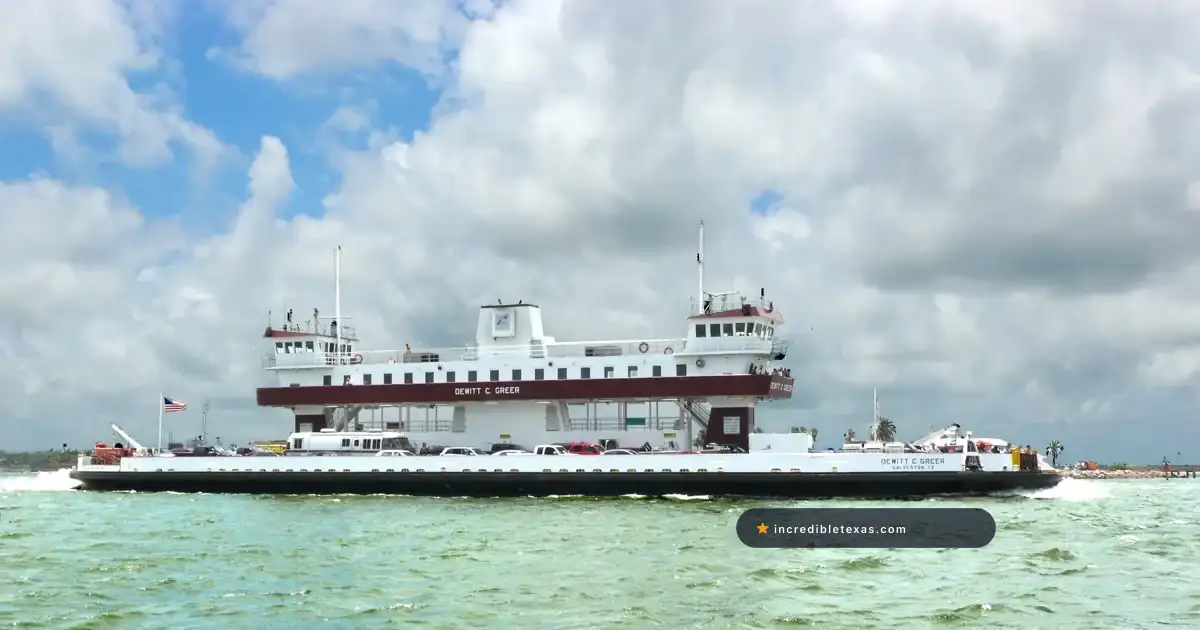
The Galveston-Port Bolivar Ferry is operated by the Texas Department of Transportation, linking Galveston Island at 1000 Ferry Road to the western tip of Bolivar Peninsula. The service is 100% free of charge for all cars, trucks, RVs, motorcycles, and pedestrians.
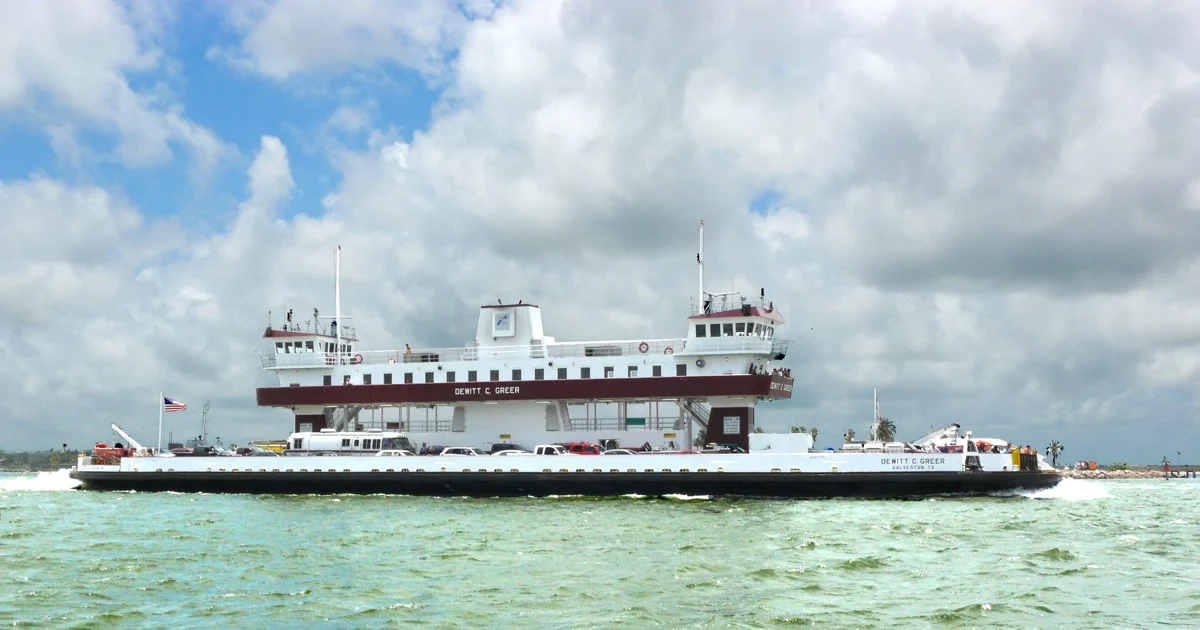
The crossing covers 2.7 miles across the entrance of Galveston Bay and the Houston Ship Channel, taking approximately 18 minutes dock-to-dock. Travelers can step out of their vehicles onto the observation decks to watch brown pelicans and bottlenose dolphins swimming alongside the ferry hull.
The ferry runs 24 hours a day, 365 days a year. Before arriving at the terminal, motorists should check live wait times and highway conditions using the DriveTexas Highway and Ferry Tracker. While weekday waits typically run under 15 minutes, holiday weekend queues can easily extend past two hours.
Peak Summer Wait Times and the Highway 124 Winnie Bypass
If you are traveling from north or east of Houston, or if holiday ferry wait times exceed 90 minutes, using the overland bypass is significantly faster.
From Interstate 10, take Exit 829 at Winnie and travel south along State Highway 124. This route passes through the coastal marshlands of High Island, providing direct, queue-free highway access to the eastern end of Bolivar Peninsula.
The highway bypass eliminates the stress of waiting in long ferry holding lanes, which is particularly beneficial for drivers towing large fifth-wheel campers or boat trailers. If you are starting your trip on Galveston Island with pets, check our guide to best beaches in Galveston that allow dogs before boarding the ferry.
| Route Option | Primary Highways | Driving Distance from Houston | Ferry Wait Time Risk | Best Suitable For |
|---|---|---|---|---|
| Galveston Ferry Route | I-45 South to TX-87 | ~60 miles + ferry | 45 to 120 minutes on peak weekends | Scenic bay voyage; travelers visiting Galveston first |
| Winnie / Highway 124 Route | I-10 East to TX-124 South | ~85 miles (all highway) | Zero ferry delay (continuous drive) | Drivers towing heavy RVs; holiday weekend travelers |
| High Island East Entrance | Highway 73 / 124 South | ~90 miles from Beaumont | Zero ferry delay | East Texas and Louisiana coastal visitors |
Frequently Asked Questions About Crystal Beach Camping
Can you camp on Crystal Beach in Texas?
Yes, primitive beach camping is legal directly on the sand across all 27 miles of Crystal Beach and Bolivar Peninsula. Campers can pitch tents or dry camp in RVs, provided their vehicle displays a valid county parking sticker.
Do you need a permit to camp on Bolivar Peninsula?
You do not need a separate camping permit, but your parked vehicle must display an annual $10 Galveston County beach parking sticker. Driving through the sand without parking requires no sticker.
Where do you buy a Bolivar Beach parking sticker?
Stickers are sold at local retailers on Highway 87, including The Big Store, local convenience stores, gas stations, and the Bolivar Peninsula Chamber of Commerce. They can also be purchased through the Galveston County Parks Department.
How much does a Crystal Beach parking pass cost?
The parking sticker costs $10 per vehicle for the calendar year running from January 1 through December 31. An early-bird discount of $5 is offered during January and February each year.
Are campfires allowed on Crystal Beach?
Yes, campfires are allowed directly on the open sand as long as they are kept to a maximum size of 3x3x3 feet and positioned at least 10 feet from the dunes. Campers must extinguish fires completely with water before leaving.
Can you drive a golf cart on Crystal Beach?
Yes, street-legal golf carts and utility terrain vehicles can be driven on Bolivar beaches provided they display a slow-moving vehicle emblem and have a beach parking sticker. Drivers must hold a valid driver’s license and obey the 15 mph speed limit.
How long can you camp on Bolivar Peninsula beaches?
Galveston County allows primitive beach camping for up to 14 consecutive days in a single location. After 14 days, you must remove all camping equipment and vehicles from that beach section.
Is the Galveston to Bolivar ferry free?
Yes, the TxDOT Galveston-Port Bolivar Ferry is completely free for all vehicles, pedestrians, and cyclists. The ferry runs 24 hours a day, 365 days a year, with crossing times averaging roughly 18 minutes.