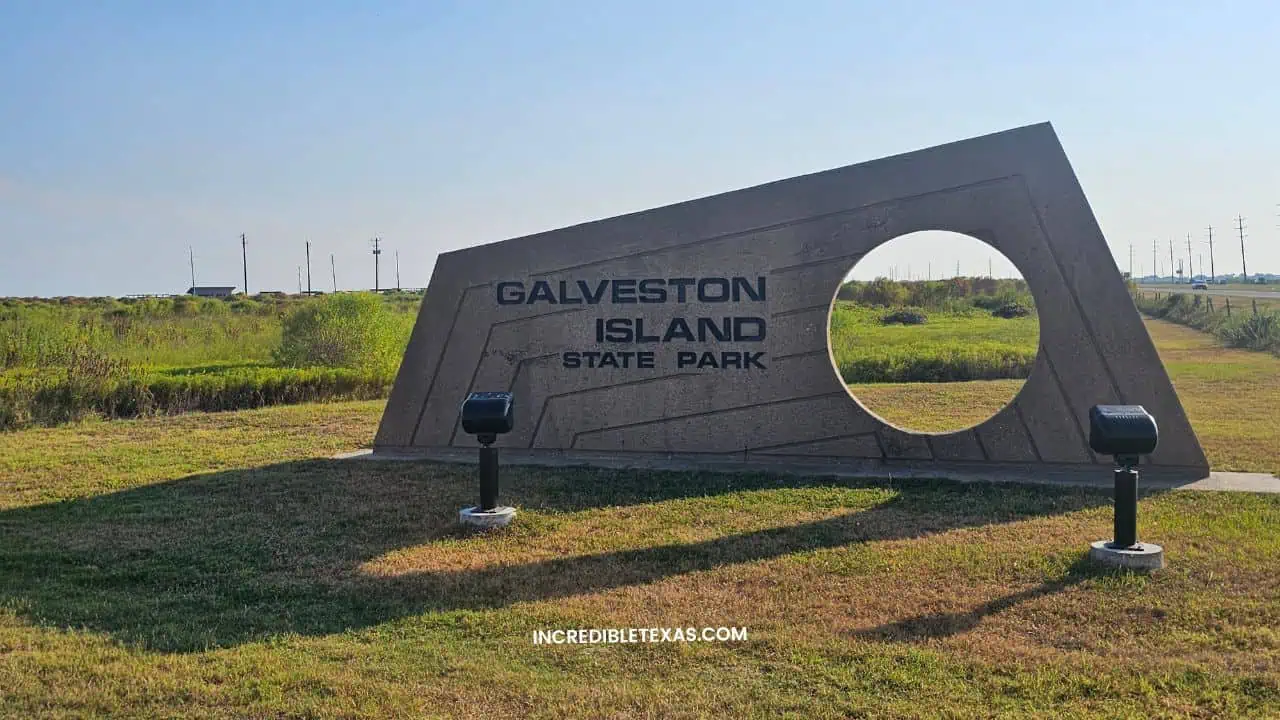
Spanning 2,000 acres across the barrier island between the Gulf of Mexico and West Galveston Bay, Galveston Island State Park preserves coastal prairies, coastal dunes, and vital saltwater estuaries. Located on the island's quieter West End along FM 3005, this coastal park provides a natural barrier island environment far removed from commercial seawall crowds.
Often referred to locally as Galveston State Park, this protected sanctuary represents an accessible coastal getaway on the Upper Texas Coast. As a celebrated Galveston TX state park, the refuge protects diverse wildlife habitats while offering modern camping facilities and designated paddling trails.
Key takeaways
- Galveston Island State Park charges a daily entrance fee of $5 for adults aged 13 and older, while children 12 and under enter free.
- The park features 2,000 protected acres with both beachside Gulf camping and tranquil bayside camping loops starting at $15 to $35 per night.
- A major $10.6 million redevelopment completely modernized the beachside area, adding 95 upgraded campsites, new shade shelters, and rinse-off stations.
- Three designated coastal paddling trails span over 10 miles of protected bayside marshland for kayakers and paddleboarders.
- Visitors do not need a Texas fishing license to fish from the park shoreline or piers under the Texas State Parks Free Fishing program.
What to Expect at Galveston Island State Park
Galveston Island State Park is a 2,000-acre coastal preserve on Galveston Island's West End, offering Gulf beach access, calm bay wetlands, 95 modern campsites, and over 10 miles of designated paddling trails. It delivers a quiet coastal experience distinct from the developed Seawall corridor.
Known officially as Galveston Island State Park Texas, this scenic destination preserves coastal ecology while welcoming day-trippers and overnight campers alike. Travelers searching for an authentic West End Galveston state park setting discover undisturbed marshes, observation decks, and expansive Gulf beaches.
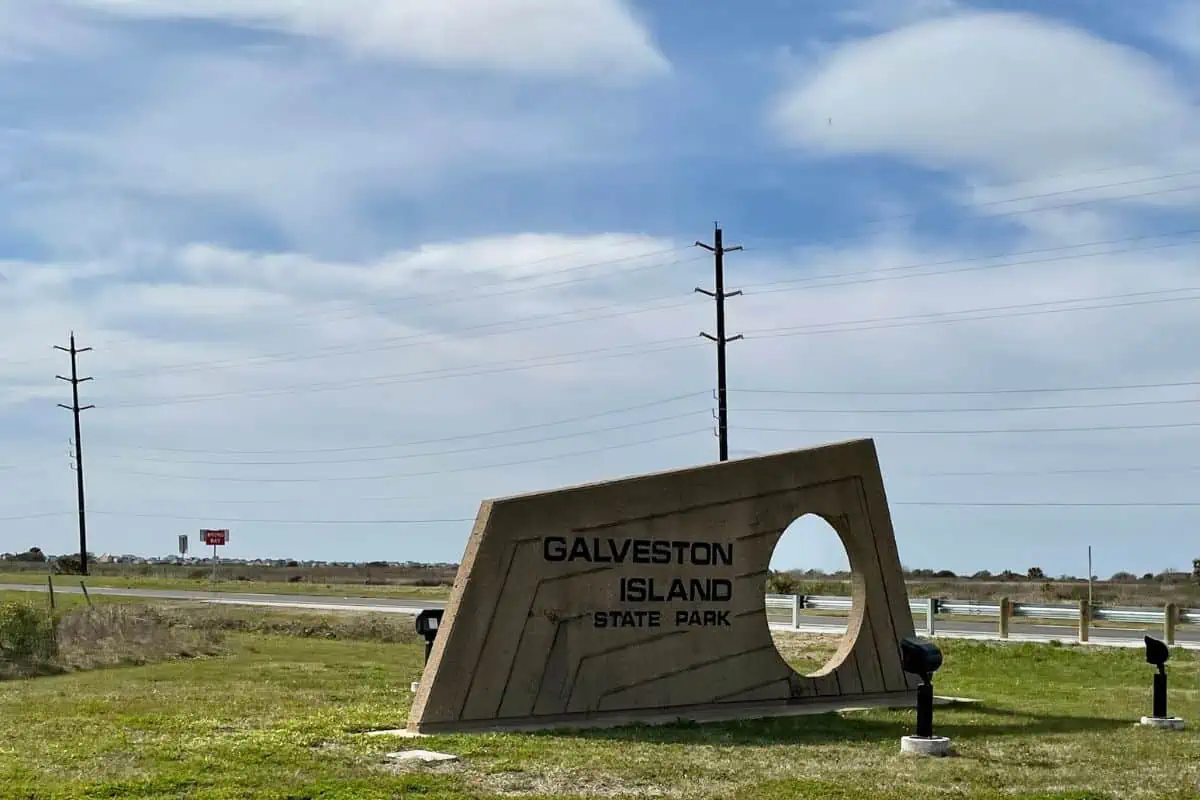
FM 3005 bisects the park into two distinct geographic zones: the Gulf beachside to the south and the Galveston Bay wetland complex to the north. Traveling between the beach and bay areas requires driving or crossing along this two-lane state highway.
Travelers planning a broader coastal weekend itinerary can explore our guide to things to do in Galveston this weekend. Combining historic downtown architecture with quiet coastal trails creates a balanced island getaway.
A $10.6 million Deepwater Horizon NRDA restoration project completely rebuilt the 2,000-acre park's beachside infrastructure, adding 95 upgraded campsites, 20 shade shelters, and five miles of interconnected trails and boardwalks. This extensive project replaced aging facilities damaged by Hurricane Ike with hardened, storm-resilient restrooms, elevated dune boardwalks, and expanded day-use pavilions.
Gulf Beachside Environment
The Gulf beachside portion of the park features undeveloped sandy shoreline, natural maritime dunes, and rolling surf. Unlike urban city beaches bordered by concrete retaining walls, coastal dunes here remain protected by native sea oats and bitter panicum grass.
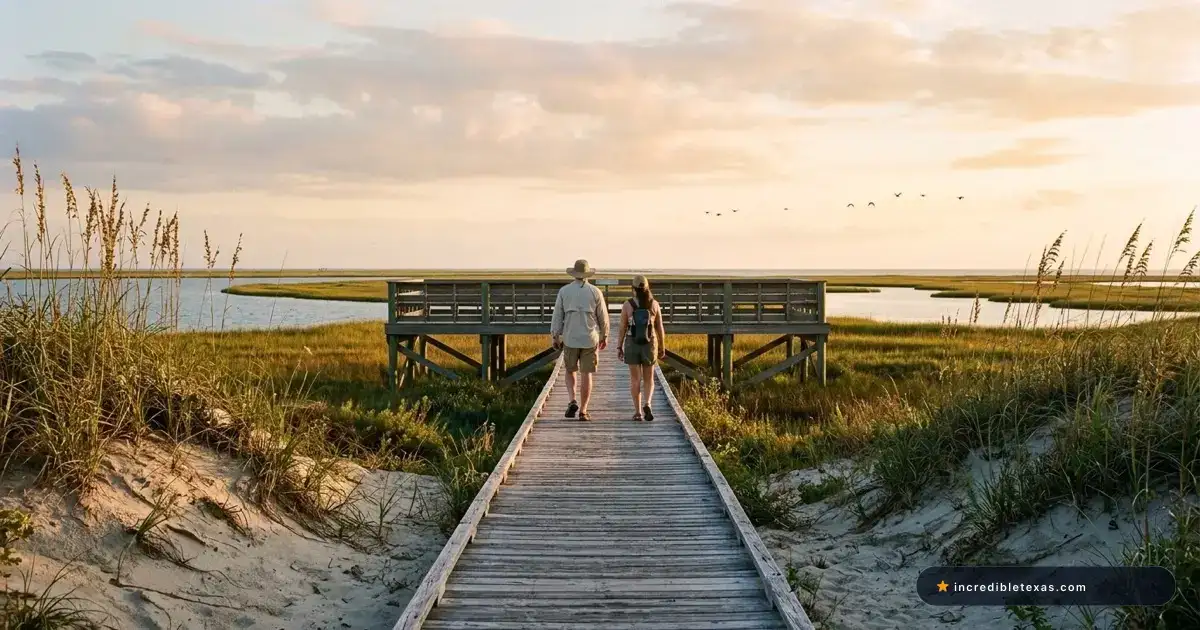
Visitors access the beach via elevated wooden boardwalks that protect the fragile dune system from pedestrian erosion. Beachside visitors enjoy open swimming, surf fishing, shelling, and sunrise photography with wide-open Gulf horizon views.
Bayside Saltwater Estuaries
The northern bayside section preserves coastal prairies, freshwater ponds, and saltwater marsh sloughs bordering West Galveston Bay. This tranquil wetland ecosystem serves as a fertile nursery for blue crabs, white shrimp, red drum, and southern flounder.
Shallow lagoons provide ideal conditions for human-powered watercraft, bird photography, and shoreline nature walks. Calm water and abundant marine vegetation make this side of the park a vital habitat for coastal wildlife.
Day-Use Entrance Fees and Operating Hours
The standard Galveston Island State Park entrance fee is $5 per person for adults aged 13 and older, while children 12 and under enter free. The park gates remain open daily from 7:00 AM to 10:00 PM year-round, with self-pay kiosks available during unattended hours.
Standard Galveston Island State Park hours run from 7:00 AM to 10:00 PM daily for day-use visitors. Booking vehicle day passes online in advance guarantees entry when parking lots fill during busy spring and summer weekends.
Day-use admission grants full access to both the beachside and bayside loops, including picnic pavilions, outdoor rinse showers, hiking trails, and paddling launches. Frequent state park visitors should note that entry is included at no additional cost for Texas State Parks Pass holders and their accompanying vehicle passengers.
Day travelers can check real-time gate advisories and purchase required vehicle day passes through the Texas Parks and Wildlife Galveston Island Park Portal. Visitors comparing island shoreline setups often review our guide to the Galveston Seawall for urban promenade walking and beachfront dining options.
Day-Use Admission and Annual Passes
The $5 daily adult entrance fee makes this coastal park one of the most affordable beach outings in Southeast Texas. For a family of four with two adults and two children under 13, total daytime admission costs just $10.
This $10 day pass saves a family over $35 compared to commercial beach parks and metered city parking strips along Seawall Boulevard. Frequent campers can purchase an annual Texas State Parks Pass for $70, which provides unlimited free entry to more than 80 state parks across Texas for one full year.
Operating Hours and Arrival Planning
The park gate is open daily from 7:00 AM to 10:00 PM, and quiet hours run from 10:00 PM to 6:00 AM. The primary park headquarters and customer service desk operate daily from 8:00 AM to 5:00 PM on the beachside.
Day-use visitors arriving before 8:00 AM or after 5:00 PM must stop at the self-pay station located near the park entrance gatehouse. Visitors should carry exact cash or have their pre-booked confirmation number ready to deposit in the self-pay registration envelope.
Camping Choices: Beachside and Bayside Campsites
Overnight camping options accommodate RV travelers and tent campers across 95 modernized campsites ranging from $15 to $35 nightly. For detailed hookup specs, pad lengths, and loop selection advice, consult our dedicated Galveston Island State Park campgrounds guide. Cabins and screened shelters are not available at this park.
Choosing between Galveston Island State Park beachside camping and Galveston Island State Park bayside camping comes down to individual travel style. Beachside camping puts visitors steps from Gulf waves and morning surf, while bayside camping offers sheltered water views, bird blinds, and direct kayak launches.
Travelers organizing Galveston Island State Park camping trips should remember that nightly camping fees are charged in addition to the daily entrance fee for each adult camper unless covered by an annual state parks pass. Camping loops provide clean, modern restrooms with hot private showers, dish-washing stations, and nearby RV dump stations.
Official site details and utility specifications are listed on the Texas Parks and Wildlife Galveston Island Fees and Facilities Schedule. Campers who enjoy beach access combined with evening tailgating and permitted beach bonfires can compare facilities with East Beach on the opposite end of the island.
| Campsite Option | Park Section | Utility Hookups | Nightly Rate | Best For |
|---|---|---|---|---|
| Beachside Premium Campsites | Beachside Loop | 50-Amp Electric & Water | $35 | Large RVs, Travel Trailers, Beach Lovers |
| Beachside Tent-Only Sites | Beachside Dunes | 20-Amp Electric & Water | $20 | Tent Campers Seeking Electric Hookups |
| Beachside Hike-In Sites | Beachside Primitive | None (Water in Area) | $15 | Backpackers, Minimalist Tent Campers |
| Bayside Electric & Water Sites | Bayside Loop | 30-Amp Electric & Water | $20 | Small RVs, Pop-Ups, Kayak Anglers |
| Bayside Water-Only Sites | Bayside Meadow | Water Spigot at Site | $15 | Traditional Tent Campers, Stargazers |
Beachside Campsites and Amenities
The redeveloped beachside camping loops feature concrete parking pads, personal shade ramadas, picnic tables, and charcoal grills. Every premium site provides 50-amp, 30-amp, and 20-amp electrical connections alongside municipal freshwater spigots.
Boardwalk trails lead directly from the camping loops through the dunes to the Gulf surf within a short two-minute stroll. Campers should prepare for persistent coastal winds and bring heavy-duty tie-down straps for awnings and tents.
Bayside Campsites and Utility Hookups
Bayside campsites offer a quieter setting positioned among coastal prairies and saltwater lagoons. Sites provide 30-amp electrical service and water hookups, making them popular with small travel trailers, van campers, and tent pitchings.
The bayside area features direct access to the canoe and kayak launch basin, nature observation platforms, and lighted fish cleaning tables. Evenings on the bayside treat campers to colorful sunsets over West Bay and excellent nocturnal stargazing.
Hiking Trails and Bayside Paddling Routes
Exploring Galveston Island State Park trails reveals four distinct ecological zones across five miles of hiking paths, complemented by three official paddling routes spanning over 10 miles. Bayside launches offer calm water for canoes and kayaks.
The Galveston Island State Park kayak launch on the bayside gives paddlers direct entry into the canoe basin. Shallow channels guide paddlers through secluded coves, oyster reefs, and winding marsh sloughs.
Trails range from packed crushed-granite pathways to elevated wooden boardwalks built across coastal wetlands. The low elevation and flat topography make these trails accessible for visitors of varying hiking stamina and families pushing sturdy all-terrain strollers.
Because the park does not operate an on-site boat rental concession, paddlers needing gear can arrange local delivery through Galveston kayak rentals before arriving at the boat launch. Official navigational maps are published through the Texas Parks and Wildlife Galveston Island Paddling Trail Network.
Hiking Trails and Elevated Boardwalks
The five-mile trail system winds through four distinct habitats: beach dunes, coastal prairie, freshwater wetlands, and saltwater marshes. Highlights include the Clapper Rail Trail, Prairie Trail, and Duck Lake Boardwalk.
Elevated wooden observation platforms along the marsh edge provide panoramic views across the bayou system without disturbing resting wildlife. Informational trail markers explain how coastal prairies filter watershed runoff and protect mainland communities from storm surge.
Designated Bayside Paddling Trails
Texas Parks and Wildlife maintains three official Galveston Island State Park paddling trails: the 2.6-mile Dana Cove Trail, the 2.8-mile Jenkins Bayou Trail, and the 4.8-mile Oak Bayou Trail. These designated water routes meander through sheltered bayous, seagrass flats, and restored marsh islands.
Water depths along the paddling trails generally vary from two to four feet, shielding paddlers from large motorboat wakes. Paddlers should check wind speeds and tidal flow charts before heading onto the water, as strong south winds can create challenging chop across open bay pockets.
Shoreline Fishing and Coastal Wildlife Viewing
Shoreline fishing from Gulf beaches and bayside marsh banks requires no state license under the Texas State Parks Free Fishing program. Over 300 resident and migratory bird species gather in the park wetlands along the Central Flyway.
This state statutory exemption saves visiting anglers the cost of a temporary Texas saltwater fishing license. Anglers must still observe all state legal regulations regarding bag limits, species slot sizes, and restricted seasons.
Surf casters can pick up live shrimp, popping corks, and heavy pyramid sinkers at established Galveston bait shops along 61st Street on their drive south. A lit fish cleaning station with running freshwater stands ready at the bayside boat basin for filleting the day's catch.
Free Shoreline and Pier Fishing
Surf anglers casting into the Gulf waves commonly land speckled sea trout, red drum, black drum, gulf whiting, and seasonal pompano. The best surf action occurs during incoming morning tides around beach sandbars and troughs.
On the bayside, kayak anglers and wade fishermen target redfish prowling the marsh grass edges and flounder hiding near muddy channel drop-offs. Anglers casting soft plastics or live mud minnows along tidal cuts consistently find active feeding predators.
Birdwatching and Coastal Prairie Wildlife
Situated directly along the Mississippi and Central Flyways, this wildlife refuge is a renowned birding hotspot on the Texas coast. Over 300 documented bird species visit or nest within the park's boundaries throughout the calendar year.
Spring and fall migrations bring colorful neotropical songbirds, while winter brings thousands of waterfowl including mottled ducks, blue-winged teal, and northern pintails. Year-round sightings include reddish egrets performing canopy hunting dances, roseate spoonbills sifting mudflats, and brown pelicans gliding over the surf.
Critical Park Rules and Visitor Guidelines
State park rules enforce strict coastal conservation measures, including mandatory six-foot leashes for pets, a ban on glass containers on the beach, and prohibition of public alcohol consumption. Vehicles must remain on paved roads and designated parking pads.
Rangers patrol the park regularly to protect both wildlife and visitors. Following leave-no-trace outdoor ethics ensures that barrier island ecosystems remain healthy and resilient for future generations of coastal travelers.
Travelers exploring regional coastal rules can compare policies with other dog-friendly beaches in Galveston before planning extended pet excursions. Day passes and campsite permits must be secured through the Texas State Parks Official Reservation System.
Pet Policies and Beach Safety
Dogs are permitted on all outdoor hiking trails, campground loops, and the entire Gulf beach area, provided they remain on a leash no longer than six feet at all times. Pets are prohibited inside state park buildings, restrooms, and customer service facilities.
Pet owners must collect and properly dispose of pet waste to protect delicate ground-nesting coastal birds. Swimming safety requires vigilance, as the Gulf beach does not staff active lifeguards; swimmers must obey posted colored surf warning flags and remain alert for rip currents.
Beach Gear and Wind Preparation
Coastal exposure means that shade trees are virtually absent along the barrier island dunes and shoreline. Day visitors should bring pop-up canopies, wide-brimmed sun hats, high-SPF sunscreen, and sunglasses to prevent sunburn.
Standard wire tent stakes will pull out of loose beach sand in minutes under typical Gulf breezes; travelers should pack specialized spiral screw sand anchors. Insect repellent is essential during calm summer evenings, especially when exploring bayside marsh trails where mosquitoes and biting midges emerge at dusk.
Frequently Asked Questions
Do you need advance reservations to visit?
Advance Galveston Island State Park reservations are strongly advised for both day-use entry and overnight camping through the Texas State Parks reservation system. The park frequently hits vehicle capacity on spring and summer weekends, which closes entry to drive-up visitors without booked passes.
How much does park admission cost?
Daily entrance is $5 per person for visitors aged 13 and older, while children 12 and under enter free. Texas State Parks Pass holders receive unlimited free entry for themselves and all vehicle passengers.
Does the park offer cabins or screened shelters?
The park does not provide rental cabins or screened shelters for overnight guests. The property offers tent and RV campsites with water and electric hookups, while the historic Ranch House lodging remains closed for renovations.
Do you need a fishing license at the park?
Visitors do not need a Texas fishing license or saltwater stamp when fishing from the state park shoreline or designated piers. Normal bag limits, minimum length regulations, and species seasons enforced by Texas Parks and Wildlife still apply.
Are dogs allowed on park trails and beaches?
Leashed dogs are welcome on all hiking trails, day-use beach areas, and campground loops throughout the park. Pets must remain on a leash no longer than six feet at all times and are barred from park buildings and restrooms.