Standing silent beneath the vast desert horizon of the Trans-Pecos, a cluster of sun-bleached adobe ruins marks one of West Texas’ most intriguing vanishings. Today, the lobo texas ghost town captures the imagination of road trippers traveling between Van Horn and Marfa, embodying both the harsh fragility of desert agriculture and the creative power of independent art restoration.
Note
Part of our comprehensive Texas Ghost Towns Road Trip Guide. Explore our full frontier itinerary, boomtown histories, and regional itineraries.
Key takeaways
- Lobo sits along US Highway 90 in Culberson County, 14 miles south of Van Horn and 57 miles northwest of Marfa.
- Originally a 19th-century railroad water stop, the settlement boomed as an irrigated cotton farming community before the aquifer collapsed in 1991.
- In 2001, German artists bought the 10-acre townsite to host desert film festivals, musical performances, and private creative retreats.
- The property remains private, but travelers can safely photograph the mid-century motel, vintage gas pumps, and adobe ruins from Highway 90.
Plan your visit
Verified
- Location
- US Highway 90, Culberson County, TX 79855
- Hours
- Public highway shoulder: Daylight hours only
- Admission
- Free roadside viewing; private property restricted
- Best time to go
- October through April; late afternoon sunset light
From Railroad Water Stop to Desert Ghost Town: The History of Lobo
Established in the late nineteenth century as a Southern Pacific Railroad water stop named after Mexican gray wolves, Lobo grew into an irrigated farming hamlet before deep aquifer depletion forced complete abandonment by 1991.
Investigating lobo texas history reveals that the town began in the 1880s when steam locomotives required frequent water refills across the arid Van Horn basin. Historical records from the Texas State Historical Association Handbook of Texas: Lobo document that the settlement quickly established a depot, livestock corrals, and a general store to serve remote desert ranches.
By the early 1900s, local entrepreneurs realized that deep underground aquifers held untapped water reserves. What started as an isolated lobo texas railroad stop transformed into a tight-knit frontier agricultural community with a school, post office, and church.
Why the Cotton Boom Vanished: Aquifer Depletion in Culberson County
During the mid-twentieth century, deep water wells allowed farmers to harvest high-yield cotton across the arid basin, but plummeting water tables and soaring electric pumping costs rendered agriculture completely unsustainable by the late 1980s.
Post-war diesel and electric irrigation pumps initially produced agricultural miracles across the desert flats. Fields of long-staple cotton flourished in the intense desert sunshine, supporting dozens of seasonal workers, a cotton gin, a roadside motel, and an active Texaco service station.
By the late 1970s, unchecked pumping extracted groundwater far faster than scarce mountain rains could replenish the aquifer. Water levels plummeted hundreds of feet, making commercial irrigation financially ruinous as power bills soared.
Farms shuttered one by one across the basin. In 1991, the post office closed permanently, and the final resident moved away, placing Lobo among the starkest culberson county texas ghost towns.
The German Artist Revival: How Lobo Became an Underground Cultural Sanctuary
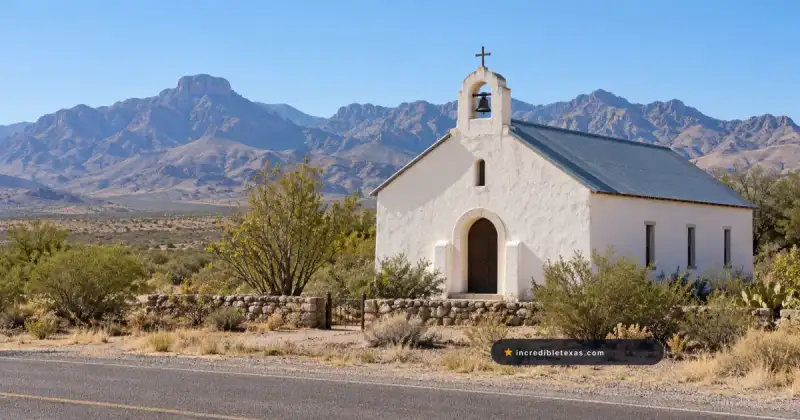
In 2001, Frankfurt artist Alexander Bardorff and friends purchased the 10-acre townsite for twenty thousand dollars, restoring adobe buildings to host creative residencies, art installations, and the Desert Dust Cinema film festival.
Seeking a remote retreat free from European urban congestion, the three friends rehabilitated original adobe walls, cleared desert brush, and installed alternative solar power. Under the vision of alexander bardorff lobo texas became an off-grid sanctuary where international artists could compose music, paint, and screen independent films against adobe walls.
The creative collective established the periodic desert dust cinema lobo festival, projecting experimental cinema for intimate audiences under the crystal-clear night skies of the Trans-Pecos. This quiet evolution transformed an abandoned highway ghost town into a recognized lobo texas art retreat.
In recent years, the aging owners listed the property for sale at $100,000, deliberately seeking a buyer dedicated to preserving its artistic soul rather than commercial developers. The widely reported lobo texas for sale campaign attracted global headlines, solidifying its legendary status along the art trail highlighted in our Marfa weekend itinerary.
What Travelers See Today Along US Highway 90
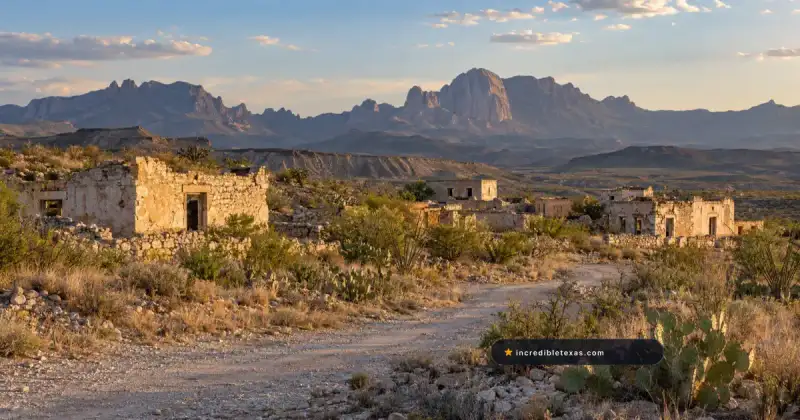
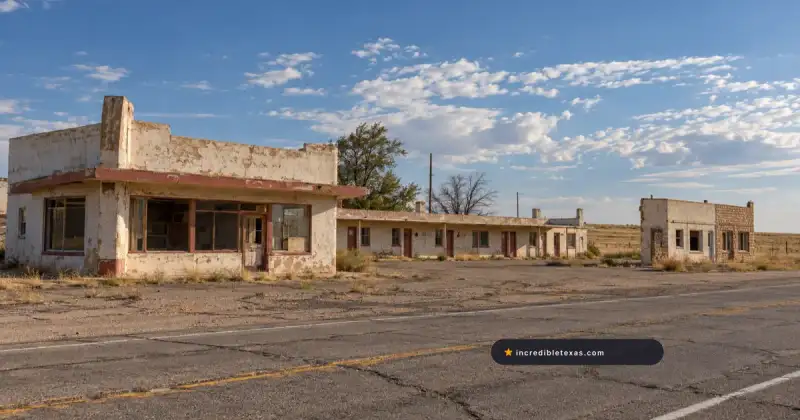
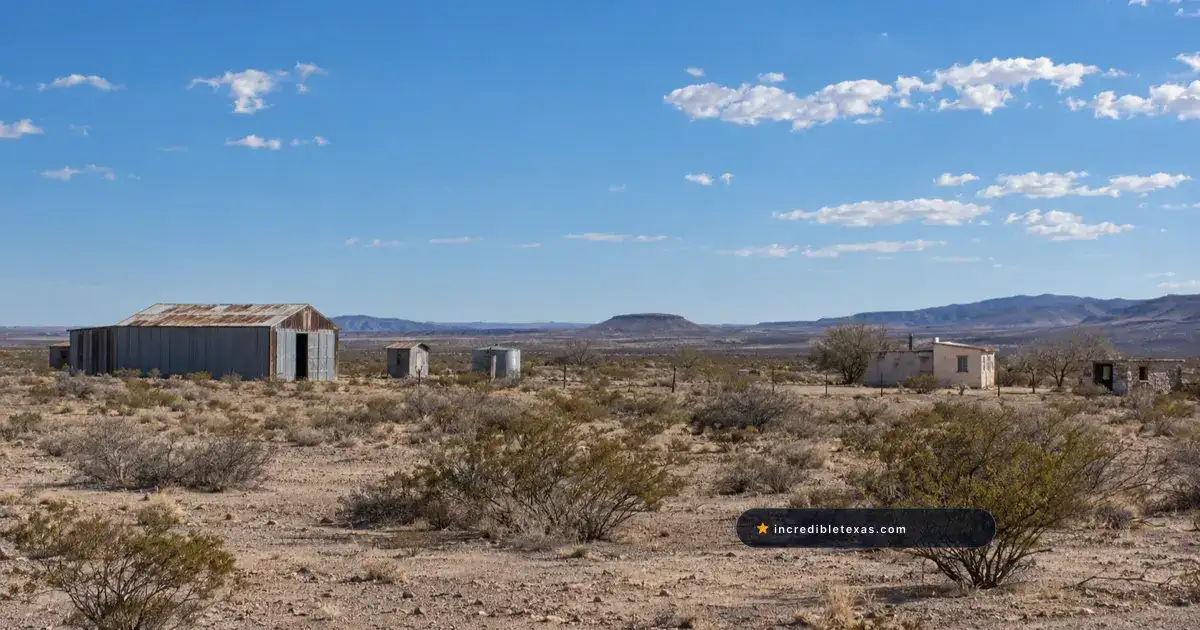
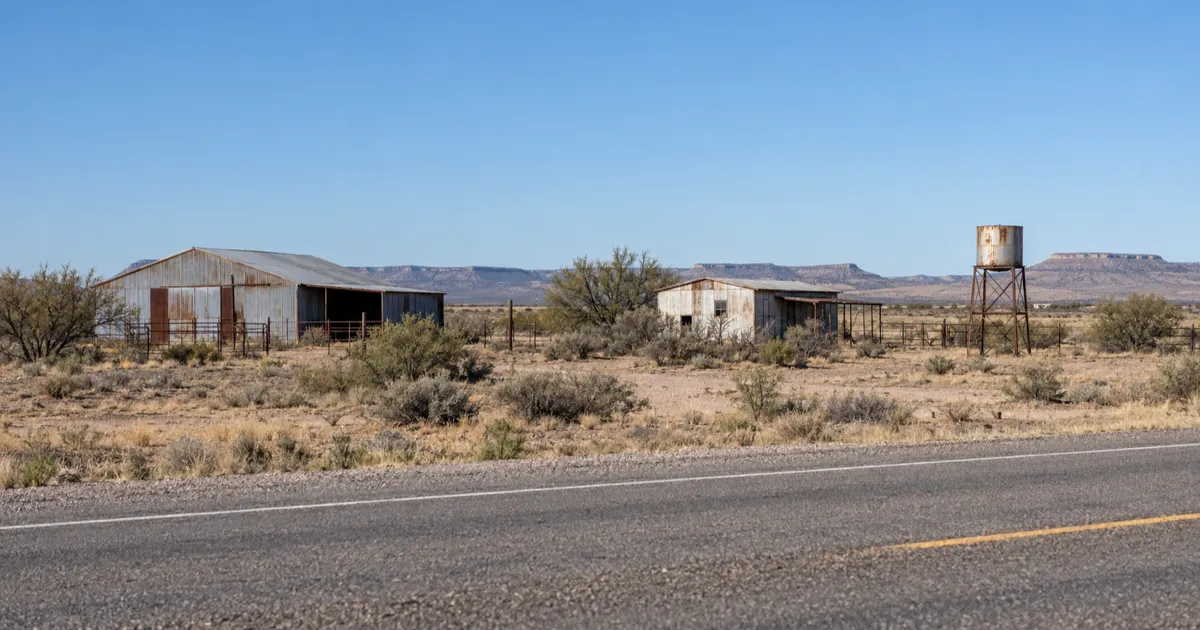
Visible directly from US Highway 90 between Van Horn and Valentine, Lobo features an abandoned mid-century motel, vintage gasoline pump island, weathered general store, dry swimming pool, and weathered wooden outbuildings set against distant mountain peaks.
Driving down this quiet stretch of us highway 90 west texas ghost town territory brings travelers past a striking collection of roadside ruins. The rusted metal frames of mid-century Texaco gas pumps stand silently on concrete islands, framed by empty window frames and peeling stucco facades.
Photographers frequently pull over to capture the juxtaposition of human abandonment against the timeless majesty of the Sierra Vieja and Van Horn mountains. The weathered textures of these lobo ghost town ruins provide an authentic visual contrast to the mining ruins found at the Terlingua Ghost Town visitor guide.
| Historic Structure | Original Function | Structural Material | Current Visual State |
|---|---|---|---|
| Roadside Gas Station | 1950s Texaco service station | Stucco and cinder block | Vintage pump islands and rusted signs |
| Lobo Desert Motel | Motor court for highway travelers | Adobe and painted stucco | Weathered rooms with mountain backdrops |
| General Store & Post Office | Town hub and mail distribution | Native adobe and wood frame | Sealed historic facade and tin roof |
| Old Cotton Gin Complex | Agricultural processing plant | Corrugated tin and timber | Industrial framework visible in pasture |
| Empty Swimming Pool | Motel recreation feature | Poured concrete basin | Desert art canvas and dry basin |
Visitation Etiquette: Roadside Photography and Private Property Rules
Lobo is privately owned property that remains closed to casual walk-in tourism without prior permission, though travelers are welcome to safely pull onto the wide highway shoulder for exterior photography and historic reflection.
Travelers must respect all posted private property signage and boundary fences. Walking through abandoned interiors or climbing onto unstable roofs is strictly prohibited due to structural hazards, exposed nails, and resident desert wildlife like rattlesnakes.
The wide unpaved shoulder along the eastern side of US Highway 90 provides ample room for passenger cars and RVs to pull completely clear of traffic. Bring a telephoto lens to capture intimate details of the architecture while keeping a respectful distance from private buildings.
Late afternoon delivers the most flattering natural light, when the warm golden hour illuminates the whitewashed adobe and casts long shadows across the desert floor.
Planning Your Trans-Pecos Road Trip: Marfa, Van Horn, and Beyond
Situated 14 miles south of Van Horn and 57 miles northwest of Marfa, Lobo forms an atmospheric roadside detour on Highway 90 that pairs effortlessly with visits to Prada Marfa, Davis Mountains State Park, and Balmorhea.
Travelers heading south from Interstate 10 at Van Horn can stop for roadside photography at Lobo before continuing twenty miles south to admire the famous Prada Marfa land art installation near Valentine.
Outdoor adventurers can complete a loop through the region by booking campsites and hiking ridge trails at Davis Mountains State Park guide, operated under the authority of Texas Parks and Wildlife Department Davis Mountains State Park.
During hot summer months, travelers can cool off in the world’s largest spring-fed swimming pool by reviewing reservation guidelines via Texas Parks and Wildlife Department Balmorhea State Park. Combining isolated desert ruins with state park oases highlights the wild geographic diversity of Far West Texas.
Frequently Asked Questions About Lobo Texas
Can you walk around inside the ghost town of Lobo?
No, Lobo is private property and casual trespassing inside the abandoned buildings or fenced areas is strictly prohibited. Travelers can safely view and photograph the historic motel, gas station, and ruins from the public right-of-way along US Highway 90.
Was Lobo Texas really sold for one hundred thousand dollars?
The German owner collective publicly listed the entire 10-acre ghost town with an asking price of $100,000 to find a creative steward. The listing required prospective buyers to present artistic and preservation concepts rather than commercial redevelopment plans.
Where is Lobo located in relation to Marfa and Van Horn?
Lobo is located in Culberson County along US Highway 90, approximately 14 miles south of Van Horn and 57 miles northwest of Marfa. The site lies roughly 20 miles northwest of the famous Prada Marfa land art installation near Valentine.
Why did Lobo become a ghost town in 1991?
Lobo was abandoned when the local agricultural aquifer was pumped dry by commercial irrigation wells, causing farming operations to collapse. The local post office closed in 1991 after the final permanent resident moved away.