Examining weird Texas laws reveals a colorful boundary between authentic frontier legal battles and viral internet folklore. Studying authentic Texas urban legends helps separate verifiable historical statutes from humorous social media rumors.
Digging into real Texas penal code quirky historical laws uncovers genuine armed range wars, architectural rivalries, and cultural traditions explored in our guide to the heritage of Texas traditions and culture.
Key takeaways
- The famous claim that shooting buffalo from a second-story hotel window is illegal is a widespread urban legend with zero basis in the Texas Penal Code.
- Carrying wire cutters in your pocket was an authentic state felony enacted during the violent 1883-1884 Fence Cutting Wars.
- The Texas State Capitol dome in Austin rises 308 feet, deliberately constructed 14 feet taller than the U.S. Capitol dome in Washington, D.C.
- The iconic slogan “Don’t Mess with Texas” was created by TxDOT in 1985 as an anti-litter campaign that reduced highway trash by 72 percent.
- House Concurrent Resolution No. 18 of the 1977 Texas Legislature formally established chili con carne as the state dish, excluding beans from authentic recipes.
Myth-Busting Internet Lore: The Second-Story Hotel Buffalo Shooting Myth
Shooting a buffalo from a second-story hotel room is not, and never has been, an active statute in the Texas Penal Code. While 19th-century railroad towns passed local firearm ordinances to protect guests from gunfire, modern viral claims are completely fictional internet lore.
Internet lists documenting crazy Texas laws routinely highlight this alleged restriction alongside claims that walking barefoot requires a municipal permit. Searches regarding whether is it illegal to shoot buffalo from hotel in Texas stem from humorous compendiums published in the late twentieth century that blended frontier anecdotes with imaginary legislation.
Legal historians from the State Law Library confirm that early frontier statutes regulated game animals through seasonal hunting rules, but never singled out multistory hospitality lodgings. The persistence of the myth speaks to the enduring romanticism of wild west stereotypes.
| Alleged Law or Legend | Claimed Restriction | Legal Reality & Historical Fact | Origin Context |
|---|---|---|---|
| Shooting Buffalo from Hotels | Illegal to shoot from 2nd floor | Pure Myth (No state statute exists) | 19th-century railroad lore & local firearm bans |
| Carrying Wire Cutters | Illegal to carry in back pocket | Historical Fact (1884 Felony Statute) | 1883-1884 Fence Cutting Wars against open ranges |
| 308-Foot Capitol Dome | Designed taller than US Capitol | Historical Fact (14 feet taller) | Designed in 1882 to project Lone Star sovereignty |
| Don’t Mess with Texas | Cowboy warning to outsiders | State Anti-Litter Slogan (72% trash drop) | 1985 TxDOT highway beautification campaign |
| Chili Bean Prohibition | Illegal to put beans in Texas chili | Official Resolution Standard (HCR 18) | 1977 Texas Legislature state dish designation |
| Partition into 5 States | Texas can legally split itself | Historical Fact (1845 Treaty Clause) | 1845 Joint Resolution for Annexing Texas |
Why This Bizarre Statute Appears on Every Dumb Laws List
This particular myth circulates because it combines the novelty of massive American bison with the architecture of early frontier hotels. Viral articles about dumb Texas laws frequently repeat the tale without verifying historical legislative journals.
In the 1870s, transcontinental rail passengers traveling through Kansas and the Texas Panhandle did shoot bison directly from moving train coaches, prompting rail company safety bans. Over decades of campfire retelling, oral histories of passengers shooting bison from observation decks merged with stories of boisterous cowtown hotel balconies.
Humor writers eventually codified the tale into a fictional municipal ordinance, where it became a permanent fixture of internet trivia pages. In reality, modern Texas statutes focus strictly on public endangerment, reckless discharge of firearms, and municipal health codes.
Real 19th-Century Wildlife Restrictions in the Lone Star State
Actual wildlife legislation in nineteenth-century Texas focused on conserving game species decimated by commercial market hunting. Following the near-extinction of southern bison herds in the late 1870s, pioneering ranchers like Charles Goodnight established private conservation preserves in Palo Duro Canyon to rescue surviving breeding pairs.
The state legislature created the first fish and oyster protection commissions in 1879, gradually expanding jurisdiction to protect migratory fowl, deer, and river otters. These regulatory efforts laid the groundwork for the modern Texas Parks and Wildlife Department.
Today, wild bison herds roam protected rangelands at Caprock Canyons State Park and San Angelo State Park under strict state protection. Modern wildlife codes impose heavy criminal restitution fines for unauthorized poaching of native game animals.
The Wire Cutters Felony: Barbed Wire, Land Wars, and Texas Penal Code History
Carrying wire cutters with the intent to sever ranch fences was classified as a state prison felony by the Texas Legislature in 1884. During the violent Fence Cutting Wars, armed clashes over open-range access and water rights led lawmakers to impose one to five years in prison for fence sabotage.
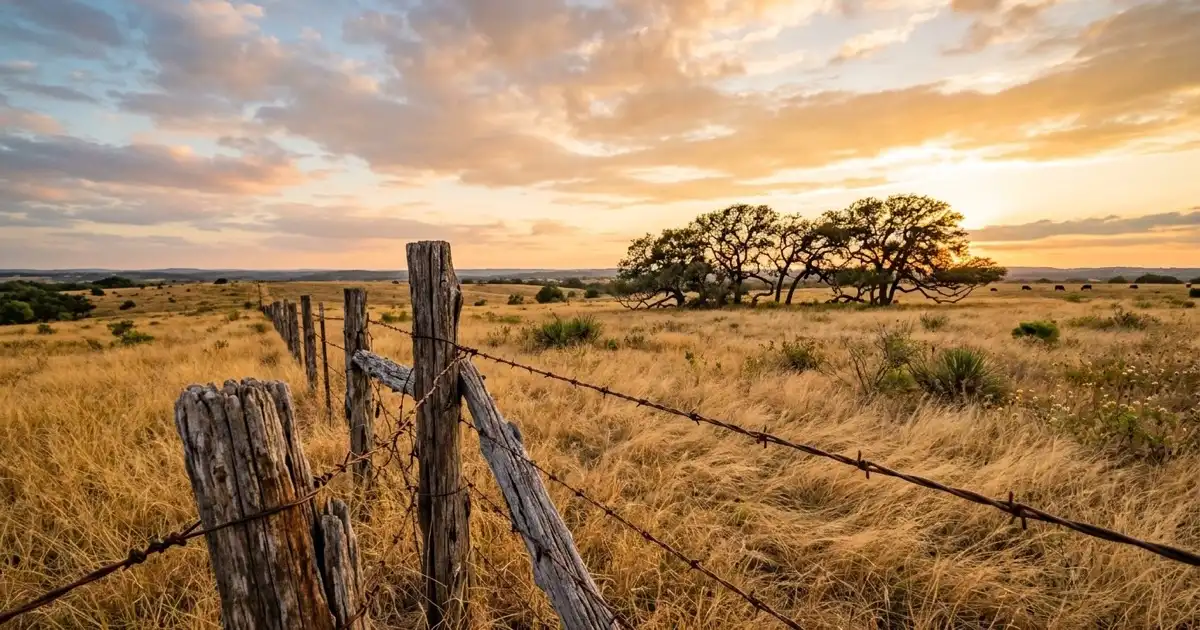
Exploring strange facts about Texas history reveals that the introduction of barbed wire in the late 1870s dismantled centuries of open-range grazing. When large cattle syndicates strung thousands of miles of wire across rivers and public school lands, small ranchers and landless cowboys found their herds cut off from vital water sources.
Vigilante groups like the Land League, the Blue Devils, and the Owls organized midnight raids across dozens of counties, severing miles of wire with heavy industrial nippers. The economic destruction threatened to ignite open warfare across the state.
The 1883-1884 Fence Cutting Wars Across Central and West Texas
By the winter of 1883, property damage from fence cutting exceeded $20 million in contemporary agricultural value. As detailed by the Texas State Historical Association Fence Cutting Wars Records, Texas Governor John Ireland called an extraordinary special session of the legislature in January 1884 to address the crisis.
Lawmakers debated round-the-clock while Texas Rangers patrolled tense rangelands in Coleman, Brown, and Clay counties. The resulting emergency compromise penalized both sides of the conflict.
The legislature made cutting another person’s fence a felony punishable by one to five years in the state penitentiary. Simultaneously, lawmakers made it a misdemeanor for landowners to enclose public roads or fence off lands they did not legally own or lease.
How Pocket Wire Cutters Became Evidence of a Felony
The historical urban legend regarding carrying wire cutters in Texas law originates directly from this 1884 legislative package. Law enforcement officers and Texas Rangers detained nocturnal travelers carrying fence nippers near clipped pastures, using the tools as prima facie physical evidence of felony fence cutting.
While simply owning nippers was not an automatic crime, possessing them near boundary disputes created immediate legal peril. Today, the Texas Penal Code treats fence destruction as criminal mischief, with penalties scaled to the monetary cost of property damage and lost livestock.
Modern travelers can cross these historic ranching territories without fear of hardware inspections. The legacy of the conflict endures in the distinct patchwork of fenced private holdings that defines rural Texas real estate today.
Architectural Rivalry: Why the Texas Capitol Dome Is Taller Than Washington D.C.
The Texas State Capitol in Austin measures 308 feet from ground level to the top of the Goddess of Liberty, deliberately surpassing the 288-foot U.S. Capitol dome in Washington, D.C. Architects designed the Sunset Red granite structure to assert independent state pride following decades as a sovereign republic.
Examining the famous Texas state capitol height vs us capitol comparison reveals that architect Elijah E. Myers originally drafted a smaller dome design. However, state commissioners and political leaders insisted on modifications to ensure the building stood taller than any government edifice in the national capital.
Construction required over three million square feet of pink granite quarried from Granite Mountain near Marble Falls, transported by a custom-built narrow-gauge railroad. Visitors touring the historic Texas State Capitol in Austin can verify official architectural dimensions on the State Preservation Board Capitol Architecture Guide.
The Goddess of Liberty statue perched atop the dome holds an eight-foot sword and a gilded lone star, standing sixteen feet tall on her own pedestal. This deliberate architectural triumph remains an enduring physical expression of the Lone Star motto that everything is bigger in Texas.
The Anti-Litter Anthem: How Don't Mess With Texas Slashed Trash by 72 Percent
The famous phrase “Don’t Mess with Texas” was developed in 1985 by the Texas Department of Transportation as a public service campaign to reduce roadside litter. Powered by television commercials featuring Stevie Ray Vaughan and Willie Nelson, the campaign slashed state highway trash by 72 percent between 1986 and 1990.
Many outsiders assume the dont mess with texas slogan origin was a frontier combat challenge or a defiant military warning. In reality, TxDOT marketing executive Mike Blair and copywriter Tim McClure created the phrase specifically to target young pickup drivers who routinely tossed beer cans and food wrappers out their windows.
The campaign debuted during the 1986 Cotton Bowl broadcast, featuring legendary blues guitarist Stevie Ray Vaughan performing in front of a giant Texas flag. Documented on the official TxDOT Don’t Mess with Texas History Portal, the phrase rapidly transitioned from a highway cleanup slogan into a registered trademark and cultural anthem.
This cultural confidence mirrors the sovereign economic power analyzed in our exploration of what Texas looks like through a sovereign lens. Over four decades, the anti-litter effort has enlisted icons including George Strait, Matthew McConaughey, and the Dallas Cowboys.
Legislative Chili Rules: Why Texas Lawmakers Forbade Beans in 1977
The 65th Texas Legislature officially designated chili con carne as the State Dish of Texas under House Concurrent Resolution No. 18 in 1977. The legislative text praised authentic Texas chili made with chili peppers and beef, codifying competition standards that strictly prohibit beans.
The passionate debate over the Texas chili no beans law reflects deep regional pride in frontier culinary heritage. Archival records on the Texas State Library Official State Symbols Archives highlight legislative statements praising chili as a unique Lone Star culinary invention born along nineteenth-century trail drives and San Antonio plazas.
Chili Appreciation Society International rules for the annual Terlingua International Championship Chili Cookoff explicitly state that beans, macaroni, and commercial fillers result in immediate disqualification. True Texas chili relies exclusively on slow-simmered cubed chuck roast, rendered suet, toasted chili paste, cumin, and Mexican oregano.
While the legislative resolution does not criminalize home cooks who add pinto beans, lifelong Texans treat the distinction as an article of culinary faith. The resolution affirms that traditional chili con carne is an authentic meat stew rather than a bean soup.
Frequently Asked Questions About Weird Texas Laws and Urban Legends
What are the weirdest laws in Texas?
The weirdest verified laws in Texas history include the 1884 felony statute against carrying wire cutters during the Fence Cutting Wars and the 1977 legislative resolution banning beans in official state chili. Many other viral claims, such as shooting buffalo from hotels, are complete fabrications.
Is it illegal to shoot a buffalo from the second story of a hotel in Texas?
There is no statute in the Texas Penal Code making it illegal to shoot a buffalo from a second-story hotel window. The popular claim is an urban legend that originated from 19th-century railroad lore and local municipal discharge ordinances.
Can you carry wire cutters in your pocket in Texas?
Carrying wire cutters is fully legal today, but the Texas Legislature classified possessing fence-cutting tools with intent to cut pasture fences as a felony in 1884. Lawmakers created the harsh penalty during violent range conflicts to protect newly patented barbed-wire boundaries.
Why is the Texas Capitol taller than the US Capitol?
The Texas State Capitol was deliberately engineered to stand 308 feet tall, surpassing the 288-foot national Capitol dome in Washington, D.C. by roughly 14 feet. State leaders and architect Elijah E. Myers designed the Sunset Red granite landmark to reflect independent Lone Star pride.
Is putting beans in Texas chili actually illegal?
Putting beans in chili is not a criminal offense under the penal code, but House Concurrent Resolution No. 18 of the 1977 Texas Legislature officially codified beanless chili as the State Dish. Competition rules established by the Chili Appreciation Society International strictly disqualify any recipe containing beans.
Final Travel Takeaways: Exploring the Quirky Side of Texas History
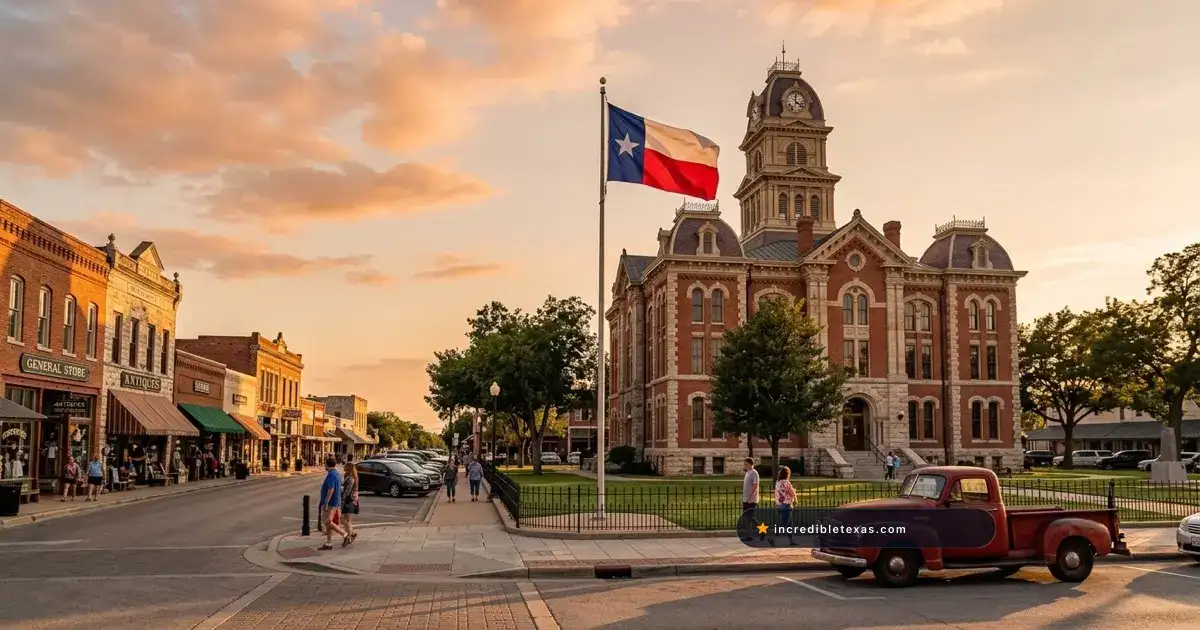
Uncovering the truths behind weird Texas facts and urban folklore enriches any travel itinerary through the Lone Star State. From the red-brick county courthouses that adjudicated range disputes to the marble halls of Austin, understanding real legal origins reveals how everyday laws mirrored frontier realities.
Archival records in the Texas State Library Secession and Annexation Legal Archives show that the Texas can divide into five states law was rooted in genuine 1845 annexation compromises. Learning these authentic historical statutes proves that reality is consistently more intriguing than internet myths.
To experience the historic town squares, frontier forts, and scenic highways where these legends unfolded, explore our curated travel directory of the best places to visit across Texas.