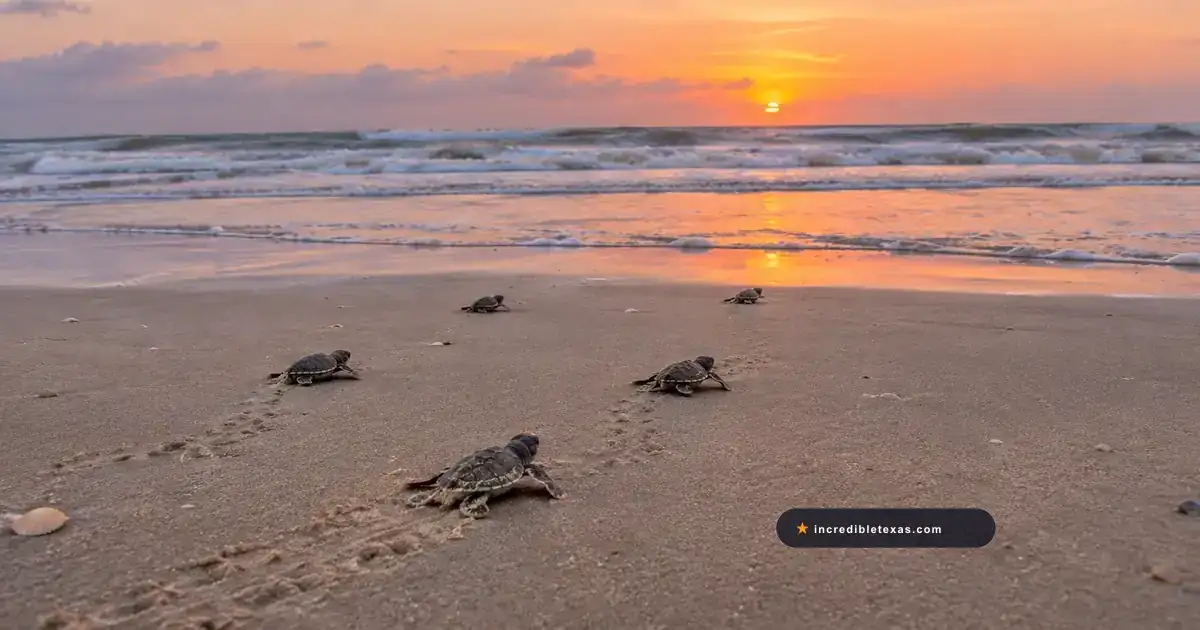
Watching tiny Kemp’s ridley sea turtle hatchlings scramble across the cool dawn sands of Malaquite Beach is one of the most moving wildlife spectacles in North America. These newly emerged hatchlings, measuring barely two inches long, crawl deliberately across the open beach toward the Gulf surf under the watchful protection of National Park Service rangers and hundreds of quiet spectators.
Note
Part of our comprehensive guide to the best beaches in Corpus Christi TX. Explore our full Coastal Bend itinerary, barrier island camping tips, and drive-on beach rules.
Key takeaways
- Exact Morning Schedule: Public releases take place promptly at 6:45 AM at Malaquite Beach on North Padre Island from mid-June through August.
- 24-Hour Hatchling Hotline: Call the official recorded hotline at (361) 949-7163 after 2:00 AM or the evening before to confirm that a release is scheduled for that morning.
- National Park Entrance Pass: Access to the beach requires a standard Padre Island National Seashore pass ($10 day pass, $25 7-day pass, or America the Beautiful interagency pass).
- Critical Footwear Rule: Do not wear white shoes, white socks, or bright sandals, as hatchlings mistake white footwear for wave crests and crawl away from the surf.
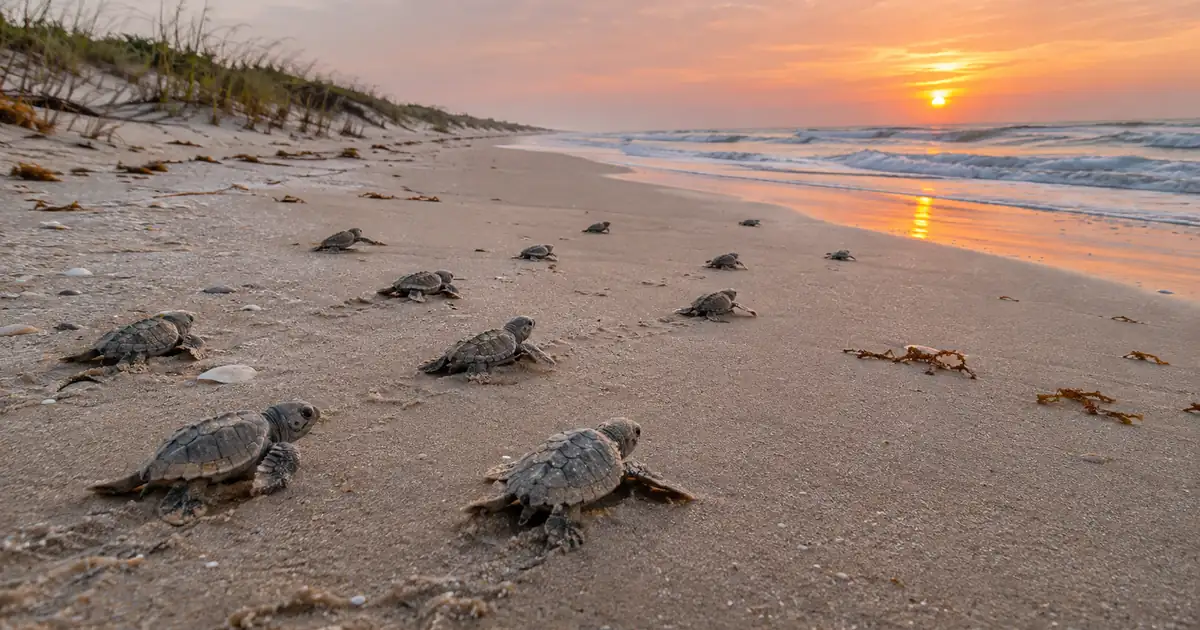
The Magic of 6:45 AM Releases at Malaquite Beach
The public sea turtle releases conducted by the Division of Sea Turtle Science and Recovery at Padre Island National Seashore represent the frontline of endangered species conservation. Malaquite Beach serves as the primary public release site because its pedestrian-only sand protects vulnerable hatchlings from vehicle tire ruts and motorized traffic.
Why Releases Happen at First Light
Releases take place at first light (6:45 AM) for biological and thermal reasons. In nature, emerging from nests during the cool pre-dawn hours protects cold-blooded hatchlings from the lethal midday sun, which quickly heats Texas beach sand above 100 degrees Fahrenheit.
Dawn releases also dramatically reduce predation. Ghost crabs, gulls, and coastal herons hunt aggressively during broad daylight. Releasing hatchlings while predatory birds are less active gives the tiny turtles their best fighting chance to swim through nearshore breakers and reach the sheltering sargassum weed lines miles offshore.
The crawling process across the sand, known as natal imprinting, is essential to their life cycle. As hatchlings crawl across the beach, mineral cues in the sand imprint on their biological compasses. Decades later, surviving adult females navigate thousands of miles across the Gulf of Mexico to lay their own eggs on this exact stretch of Texas coastline.
Understanding the Kemp’s Ridley Conservation Miracle
The Kemp’s ridley (Lepidochelys kempii) is the smallest and most critically endangered sea turtle species on Earth, strictly protected under the U.S. Fish and Wildlife Service Endangered Species Act Portal. By the late 1970s, commercial egg harvesting at their primary Mexican nesting beach in Rancho Nuevo reduced the worldwide nesting population to fewer than 300 females.
To prevent extinction, an extraordinary binational partnership established a secondary nesting colony at Padre Island National Seashore. Biologists collected wild egg clutches from Mexico, incubated them at the island’s scientific station, and released the hatchlings into the Gulf surf in cooperation with the Texas Parks and Wildlife Coastal Fisheries Division.
Today, park biologists and volunteer beach patrols monitor 70 miles of barrier island shoreline throughout the spring nesting season (April through mid-July). When a nesting female is located, rangers carefully excavate the clutch of roughly 100 ping-pong-ball-sized eggs and transport them to the park’s specialized incubation facility to protect them from high tides, predators, and vehicle traffic.
| Species Metric | Verified Detail | Significance |
|---|---|---|
| Hatchling Size | 1.5 to 2.0 inches long | Weighs less than one ounce (about 15 grams) |
| Incubation Period | 48 to 55 days | Incubated in temperature-controlled sand boxes |
| Public Release Dates | Mid-June through August | Typically 20 to 25 public releases per season |
| Release Location | Malaquite Beach Visitor Center | 20420 Park Road 22, Corpus Christi, TX 78418 |
| Hatchling Hotline | (361) 949-7163 | 24-hour recorded announcement updated daily |
How to Check the Turtle Hatchling Hotline
Because sea turtles hatch on nature’s schedule, public releases cannot be scheduled months or weeks in advance. Eggs pip and emerge within an unpredictable 48-hour window depending on incubation temperatures.
Calling the Hotline the Night Before
The only official way to confirm a morning release is to dial the Padre Island National Seashore Hatchling Hotline at (361) 949-7163. Rangers update this 24-hour phone line as soon as clutches show signs of hatching.
Planning protocol for visitors:
- Check the evening prior: Call the hotline around 6:00 PM to hear if clutches are actively pipping in the incubation facility.
- Confirm early morning: Call again at 2:00 AM or 5:00 AM on the morning you plan to travel. If a release is confirmed, the recording provides exact parking and timing instructions.
- Check social media backup: The park also posts updates on the official Padre Island National Seashore National Park Service Portal.
If the hotline announces that no release is scheduled, do not drive down to the beach expecting an unannounced event. Releases occur exclusively when hatchlings emerge in sufficient numbers to warrant a public dawn gathering.
Summer Calendar Windows and Clutch Timing
While dates shift each year, historical data provides a reliable baseline for travelers scheduling South Texas vacations. Nests laid during peak April and May nesting runs typically hatch between mid-June and late July.
The highest probability of catching multiple releases occurs during the month of July, when several clutches often hatch within the same week. Mid-week releases tend to have smaller crowds than holiday weekends like July 4th, providing closer sightlines along the release corridor before stopping for breakfast near Snoopy’s Pier.
Malaquite Beach Logistics and Arrival Strategy
Padre Island National Seashore sits approximately 30 miles southeast of downtown Corpus Christi. Reaching Malaquite Beach in time for a 6:45 AM release requires setting a predawn alarm and navigating Park Road 22 in darkness.
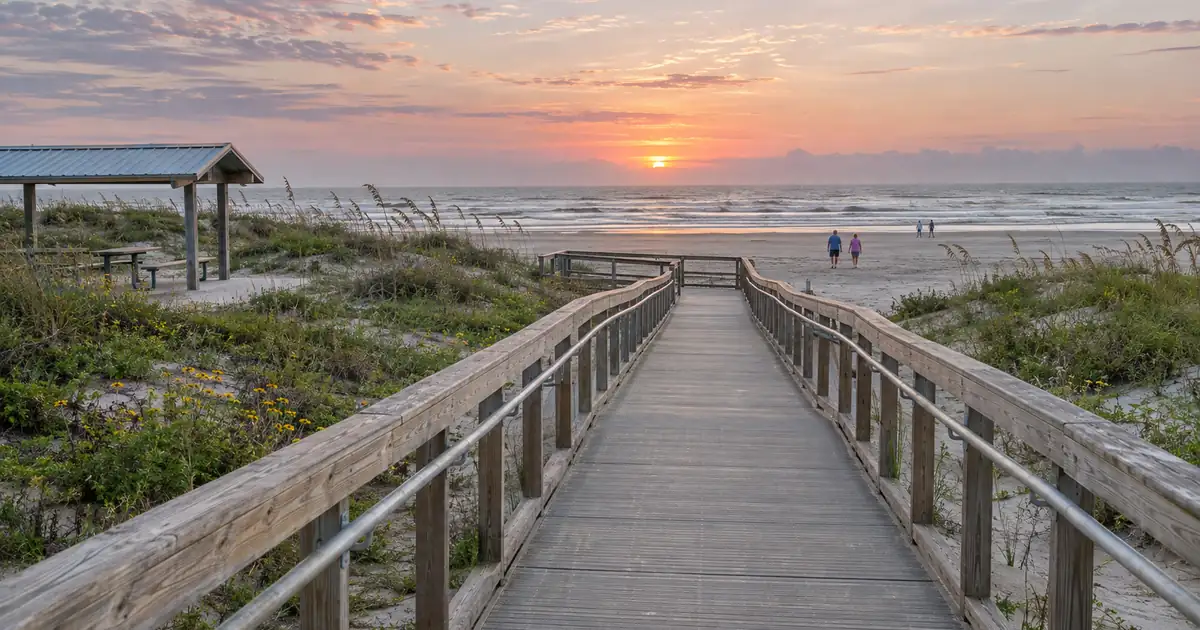
Driving Routes and Park Entrance Station Fees
From downtown Corpus Christi or North Beach, drive south across the JFK Causeway on State Highway 358, which turns into Park Road 22 on North Padre Island. Continue driving south past the island subdivisions near Padre Balli Park and through the national seashore entrance gate. The drive from downtown Corpus Christi takes approximately 45 to 50 minutes.
Park entry fees apply at the entrance station:
- Private Vehicle 1-Day Pass: $10.00
- Private Vehicle 7-Day Pass: $25.00
- Annual Park Pass: $45.00
- America the Beautiful Interagency Passes: Free entry for Senior, Military, 4th Grade, and Access passholders.
The entrance station is frequently unstaffed before 6:00 AM. When booths are closed, visitors with annual passes should proceed directly to the parking lot; automated credit card pay stations at the visitor center allow guests without passes to purchase day tickets.
Parking Lot Timing and the Boardwalk Walk
Arrive at the Malaquite Beach Visitor Center parking lot by 6:15 AM at the latest. On summer weekends, the paved parking lot fills rapidly with hundreds of vehicles. Late arrivals face long lines at entrance kiosks and a brisk half-mile jog to the sand.
From the parking lot, visitors walk through the central breezeway of the visitor center and cross an elevated wooden boardwalk over coastal sand dunes to reach the shoreline. Restroom facilities inside the visitor center are open early on release mornings.
Once on the sand, rangers direct the crowd into a wide U-shaped perimeter marked by yellow safety ropes. Secure a spot along the front rope line by 6:30 AM. Taller adults should allow small children to stand directly against the rope so young visitors have unobstructed views of the hatchlings.
Strict Visitor Rules: Clothing and Photography
Because Kemp’s ridleys are critically endangered, human interactions are strictly governed by federal regulations and conservation protocol. Violating release rules disrupts the hatchlings’ natural instincts and draws immediate intervention from park law enforcement.
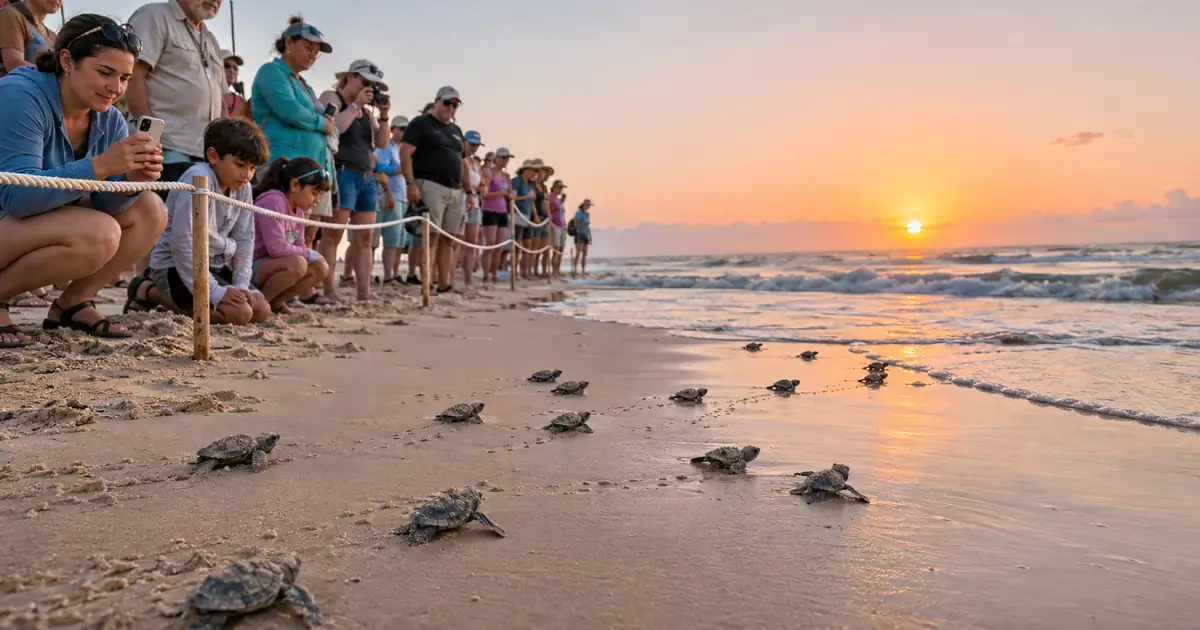
The White Footwear Rule and Sand Safety
The most important rule surprises many first-time visitors: Do not wear white shoes, white sneakers, white flip-flops, or white socks.
Sea turtle hatchlings possess strong positive phototaxis, naturally crawling toward the brightest visible contrast. On an undeveloped beach at dawn, that contrast is the frothy white crest of breaking Gulf waves against dark wet sand.
When spectators stand along the rope line wearing white shoes or white ankle socks, the hatchlings become disoriented. Instead of crawling toward the ocean, they turn around and march toward visitors’ feet. Rangers will ask visitors wearing white footwear to step behind the crowd or remove their shoes and place them in dark bags.
Wear dark sandals, dark water shoes, or go barefoot along the wet sand. Dress in lightweight dark-colored shorts or beach pants that can handle splashes from incoming tide swash.
Flash Photography and Crowd Perimeter Rules
Photography regulations are strictly enforced to protect developing turtle retinas:
- No Flash Photography: Artificial camera flashes blind sensitive hatchling eyes and disorient their navigational compass. Turn all smartphone and DSLR flashes completely off before walking onto the beach.
- No Selfie Sticks or Monopods: Extending poles across the safety rope can cast shadows that hatchlings perceive as predatory birds overhead, causing them to freeze in fear.
- Do Not Touch or Touch Sand: Visitors may not touch the turtles, step inside the rope boundary, or alter the sand trench. Human skin oils disrupt chemical scent receptors on turtle shells.
- Keep Pets Leashed Behind Boardwalk: While dogs are welcome on leashes in most areas of the park, pets are not permitted within the crowd perimeter during hatchling releases to prevent barking and accidental escapes.
After attending a morning release on North Padre Island, birdwatchers and nature enthusiasts can journey north across the Coastal Bend to explore the best things to do in Rockport-Fulton.
Making a Full Day at Padre Island National Seashore
After the last hatchling successfully reaches the surf around 7:15 AM, most spectators pack up and leave. Staying for the remainder of the day allows travelers to experience the longest undeveloped barrier island in the world without crowds.
Exploring the Visitor Center and Down-Island Tracks
The Malaquite Beach Visitor Center opens its full museum exhibits, educational gift store, and shaded observation deck by 9:00 AM. Visitors can view taxidermy sea turtle specimens, examine 16th-century Spanish shipwreck artifacts, and watch short documentary films chronicling the Kemp’s ridley recovery effort.
For outdoor adventurers, the park provides diverse coastal environments:
- Pedestrian Beach Swimming: Malaquite Beach remains closed to vehicle traffic, offering a safe, clean shoreline for swimming, boogie boarding, and beachcombing.
- Four-Wheel-Drive Down-Island Overlanding: Drivers with high-clearance 4WD vehicles can explore down South Beach, driving along 60 miles of wild primitive coastline. Learn driving rules in our guide to Texas beach camping rules and permits.
- Bird Watching on Bird Island Basin: Located on the Laguna Madre side of the island, Bird Island Basin provides calm shallow waters for windsurfing, kayak launching, and observing feeding reddish egrets and pelicans.
Pairing a morning turtle release with fresh seafood dining or jetty fishing creates a classic North Padre Island summer day. Travelers heading into town can continue exploring downtown highlights in our weekend in Corpus Christi itinerary. Official park alerts, beach driving conditions, and camping permits are maintained through the National Park Service Padre Island Portal.
Frequently Asked Questions About Sea Turtle Releases
What time do turtle hatchling releases start at Padre Island?
Public hatchling releases begin promptly at 6:45 AM on scheduled summer mornings. Visitors should arrive at the Malaquite Beach Visitor Center parking lot by 6:15 AM to ensure parking and walk down the boardwalk to the release trench before gates close.
How do you know if there is a turtle release today?
Call the official Padre Island National Seashore Hatchling Hotline at (361) 949-7163 after 2:00 AM on release mornings or the evening prior. Rangers update the recording as soon as a clutch of eggs begins emerging from incubation corrals.
How much does it cost to watch the sea turtle release?
Attending the public hatchling release is free with paid admission to Padre Island National Seashore. Standard vehicle park passes cost $10 for a single day or $25 for seven days, and annual federal interagency passes are accepted.
Why are white shoes prohibited at turtle hatchling releases?
Hatchling sea turtles orient themselves by following the brightest natural light, which in nature is the white foam of breaking Gulf waves. White shoes, socks, or bright sandals confuse the hatchlings and cause them to crawl away from the ocean toward visitors feet.
Can you touch the baby sea turtles during the release?
Visitors are strictly prohibited from touching, handling, or approaching within the marked release zone. Federal law protects Kemp’s ridley sea turtles, and oils from human skin can disrupt their critical sand-imprinting process.
What months do sea turtle hatchling releases take place?
Public releases take place primarily from mid-June through August, with peak frequencies in late June and July. Releases occur on dates when nests incubate to completion, averaging 20 to 25 public release events per summer season.