Planning a day trip to the Ellen Trout Zoo connects travelers with an accessible wildlife sanctuary in East Texas. General admission Ellen Trout Zoo tickets cost $10 for adults, $5 for children ages 4 to 11, and free for toddlers ages 3 and younger.
Located inside forested Ellen Trout Park, the grounds house nearly 800 exotic and native species across 40 shaded acres. Standard daily operating hours run from 9:00 AM to 5:00 PM throughout the entire calendar year.
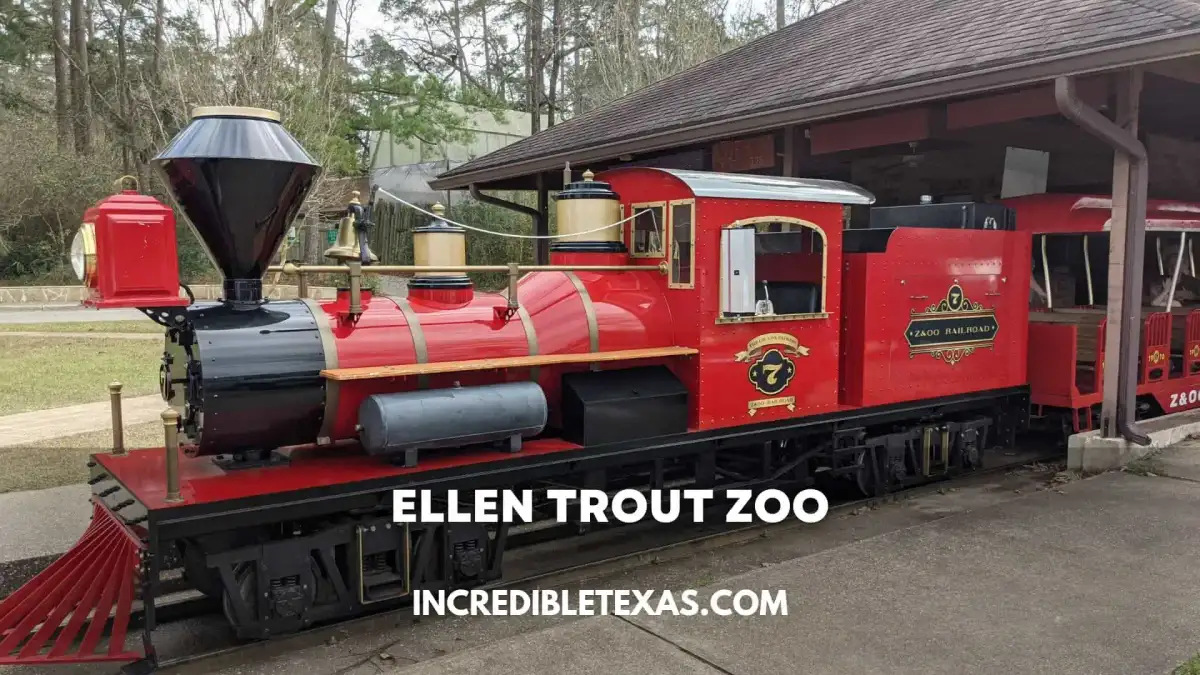
Organizing toddler friendly outings Lufkin families enjoy or mapping out affordable family day trips in East Texas is straightforward here. Visitors encounter Malayan tigers, feed Masai giraffes, and ride a historic miniature steam train along the municipal lake.
This guide provides current 2026 admission pricing, daily schedules, insider viewing advice, and regional travel logistics for your excursion. Explore everything this East Texas zoo offers before setting out on your trip.
Plan your visit
Verified
- Location
- 402 Zoo Circle, Lufkin, TX
- Hours
- Daily 9am to 5pm, last entry 4:30pm
- Admission
- $10 adults, $5 kids 4 to 11, $8 seniors and military
- Best time to go
- Weekday mornings, March to May
Ellen Trout Zoo 2026 Quick Facts
Reviewing current Ellen Trout Zoo admission options delivers a compact overview of entry rates, operating schedules, facility amenities, and park rules. The following breakdown simplifies your itinerary planning across every age bracket.
| Category / Experience | Details & Specifications | Schedule / Hours | 2026 Rates | Planning Notes |
|---|---|---|---|---|
| Adult Admission (12–59) | General entry to all outdoor habitats and indoor pavilions | Daily 9:00 AM – 5:00 PM | $10.00 | Last ticket entry sold at 4:30 PM |
| Child Admission (4–11) | Full grounds access with hands-on educational signage | Daily 9:00 AM – 5:00 PM | $5.00 | Children 3 and under enter free |
| Seniors (60+) & Military | Discounted general admission with valid photo identification | Daily 9:00 AM – 5:00 PM | $8.00 | Active duty and retired military eligible |
| Miniature Train Ride | Pre-Civil War replica train looping around park lake | Weather permitting during zoo hours | Small extra ticket fee | Departs along the municipal park shoreline |
| F.O.E.T.Z. Membership | Annual pass covering unlimited admissions and gift shop perks | Valid 12 months from purchase | $30 Individual / $50 Family | Supported by Friends of Ellen Trout Zoo |
| Parking Facility | Paved surface lot with bus and motorcoach stalls | Daylight park hours | Free | Located directly at 402 Zoo Circle |
Ellen Trout Zoo Hours and 2026 Schedule
The facility maintains dependable operating hours throughout the year, welcoming visitors daily from 9:00 AM to 5:00 PM. Verified Ellen Trout Zoo hours confirm that the final admission ticket is processed at 4:30 PM, giving latecomers only 30 minutes to view exhibits before gates close. Arriving before 2:00 PM is strongly recommended to walk the full loop without rushing through indoor pavilions.
The grounds operate 362 days a year to support constant animal enrichment and public education. Gates close for three major winter holidays: Christmas Eve, Christmas Day, and New Year's Day. If severe winter freezes or tropical storms impact Angelina County, municipal leadership posts immediate schedule notices on official channels.
Reviewing published Lufkin zoo hours helps families beat seasonal heat waves and align with animal feeding routines. Carnivores and hoofstock remain most active during morning feeding rounds between 9:00 AM and 11:00 AM. In the hot afternoon hours, many creatures rest in shaded thickets or indoor quarters.
Tip
Arrive right at the 9:00 AM opening gate during summer months. You will encounter active predators, cooler walking paths, and completely open parking spaces before midday crowds arrive.
The Rich History of Ellen Trout Zoo
The story of this beloved Lufkin Texas zoo began in 1965 when local industrialist Walter Trout received an unexpected gift: a hippopotamus. Trout donated the animal to the City of Lufkin, provided municipal leaders established a proper zoological park to house it. The park officially opened on June 17, 1967, named in tribute to Trout's mother, Ellen.
According to the Texas State Historical Association Lufkin History Entry, the Trout family played a central role in transforming the regional lumber hub into a thriving civic community. Over subsequent decades, the facility expanded into an accredited institution participating in international breeding initiatives.
What started as a single civic donation now ranks among the best things to do in Lufkin TX for residents and weekend travelers. Generations of Texas families have walked these shady avenues beneath native loblolly pines. For visitors exploring regional heritage across East Texas, our curated directory of things to do in Angelina County provides additional outdoor outings and historic landmarks.
Ellen Trout Zoo Tickets and Pricing for 2026
Affordable rates make this municipal sanctuary one of the strongest entertainment values in East Texas. Standard day passes cost $10.00 for adults aged 12 to 59 and $5.00 for children aged 4 to 11. Families traveling on a budget can explore modern habitats without paying the elevated rates common at metropolitan facilities.
Checking current Lufkin zoo prices highlights how cost-effective a family outing can be in Angelina County. In contrast to major urban facilities like the Caldwell Zoo in Tyler, where adult passes exceed $20, this park provides tremendous educational value. Guests can review schedules and purchase day passes online through the Visit Lufkin Official Tourism Guide.
Discounts and Special Rates
Special Ellen Trout Zoo discounts assist seniors and active military members throughout the calendar year. Seniors aged 60 and older receive an entry rate of $8.00 upon presenting valid identification. Active-duty military personnel and military veterans also pay $8.00 at the turnstiles.
Toddlers and babies aged 3 and younger enter free of charge every day. Group rates are available for registered public school classes, daycares, and youth organizations coordinating formal visits. Educational coordinators must reserve group outings at least two weeks in advance with administrative staff.
Annual Zoo Membership Options
Frequent visitors and regional families can save substantially by securing a Friends of Ellen Trout Zoo membership. Annual passes begin at $30 for individuals and $50 for families or grandparents. These annual memberships provide 12 full months of unlimited general admission to the grounds.
Membership packages also include discounts on retail purchases at the safari gift shop and priority registration for seasonal youth workshops. Funds generated by membership sales directly finance capital habitat renovations, medical equipment, and conservation field grants.
Must-See Exhibits and Wildlife Habitats
Despite its modest acreage, this municipal park curates an impressive roster of wildlife representing South America, Africa, Asia, and native ecosystems. Elevated viewing platforms and transparent perimeter glass allow visitors to watch animal behaviors up close. The exhibits reflect natural geography, pairing dense foliage with water features and sheltered resting huts.
The Malayan Tiger Habitat
The centerpiece of Asian wildlife on the grounds is the specialized Malayan tiger exhibit. These critically endangered big cats roam an outdoor terrain featuring rocky outcrops, shade shelters, and a dedicated plunge pool. Glass viewing windows allow guests to observe the tiger's stalking patterns and water play safely.
The municipal team coordinates closely with national breeding coordinators through the Species Survival Plan to support genetic diversity for this threatened subspecies. Interpretive signage around the habitat highlights ongoing anti-poaching initiatives across Southeast Asia. Morning visits offer the greatest chance to witness tiger enrichment activities.
The African Savanna and Masai Giraffes
The expansive African Savanna section is the primary spot for travelers wanting to view Masai giraffes in deep East Texas. These majestic herbivores share sightlines with native birds and hoofstock along rolling grasslands. Elevated decks bring visitors eye-to-eye with the giraffes as they strip leaves from tall feeding stations.
Children delight in watching the herd interact with animal care staff during morning welfare checks. The outdoor paddock provides natural ground cover that encourages natural herd grazing routines. For outdoor enthusiasts pairing zoo trips with forest exploration, check out our guide to the best East Texas state parks and nature reserves.
Reptile House and Tropical Aviary
The indoor reptile house on the grounds has earned national acclaim among herpetologists for its breeding success with venomous and non-venomous species. According to the Texas Parks and Wildlife Department American Alligator Profile, wetland reptiles play an essential ecological role across Texas river basins. Climate-controlled vivariums house native crocodilians, venomous pit vipers, and desert tortoises.
Directly connected to the reptile complex is the free-flight tropical aviary. Dense exotic plants, running streams, and overhead mist create an authentic rainforest environment. Colorful toucans, macaws, and ground-dwelling fowl flutter past pedestrian walkways without restrictive wire cages.
Hippopotamus and Cotton-Top Tamarins
Honoring the facility's founding legacy, the hippopotamus exhibit features an expansive outdoor pool where these massive aquatic mammals spend warm afternoons. Guests can watch the hippos surface for breath and enjoy seasonal produce snacks delivered by keepers. Shaded viewing benches make this a popular resting point along the central corridor.
Nearby primate habitats feature playful cotton-top tamarins, white-handed gibbons, and lemurs leaping across rope bridges. These dynamic creatures participate in daily puzzle-box enrichment that encourages problem-solving skills. Educational plaques teach young guests about rainforest canopy preservation.
Behind-the-Scenes Tours and Educational Programs
Educational discovery sits at the core of the park's daily operations. Structured group experiences allow students, scout troops, and animal lovers to interact directly with zookeepers and veterinary professionals. These programs demonstrate the rigorous care, nutrition science, and habitat maintenance needed to protect rare species.
Wildlife on Wheels Educational Outreach
The Wildlife on Wheels traveling curriculum brings live ambassador animals into regional classrooms, community centers, and libraries. Handled by experienced educators, small reptiles, mammals, and birds help teach biological adaptations and conservation ethics. The program serves public school districts across several rural East Texas counties.
Teachers can book specific curriculum units that align directly with state science learning standards. These interactive animal presentations make abstract ecological concepts tangible for young minds. Outreach sessions should be scheduled several months ahead of the school semester.
Zoo Safari Summer Camps
During June and July, staff host popular Zoo Safari day camps for elementary and middle school students. Campers explore exhibit backstages, prepare animal diets in the commissary, and design enrichment toys for carnivores and primates. These hands-on workshops cultivate deep respect for global wildlife.
Junior Zookeeper programs give teens an introduction to veterinary science and animal husbandry careers. Enrollment fills rapidly each spring through municipal park recreation portals. Early registration is vital for parents securing summer day camp positions.
The Miniature Train: A Lufkin Tradition
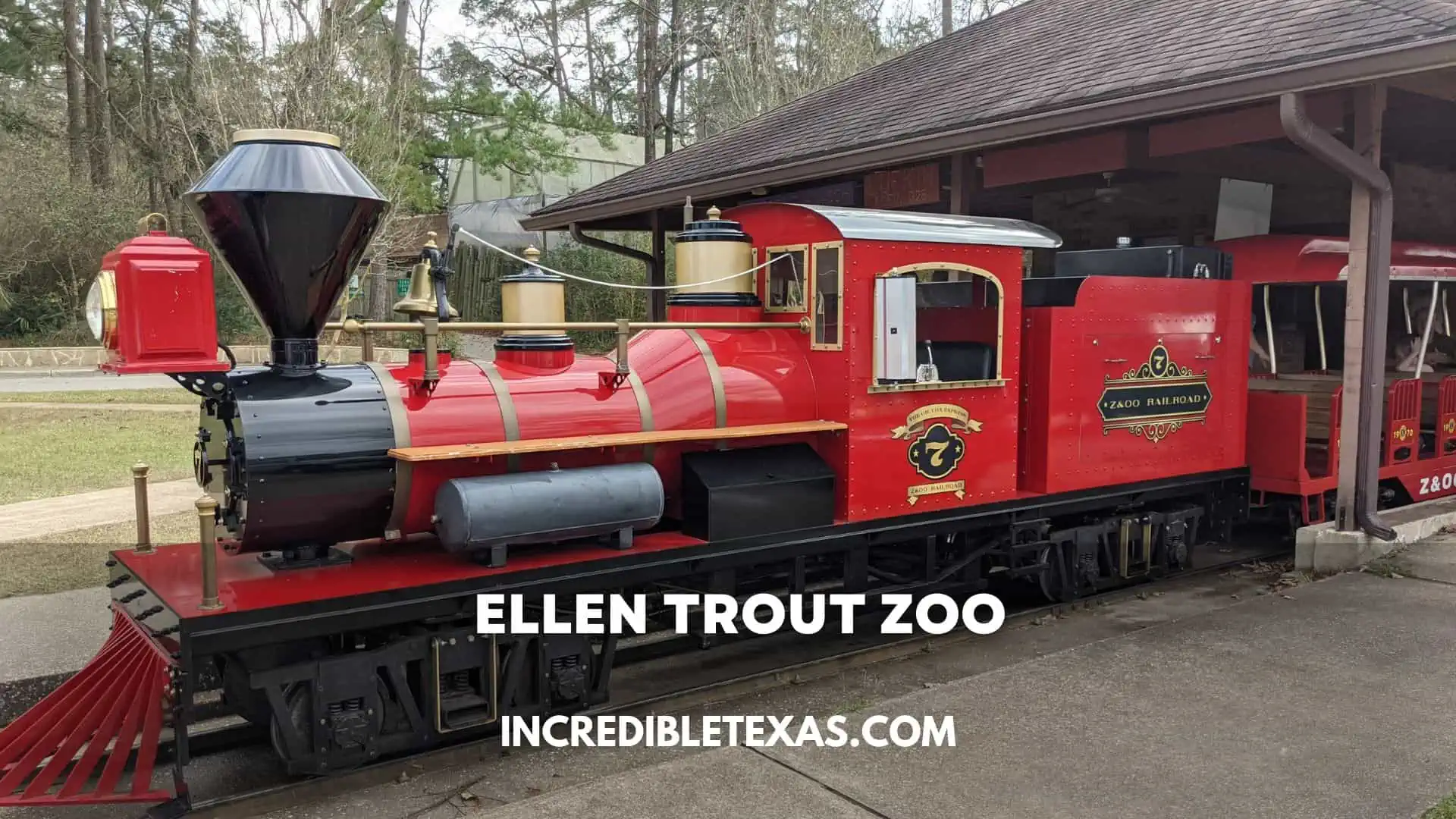
No family visit to the park is complete without enjoying the beloved miniature train ride. Operating along the park perimeter, this scaled pre-Civil War train replica carries passengers on an open-air track through dense woods and around the lake. The relaxing 10-to-12-minute circuit offers soothing lake breezes and scenic photo backdrops.
The train depot operates near the entrance gates along the municipal park shoreline. Train tickets require a nominal separate charge, sold right at the train platform ticket booth. Children and grandparents particularly enjoy the nostalgic whistle blasts echoing across the water.
The train operates on regular schedules during peak weekends, spring break, and summer vacation days. Weather conditions such as high winds or thunderstorms can pause train runs for guest safety. Check with entrance gate operators upon arrival to verify daily locomotive hours.
Best Time to Visit Ellen Trout Zoo
Choosing the right day and season ensures a much more rewarding wildlife experience. Because the majority of paths wind outdoors beneath native timber, weather conditions heavily influence animal visibility and personal comfort. Factoring seasonal trends into your calendar prevents midday fatigue.
Seasonal Considerations
Spring (March to May) is universally recognized as the best season to explore the grounds. Mild morning temperatures, blooming dogwoods, and active animals create comfortable walking conditions. It is also the season when new animal births and nursery displays open to the public.
Autumn (October through November) brings crisp Pineywoods breezes and lower humidity levels. Fall foliage around the municipal lake adds lovely golden color to train excursions and walking paths. Summer visits require arriving early at 9:00 AM to finish outdoor trails before midday heat sets in.
Weekday vs. Weekend
Weekday mornings between Tuesday and Thursday offer quiet pathways, uncrowded viewing decks, and peaceful photo opportunities. You will share the park primarily with occasional school groups and parents pushing strollers. Keepers often have more time on weekdays to answer traveler questions.
Saturdays and Sundays attract enthusiastic regional families from Tyler, Nacogdoches, and Houston. Weekend afternoons feature lively concessions, train lines, and family gatherings in the surrounding park pavilions. Arriving before 10:00 AM on weekends guarantees effortless parking.
Photography Tips for Wildlife Enthusiasts
With mature pine canopies and intimate exhibit fencing, the grounds provide fantastic possibilities for amateur and professional photographers. Managing enclosure fencing, glass reflections, and dappled forest lighting requires slight adjustments to your camera settings. These techniques will help you capture crisp, natural wildlife portraits.
Mastering the Light
The soft light between 9:00 AM and 11:00 AM illuminates animal fur and plumage without creating harsh glare. Overhead midday sun casts deep shadows beneath thick tree branches, obscuring facial details. Position yourself so the morning sunlight falls across the animal's eyes.
Overcast mornings offer ideal diffuse lighting across the entire property. Cloud cover eliminates contrast problems, allowing rich color saturation on tiger coats, tropical parrots, and reptile scales. Avoid using on-camera flash units, which startle captive animals and create reflective glass glare.
Working with Enclosures
To make wire mesh barriers disappear from your photographs, use a telephoto lens with a wide aperture like f/2.8 or f/4. Place your lens hood as close to the safety fence as permitted while remaining behind safety barriers. The wide aperture blurs the foreground wire completely out of focus.
When shooting through glass viewports in the reptile house or tiger enclosure, hold your lens flush against the glass surface. This eliminates internal interior reflections and room glare. A rubber lens hood helps create an optical seal against the glass without scratching the panel.
Directions, Parking, and Accessibility
This destination is located at 402 Zoo Circle Lufkin TX, situated right on Loop 287 on the city's north side. Drivers coming from Houston follow US Highway 59 North into Lufkin before exiting onto Loop 287 West. As the leading zoo near Nacogdoches, visitors traveling south connect directly via US Highway 69 South in under 25 minutes.
The facility provides abundant free parking in front of the main ticket gate. Designated stalls accommodate full-size motorcoaches, church buses, and travel trailers comfortably. Because the lot is flat and paved, moving gear from vehicles to the turnstiles requires minimal effort.
Wide, paved concrete avenues connect all indoor and outdoor habitats, providing excellent stroller accessibility for parents and smooth rolling for wheelchairs. Manual wheelchairs are available to rent at the admission booth on a first-come basis. Restrooms throughout the property include accessible family changing stalls.
Exploring Lufkin: Nearby Attractions
Making a full day or weekend trip to Lufkin allows families to experience several classic East Texas cultural stops. Directly surrounding the zoo grounds, the 126.5-acre municipal park features a 1.1-mile granite walking trail encircling the Ellen Trout Park lake. Anglers can fish from public piers, while children burn energy on two modern playgrounds.
History buffs should visit the Texas Forestry Museum Visitor Information center at 1905 Atkinson Drive. This free museum documents the timber industry that built East Texas through vintage locomotives, sawmill equipment, and interactive children's exhibits. In downtown Lufkin, the Museum of East Texas Official Site presents rotating historical displays and regional fine art in a renovated 1905 church.
Outdoor adventurers can easily head east to Sam Rayburn Reservoir. Review the Texas Parks and Wildlife Department Sam Rayburn Lake Guide for boat ramps, bass angling tips, and lakefront camping areas. For deeper woodland backpacking, consult our comprehensive Angelina National Forest hiking and camping guide.
Expert Tips for Your Lufkin Zoo Visit
Applying practical field preparation ensures your zoo day remains smooth and enjoyable for every family member. Review these logistical recommendations before packing your vehicle for the drive to Lufkin.
- Bring Reusable Water Bottles: Walking outdoors in Texas humidity accelerates dehydration. Fill bottles at touchless hydration stations near the central restrooms.
- Review the Outside Food Policy: The zoo enforces a strict outside food policy prohibiting coolers and picnic lunches inside the turnstiles. Leave lunch containers in your vehicle and eat at park pavilions.
- Inspect Stroller Wheels: While main trails are paved, lakeside park pathways feature decomposed granite gravel that favors sturdy stroller tires.
- Carry Pocket Cash for Train Rides: The train platform ticket window may operate separately from the main credit card entry registers during certain events.
Conservation and the Future of Ellen Trout Zoo
Modern zoological institutions serve as vital arks for threatened wildlife species. Operating as the primary zoo in Lufkin TX, the facility maintains rigorous animal welfare and veterinary protocols. Cooperative breeding initiatives help safeguard vulnerable genetics for wild cats, primates, and chelonians.
Every general admission ticket purchase funds local educational workshops and international wildlife field projects. Keepers regularly conduct behavioral research and share husbandry data with conservation partners nationwide. Supporting this municipal park directly protects wildlife populations for generations to come.
Frequently Asked Questions (FAQ)
What are the 2026 visiting hours for Ellen Trout Zoo?
Operating hours run daily from 9:00 AM to 5:00 PM year-round, with the last admission ticket sold at 4:30 PM. Gates close on Christmas Eve, Christmas Day, and New Year's Day.
How much does admission cost in 2026?
General admission costs $10.00 for adults (ages 12–59) and $5.00 for children (ages 4–11). Seniors aged 60 and older as well as military personnel pay $8.00, while toddlers aged 3 and younger receive free entry.
Where is the facility located in Lufkin?
The facility is located at 402 Zoo Circle, Lufkin, Texas 75904, situated within municipal park grounds along Loop 287 on the north side of the city. Free public parking is provided right outside the main entrance turnstiles.
What kind of animals can visitors see on the grounds?
Visitors can observe nearly 800 animals representing global ecosystems, including Malayan tigers, Masai giraffes, hippopotamuses, cotton-top tamarins, American alligators, and free-flying tropical aviary birds. The sanctuary also houses an extensive herpetological collection inside its indoor reptile pavilion.
Is the facility currently accredited?
Yes, this municipal facility is an accredited zoological institution. Zookeepers actively participate in cooperative Species Survival Plan programs to support the captive breeding and genetic diversity of endangered wildlife across North America.
How much is the miniature train ride?
The historic pre-Civil War replica miniature train costs a separate small ticket fee per rider, typically around $3 to $5 depending on the season and event. Tickets are sold directly at the lakeside depot platform.
Can visitors bring outside food into the park?
Outside food and beverage coolers are not permitted past the admission turnstiles inside the animal habitats. However, guests can stamp their hands for re-entry and enjoy packed lunches at shaded picnic pavilions located throughout adjacent municipal park grounds.
Is visitor parking free at the gates?
Yes, on-site parking is completely free for all guests visiting the property. The paved lot provides ample spaces for family vehicles, passenger vans, and school buses directly in front of the main ticket entrance.
Final Thoughts on Visiting Ellen Trout Zoo
As one of the most memorable zoo attractions near Nacogdoches, this park stands out as a rewarding and budget-friendly excursion in East Texas. Combining close-up wildlife viewing with shady pine trails and a nostalgic lakeside train ride, it offers an engaging outing for travelers of all ages. To continue your tour of regional culture, explore our guide to the best small towns in East Texas.