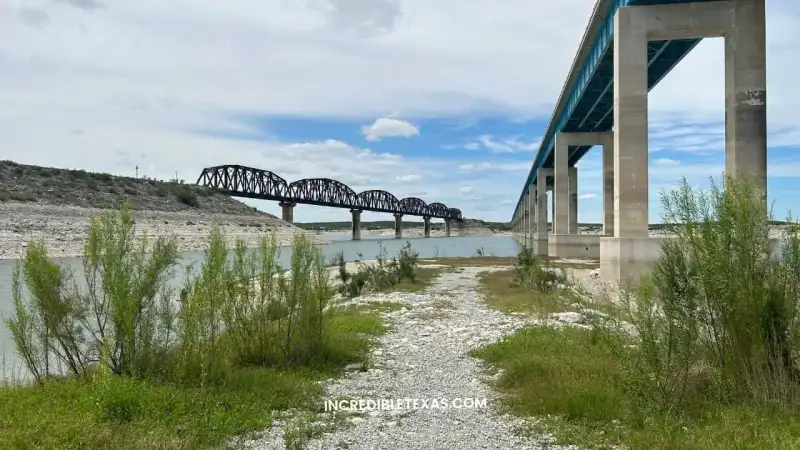
Lake Arlington TX is a 1,939-acre municipal reservoir situated on Village Creek between Arlington and Fort Worth, offering anglers, boaters, and paddlers direct flat-water recreation in the heart of the Metroplex. Built in 1957, the reservoir provides urban outdoor escapes with 20 miles of shoreline and three primary launch parks.
Key takeaways
- Lake Arlington spans 1,939 surface acres with 20 miles of shoreline on Village Creek, operating under City of Arlington municipal oversight.
- Every motorized and non-motorized watercraft, including kayaks and paddleboards, requires an official City of Arlington recreation permit prior to launching.
- Swimming, wading, and open bathing are strictly prohibited lake-wide to protect the municipal drinking water supply.
- The 10.9-mile Lake Arlington Paddling Trail was designated in 2006 as the first official flat-water paddling trail in Texas.
- Primary public ramp access is provided through Richard Simpson Park and Bowman Springs Park in Arlington, alongside Eugene McCray Park in Fort Worth.
What to Expect at Lake Arlington TX
Lake Arlington TX is a 1,939-acre municipal reservoir impounded on Village Creek in 1957 to supply drinking water to Arlington and provide regional recreation. The lake features 20 miles of shoreline, a designated 10.9-mile paddling trail, and three primary public boat launch facilities.
Located on Village Creek, Lake Arlington Texas serves both as an essential municipal reservoir and as a central recreation hub for Tarrant County. The impoundment reaches a maximum depth of 51 feet near the dam, providing open main-lake water for motorized craft alongside quiet coves suited for paddleboards.
Compared with other regional reservoirs highlighted in our guide to the best lakes in Dallas-Fort Worth, this reservoir offers quick access without heavy highway travel. Its urban location means paddlers can launch within minutes of central Arlington residential neighborhoods and highway corridors.
The shoreline is actively managed for wildlife conservation, flood retention, and civic recreation. Complete municipal regulations, launch notices, and park ordinances can be reviewed directly on the City of Arlington Parks and Recreation Regulations Portal.
Lake Arlington Boat Ramps and Public Park Access
Public access to the reservoir is concentrated across three primary waterfront parks offering a combined 18 boat ramp lanes. Richard Simpson Park and Bowman Springs Park serve the Arlington eastern and southern shorelines, while Eugene McCray Park anchors the western Fort Worth bank.
| Park / Access Point | Location & Shoreline | Operating Hours | Boat Ramp Lanes | Top Amenities |
|---|---|---|---|---|
| Richard Simpson Park | 6300 W Arkansas Ln, Arlington (East) | 5:00 AM - 10:00 PM | 8-lane concrete ramp | Kathryn Wilemon Lake House, lighted fishing pier, playground |
| Bowman Springs Park | 7003 Poly Webb Rd, Arlington (South) | 5:00 AM - 10:00 PM | 8-lane concrete ramp | Floating fishing dock, toddler playground, 0.16-mi trail, pavilion |
| Eugene McCray Park | 3449 Quail Rd, Fort Worth (West) | Daylight to Dusk | 2-lane concrete ramp | Quiet cove access, lakeside picnic tables, bank fishing |
Finding the right launch site depends on wind direction, parking needs, and preferred park amenities. Each park provides concrete ramps, paved vehicle parking, and direct access to the designated paddling trail.
Richard Simpson Park
Richard Simpson Park Arlington TX covers 9 acres at 6300 West Arkansas Lane on the eastern shoreline of the lake. The park serves as the main administrative and recreational center for visitors on the Arlington side.
- Address: 6300 W Arkansas Ln, Arlington, TX 76016
- Hours: 5:00 AM to 10:00 PM daily
- Boat Launch: 8-lane concrete Lake Arlington boat ramp with trailer parking
- Facilities: Kathryn Wilemon Lake House Event Center, reservable pavilion, modern restrooms, playground, and lighted fishing pier
The Kathryn Wilemon Lake House within the park offers meeting spaces and serves as an in-person permit sales station during administrative office hours. Anglers frequently use the lighted fishing pier for early morning bass and catfish outings before motorized traffic increases.
Bowman Springs Park
Bowman Springs Park Arlington TX occupies 14 acres at 7003 Poly Webb Road along the southeastern corner of the reservoir. The park provides family recreation with picnic stations, paved walking paths, and expansive water views.
- Address: 7003 Poly Webb Rd, Arlington, TX 76016
- Hours: 5:00 AM to 10:00 PM daily
- Boat Launch: 8-lane concrete boat ramp with floating boarding dock
- Facilities: Covered pavilion with electricity, toddler playground, 0.16-mile walking trail, restrooms, and floating fishing dock
Bowman Springs Park serves as the southern trailhead for the official paddling trail. Its floating fishing dock extends into deeper cove water, giving bank anglers reliable access to crappie and sunfish without needing a boat. Visitors exploring regional attractions can pair a morning launch here with other best things to do in Arlington.
Eugene McCray Park
Eugene McCray Park Lake Arlington covers 10.1 acres at 3449 Quail Road on the western shore, operated by the City of Fort Worth. The park offers a quieter alternative to the busier eastern ramps, sitting across the lake from residential subdivisions.
- Address: 3449 Quail Rd, Fort Worth, TX 76119
- Hours: Daylight to dusk daily
- Boat Launch: 2-lane concrete boat ramp with trailer parking
- Facilities: Shaded picnic tables, barbecue grills, open grass lawns, and shoreline bank fishing access
Access to Eugene McCray Park is reached from Loop 820 via Ramey Avenue and Quail Road. Because the grounds feature fewer developed amenities than the Arlington parks, the site remains popular with local kayakers seeking faster, low-congestion launches.
Boat Permits, Kayak Passes, and Lake Arlington Permit Fees
All watercraft operating on the reservoir require an official City of Arlington recreation permit prior to launching. Permits cost $5 for a daily pass, $10 for a two-day weekend pass, $30 for an annual kayak permit, and $45 for an annual resident motorized boat pass.
The city requires permits for every watercraft classification, including motorboats, personal watercraft, sailboats, canoes, rowboats, and kayaks. Municipal permit fees support water patrol services, navigational marker maintenance, and boat ramp infrastructure.
- Daily Watercraft Permit: $5 per day for all motorized and non-motorized watercraft
- Weekend Permit: $10 (valid for two consecutive days on Saturday and Sunday)
- Lake Arlington Kayak Permit: $30 annual pass for non-motorized canoes, kayaks, and paddleboards
- Resident Annual Motorized Permit: $45 per calendar year
- Non-Resident Annual Motorized Permit: $60 per calendar year
- Senior Annual Permit (Ages 65+): $25 per calendar year
Annual permits run on a calendar-year cycle and expire at midnight on December 31, with prorated discounts available for purchases made after September 30. Boaters can secure an official Lake Arlington boat permit online or in person at the Kathryn Wilemon Lake House and the Bob Duncan Center at 2800 South Center Street.
Current pricing schedules, exemptions, and permit application forms are published on the City of Arlington Official Watercraft Permit Fee Schedule.
Tip
Keep your printed permit receipt or physical permit decal on board your vessel at all times. Arlington lake patrol officers inspect watercraft at public ramps and issue municipal citations to unpermitted boats.
Lake Arlington Paddling Trail: Route Length and Launch Points
The designated water trail is a 10.9-mile flat-water route connecting three shoreline parks with typical paddle times ranging from 3 to 6 hours. Texas Parks and Wildlife Department designated this route in 2006 as the first official flat-water paddling trail in the state of Texas.
Established in 2006, the 10.9-mile Lake Arlington paddling trail was designated by the Texas Parks and Wildlife Department as the first official flat-water paddling trail in Texas and the inaugural paddling trail in the Dallas-Fort Worth metroplex across the 1,939-acre reservoir. The trail follows the perimeter of the lake, giving canoeists and kayakers sheltered water along shoreline coves.
The trail is organized into two distinct paddle segments that allow paddlers to customize trip distance based on wind conditions and endurance:
- Northern Segment (Richard Simpson Park to Eugene McCray Park): Approximately 3.9 miles one-way across the upper lake basin, taking roughly 1.5 to 2.5 hours.
- Southern Segment (Eugene McCray Park to Bowman Springs Park): Approximately 7.0 miles one-way along the western and southern shoreline, taking roughly 2.5 to 4.0 hours.
Paddlers should note that the marked trail does not form a loop along the eastern shore between Bowman Springs Park and Richard Simpson Park. Navigating across the central body of the reservoir exposes small craft to heavy powerboat wakes and sustained afternoon headwinds.
The official route map, safety guidelines, and GPS coordinates are maintained in the Texas Parks and Wildlife Department Paddling Trail Guide.
Lake Arlington Fishing Regulations, Species, and Angling Tips
The reservoir offers strong urban angling for largemouth bass, channel catfish, blue catfish, and crappie managed under statewide harvest limits. Anglers targeting largemouth bass find success working riprap along the dam, boat docks in residential coves, and shallow reed lines in early morning.
Lake Arlington fishing opportunities remain steady throughout the year thanks to diverse shoreline habitat and fertile tributary inflows from Village Creek. Anglers fish from boats, kayaks, and public fishing piers at Richard Simpson Park and Bowman Springs Park.
Primary Lake Arlington fish species and applicable statewide harvest regulations include:
- Largemouth Bass: 14-inch minimum length limit; 5 fish daily bag limit in combination with other black bass. Target riprap along the dam, residential boat docks, and submerged vegetation points using soft plastic worms, spinnerbaits, and crankbaits.
- Channel and Blue Catfish: 25 fish daily bag limit in combination, with no minimum length limit. Drift cut shad or prepared stinkbait across main-lake flats and creek channel edges.
- Flathead Catfish: 18-inch minimum length limit; 5 fish daily bag limit. Focus on deeper holes and underwater structure using live sunfish during nighttime hours.
- White and Black Crappie: 10-inch minimum length limit; 25 fish daily bag limit in combination. Work small minnows or plastic jigs around bridge pilings, submerged brush, and park docks during spring spawning runs.
- White Bass (Sand Bass): 10-inch minimum length limit; 25 fish daily bag limit. Cast small spoons and inline spinners around schooling shad over open humps in midsummer.
Anglers 17 and older must carry a valid Texas freshwater fishing license. Municipal ordinances prohibit the use of trotlines, jug lines, and throwing nets, and fishing from roadway bridges is strictly forbidden. Anglers comparing urban fisheries with major state reservoirs can review our guide to the best fishing lakes in Texas.
Detailed biological surveys, seasonal stocking records, and water quality statistics are compiled in the Texas Parks and Wildlife Department Inland Fishery Overview.
Lake Arlington Swimming Rules and Water Safety Guidelines
Swimming and wading are strictly illegal in the reservoir under municipal regulations. The prohibition protects public safety and maintains water quality in the city drinking reservoir, restricting water contact to watercraft recreation and permitted boat-towed tubing.
City ordinance explicitly enforces these safety restrictions to prevent contamination of the municipal water intake system. There are no designated swim beaches, zero-entry swim areas, or public wading zones anywhere along the shoreline.
- Prohibited Water Contact: Open swimming, wading, and personal bathing are completely prohibited lake-wide.
- Tubing Regulations: Tubing is permitted only when riders occupy inflatables pulled directly behind licensed motorized powerboats.
- Alcohol Ban: Possession and consumption of alcoholic beverages are strictly forbidden in all city parks and on reservoir waters.
- Life Jacket Requirements: All vessels must carry one Coast Guard-approved wearable personal flotation device for each person on board, and children under 13 must wear life jackets while underway.
Visitors seeking summer swimming and splash areas should head to Arlington municipal facilities such as the Bad Königshofen Family Aquatic Center or the Allen Bolden Pool. Maintaining strict compliance with lake rules ensures safe recreation and protects regional drinking water resources.
Nearby Metroplex Day Trips and Lake Comparisons
Lake Arlington offers an intimate, paddle-friendly reservoir experience within minutes of urban Dallas-Fort Worth amenities. Travelers seeking wider open expanses, powerboating marinas, or lakeside camping can compare the lake with larger regional reservoirs across North Texas.
Visitors looking for full-service marinas, boat rental concessions, and extensive shoreline camping can explore our in-depth Grapevine Lake guide. Grapevine Lake covers over 7,200 acres and offers public campgrounds that contrast with the day-use park model here.
The reservoir does not offer overnight tent or RV camping, as park gates close at 10:00 PM nightly. Travelers planning multi-day outdoor trips can find overnight facilities at state parks and lake campgrounds located within a 45-minute drive of the Metroplex.
Frequently Asked Questions
Can you swim in Lake Arlington?
No, swimming, wading, and personal bathing are strictly prohibited anywhere in the reservoir under city ordinance to safeguard the municipal drinking water supply. Water contact is limited strictly to permitted motorized boating, tubing pulled directly behind power boats, and self-propelled paddling.
Do you need a permit to kayak on the water?
Yes, the City of Arlington requires a valid watercraft permit for all non-motorized vessels, including canoes, kayaks, and stand-up paddleboards, before entering the lake. Paddlers can purchase a $5 daily pass, a $10 two-day weekend permit, or a $30 annual kayak pass online or at designated city facilities.
How long is the designated paddling trail?
The official paddling route measures 10.9 miles in total length across the reservoir. The route is divided into a 3.9-mile northern segment between Richard Simpson Park and Eugene McCray Park, and a 7.0-mile southern segment between Eugene McCray Park and Bowman Springs Park.
What fish species can you catch here?
The lake supports healthy populations of Florida largemouth bass, white bass, white crappie, channel catfish, blue catfish, and flathead catfish. Harvest is governed by Texas Parks and Wildlife Department statewide freshwater bag and length regulations.
Where are the public boat ramps located?
Public boat ramps are available at Richard Simpson Park and Bowman Springs Park on the eastern shoreline, both featuring expansive eight-lane concrete ramps and lit docks. An additional two-lane public ramp is operated by the City of Fort Worth at Eugene McCray Park on the western shore.