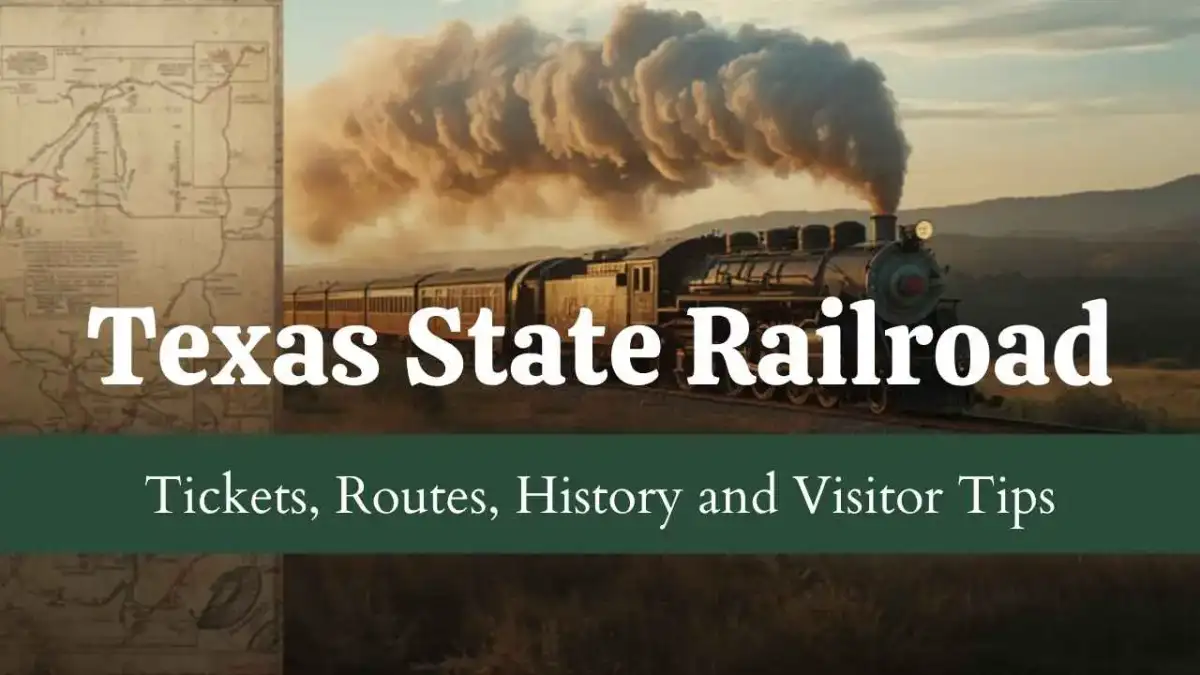
The Texas State Railroad carries passengers on a 50-mile round trip through the Piney Woods between Palestine and Rusk, operating historic vintage steam and diesel locomotives across 24 bridges and dense East Texas forest. It represents one of the major living history attractions in the American South, preserving century-old rolling stock in active operation.
Key takeaways
- The Texas State Railroad operates a 50-mile round-trip heritage rail excursion between the Palestine Depot and Rusk Depot, taking roughly four hours with a 75-minute depot layover.
- Ticket pricing spans multiple service tiers, from budget-friendly Open-Air Coach seating starting at $25 to premium First Class and observation Dome cars ranging from $75 to $95, plus a $3 Historical Preservation Fee.
- Standard excursions typically depart at 11:00 AM, and ticket holders must arrive at least 45 minutes prior to departure before boarding gates close.
- The historic route crosses 24 bridges across Anderson and Cherokee counties, highlighted by the 1,042-foot-long trestle elevated 35 feet above the Neches River.
As an authentic East Texas train ride and a distinguished historic train ride Texas visitors can experience, this corridor offers an unvarnished glimpse into the state’s transportation past. Travelers planning a broader outdoor itinerary can pair the ride with nearby East Texas state parks and nature reserves.
What to Expect on the Texas State Railroad Excursion
The excursion train provides a 50-mile round-trip journey between Palestine and Rusk through East Texas pine forests, taking approximately four hours with a built-in 75-minute depot layover. Trains run at a leisurely 15 to 20 miles per hour, allowing travelers to view dense woodlands, historic rail sidings, and creek beds.
The seasonal Texas State Railroad schedule typically runs from March through October, expanding with holiday trains in November and December. The signature excursion is known as the Piney Woods Express, where passengers board mid-morning, pass through rolling hills and river bottoms, and return by mid-afternoon.
The Piney Woods Route and Scenic Landscape
The tracks cut directly through the loblolly pines, sweetgums, and dogwood groves of Anderson and Cherokee counties. Spring brings flowering white dogwood blooms along the trackbed, while autumn brings copper and gold hardwood foliage.
Because the train operates at moderate speeds, wildlife sightings are common along the corridor. Passengers frequently spot white-tailed deer, red-shouldered hawks, and aquatic turtles basking on submerged logs near creek crossings.
Onboard Concessions and Restroom Facilities
A dedicated concession car remains open throughout the trip, selling packaged snacks, soft drinks, candy, and water. Select departures also offer canned Texas craft beers and wine for adult passengers.
Most enclosed coach and first-class railcars feature compact onboard restrooms. Passengers riding in open-air cars can walk through the vestibules into adjoining cars to access restroom facilities during the journey.
Texas State Railroad Tickets and 2026 Seat Classes
Ticket prices vary by car class, ranging from approximately $25 for Open-Air Coach benches up to $95 for panoramic Dome car seating, with each ticket subject to a mandatory $3 Historical Preservation Fee. Fares differ slightly between steam-powered runs and diesel-powered excursions.
Comparing the available Texas State Railroad seat classes allows riders to match their budget with their desired level of comfort. Purchasing tickets in advance is strongly recommended, especially for weekend runs during spring blooms and autumn foliage, which pair naturally with day trips from Dallas.
| Seating Class | Climate Control | Key Amenities | Typical Price Range | Best Suited For |
|---|---|---|---|---|
| Open-Air Coach | Natural ventilation (open sides) | Wooden bench seating, open window sills, unobstructed photo angles | $25 - $32 | Budget travelers, photographers, rail enthusiasts |
| Historic Coach | Seasonal AC / heating | Cushioned forward-facing bench seats, picture windows, vintage interior | $40 - $52 | Families with small children, casual sightseers |
| First Class | Full climate control | Upholstered chairs, shared dining tables, complimentary snack and beverage service | $75 - $85 | Couples scenic day trips, comfort-focused travelers |
| Dome Car | Full climate control | Elevated glass observation dome, 360-degree canopy views, premium table seating | $85 - $95 | Special occasions, railfans, bird watchers |
| Presidential Car 1511 | Full climate control | Private parlor lounge, luxury furnishings, personal attendant service | $100+ / Private rental | Private family gatherings, anniversaries, executive retreats |
Current departure calendars and fares are maintained on the official Texas State Railroad Piney Woods Express Schedule and Fares reservation portal.
Open-Air Coach
The open-air coach features bench seating along outward-facing rows with open window frames that welcome forest breezes and train sounds. It delivers an immersive sensory experience without window glass reflections interfering with camera lenses.
This class is the most affordable way to ride the line. Passengers should dress according to daily weather, as cool morning air or summer afternoon humidity directly enters the car.
Historic Coach Class
Historic coach cars date back to the early and mid-twentieth century, offering cushioned seating and wide picture windows. These cars are climate-controlled with heating and air conditioning, making them comfortable during peak summer heat or crisp winter days.
Coach seating provides an excellent balance of comfort and value for multi-generational groups. Seats are arranged in pairs facing forward with an overhead luggage rack for jackets and day bags.
First Class
The first class train car provides a refined journey with spacious upholstered chairs, carpeted aisles, and tables designed for conversation. Attendants serve complimentary light appetizers along with non-alcoholic refreshments during the outbound leg.
First class and dome cars provide an ideal setting for couples scenic day trips seeking a celebratory atmosphere. Passengers can order specialty cocktails, local beer, or wine directly from their seats.
Dome Car Seating
Dome car seating places riders on an elevated upper deck wrapped in curved glass panels extending above the train’s roofline. This glass dome provides uninterrupted 360-degree views of the tree canopy, track alignment, and East Texas sky.
Because dome cars have limited capacity, tickets frequently sell out several weeks ahead of departure. The upper level requires climbing a short spiral staircase inside the railcar.
Private Rentals: Presidential Car 1511 and Cabooses
Groups seeking complete privacy can charter historic cabooses or Presidential Car 1511. The presidential car features mahogany woodwork, living room parlor furniture, private restrooms, and an observation platform at the rear of the train.
Private cabooses accommodate smaller family gatherings of up to eight to ten guests with personal cupola observation perches. These specialty cars must be reserved by phone directly through the depot booking office.
Steam vs. Diesel Locomotives: Choosing Your Excursion
Choosing between steam and diesel depends on traveler preference for vintage sensory spectacle versus budget and scheduling convenience. Steam engines deliver authentic coal smoke and whistle blasts, whereas diesel locomotives offer a smoother ride and more flexible seasonal timetables.
When evaluating Texas State Railroad steam vs diesel runs, consider whether authentic smoke plumes and steam exhaust matter to your party. Both motive powers travel the identical 25-mile mainline track across all 24 bridges.
The Steam Excursion Experience
The railway maintains historic steam locomotive engines, including TSR #28, a 1917 Baldwin 2-8-0 Consolidation, and TSR #316, a 1901 Cooke 4-6-0 locomotive. The steam engine produces signature chuffing sounds, authentic whistle blasts, and billows of white exhaust that trail above the tree line.
Steam operations are typically scheduled on prime weekend dates in the spring, autumn, and select holiday weeks. Riders in open-air cars behind steam engines should expect occasional small cinders and light coal dust.
The Diesel Excursion Experience
Diesel runs utilize vintage diesel engine workhorses from the mid-twentieth century, including vintage ALCO and EMD streamliners. These diesel engines provide steady power, minimal odor, and reliable departure schedules throughout the broader excursion season.
Diesel tickets are often priced slightly lower than steam excursions. For families with infants or sensitive respiratory conditions, diesel provides a cleaner outdoor breathing environment.
Depot Locations, Boarding Schedules, and Arrival Logistics
Departures require checking in at least 45 minutes prior to departure time because ticket windows and passenger boarding gates close 15 minutes before the train pulls away. Most excursions depart from Palestine Depot, with select special event trains departing from Rusk Depot.
Coordinating travel times between both depots allows road trippers to incorporate the rail journey into broader things to do in Anderson County, including visiting Palestine’s historic downtown square and Davey Dogwood Park.
Palestine Depot Logistics
The official Palestine depot address is 789 Park Road 70, Palestine, TX 75801. For travelers locating the Texas State Railroad Palestine TX depot, the terminal is approximately six miles west of downtown Palestine off Highway 84.
The depot building features a Victorian gingerbread architectural design, ticket windows, restrooms, and a gift shop. Surrounding grounds include shaded picnic tables, lawns, and passenger loading platforms.
Local lodging options and architectural driving tours are mapped out by the City of Palestine Visitor Center Historic District Guide.
Rusk Depot Logistics
The Rusk terminal sits at 535 Park Road 76, Rusk, TX 75785, approximately three miles west of courthouse square off Highway 84. Similarly, guests arriving at the Texas State Railroad Rusk TX park will find full-service RV sites and nature trails ringing the terminal lake.
The Rusk facility features the terminal building, concession hall, and boarding tracks, along with campgrounds offering water, sewer, and electric hookups. Tent campers can reserve sites directly adjacent to the lakeside loop.
Parking Regulations and Boarding Check-In
Both depots provide ample free paved parking for standard passenger vehicles and recreational vehicles. Attendants guide cars into designated rows during busy weekend morning arrivals.
Ticketholders must arrive 45 minutes early to secure boarding passes, browse the depot exhibits, and clear boarding ticket scanning. Boarding gates lock promptly 15 minutes prior to departure, and missed trains cannot be refunded.
Passenger policies, pet restrictions, and luggage parameters are published on the Texas State Railroad Official Boarding and Passenger Guidelines portal.
Tip
Boarding gates lock 15 minutes before the scheduled 11:00 AM departure. Arrive by 10:15 AM to collect paper tickets at will-call, take depot photos, and board without feeling rushed.
What to Do During the Rusk Depot Layover
The 75-minute layover at Rusk Depot gives travelers ample time to enjoy a casual meal, browse regional souvenirs, and stretch their legs along the depot park grounds. Passengers can order hot food at the Mail Car Cafe or walk the surrounding nature paths before the return boarding whistle blows.
This built-in break splits the 50-mile trip into two comfortable segments. It keeps children engaged and allows passengers to switch seating views for the return journey back to Palestine.
Dining at the Mail Car Cafe
Planning your Rusk layover lunch around the depot cafe ensures a relaxed midday break. The Mail Car Cafe serves short-order classics including cheeseburgers, pulled pork sandwiches, chicken tenders, french fries, and cold fountain beverages.
Lines form immediately as passengers disembark from the cars. Guests can avoid long waits by purchasing tickets that include pre-ordered boxed lunches or by carrying personal picnic fare to shaded outdoor tables.
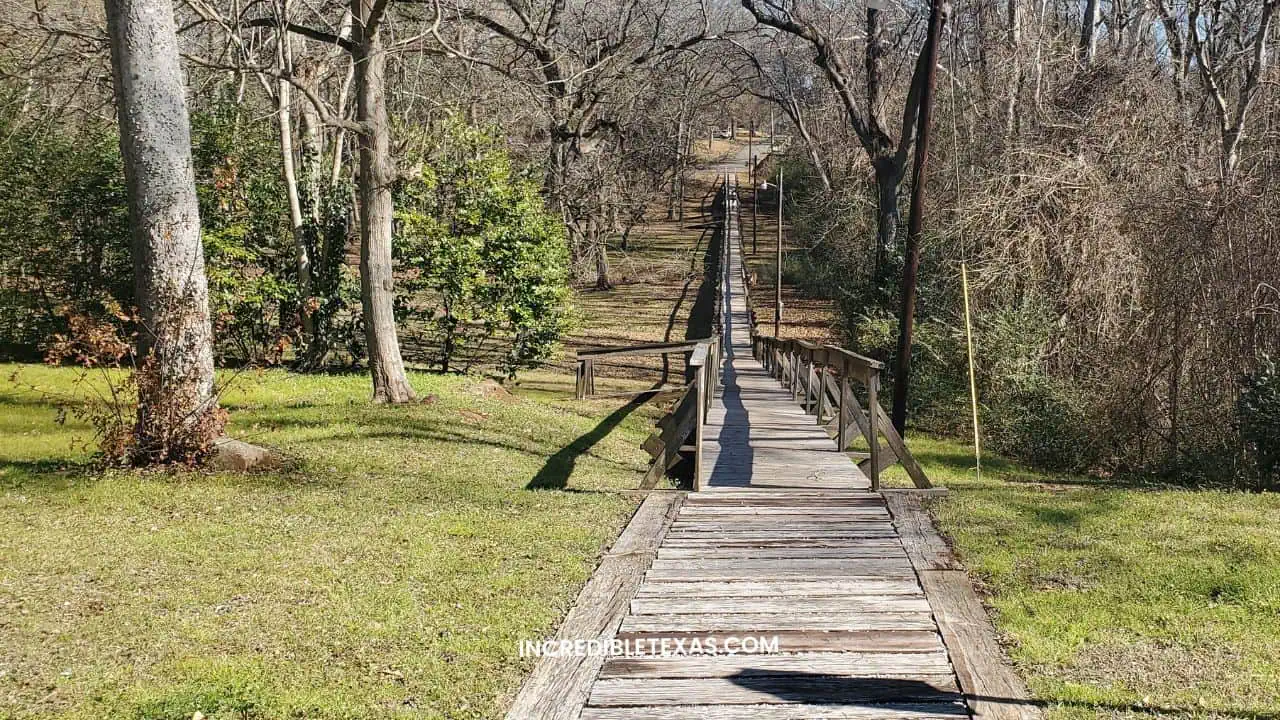
Depot Grounds and Lake Footbridge
Rusk Depot sits beside a scenic 15-acre lake surrounded by weeping willows and loblolly pines. A paved walking trail circuits the water, giving visitors a peaceful stroll during pleasant spring and autumn weather.
Children can enjoy the outdoor playground while train enthusiasts observe crew members servicing the engine. Visitors staying longer in the region can combine their rail excursion with outdoor camping and boating at Lake Palestine.
History of the Texas State Railroad: 1881 to Modern Heritage
Originally chartered in 1881, the line was constructed using inmate labor from the Rusk Penitentiary to transport timber and iron ore to state-run blast furnaces. The line eventually expanded across 25 miles of track before being transferred to state preservation authorities for tourist excursions.
The origins of Texas State Railroad history date back to the 1880s, when East Texas stood at the center of regional iron smelting. Unlike modern commuter trains, heritage rail excursions offer an unhurried window into regional history and timber commerce.
Prison Labor Origins and Industrial Freight
Inmates at the East Texas Penitentiary in Rusk laid the initial rail line using manual tools to connect iron ore pits to the state blast furnace known as the “Old Alcalde.” The harsh construction environment involved clearing thick pine forest, grading muddy stream banks, and setting heavy timber cross ties.
By 1903 the tracks reached Maydelle, and in 1909 the line achieved its full 25-mile route connecting Rusk to Palestine. After the state iron business proved economically unsustainable, the railroad leased its tracks to private freight haulers to transport local timber, cotton, and agricultural goods.
Archival records documenting the convict labor construction and locomotive roster are curated in the Texas State Historical Association Texas State Railroad Archive.
The 24 Bridges and Neches River Trestle
The rail line features 24 historic bridges that carry trains across swamps, deep ravines, and perennial streams. Riders watching the Neches River bridge train crossing enjoy sweeping aerial views of the river basin as the locomotive glides across the 1,042-foot-long steel trestle elevated 35 feet above the water.
This 1,042-foot Neches River trestle is the longest span along the route and required substantial engineering in the early twentieth century. Crossing the bridge remains the scenic high point of each excursion run.
State Historical Park Designation and Movie Stardom
In 1972, the Texas Legislature transferred the railway to the Texas Parks and Wildlife Department to save it from abandonment. The line officially reopened to the public on July 4, 1976, as a state historical park celebrating the American Bicentennial.
In 2003, lawmakers officially designated it the “Official Railroad of Texas.” The railway has served as a filming location for more than 35 Hollywood films and television series, including 1883, O Brother, Where Art Thou?, and The Great Debaters.
For regional conservation history, travelers can explore the Texas Parks and Wildlife Department Mission Tejas State Park Guide located just south of the rail corridor along Highway 21. Outdoor lovers seeking classic pine forest settings will also enjoy historic Piney Woods camping at Daingerfield State Park.
Frequently Asked Questions
Where does the Texas State Railroad depart from?
Most scheduled excursions depart from the Palestine Depot located at 789 Park Road 70 in Anderson County. Select special events and holiday trains depart alternatively from the Rusk terminal at 535 Park Road 76.
How long is the round-trip train ride?
The standard Piney Woods Express excursion lasts approximately four hours from initial departure to return arrival. This total excursion window includes roughly two hours and 45 minutes of active rail travel and a 75-minute layover at the opposing depot.
What is the difference between steam and diesel locomotives?
Steam excursions utilize historic coal or oil burning locomotives that feature authentic whistle blasts, coal smoke plumes, and premium ticket pricing. Diesel excursions rely on vintage mid-century locomotives that provide a smooth, consistent ride at slightly lower ticket prices.
Can passengers bring outside food and drinks on board?
Passengers may bring personal snacks and non-alcoholic drinks in small soft-sided coolers that fit entirely underneath their seats. Outside alcoholic beverages are strictly prohibited across all cars, though beer and wine are available for purchase in the onboard concession car.
What can passengers do during the layover in Rusk?
During the 75-minute layover at Rusk Depot, passengers can purchase lunch at the Mail Car Cafe, browse the gift shop, and stroll along the scenic park grounds and footbridge by the lake. Train staff sound a ten-minute warning whistle before boarding resumes for the return trip to Palestine.