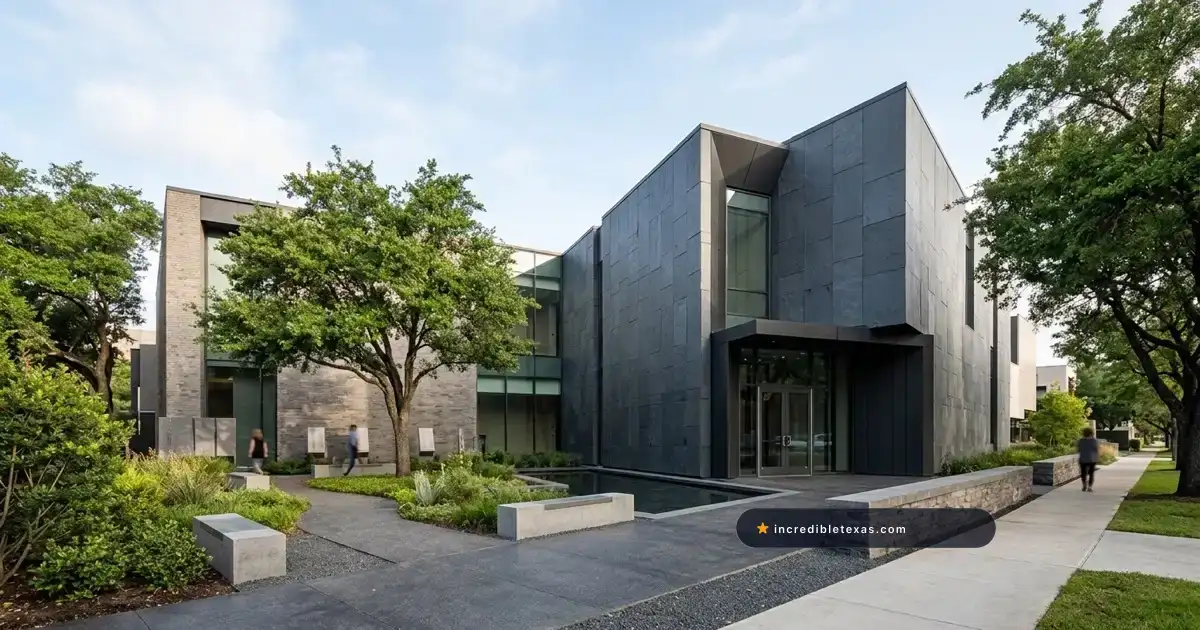
Visiting Holocaust Museum Houston requires an intentional mindset and adequate time for quiet reflection. As the fourth-largest Holocaust memorial institution in the United States, its expanded 57,000-square-foot Lester and Sue Smith Campus on Caroline Street preserves firsthand survivor testimony while educating generations on the perils of hate and prejudice.
Key takeaways
- Primary Memorial Space: The Lester and Sue Smith Campus spans 57,000 square feet, featuring bilingual English and Spanish exhibitions.
- Authentic Artifacts: Houses two rare historical survivors: World War II German goods railcar #11535 and the Danish rescue motor vessel Hanne Frank (Jericho).
- Free Thursday Window: Admission is completely free to all visitors every Thursday from 2:00 PM to 5:00 PM.
- Free Student Entry: Children, youth ages 0 through 18, and all college students with valid student ID receive complimentary admission daily.
Pair this visit with our comprehensive Houston Museum District guide and our citywide 30 Best Things to Do in Houston TX to plan a meaningful cultural itinerary.
Plan your visit
Verified
- Location
- 5401 Caroline St, Houston, TX 77004
- Hours
- Tue - Sat 10:00 AM - 5:00 PM, Sun 12:00 PM - 5:00 PM, Closed Mon
- Admission
- $22 adults, $16 seniors, free ages 0-18 & students; Free Thu 2-5 PM
- Best time to go
- Weekday mornings at 10:00 AM opening or Thursday free afternoon window
Start with the Tone and Time You Need
Holocaust Museum Houston differs fundamentally from entertainment-focused attractions across the city. The permanent galleries address complex historical atrocities, profound human grief, and extraordinarily courageous wartime rescues. Approaching the museum requires emotional readiness, mental focus, and an unhurried pace.
According to educational standards supported by the Texas Holocaust, Genocide, and Antisemitism Advisory Commission Educational Resources and the City of Houston Parks and Recreation Department, the museum presents fully bilingual exhibition text across English and Spanish. Curricula and gallery panels are deliberately structured to build civic responsibility, ethical awareness, and moral courage.
Visitors should schedule at least two full hours on site. Rushing through the memorial corridors deprives you of the emotional depth conveyed by firsthand survivor audio recordings, wartime correspondence, and intimately preserved domestic heirlooms. Plan your visit during a window when you can dedicate uninterrupted attention to the artifacts.
Hours, Tickets, and Free Admission Windows
Ticketing policies make Holocaust Museum Houston accessible to students, educators, and budget-conscious travelers:
- Adults (19–64): $22
- Seniors (65+) & AARP Members: $16
- Active-Duty Military & Veterans: $16
- Youth (Ages 0–18): Free
- College Students (with valid photo ID): Free
- Museum Members: Free
Free Admission on Thursday Afternoons
The museum provides free general admission to all visitors every Thursday afternoon from 2:00 PM to 5:00 PM. Because gallery capacity is monitored to preserve an intimate, respectful atmosphere, visitors are encouraged to reserve their Thursday tickets online in advance through the official ticketing portal.
Standard Operating Schedule
- Tuesday through Saturday: 10:00 AM – 5:00 PM
- Sunday: 12:00 PM – 5:00 PM
- Monday: Closed (except Martin Luther King Jr. Day)
- Last Entry: 4:30 PM daily
What to See in the Permanent Galleries
The museum’s core experience is divided into four distinct permanent exhibition halls:
| Gallery | Key Historical Focus | Notable Artifacts | Recommended Time |
|---|---|---|---|
| Bearing Witness: A Community Remembers | Pre-war Jewish life, Nazi rise to power, ghettoization, and liberation | Survivor oral histories, authentic striped concentration camp uniforms, personal family heirlooms | 60–75 minutes |
| World War II Railcar | Mass deportations to concentration and extermination camps | Authentic 1942 German goods railcar #11535 installed in an open-air pavilion | 15–20 minutes |
| Danish Rescue Boat | Rescue of over 7,200 Danish Jews across the Øresund Strait to neutral Sweden | 1934 fishing motorboat Hanne Frank (Jericho) displayed inside the memorial hall | 15–20 minutes |
| Rhona and Bruce Caress Gallery | Human Rights and Genocide across the 20th and 21st centuries | Bosnia, Rwanda, Darfur, Cambodia, and modern indigenous human rights advocacy | 30–45 minutes |
The centerpiece of the central gallery is the authentic World War II German railcar #11535. Visitors can walk into the restored wooden boxcar, which carried dozens of persecuted civilians across Europe. Nearby rests the Hanne Frank, one of the modest Danish fishing boats used in October 1943 to ferry nearly the entire Danish Jewish population safely into Sweden under cover of darkness.
Tours, Audio Guides, and Self-Guided Visits
Visitors can navigate the exhibitions through multiple educational formats designed for different learning styles and sensory preferences:
- HMH Mobile App: Download the complimentary museum app on iOS or Android devices before entering the building. The app delivers curated English and Spanish audio narration, survivor reflections, and extended artifact context directly to your personal headphones.
- Docent-Guided Tours: Offered on select weekend afternoons, docent-led tours provide deep biographical narratives of Houston survivors whose personal effects reside in the collection. Guides contextualize regional connections and answer visitor inquiries.
- Interactive Survivor Testimony Stations: High-definition digital listening posts allow visitors to select individual survivor accounts, hearing directly how European refugees rebuilt their lives across southeast Texas after liberation.
- Moral Courage Interactive Displays: Interactive touchscreens allow visitors to examine the documented stories of non-Jewish rescuers, diplomats, and ordinary citizens recognized by Yad Vashem as Righteous Among the Nations.
For those sensitive to crowd noise, scheduling a weekday morning visit between 10:00 AM and noon provides the most solitary, contemplative listening environment.
Preparing Younger Visitors and Family Guidelines
Parents and educators frequently ask how to introduce sensitive historical themes to children. The museum recommends the primary Holocaust exhibition for students in sixth grade (approximately age 11) and older due to historical intensity.
Elementary Age Considerations
Younger children may struggle with the graphic reality of wartime concentration camp footage and stark historical imagery. For families visiting with younger siblings, the museum provides alternative gallery paths that emphasize civic kindness, moral courage, and empathy rather than graphic wartime events. Trained docents can help families navigate around particularly intense historical displays.
Young Historians and Butterfly Project
The Laurie and Milton Boniuk Butterfly Garden and ongoing educational projects invite children to decorate handcrafted ceramic butterflies. The initiative commemorates the 1.5 million children murdered during the Holocaust, framing memory through art and creative remembrance rather than traumatic visuals.
Survivor Legacies and the Houston Connection
What sets Holocaust Museum Houston apart from national memorial museums in Washington or Jerusalem is its intimate regional focus. Following the end of World War II, dozens of European survivors settled in Houston, establishing businesses, raising families, and enriching the cultural fabric of Texas.
The museum itself was founded in 1996 by a dedicated core of local Houston survivors, including Siegi Izakson. They recognized the urgency of documenting eyewitness accounts before living memory faded.
Personal letters, wedding rings smuggled through European ghettos, and post-war Texas naturalization papers underscore this heritage. The permanent archive houses hundreds of recorded oral testimonies documented by Houstonians who witnessed the war firsthand. Researchers and students can access these preserved oral histories through the museum library.
Parking, Security, and Arrival Logistics
The museum is located at 5401 Caroline Street in the heart of the Museum District, just two blocks east of The Health Museum on Hermann Drive.
- On-Site Parking Lot: A secure, gated surface parking lot is situated directly adjacent to the building entrance. The fee is a flat $8 per vehicle, payable via credit card or digital kiosk.
- Street Parking: Limited metered street parking exists along Caroline Street and Prospect Avenue. Always observe posted neighborhood permit signs.
- METRORail Access: Ride the METRORail Red Line operated by METRO Houston Transit to the Museum District Station. Walk three blocks east along Ewing Street to Caroline Street (approximately a 6-minute walk).
Security Protocol
All guests pass through standard security screening upon entering the lobby. Backpacks, camera tripods, oversized umbrellas, and bags larger than 12 x 12 x 6 inches must be stored in complimentary lockers near the admissions desk. Weapons of any type are strictly prohibited on premises.
Food Breaks and Museum District Pairings
Given the emotional weight of a visit to Holocaust Museum Houston, allow yourself space to decompress after leaving the galleries:
- Bite of HMH: The museum’s lower-level grab-and-go cafe features kosher snacks, fresh pastries from Houston’s New York Deli & Coffee Shop, coffee, and cold drinks.
- The Morgan Family Memorial Garden: Step outside into the tranquil outdoor courtyard shaded by mature live oaks and featuring sculptural installations dedicated to quiet contemplation.
- Houston Hermann Park: Walk four blocks west into the McGovern Centennial Gardens to take a quiet stroll around the reflection pool and perennial walking paths.
- The Health Museum: Located two blocks west on Hermann Drive, offering an easy transition into medical science and human biology.
- Museum of Fine Arts Houston: Situated five minutes northwest along Bissonnet Street, ideal for pairing historical reflection with world-class fine art.
Frequently Asked Questions About Holocaust Museum Houston
What are Holocaust Museum Houston hours?
The museum is open Tuesday through Saturday from 10:00 AM to 5:00 PM and Sunday from 12:00 PM to 5:00 PM. The museum is closed on Mondays, and final gallery entry is permitted until 4:30 PM.
How much are Holocaust Museum Houston tickets?
Admission is $22 for adults, $16 for seniors 65 and older, and completely free for youth ages 0 through 18, active-duty military, and college students with valid identification.
Is Holocaust Museum Houston free on Thursdays?
Yes, the museum offers free general admission to all visitors every Thursday afternoon from 2:00 PM to 5:00 PM. Reserving timed digital tickets online before arrival is recommended.
Where do you park for Holocaust Museum Houston?
Park in the secure, gated surface lot directly adjacent to the museum entrance at 5401 Caroline Street. Parking is $8 per vehicle, payable via credit card or mobile app.
How long should you spend at Holocaust Museum Houston?
Plan between two and three hours to walk through the Bearing Witness permanent gallery, inspect the historic railcar and rescue boat, and reflect in the memorial garden.
Is Holocaust Museum Houston appropriate for children?
The primary Holocaust exhibition is recommended for children in 6th grade (age 11) and older due to historical intensity. The Young Historians and human rights galleries offer age-appropriate entry points for younger visitors.