General admission to the Houston Interactive Aquarium and Animal Preserve in Humble costs $25.95 for guests ages 3 and older, while children aged 2 and under enter free. Located at 5440 N Sam Houston Pkwy E, this indoor-outdoor facility allows visitors to touch stingrays, feed parakeets, and book close-up mammal encounters with sloths, lemurs, and kangaroos. Hand-feeding and specialty encounters require additional credits purchased on-site or online.
Unlike traditional viewing facilities such as the municipal Houston Zoo, this private preserve emphasizes physical touch, feeding cups, and walk-through habitats. For travelers seeking an interactive aquarium Houston destination, this north-side venue delivers intimate wildlife experiences right beside the airport corridor.
Plan your visit
Verified
- Location
- 5440 N Sam Houston Pkwy E, Humble, TX
- Hours
- Opens 10am daily, closes 6pm Mon to Thu, 8pm Fri to Sat, 7pm Sun
- Admission
- $25.95 ages 3 and up, free for ages 2 and under
- Best time to go
- Weekday mornings, Tuesday to Thursday
What is the Houston Interactive Aquarium & Animal Preserve?
The Houston Interactive Aquarium and Animal Preserve is a multi-acre wildlife attraction situated along the North Sam Houston Parkway. The facility combines touch tanks, walk-in aviaries, and mammal habitats with family entertainment zones including an indoor arcade and inflatable bounce houses.
As an engaging aquarium in Humble TX, the destination draws families seeking tactile nature experiences from across Harris and Montgomery counties. Guests can explore climate-controlled marine halls containing stingrays, epaulette sharks, and tropical reef fish.
Outside pavilions host kangaroos, sheep, goats, and tortoises, giving children multiple ways to observe and touch animals under staff supervision.
At-A-Glance Admission and Experience Guide
Purchasing Houston Interactive Aquarium & Animal Preserve tickets online grants access to all interactive halls and outdoor habitats. Use the comparison table below to evaluate ticket tiers, activity costs, and participant requirements before purchasing admission.
| Ticket or Activity Type | Cost (2026) | Age / Height Rules | Included Features | Best For |
|---|---|---|---|---|
| General Admission | $25.95 | Ages 3+ (Ages 0–2 Free) | All indoor/outdoor touch tanks & exhibits | First-time visitors and casual tours |
| Annual Discovery Pass | $59.95 | Valid for 1 year from purchase | Unlimited general entry, encounter discounts | Local families visiting 3+ times annually |
| Feeding Tokens (Single) | ~$3.00–$5.00 | All ages (supervised) | 1 cup of animal food or ray gel food | Quick hand-feeding moments |
| Token Bundle (Online) | ~$20.00–$35.00 | All ages (supervised) | Multi-token discount pack for feedings | Families with multiple eager children |
| Kangaroo Walkabout | Extra encounter fee | Minimum 54 inches tall | Walk inside kangaroo habitat with handler | Older kids; strict 48-hr cat ban applies |
| Lemur Encounter | Extra encounter fee | Ages 6+ (Ages 6–7 need paid adult) | Supervised sit-in session with ringtail lemurs | Primate lovers seeking shoulder perches |
| Two-Toed Sloth Encounter | Extra encounter fee | Ages 6+ (Supervised under 6) | Quiet seated petting and photo session | Travelers wanting a gentle, quiet interaction |
Houston Interactive Aquarium Tickets and 2026 Admission Prices
General admission passes for the preserve cost $25.95 per person for ages 3 and up, with free admission for infants and toddlers ages 2 and under. Securing Houston Interactive Aquarium and Animal Preserve tickets online ahead of time lets guests bypass front desk queues. Passes can be booked directly through the Houston Interactive Aquarium Official Admission Portal or purchased at ticket counters upon arrival.
Digital passes purchased online remain valid for one full calendar year from the date of purchase. That policy gives families flexibility if severe weather or schedule conflicts force a last-minute change of plans.
Single-Day General Admission Rates
A standard day pass grants unlimited access to all walking pathways, touch tanks, aviary hallways, and outdoor mammal yards for the entire operating day. Purchasing tickets online during high-demand weekends ensures fast access without long register delays. Hand stamps permit same-day re-entry if families need to step outside to grab lunch from their vehicle.
Be aware that front-desk registers add a 3% card processing surcharge for credit and debit card transactions. Travelers can avoid this extra fee by booking digital tickets online prior to arrival or paying with physical cash at the door.
Annual Discovery Pass and Special Discounts
The facility offers an Annual Discovery Pass for $59.95 per person. This yearly pass provides exceptional value for local residents who plan to return throughout the seasons, paying for itself on the third visit.
Certified K-12 educators and active first responders receive complimentary general admission at the entrance by presenting valid professional photo credentials. Special admission promotions like "$10 Tuesday" events provide additional seasonal savings during select school months.
Tip
Group rates apply to organized parties of 10 or more guests who book at least 48 hours in advance. Reserving ahead of time locks in discounted pricing and expedited entry for large groups.
How the Aquarium Credit and Token System Works
Aquarium credits and tokens are prepaid units used to purchase animal food cups, specialty feedings, arcade plays, and bounce house wristbands. While general admission covers hands-on touch tanks, feeding stingrays, toucans, or farm animals requires buying tokens individually or in discounted multi-packs.
Many first-time visitors mistakenly assume that entry tickets include animal food cups. Acquiring Houston Interactive Aquarium feeding tokens upon arrival ensures your party can participate in every touch tank feeding without delay.
Feeding Token Costs and Value Bundles
Individual food portions typically cost between $3.00 and $5.00 worth of tokens depending on the animal species. For example, a small cup of nectar for lorikeets costs less than frozen capelin fish rations for sharks and large stingrays.
Self-service automated kiosks situated throughout the indoor corridors accept credit cards and dispense physical tokens. Buying bundled token packs online before your visit provides a roughly 15% discount compared to purchasing single tokens on the facility floor.
Activities That Require Extra Credits
Besides animal snacks, credits power secondary entertainment attractions inside the building. The arcade game floor, immersive virtual reality submarine simulators, and giant inflatable jump houses require either tokens or a dedicated activity wristband.
Guided snorkeling sessions in the tropical stingray tank also require a specialized add-on booking. Staff provide sanitized masks, snorkels, and wetsuits, guiding participants through the warm saltwater lagoon alongside docile rays.
Top Interactive Experiences and Animal Encounters
Booking Houston Interactive Aquarium animal encounters allows visitors to feed stingrays by hand and pet slow-moving arboreal mammals. Guided encounters with two-toed sloths, ring-tailed lemurs, and kangaroos offer supervised educational interaction for an additional fee.
The facility provides an active backdrop for nature enthusiasts and doubles as one of the more engaging Houston date ideas for couples who enjoy wildlife. For family celebration milestones, hosting a Houston Interactive Aquarium birthday party includes reserved party rooms and hands-on animal sessions.
Interactive Marine Life: Feeding Stingrays and Sharks
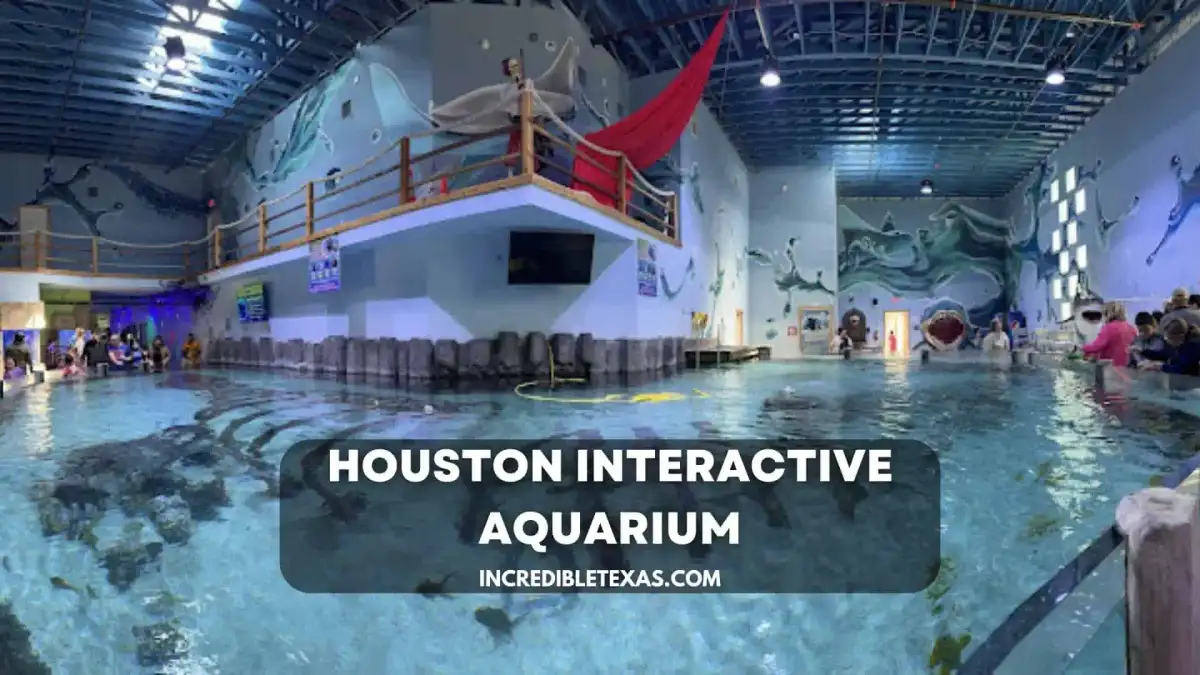
The stingray lagoon serves as the central hub of the aquatic zone. Visitors can lean over low rock walls to stroke the velvety wings of cownose rays and southern stingrays as they glide across the shallows.
Handlers teach visitors the flat-palm and two-finger resting techniques to avoid startling the animals. Guests holding feeding cups can cup small fish in their hands beneath the water surface to feel the suction feeding of the rays.
Shark feeding sessions take place over reinforced acrylic barriers using extended feeding tongs. Participants can feed juvenile bamboo sharks and nurse sharks while educators explain shark dentition and sensory electroreception.
Mammal Encounters: Ring-Tailed Lemurs and Two-Toed Sloths
Private mammal sessions allow small groups of guests to enter dedicated enclosures with exotic species. The ring-tailed lemur habitat lets visitors sit on wooden benches while curious primates leap across overhead ropes and perch on visitor shoulders.
Lemur sessions require participants to be at least 6 years old, and children aged 6 to 7 must be accompanied by a paid adult. Rings, shiny jewelry, and loose strings must be removed before stepping into the room.
The two-toed sloth encounter provides a calmer pace suitable for younger guests. Visitors sit alongside an animal specialist to observe the slow metabolism, specialized climbing claws, and leafy diet of these rainforest tree dwellers.
Australian Outback: Kangaroos, Wallabies, and Biosecurity Rules
The outdoor Australian yard features red kangaroos and agile wallabies resting in shaded grass pens. Visitors can purchase pellet cups to hand-feed these marsupials while learning about joey pouch development.
Guests entering the kangaroo pen must be at least 54 inches tall. More importantly, the preserve enforces a strict biosecurity protocol: visitors who own or have had contact with domestic cats within the preceding 48 hours are strictly barred from entering the kangaroo enclosure.
Domestic felines are common carriers of *Toxoplasma gondii*, a parasite that causes toxoplasmosis. While harmless to most domestic pets, toxoplasmosis is lethal to Australian marsupials, making this rule vital for animal survival.
Tropical Aviary and Asian Small-Clawed Otters
The walk-in tropical aviary houses hundreds of free-flying parakeets, cockatiels, and colorful lorikeets. Guests can hold seed sticks or small nectar dishes, which prompt dozens of birds to land directly on their hands and arms.
Nearby, a dedicated otter habitat features lively Asian small-clawed otters chasing toys and diving through transparent water tubes. Handlers host daily enrichment talks demonstrating the problem-solving intelligence and dexterous paws of these aquatic mammals.
Houston Interactive Aquarium and Animal Preserve Reviews and Visitor Feedback
Examining Houston Interactive Aquarium reviews reveals that parents appreciate the approachable zookeepers and unhurried animal stations. Public reviews for the Houston Interactive Aquarium and Animal Preserve highlight high satisfaction with animal proximity, especially for families with toddlers and elementary-aged children.
Critical feedback usually centers on add-on expenses rather than animal quality. Visitors who expect an all-inclusive ticket often express surprise at paying separately for animal food tokens, arcade cards, and specialty mammal walkabouts.
Weekend crowd density is another frequent point in visitor comments. Arriving on weekday mornings between Tuesday and Thursday ensures quiet touch pools and more energetic animal feedings.
Houston Interactive Aquarium vs. Downtown Aquarium Houston
The Houston Interactive Aquarium in Humble focuses on hands-on petting, holding, and feeding small mammals, reptiles, and marine species. In contrast, Landry's Downtown Aquarium in central Houston is an entertainment complex emphasizing restaurant dining, amusement rides, and traditional viewing tanks.
Families choosing between the two venues should assess their group's primary goals. If your priority is feeling stingray wings, sitting with lemurs, and feeding kangaroos, the Humble location delivers far more physical contact.
Conversely, if your family wants an outdoor shark-tank train ride, carnival games, and a sit-down seafood dinner beside a multi-story fish tank, the downtown location is better suited. Downtown Aquarium is also more centralized for tourists staying near the theater district.
Visitor Logistics: Hours, Location, and Free Parking
When reviewing Houston aquarium prices and hours before leaving home, note that ticket counters stop selling admission one hour prior to close. The facility opens daily at 10:00 AM, closing at 6:00 PM Monday through Thursday, 8:00 PM Friday and Saturday, and 7:00 PM on Sunday.
Because the attraction sits along the outer feeder road of North Sam Houston Parkway East, navigating the entrance ramp requires slowing down as you approach the commercial complex. The venue is easily paired with other regional activities on our list of the 13 best things to do in Houston.
Daily Operating Schedule
Operating hours remain consistent throughout the year, with extended weekend schedules accommodating afternoon crowds:
- Monday: 10:00 AM – 6:00 PM
- Tuesday – Thursday: 10:00 AM – 6:00 PM
- Friday – Saturday: 10:00 AM – 8:00 PM
- Sunday: 10:00 AM – 7:00 PM
Staff begin closing animal feeding stations roughly 30 minutes before final facility closing. Plan to complete all token feedings by 5:30 PM on weekdays to avoid unused snacks.
Driving Directions and Parking Access
The aquarium is located roughly 20 miles northeast of downtown Houston and only 6 miles east of George Bush Intercontinental Airport (IAH). Drivers should take I-69 North to Beltway 8 East, exiting toward Wilson Road.
Complimentary Houston Interactive Aquarium parking is available directly outside the entrance doors in a dedicated paved lot. For regional corridor highway planning and traffic alerts, refer to the Texas Department of Transportation Houston District Roadway Guide.
Outside Food and Beverage Restrictions
Outside food, personal coolers, and open beverage containers are strictly prohibited past the security turnstiles. Security staff conduct bag inspections at the ticket gate to protect animal enclosures from stray human food trash.
Exceptions are made for infant formula, sealed baby food pouches, and medical dietary requirements. The facility operates an internal concession snack counter selling hot dogs, fountain sodas, popcorn, and packaged snacks.
Safety, Ethics, and Animal Care Standards
Direct wildlife interactions require rigorous hygiene protocols to safeguard both human visitors and resident animals. Handwashing basins with warm water and antibacterial soap are stationed immediately outside every touch tank and petting yard.
Public health protocols outlined in the CDC Guidelines for Hand Hygiene in Public Settings emphasize scrubbing hands before touching strollers or food items. Visitors should always wash hands thoroughly between petting animals and visiting concession areas.
Commercial wildlife exhibitors in the United States operate under Class C exhibitor licensing regulated by federal law. Facilities are governed by the USDA Animal and Plant Health Inspection Service Animal Welfare Standards, which dictate minimum enclosure sizes, veterinary care regimens, and humane handling practices.
Educational Impact and Wildlife Conservation
Interactive encounters help bridge the gap between textbook biology and real-world conservation. Feeling the sandpaper skin of a nurse shark or observing an anteater's prehensile tail leaves an indelible impression on young students.
Signage across the exhibit corridors explains wildlife protection challenges, tropical habitat loss, and illegal exotic pet trade issues. Educational programs at the Humble animal preserve align with conservation principles championed by the Texas Parks and Wildlife Department Wildlife Educational Guidelines.
School tours and homeschool days incorporate guided science lectures focused on ecosystem food webs and ocean conservation. By seeing these species up close, children gain a deeper appreciation for protecting natural habitats.
How to Save Money: Houston Interactive Aquarium Discounts and Tips
A family outing to an interactive preserve can add up quickly with admission, tokens, and lunch. Investing in a Houston Interactive Aquarium annual pass makes financial sense for local residents who plan to return throughout the seasons, as it pays for itself on the third visit.
If you are planning an economical weekend across the region, you can also pair your visit with several free things to do in Houston located a short drive away. Keep these core cost-cutting recommendations in mind:
- Bring Cash or Book Online: Avoid the 3% credit card fee at register terminals by ordering online or carrying physical bills.
- Buy Token Bundles: Online packages give you more feeding tokens per dollar compared to purchasing individual $3 to $5 cups at kiosks.
- Pack a Trunk Lunch: Because outside food is banned inside, keep a cooler in your car and stamp your hand for a quick picnic in the parking lot.
- Utilize Free Professional Admission: Teachers and first responders should always bring their official workplace badge to receive complimentary general entry.
Frequently Asked Questions About Houston Interactive Aquarium
How much are admission tickets?
General admission tickets cost $25.95 per person for adults and children ages 3 and older, while infants and toddlers ages 2 and under enter free. Certified teachers and active first responders receive complimentary general admission at the door with valid identification.
What are the daily operating hours?
The facility opens daily at 10:00 AM year-round. It closes at 6:00 PM Monday through Thursday, 8:00 PM Friday and Saturday, and 7:00 PM on Sunday. Animal feeding stations begin closing roughly 30 minutes before final facility closure.
Which animal encounters are available?
Visitors can participate in stingray touch pools, shark tong feedings, parakeet aviary feedings, and sheep petting yards. Specialty add-on encounters include supervised sessions with two-toed sloths, ring-tailed lemurs, red kangaroos, tamanduas, and tropical ray snorkeling.
Can you bring outside food into the facility?
No outside food, coolers, or beverages are permitted inside the building, and bags are inspected at the entrance turnstiles. Exceptions are made for baby formula and infant food pouches. Guests may leave their hand-stamped tickets to eat outside.
Is parking free for guests?
Yes, parking is completely free for all aquarium visitors in the large private surface lot located directly in front of the main entrance at 5440 N Sam Houston Pkwy E in Humble.
What is the cat restriction rule for the kangaroo encounter?
Visitors who own domestic cats or have had contact with felines within the preceding 48 hours are barred from entering the kangaroo enclosure. Felines transmit *Toxoplasma gondii*, a parasite that causes toxoplasmosis, which is fatal to marsupials.
How long does a visit usually take?
A typical self-guided tour takes 2 to 3 hours to view all indoor and outdoor animal exhibits and feed the stingrays. Families booking multiple mammal encounters or using the arcade and bounce houses often spend 4 to 5 hours.