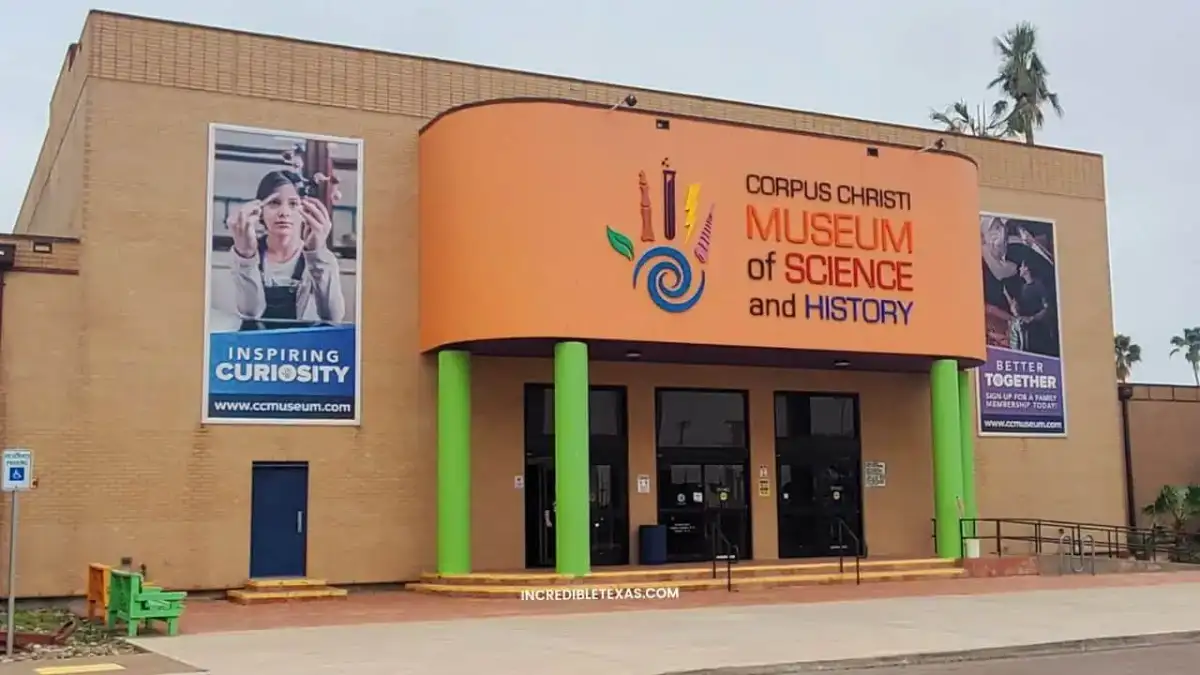
The Corpus Christi Museum of Science and History anchors the city’s waterfront cultural corridor with 100,000 square feet of maritime archaeology, South Texas paleontology, and interactive STEM exhibits. Established in 1957 at 1900 N. Chaparral Street, the facility serves more than 100,000 annual guests seeking regional history directly along the ship channel.
Key takeaways
- Corpus Christi Museum of Science and History admission is $15 for adults and teens, $11 for children ages 3 to 12, and free for children ages 2 and under.
- The museum operates Tuesday through Saturday from 10:00 AM to 5:00 PM and Sunday from 12:00 PM to 5:00 PM, with summer Friday and Saturday hours extended until 7:00 PM.
- Dedicated free parking on Chaparral Street is available in two surface lots directly in front of the main entrance.
- Permanent collections house over 500,000 artifacts across 100,000 square feet, including 16th-century keel timbers from the 1554 Spanish Plate Fleet and French relics from the La Belle shipwreck.
- The H-E-B Science Center features three levels of interactive STEM stations, a digital planetarium, and an outdoor discovery playground designed for ages 3 and up.
What to Expect at Corpus Christi Museum of Science and History
The downtown destination delivers a regional cultural overview spanning early indigenous settlements, 16th-century shipwrecks, coastal paleontology, and multi-story interactive STEM displays in downtown Corpus Christi. The facility functions as an essential stop when exploring cultural attractions across Corpus Christi.
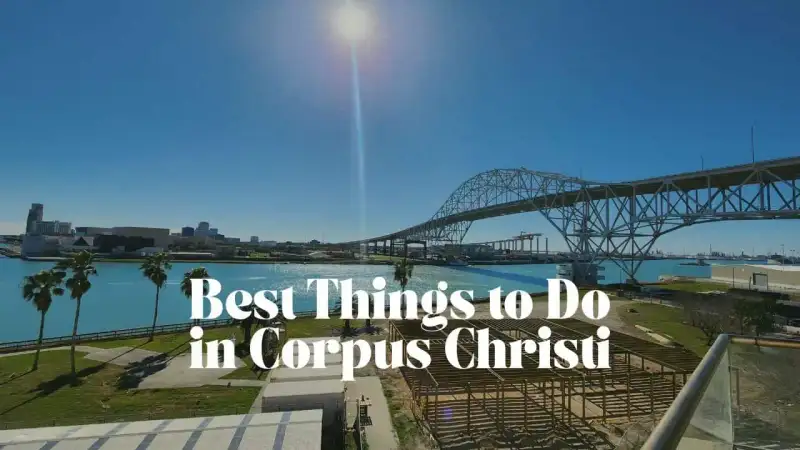
The campus sits beneath the iconic Harbor Bridge corridor, placing guests within the lively Corpus Christi SEA District. The layout divides cleanly between historical galleries on the northern wing and active science discovery spaces on the southern side.
Visitors seeking an engaging science museum Corpus Christi experience will appreciate the climate-controlled galleries, broad walkways accessible to strollers, a museum gift shop, and an outdoor discovery garden.
| Gallery / Zone | Primary Focus | Key Highlights | Target Audience | Estimated Dwell Time |
|---|---|---|---|---|
| 1554 Shipwreck Gallery | Maritime Archaeology | San Esteban keel, astrolabes, silver coins | History buffs, adults, students | 45-60 minutes |
| La Belle Exhibit | French Exploration | Artifacts from La Salle’s 1686 flagship | Maritime enthusiasts, school groups | 30-45 minutes |
| H-E-B Science Center | STEM & Physical Science | Chemistry lab, physics rigs, planetarium | Children ages 3 to 14, families | 60-90 minutes |
| Paleontology Hall | Prehistoric Texas | Megalodon jaw, dinosaur fossils, gemstones | Mixed-age families, geology fans | 30-40 minutes |
| Nuecestown & Local History | Coastal Settlement | Pioneer tools, farming relics, civil history | Regional history scholars, seniors | 30-45 minutes |
Hours, Admission Prices, and Ticket Discounts
Corpus Christi museum hours run Tuesday through Saturday from 10:00 AM to 5:00 PM and Sunday from 12:00 PM to 5:00 PM, with doors closed on Mondays for facility curation. During summer months between Memorial Day and Labor Day, weekend evening hours extend until 7:00 PM on Fridays and Saturdays.
Purchasing Corpus Christi museum tickets grants complete access to all permanent history halls, science pavilions, and daily educational programming. Tickets do not carry rigid entry time slots and remain valid for redemption up to one full year from purchase date.
Admission categories and standard pricing include:
- Adults & Teens (ages 13 to 64): $15.00
- Children (ages 3 to 12): $11.00
- Children (ages 2 and under): Free admission
- Seniors (ages 60+), Active Military & Certified Teachers: $11.00
- Purple Heart Recipients & Museum Members: Free admission
Families participating in federal food assistance can take advantage of the Museums for All discount. Presenting an active SNAP EBT card alongside a government photo ID drops general admission to $3 for adults and $1 for children.
Tip
Purchase tickets in person if utilizing the Museums for All discount, as electronic verification requires physical presentation of an EBT card at the admissions desk.
Visitors can confirm current seasonal programming schedules and special event rates directly through the Corpus Christi Museum of Science and History Visitor Admission Portal.
Core Galleries and Must-See Exhibits
Core galleries inside the building span coastal geology, shipwreck salvage, industrial heritage, and multi-tier STEM labs. Curated spaces provide self-paced learning suitable for both casual weekend travelers and focused researchers.
Note
The museum maintains official accreditation as a state-certified curatorial facility, housing over 500,000 cataloged artifacts across 100,000 square feet of public exhibition space.
1554 Spanish Plate Fleet and La Belle Maritime Archaeology
The 1554 Spanish Plate Fleet exhibition presents relics salvaged from three merchant vessels wrecked off Padre Island during a severe Gulf hurricane. Featured pieces include navigational astrolabes, cross-staffs, solid silver bars, and a preserved 16-foot section of the keel from the vessel San Esteban.
These shipwreck recoveries established landmark state antiquities legislation and cemented Texas maritime archaeology standards. Visitors can examine the research context through the National Park Service Padre Island Spanish Shipwreck History and the Texas State Historical Association Spanish Shipwrecks of 1554 Entry.
The adjacent French exploration gallery documents the tragic end of the La Belle shipwreck, the flagship of French explorer René-Robert Cavelier, Sieur de La Salle. Detailed displays interpret bronze cannons, trade beads, muskets, and personal possessions retrieved from Matagorda Bay. For another legendary naval adventure nearby, book an USS Lexington Museum flight deck tour along North Beach.
H-E-B Science Center and Planetarium
The HEB Science Center occupies nearly 20,000 square feet of hands-on physical science and engineering activities. Three floors of displays invite young visitors to build foam structures, test acoustic resonance, study Bernoulli airflow principles, and observe live chemical reactions.
The immersive digital planetarium projects regular daily presentations exploring astronomy, solar planetary motion, and deep space nebulas. Directly outside the center, an enclosed discovery playground lets younger kids climb and interact with musical outdoor installations.
South Texas Paleontology and Coastal Ecology
The Paleontology Hall highlights ancient life across the Coastal Bend with skeletal casts and genuine fossil specimens. A reconstruction of a prehistoric Megalodon jaw provides an engaging photo opportunity alongside fossilized mammoth teeth and marine vertebrates.
Adjoining ecology exhibits examine regional barrier island wetlands, Gulf Coast bird migratory routes, and native wildlife habitats. Review the complete gallery layout using the Corpus Christi Museum Permanent Exhibits Directory.
How Long to Spend and Visit Planning Tips
Plan for two to three hours for a self-guided walkthrough, or up to four hours if visiting with young children participating in planetarium screenings and playground activities. Arriving between 10:00 AM and 11:30 AM guarantees the calmest gallery conditions before afternoon family groups arrive.
Combining indoor museum exploration with coastal excursions helps balance hot summer itineraries. Visitors frequently tour the galleries during midday heat and spend late afternoons discovering the best Corpus Christi beaches.
Sunday operating hours begin at 12:00 PM, which makes Sunday morning an unsuitable arrival window for early travelers. Planning lunch along the marina before entering at noon keeps travel schedules running smoothly.
Tip
Summer hours extend until 7:00 PM on Friday and Saturday evenings from Memorial Day through Labor Day, granting two extra hours of quiet evening gallery time.
Family and Accessibility Logistics
The facility features ADA-compliant ramps, elevator service between floors, wide exhibit corridors accommodating double strollers, and sensory-friendly morning events scheduled throughout the year. All main gallery entries provide step-free access from the primary lobby.
Restrooms with changing tables are situated on both the ground level near the main admissions desk and inside the science center wing. If your family is planning additional waterfront excursions, check out our guide to Texas State Aquarium admission and exhibits located just five minutes away across the bridge.
Wheelchair loans are available at the front guest services counter on a first-come, first-served basis with a valid ID deposit. Service animals trained to perform specific tasks are permitted throughout all public spaces in compliance with ADA regulations.
Nearby Attractions in the Corpus Christi SEA District
Located within Corpus Christi’s SEA District, the museum sits within walking distance or a short two-minute drive of Whataburger Field and the harbor seawall. Guests can easily structure a full coastal itinerary within a compact geographic radius.
Visitors who are captivated by coastal history can make the short trip south toward North Padre Island to see where historical Padre Island shipwrecks washed ashore centuries ago. The surrounding coastline offers exceptional recreation, including Mustang Island State Park coastal camping right on the Gulf sands.
Frequently Asked Questions
How much does admission cost at Corpus Christi Museum of Science and History?
General admission is $15 for adults and teens, $11 for children ages 3 to 12, and free for children ages 2 and under. Seniors, military members, and teachers pay $11, while SNAP EBT cardholders receive discounted admission through the Museums for All initiative.
What are the operating hours for the museum?
The museum is open Tuesday through Saturday from 10:00 AM to 5:00 PM and Sunday from 12:00 PM to 5:00 PM, while remaining closed on Mondays. Operating hours extend until 7:00 PM on summer Friday and Saturday evenings between Memorial Day and Labor Day.
Is parking free at the museum?
Visitors receive free parking in the dedicated surface lot directly in front of the main entrance on North Chaparral Street. An additional free overflow lot is situated across the street to accommodate peak weekend traffic.
How long does a typical visit take?
Most visitors spend between two and three hours exploring the maritime collections, paleontology halls, and interactive science stations. Families with young children often extend their stay to four hours to enjoy the outdoor science playground and planetarium shows.
What are the most famous exhibits inside the museum?
The signature exhibits include 16th-century shipwreck artifacts recovered from the 1554 Spanish Plate Fleet and French explorer La Salle’s ship La Belle. Guests also frequently explore the three-story H-E-B Science Center and the South Texas paleontology hall.